Unmasking Digital Identity & Authentication Risks in WordPress Plugins (2026)
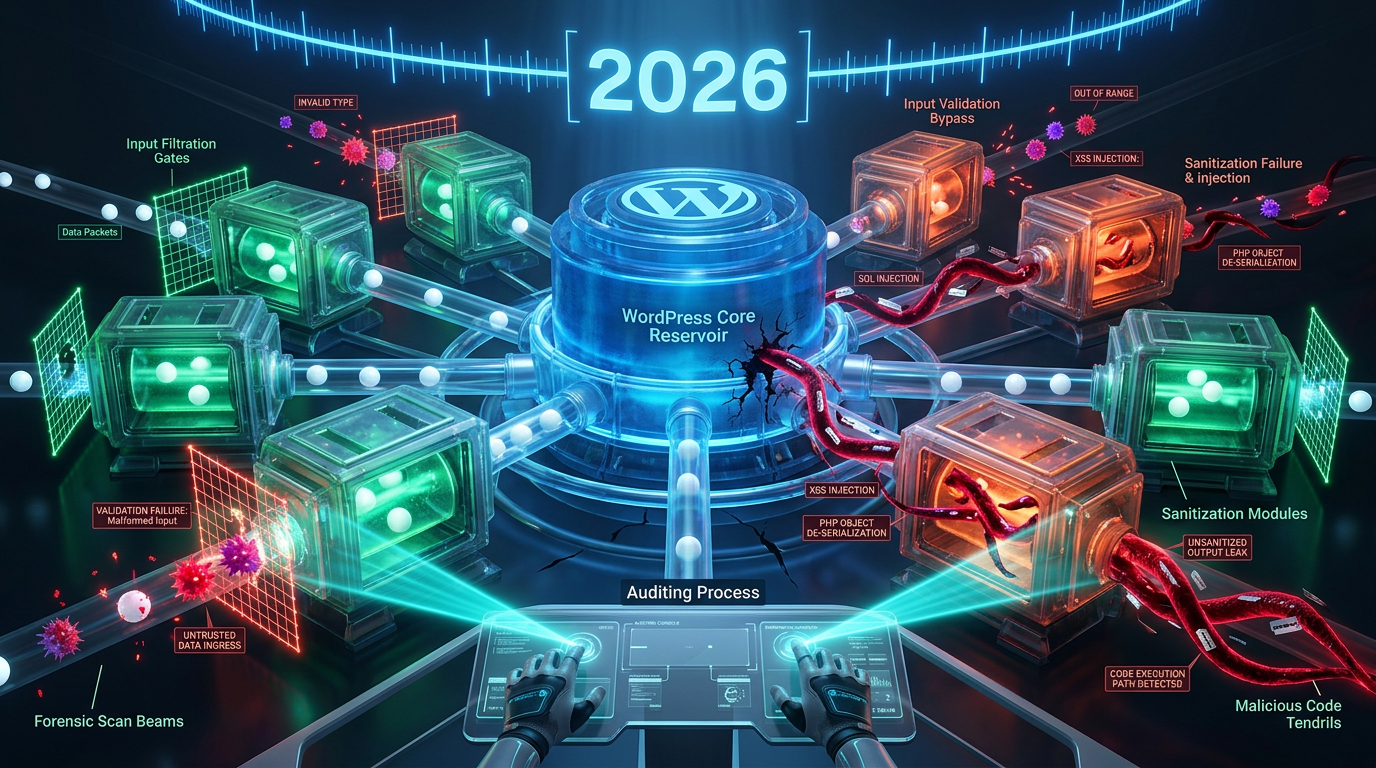
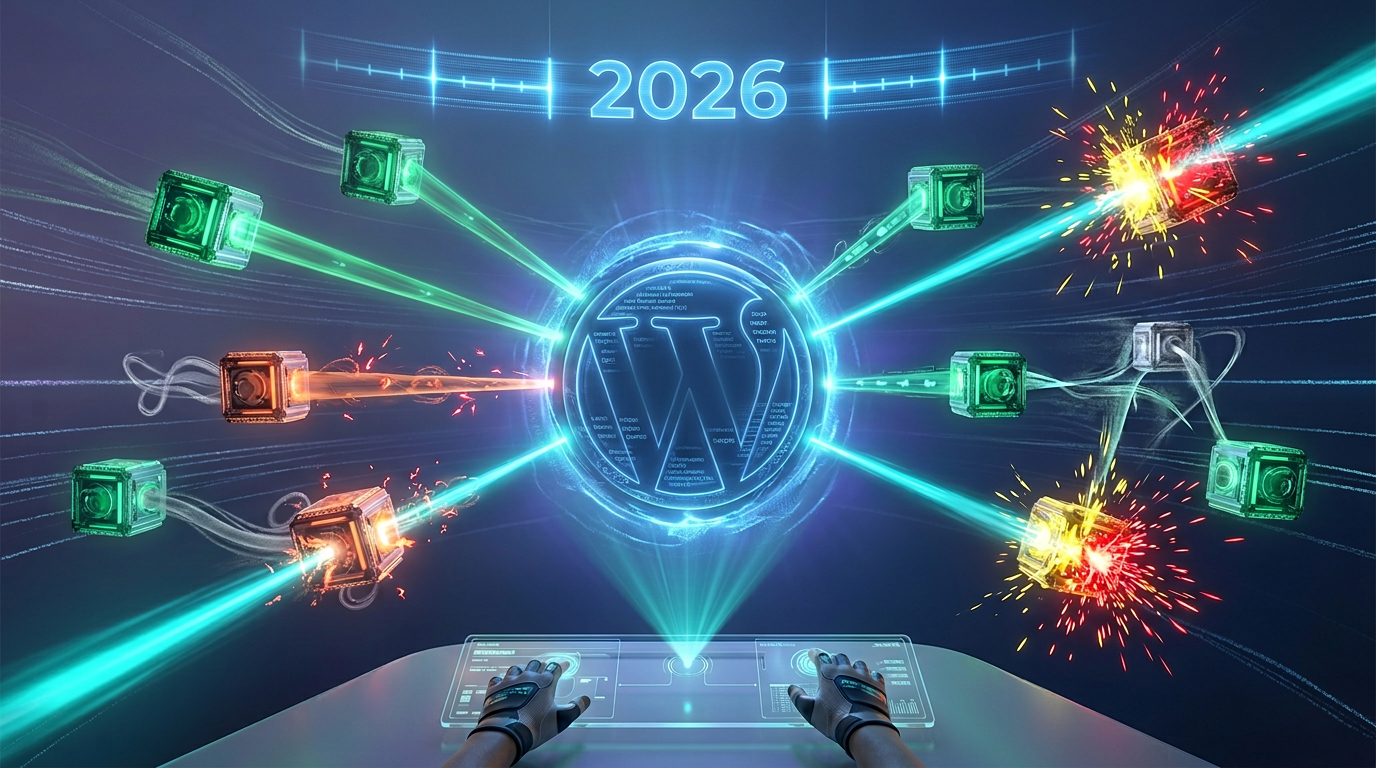
In the evolving digital landscape of 2026, understanding and mitigating WordPress authentication risks has become paramount for website administrators. As the world's most popular content management system, WordPress powers millions of websites, making it a prime target for cyber attackers. While plugins extend WordPress's functionality, they can inadvertently introduce significant vulnerabilities, especially concerning user authentication and digital identity management. This deep dive will explore the inherent dangers and provide actionable strategies to secure your WordPress installation.
Understanding the Landscape of WordPress Authentication Risks
The sheer ubiquity of WordPress means that any weakness in its core or, more commonly, its extensive plugin ecosystem, can have far-reaching consequences. Authentication is the first line of defense, verifying a user's identity before granting access. When this process is compromised, the integrity of the entire website is at stake.
The year 2026 has already seen a rise in sophisticated attacks targeting authentication mechanisms. From brute-force attempts to credential stuffing, attackers constantly seek new ways to bypass security measures. WordPress plugins, while offering incredible utility, often become the unwitting conduits for these breaches. For a broader look at how plugins can expose sensitive information, read about The Silent Connectors: Auditing WordPress Plugins for API Keys, Secrets & External Service Exposure in 2026.
Common Vulnerabilities Leading to Authentication Compromise
- Weak Password Enforcement: Many plugins don't enforce strong password policies, leaving users susceptible to easily guessable credentials.
- Improper Session Management: Flaws in how plugins handle user sessions can lead to session hijacking, where an attacker takes over an authenticated user's session. This is further explored in The Silent Ephemera: Unmasking Transient Data & Session Hijacking Risks in WordPress Plugins (2026).
- Insecure API Keys/Tokens: Plugins often use API keys or tokens for third-party integrations. If these are poorly secured or exposed, they can grant unauthorized access.
- Lack of Multi-Factor Authentication (MFA) Support: While WordPress core now supports passkeys, many older or poorly maintained plugins may not integrate well with or enforce robust MFA, increasing WordPress authentication risks. Emerging biometric authentication risks are also a growing concern, as detailed in The Silent Gatekeepers: Auditing WordPress Plugins for Emerging Biometric Authentication Risks in 2026.
Plugin-Specific Threats Amplifying WordPress Authentication Risks
The primary appeal of WordPress lies in its extensibility through plugins. However, this strength can also be its greatest weakness when it comes to security, particularly concerning user authentication. Each plugin added to a WordPress site represents a potential entry point for attackers if not properly vetted and maintained.
In 2026, the complexity of plugin interactions further complicates security. A vulnerability in one plugin might not directly affect authentication but could create a pathway for another plugin with authentication flaws to be exploited. This interconnectedness demands a holistic security strategy to mitigate WordPress authentication risks effectively.
Outdated Code and Insecure Configurations
Many WordPress authentication risks stem from developers not keeping pace with security best practices. Plugins with outdated codebases are often rife with known vulnerabilities. Similarly, insecure default configurations, such as hardcoded credentials or overly permissive file access, are common culprits.
- Unpatched Vulnerabilities: Relying on plugins that haven't been updated in years means they likely contain publicly known, exploitable flaws.
- Debug Modes Left Enabled: Development-related settings or debug modes accidentally left on production sites can expose sensitive authentication information.
- Overly Permissive Roles and Capabilities: Some plugins might grant broader user roles or capabilities than necessary, making it easier for an attacker who breaches a lower-privileged account to escalate privileges.
Excessive Permissions and Third-Party Dependencies
Plugins often request extensive permissions to function correctly. While some are necessary, others are excessive and can be exploited. Furthermore, many plugins rely on third-party libraries or external services, introducing additional layers of potential vulnerability.
If a third-party dependency has a security flaw, it can indirectly compromise the WordPress site's authentication system, even if the primary plugin code is clean. Vetting these dependencies is crucial but often overlooked by website owners. Understanding the full supply chain of plugins is vital, a topic explored in depth by The Silent Cartel: Unmasking Supply Chain Attacks & Software Bill of Materials (SBOM) in WordPress Plugins (2026).
Mitigating WordPress Authentication Risks: Best Practices for 2026
Securing your WordPress site against authentication threats requires a proactive and multi-layered approach. Simply installing a security plugin is not enough; a comprehensive strategy involving careful plugin selection, regular maintenance, and robust user practices is essential.
The focus in 2026 should be on resilience and rapid response. Anticipating potential attacks and having mechanisms in place to detect and neutralize them swiftly is key to minimizing damage when WordPress authentication risks materialize.
Strategic Plugin Selection and Management
- Choose Reputable Developers: Opt for plugins from well-known developers with a strong track record of security and regular updates.
- Read Reviews and Check Active Installs: High active install counts and positive, recent reviews often indicate a more secure and maintained plugin.
- Review Permissions Carefully: Before installing, understand what permissions a plugin requests. If they seem excessive for its stated functionality, investigate further or seek alternatives.
- Audit Regularly: Periodically review all installed plugins, removing any that are no longer needed or haven't been updated for an extended period.
Implementing Robust Security Measures
Beyond plugin selection, core WordPress security practices play a crucial role in preventing and detecting authentication breaches.
- Enforce Strong Passwords and Passkeys: Utilize WordPress's built-in strength meter and consider enforcing complex password requirements via security plugins. Encourage or enforce the use of passkeys wherever possible, as they offer superior security against traditional password attacks.
- Implement Multi-Factor Authentication (MFA): This is a non-negotiable in 2026. MFA adds a critical layer of security by requiring a second form of verification beyond just a password. Many security plugins offer robust MFA options. For insights into the wider security landscape, consider exploring the OWASP Top 10 for common web application security risks.
- Limit Login Attempts: Prevent brute-force attacks by limiting the number of failed login attempts possible within a given timeframe.
- Monitor User Activity: Keep an eye on login attempts, user role changes, and other suspicious activities. Security logs can provide invaluable insights into potential breaches.
Advanced Strategies to Counter WordPress Authentication Risks
For high-value or highly sensitive WordPress installations, advanced security measures are not just recommended but often mandatory. These strategies go beyond basic defenses to offer deeper protection against sophisticated adversaries.
As attack vectors become more diverse and automated in 2026, relying solely on reactive measures is insufficient. Proactive threat intelligence and specialized tooling can significantly reduce the window of opportunity for attackers exploiting WordPress authentication risks.
Leveraging Web Application Firewalls (WAFs) and CDN Services
Web Application Firewalls (WAFs) act as a shield between your WordPress site and the internet, filtering out malicious traffic before it reaches your server. Many WAFs also offer specialized rulesets to defend against common authentication attack patterns. Services like Cloudflare WAF are widely used for this purpose.
Content Delivery Networks (CDNs) often integrate WAF capabilities and can help distribute traffic, making it harder for attackers to launch DDoS attacks aimed at overwhelming your login page.
Regular Security Audits and Penetration Testing
Professional security audits and penetration testing involve ethical hackers attempting to find vulnerabilities in your website's authentication mechanisms and overall security posture. This proactive testing can uncover weaknesses before malicious actors do.
Regular audits, especially after major updates or plugin installations, are critical for maintaining a secure environment. These can specifically focus on identifying and rectifying potential WordPress authentication risks. For more information on securing your web assets, consider consulting resources from the Center for Internet Security (CIS).
Database Security and Credential Storage
The database is where user credentials are often stored. Ensuring its security is paramount. While WordPress automatically hashes passwords, additional measures can be taken, such as restricting direct database access to only essential users and services.
Encrypting sensitive data within the database, where applicable, adds another layer of defense, even if the database itself is compromised. Proper key management is crucial here.
Conclusion: A Proactive Stance Against WordPress Authentication Risks in 2026
The digital landscape of 2026 demands constant vigilance, especially concerning WordPress authentication risks. While no system is entirely impervious to attack, adopting a comprehensive and proactive security strategy can drastically reduce the likelihood and impact of authentication breaches. By carefully selecting plugins, enforcing strong security protocols, and regularly monitoring your site, you can safeguard your digital identity and maintain the integrity of your WordPress presence.
Remember, security is an ongoing process, not a one-time setup. Staying informed about the latest threats and vulnerabilities, and continually adapting your defenses, is the best way to protect your WordPress site and its users from evolving cyber threats.
Frequently Asked Questions

Written by Aras Akıncılar
Uzun yıllara dayanan WordPress deneyimine sahip bir siber güvenlik uzmanı olarak, eklenti ekosisteminin derinlemesine analizine odaklanıyorum. Güvenlik açıkları, performans düşüşleri ve uyumluluk sorunları üzerine hazırladığım makalelerle, WordPress kullanıcılarının sitelerini daha güvenli ve verimli hale getirmelerine yardımcı olmayı hedefliyorum.