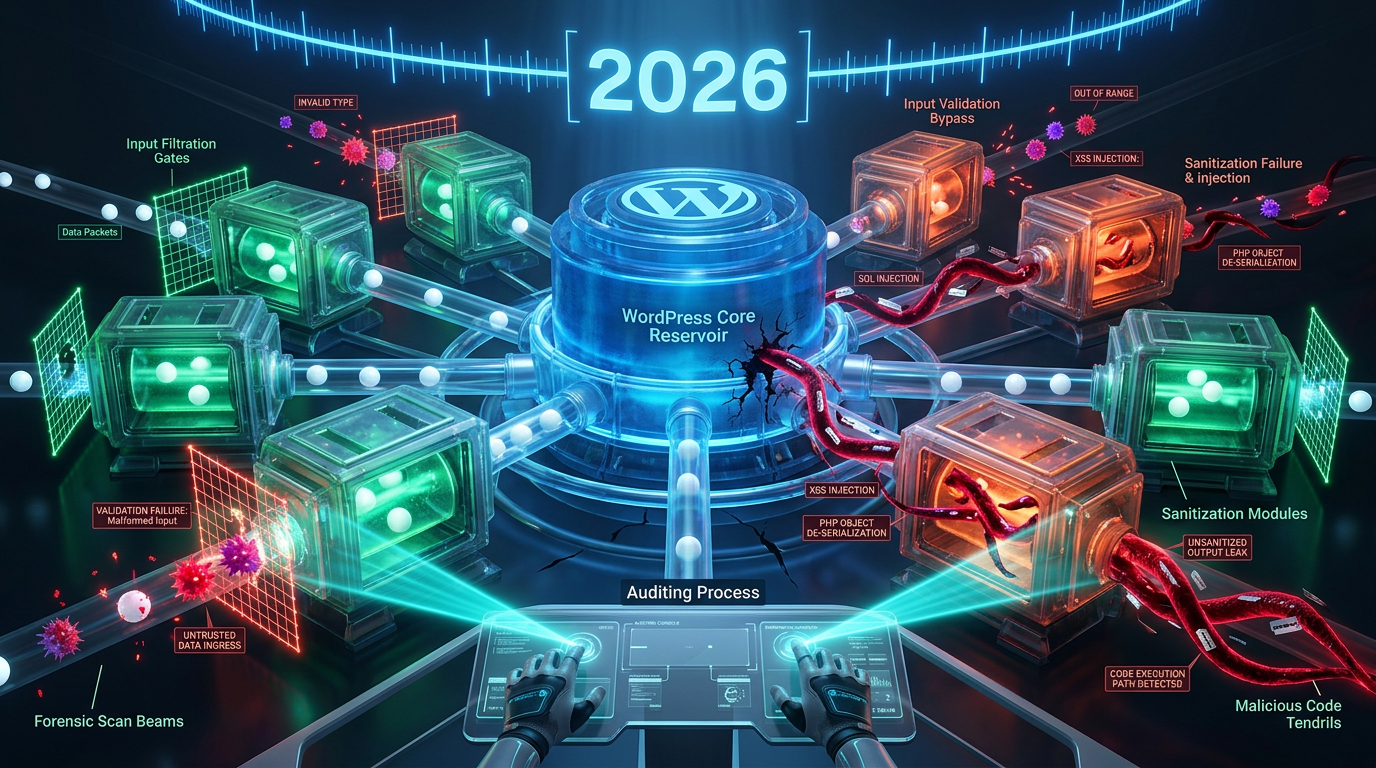
The Silent Curators: Unmasking WordPress Plugins Dictating WordPress Content Modularity & Reusability in 2026
In the dynamic landscape of web development, achieving efficient content management is paramount. For WordPress users, this often hinges on the concept of WordPress content modularity – the ability to break down content into reusable, interchangeable blocks. This approach not only streamlines content creation and updates but also significantly enhances user experience and site performance. In 2026, the power to truly unlock this modular potential largely rests in the hands of various WordPress plugins, acting as silent curators behind the scenes. This article delves into the critical role these plugins play, exploring their functionalities, benefits, and potential pitfalls, all while focusing on best practices for maintaining a secure and high-performing WordPress environment.
Understanding WordPress Content Modularity in 2026
Content modularity is more than just a buzzword; it's a strategic approach to web content management. It involves designing content in discrete, self-contained units that can be independently created, managed, and deployed across different pages or sections of a website. Imagine crafting a pricing table once and being able to instantly display it on multiple product pages, sales landing pages, and even blog posts, without duplicating code or effort. This is the essence of effective WordPress content modularity.
As of 2026, the demand for agile content pipelines has never been higher. Businesses need to adapt quickly to market changes, and content creators require tools that support rapid iteration and consistent branding. Modular content significantly reduces development time, minimizes errors, and ensures consistency across a large website.
Key Benefits of Modular Content
- Increased Efficiency: Create content once, reuse it everywhere, saving valuable time and resources.
- Enhanced Consistency: Maintain a uniform brand voice and visual style across your entire site.
- Simplified Updates: Modify a content module once, and the changes propagate automatically to all instances.
- Improved Collaboration: Different team members can work on individual content blocks simultaneously without conflict.
- Future-Proofing: Adapting to new design trends or platforms becomes much easier with transferable content components.
The Role of Plugins in Achieving WordPress Content Modularity
While the core WordPress platform offers some fundamental building blocks (Gutenberg blocks), achieving advanced WordPress content modularity and reusability often requires the intervention of specialized plugins. These plugins extend WordPress's capabilities, providing tools and frameworks that enable sophisticated content structuring, templating, and dynamic content delivery. They empower users to go beyond basic text and image blocks, allowing for complex layouts, custom fields, and truly reusable components.
In 2026, the plugin ecosystem for modular content is robust, offering a variety of solutions ranging from page builders with extensive block libraries to custom field suites and dedicated content module managers. Choosing the right plugin is crucial for optimizing your workflow and ensuring long-term site stability. For deeper insights into how plugins are transforming other aspects of WordPress, consider exploring AI-Powered Content Moderation in WordPress Plugins (2026) and WordPress Plugins Modulating Your Site's Digital Microbiome.
Popular Plugin Categories for Modularity
- Page Builders: Plugins like Elementor, Beaver Builder, and Oxygen provide drag-and-drop interfaces for creating complex layouts and often include their own rich libraries of reusable blocks and templates.
- Custom Field Suites: Advanced Custom Fields (ACF) and Custom Post Type UI (CPT UI) are indispensable for defining custom data structures and associating them with specific content types, facilitating highly structured and modular content.
- Block Editors Enhancements: Plugins that extend the native Gutenberg block editor with additional blocks, block patterns, and layout options, enhancing its modular capabilities.
- Reusable Section/Template Managers: Dedicated plugins that allow users to save and reuse entire sections or templates across different pages, offering a higher level of content abstraction.
Evaluating Plugins: Functionality, Security, and Performance
While plugins are essential for unlocking full WordPress content modularity, they also introduce potential risks. A thorough evaluation of any plugin is critical before integration. In 2026, with increasing cyber threats and user expectations for fast loading times, vigilance is paramount.
When assessing plugins for modular content, always consider their core functionality, ensuring it aligns with your specific modularity goals. Beyond features, dive deep into their security posture, looking for a track record of regular updates and prompt vulnerability patching. Performance impact is another significant factor; poorly coded plugins can drastically slow down your site, negatively affecting SEO and user experience. To understand broader security implications within the plugin ecosystem, read about Cross-Compilation & Binary Injection Risks in WordPress Plugins (2026).
Potential Risks Introduced by Plugins
- Security Vulnerabilities: Outdated code, insecure configurations, or flaws within a plugin can create backdoors for attackers. For further details, consider "The Silent Auditors: Unmasking Digital Forensics & Incident Response in WordPress Plugins (2026)" which delves into such threats.
- Performance Issues: Excessive resource consumption, unoptimized database queries, or bloated code can lead to slow loading times.
- Compatibility Problems: Conflicts between plugins, themes, or core WordPress updates can break site functionality.
- Third-Party Dependencies: Plugins relying on external libraries or services can introduce additional points of failure or data privacy concerns.
- Vendor Lock-in: Becoming overly reliant on a specific plugin's proprietary features can make migration difficult.
Best Practices for Secure and Stable WordPress Content Modularity
Adopting best practices is non-negotiable for anyone serious about leveraging WordPress content modularity without compromising site integrity. Proactive management of your plugin ecosystem is key to mitigating risks and ensuring a smooth, efficient content pipeline in 2026.
Always prioritize plugins from reputable developers with strong community support and consistent update cycles. Before deploying any new plugin to a live environment, thoroughly test it on a staging site. Regularly backup your WordPress installation and keep all components (core, themes, and plugins) updated to their latest versions. This proactive approach minimizes security risks, enhances performance, and future-proofs your modular content strategy. You might also find value in exploring "Digital Trust & Credibility Metrics in 2026" for related concepts.
Maintaining a Healthy Plugin Ecosystem
- Choose Wisely: Opt for plugins with high ratings, frequent updates, and positive reviews. Check for active developer support.
- Keep Updated: Regularly update all plugins. Updates often include security patches and performance improvements.
- Regular Backups: Implement a robust backup strategy for your entire WordPress site.
- Staging Environments: Test all new plugins and updates on a staging site before deploying to production.
- Limit Usage: Install only essential plugins. More plugins increase the potential for conflicts and performance overhead.
- Review Permissions: Understand the permissions requested by plugins and avoid those with excessive access.
- Monitor Performance: Use tools to monitor site performance and identify plugins causing slowdowns.
- Security Scans: Regularly scan your site for vulnerabilities and malware.
The Future of WordPress Content Modularity in 2026 and Beyond
The journey towards truly efficient and scalable WordPress content modularity is ongoing. As of 2026, we are seeing continued advancements in the native Gutenberg editor, with features like block patterns, block variations, and potentially full site editing maturing. These core WordPress developments are making modularity more accessible without always requiring heavy third-party plugins. However, specialized plugins will continue to play a vital role for those requiring advanced functionalities, custom data structures, and intricate design systems.
The trend is towards more intelligent, AI-assisted content creation and modular assembly. We anticipate plugins that not only facilitate modularity but also offer smart suggestions for content reuse, personalize content delivery based on user behavior, and integrate seamlessly with broader digital experience platforms. The focus remains on making content creation faster, more flexible, and ultimately, more powerful for WordPress users worldwide.
By understanding the mechanisms of WordPress content modularity and diligently managing the plugins that enable it, website owners and developers can build robust, adaptable, and high-performing digital platforms that stand the test of time. For a deeper dive into how plugins influence other aspects, consider the article on WordPress Plugins and Your Site's Digital Carbon Footprint in 2026, or explore the impact of web accessibility guidelines on content modularity.
Frequently Asked Questions

Written by Aras Akıncılar
Uzun yıllara dayanan WordPress deneyimine sahip bir siber güvenlik uzmanı olarak, eklenti ekosisteminin derinlemesine analizine odaklanıyorum. Güvenlik açıkları, performans düşüşleri ve uyumluluk sorunları üzerine hazırladığım makalelerle, WordPress kullanıcılarının sitelerini daha güvenli ve verimli hale getirmelerine yardımcı olmayı hedefliyorum.