WordPress Digital Asset Management: Plugins & Provenance in 2026
In the digital landscape of 2026, where content is king and visual media reigns supreme, effective WordPress digital asset management (DAM) is no longer a luxury but a fundamental necessity for any successful website. Organizations, from sprawling enterprises to agile startups and individual bloggers, are grappling with an ever-growing influx of images, videos, audio files, and documents. Without robust systems in place, these valuable digital assets can quickly become disorganized, difficult to locate, and prone to security risks. This article delves into how specialized WordPress plugins are silently, yet profoundly, remodeling how we approach DAM and media provenance, ensuring efficiency, security, and compliance in this dynamic environment.
The Evolution of WordPress Digital Asset Management: Challenges and Opportunities
The sheer volume of digital content created and stored on WordPress sites has exploded over the past few years. This growth brings with it significant challenges for traditional media libraries, which often struggle with scalability, search capabilities, and version control. Organizations are increasingly demanding sophisticated solutions that can manage assets throughout their entire lifecycle, from creation to archiving.
In 2026, the opportunities presented by advanced WordPress digital asset management plugins are transformative. These tools are designed to streamline workflows, enhance collaboration, and protect the integrity of media files. They enable users to tag, categorize, and search for assets with unprecedented precision, reducing the time spent on administrative tasks and allowing content creators to focus more on their craft. Moreover, with the increasing scrutiny on content authenticity, features related to media provenance are gaining significant traction.
Common Challenges in Managing Digital Assets on WordPress
- Disorganization: Without proper classification and tagging, finding specific assets can be a nightmare.
- Version Control: Keeping track of different iterations of a file, especially in collaborative environments, is notoriously difficult.
- Security Concerns: Unauthorized access, data breaches, and ensuring asset integrity are constant worries. For more insights into security, consider reading about Digital Landscape Mapping & Ecosystem Interaction in WordPress Plugins.
- Performance Impact: Large media libraries can significantly slow down website loading times.
- Scalability Issues: Default WordPress media handling often doesn't scale well with growing asset counts.
- Copyright and Licensing: Managing usage rights and attribution for assets can be complex and legally fraught.
The Role of Plugins in Overcoming DAM Hurdles
WordPress plugins fill the gaps left by the core platform, offering specialized functionalities that elevate WordPress digital asset management capabilities. They provide features like advanced metadata management, cloud integration, access control, and built-in image optimization. These plugins are continuously evolving, introducing new features that reflect the latest trends in digital content creation and management.
Key Features of Modern WordPress Digital Asset Management Plugins
Today's top-tier WordPress digital asset management plugins offer a comprehensive suite of features designed to cater to diverse needs. These functionalities go far beyond simple file uploads, creating a robust ecosystem for managing, organizing, and distributing digital content efficiently and securely.
Advanced Metadata and Tagging
One of the most critical aspects of effective DAM is metadata. Modern plugins allow for extensive custom metadata fields, enabling granular categorization. This includes not just basic descriptions but also technical details, copyright information, usage rights, and even AI-powered auto-tagging based on image recognition. The ability to add and search by specific tags greatly enhances discoverability.
Example Metadata Fields:
- Creator/Photographer
- Date Created
- Usage Restrictions
- Keywords/Tags (e.g., "landscape," "urban," "event")
- Location Data
- Project Affiliation
Version Control and History
For collaborative teams, version control is indispensable. Leading DAM plugins on WordPress provide robust versioning systems, allowing users to track changes, revert to previous iterations, and maintain a clear history of each asset. This prevents accidental overwrites and ensures that the correct version is always in use, critical for maintaining brand consistency and avoiding errors.
Integrated Cloud Storage and CDN Capabilities
To optimize performance and storage, many DAM plugins integrate seamlessly with cloud storage solutions like Amazon S3, Google Cloud Storage, or Dropbox. This offloads large media files from the web server, improving site speed and reducing hosting costs. Furthermore, integration with Content Delivery Networks (CDNs) ensures that media is delivered quickly to users worldwide, enhancing the overall user experience.
Robust Access Control and Permissions
Security is paramount. Advanced DAM plugins offer sophisticated access control mechanisms, allowing administrators to define who can upload, edit, delete, or even view specific assets. Role-based permissions ensure that sensitive content is protected and that users only have access to the files necessary for their roles, minimizing potential security vulnerabilities.
Media Provenance in 2026: Ensuring Authenticity with WordPress DAM
The proliferation of AI-generated content and deepfakes has brought the issue of media authenticity to the forefront. In 2026, establishing and verifying media provenance is more crucial than ever. WordPress digital asset management solutions are stepping up to this challenge, integrating features that help track the origin, journey, and integrity of digital assets.
Blockchain Integration for Immutability
Some cutting-edge DAM plugins are exploring or implementing blockchain technology to create an immutable record of media provenance. Each time an asset is created, modified, or published, a hash of the file and its metadata can be timestamped and recorded on a blockchain. This provides an unalterable audit trail, proving the authenticity and history of the asset. For a deeper dive into this, explore Digital Content Ownership & Blockchain Integration in WordPress Plugins.
Digital Watermarking and Fingerprinting
Beyond visible watermarks, advanced digital watermarking and perceptual hashing (fingerprinting) are being used to embed hidden data within media files. These techniques can help verify the original creator, track usage, and detect unauthorized alterations, providing a strong layer of protection for intellectual property.
Audit Trails and Activity Logs
Comprehensive audit trails are a standard feature in effective DAM plugins. These logs meticulously record every action taken on an asset: who uploaded it, when it was last modified, by whom, and what changes were made. This transparency is vital for compliance, accountability, and resolving disputes regarding asset usage or ownership.
Evaluating WordPress Digital Asset Management Plugins: Risks and Best Practices
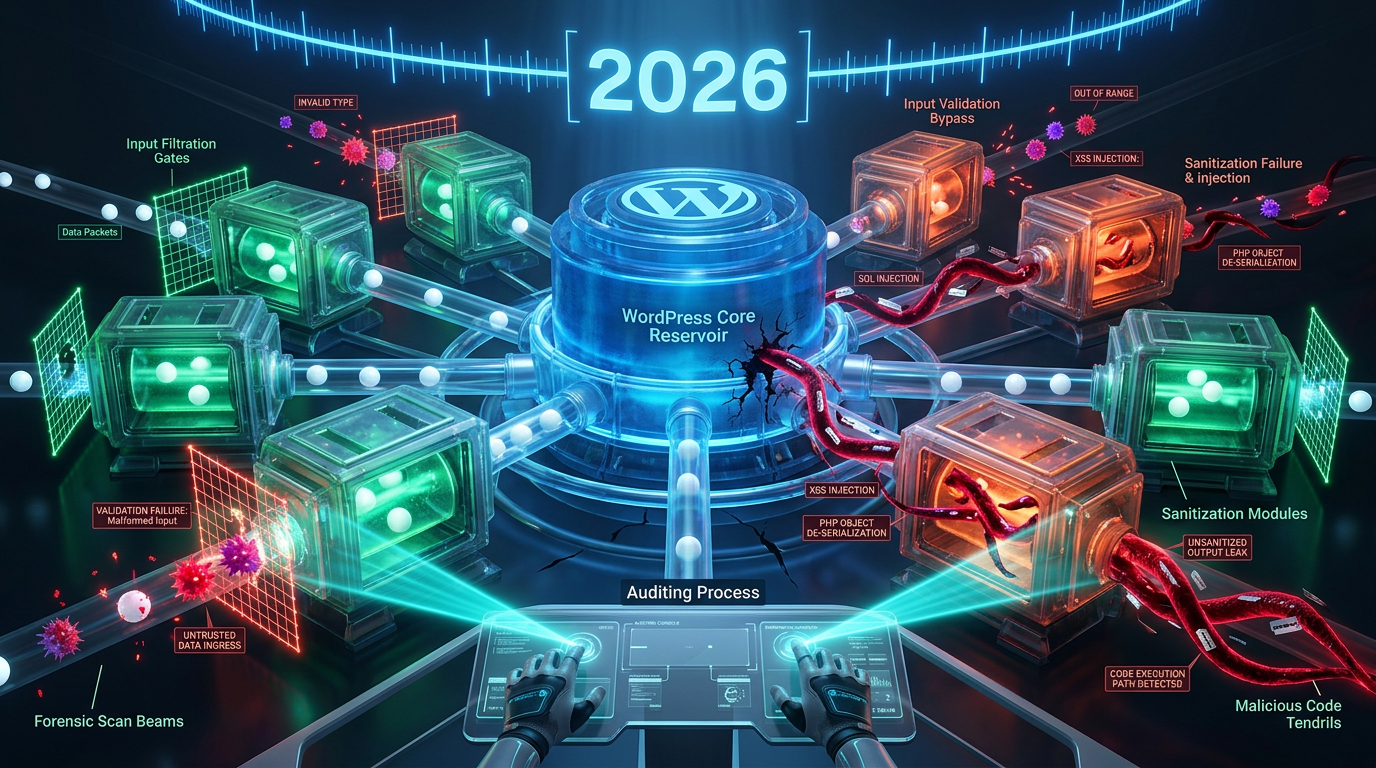
While WordPress digital asset management plugins offer immense benefits, it's crucial to approach their selection and implementation with due diligence. Like any third-party software, they can introduce potential risks that need to be mitigated. Understanding these risks and adhering to best practices is essential for a secure and high-performing WordPress environment in 2026.
Potential Risks Introduced by DAM Plugins
- Security Vulnerabilities: Poorly coded plugins can contain security flaws that hackers can exploit, leading to data breaches or website compromise. General security concerns are also addressed in Browser Fingerprinting & Privacy Risks in WordPress Plugins.
- Performance Issues: Overly complex or inefficient plugins can burden server resources, slowing down your website.
- Compatibility Problems: Conflicts with other plugins or themes can cause unexpected errors or break functionality.
- Outdated Code: Plugins that are not regularly updated leave your site vulnerable to new threats and may become incompatible with newer WordPress versions.
- Excessive Permissions: Plugins requesting unnecessary file system or database permissions can be a security risk if compromised.
- Third-Party Dependencies: Relying on external services or libraries within a plugin can introduce additional points of failure or security concerns. For more on this, investigate WordPress Plugins as Modulators of Your Site's Digital Microbiome.
Best Practices for Plugin Selection and Management
- Research Thoroughly: Before installation, read reviews, check the developer's reputation, and verify the plugin's update history and support.
- Security Audits: If possible, opt for plugins that have undergone independent security audits.
- Minimize Bloat: Choose plugins that offer exactly what you need without excessive, unused features.
- Regular Updates: Always keep your plugins, themes, and WordPress core updated to the latest versions to patch vulnerabilities.
- Staging Environment: Test new plugins or major updates in a staging environment before deploying them to your live site.
- Backup Regularly: Maintain robust backup strategies for your entire WordPress installation, including your media library and database. This is a key aspect of Digital Resilience & Disaster Recovery in WordPress.
- Permissions Review: Understand the permissions a plugin requests and question any that seem excessive for its stated functionality.
- Monitor Performance: Use performance monitoring tools to identify if a new plugin is negatively impacting your site speed.
The Future of Digital Asset Management in WordPress
The landscape of WordPress digital asset management is continuously evolving. We can anticipate even greater integration with AI, offering more intelligent tagging, content recommendations, and automated optimization. For instance, In-Browser AI for Real-time Content Augmentation is a growing trend. The focus on media provenance will undoubtedly deepen, with more sophisticated tracking and verification mechanisms becoming standard.
Furthermore, as virtual and augmented reality content becomes more prevalent, DAM plugins will need to adapt to manage new file types and interactive experiences effectively. The emphasis will remain on creating seamless workflows, ensuring robust security, and empowering content creators to manage their digital assets with unparalleled efficiency and confidence, shaping a more organized and trustworthy digital future in 2026 and beyond. To understand broader web standards and security, refer to the W3C Standards or the ISO Standards for Information Security.
Frequently Asked Questions

Written by Aras Akıncılar
Uzun yıllara dayanan WordPress deneyimine sahip bir siber güvenlik uzmanı olarak, eklenti ekosisteminin derinlemesine analizine odaklanıyorum. Güvenlik açıkları, performans düşüşleri ve uyumluluk sorunları üzerine hazırladığım makalelerle, WordPress kullanıcılarının sitelerini daha güvenli ve verimli hale getirmelerine yardımcı olmayı hedefliyorum.