WordPress Environmental Footprint: Plugins & Sustainability
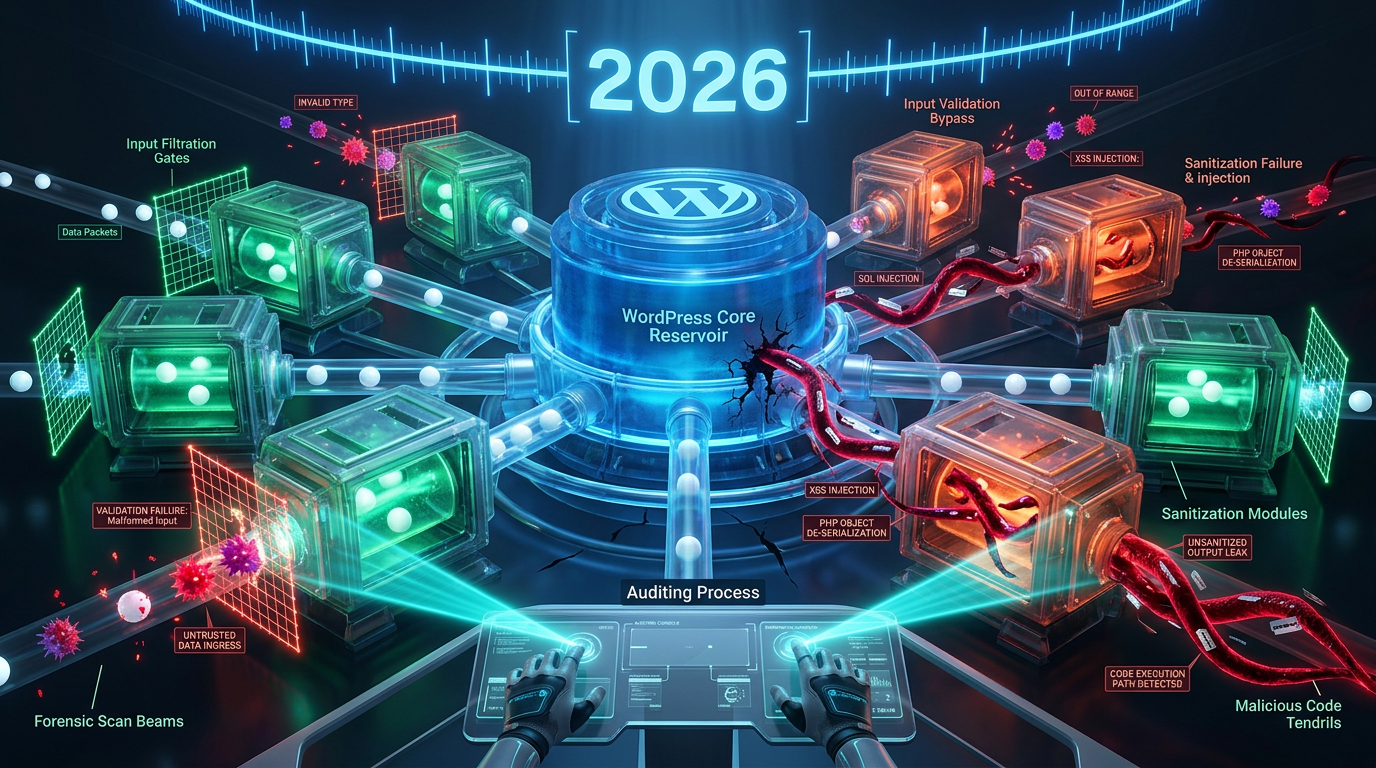
In 2026, as digital sustainability gains increasing traction, understanding the WordPress environmental footprint of your website is more crucial than ever. Every byte of data transferred, every server spun up, and every line of code executed contributes in some way to energy consumption and, consequently, carbon emissions. This article delves into the often-overlooked environmental impact of WordPress plugins, particularly those designed to raise climate awareness, and provides insights into minimizing your digital footprint.
For a broader perspective on the often-hidden costs of digital infrastructure, consider this insightful piece on Unmasking Digital Pollution from WordPress Plugins in 2026.
Understanding the WordPress Environmental Footprint of Plugins
The concept of a digital carbon footprint often seems abstract, but for WordPress websites, it translates directly to server energy usage. Each plugin you install adds to the complexity and demands of your site, potentially increasing the processing power and storage required. This directly contributes to the overall WordPress environmental footprint.
While some plugins are lightweight and efficient, others can be resource-intensive, pulling in numerous external scripts, making frequent database queries, or performing complex calculations. Even seemingly innocuous plugins, if poorly coded or excessive in number, can significantly balloon your server's energy demands. For more on how plugins can impact resource allocation, explore The Silent Auctioneers: Unmasking WordPress Plugins Bidding for Server Resources (2026).
How Plugins Contribute to Your Digital Carbon Footprint
- Increased server load: Complex plugins require more CPU and RAM, leading to higher energy consumption by the server.
- Database queries: Frequent and inefficient database interactions can tax server resources.
- External API calls: Calling external services adds to data transfer and processing, both on your server and the remote server. Consult The Silent Diplomats: How WordPress Plugins Negotiate with External APIs & Their Security Implications in 2026 for related security concerns.
- Bloated code: Poorly optimized or excessive code increases the data that needs to be downloaded by visitors, consuming more energy on their devices and during transit.
- Image and media processing: Plugins that handle images or videos can be particularly resource-intensive if not well-optimized.
The Hidden Costs of Inefficient Code
Beyond the immediate server impact, inefficient code within plugins can lead to cascading environmental effects. Slower loading times mean users might leave sooner, but it also means more retries or longer sessions for some, consuming more network energy. Furthermore, frequently updated, poorly coded plugins can lead to more frequent server maintenance and upgrades, indirectly adding to the WordPress environmental footprint. This ties into broader discussions about How WordPress Plugins Transform Code Quality & Future-Proof Your Site in 2026.
Evaluating Climate-Aware Plugins and Their Own Impact on Your WordPress Environmental Footprint
It's an interesting paradox: plugins designed to promote environmental awareness can, if not developed conscientiously, inadvertently contribute to the very problem they aim to solve. When selecting "green" or climate-aware plugins for your WordPress site, it's crucial to assess their own digital footprint and not just their messaging.
Think about plugins that display CO2 calculators, carbon emission estimates, or integrate with environmental data APIs. While their purpose is admirable, their implementation must be efficient. Are they caching data effectively? Are they making constant, resource-heavy calls to external services? Answering these questions is key to ensuring their genuine contribution to sustainability and reducing your overall WordPress environmental footprint.
Common Pitfalls in Climate-Aware Plugin Development
- Excessive API requests: Making too many real-time calls to external environmental data sources can be resource-intensive.
- Lack of data caching: Not caching recurring data means every visitor triggers new calculations and data retrieval.
- Client-side processing: Over-reliance on JavaScript for complex calculations can impact user device energy consumption.
- Large asset files: Including extensive libraries or heavy visuals without optimization can add significant page weight.
Security Vulnerabilities and Performance Issues Affecting WordPress Environmental Footprint
One critical aspect where plugins can inadvertently harm both your website's integrity and its environmental standing is through security vulnerabilities and performance issues. An insecure plugin is not only a gateway for potential cyberattacks but can also lead to resource-draining activities from malicious actors. Similarly, a poorly performing plugin forces your server to work harder, directly elevating its WordPress environmental footprint.
Outdated code, insecure configurations, and excessive permissions are common threats. For example, a plugin with a known vulnerability that handles large datasets could be exploited to launch DDoS attacks, consuming immense server resources and energy. This highlights the importance of thorough plugin evaluation, not just for function, but for its hidden costs to performance and security, which in turn impact the environment. Understanding The Silent Gatekeepers: Unmasking Excessive Permissions in WordPress Plugins (2026) is crucial here.
Protecting Your Site and the Planet Through Secure Plugin Practices
- Regular updates: Keep all plugins updated to the latest versions to patch security vulnerabilities and improve efficiency.
- Choose reputable developers: Opt for plugins from well-known and trusted developers with a track record of secure coding.
- Minimize plugin count: Only install plugins that are truly essential for your website's functionality.
- Security audits: Regularly audit your website for vulnerabilities, including those introduced by plugins.
- Performance monitoring: Use tools to monitor your website's performance and identify resource-hogging plugins.
Best Practices for a Greener WordPress Site in 2026
Minimizing your WordPress environmental footprint in 2026 requires a holistic approach, starting with your hosting and extending to every component of your website, especially plugins. By making conscious choices, you can significantly reduce the energy consumption associated with your online presence.
Beyond just selecting efficient plugins, consider the broader context of your website's design and operation. Every decision, from image compression to caching strategies, plays a role in fostering a more sustainable digital ecosystem. Implementing these best practices not only benefits the environment but also often leads to a faster, more secure, and cost-effective website.
Optimizing Your WordPress Website for Reduced Environmental Impact
- Sustainable Hosting: Choose a web host powered by renewable energy. This is arguably the biggest single step you can take. You can find resources and rankings for green web hosts on sites like The Green Web Foundation.
- Efficient Theme: Select a lightweight and well-coded WordPress theme that doesn't rely on excessive scripts or functionalities.
- Image Optimization: Compress and properly size all images to reduce bandwidth and load times. Use formats like WebP.
- Caching Mechanisms: Implement robust caching for pages, objects, and browser assets to reduce server load and data transfer.
- CDN (Content Delivery Network): Utilize a CDN to serve content from servers geographically closer to your users, reducing latency and energy usage.
- Database Optimization: Regularly clean and optimize your WordPress database to remove unnecessary data and improve query efficiency.
- Minimalist Design: Embrace a clean, efficient design that avoids unnecessary animations, large videos, or complex interactive elements.
- Plugin Pruning: Regularly review and remove any inactive or unnecessary plugins. Every installed plugin adds overhead.
- Lazy Loading: Implement lazy loading for images and videos so they only load when they enter the user's viewport.
The Future of WordPress and Digital Sustainability in 2026
As we navigate 2026, the conversation around digital sustainability is only growing louder. The open-source community, including WordPress developers, is increasingly recognizing their role in mitigating climate change. We can expect to see more robust tools and best practices emerging to help users understand and reduce their WordPress environmental footprint.
From core WordPress optimizations to more detailed plugin performance metrics that include energy consumption estimates, the future promises a more transparent and actionable path towards greener websites. By staying informed and adopting these sustainable practices, website owners can be part of the solution, ensuring their digital presence aligns with their environmental values. For further reading on website energy consumption, a reputable source like the Website Carbon Calculator offers tools and insights into this topic.
Frequently Asked Questions

Written by Aras Akıncılar
Uzun yıllara dayanan WordPress deneyimine sahip bir siber güvenlik uzmanı olarak, eklenti ekosisteminin derinlemesine analizine odaklanıyorum. Güvenlik açıkları, performans düşüşleri ve uyumluluk sorunları üzerine hazırladığım makalelerle, WordPress kullanıcılarının sitelerini daha güvenli ve verimli hale getirmelerine yardımcı olmayı hedefliyorum.