WordPress Infrastructure Mapping: Unmasking Your Digital Topography
In the complex digital landscape of 2026, understanding your website's underlying architecture is a fundamental necessity. This is especially true for WordPress, where numerous plugins can introduce unforeseen complexities. This article delves into the critical concept of WordPress infrastructure mapping, exploring how it helps visualize and understand the intricate relationships between various components—from core files to plugins and themes. It plays a crucial role in maintaining a secure, stable, and high-performing website. Specifically, we will focus on how infrastructure mapping techniques can be applied to evaluate and manage WordPress plugins effectively. To learn more about how plugins handle data, consider reading The Silent Mnemologists: Unmasking Digital Forgetting & Data Minimization in WordPress Plugins (2026).
Understanding WordPress Infrastructure Mapping: Why It Matters
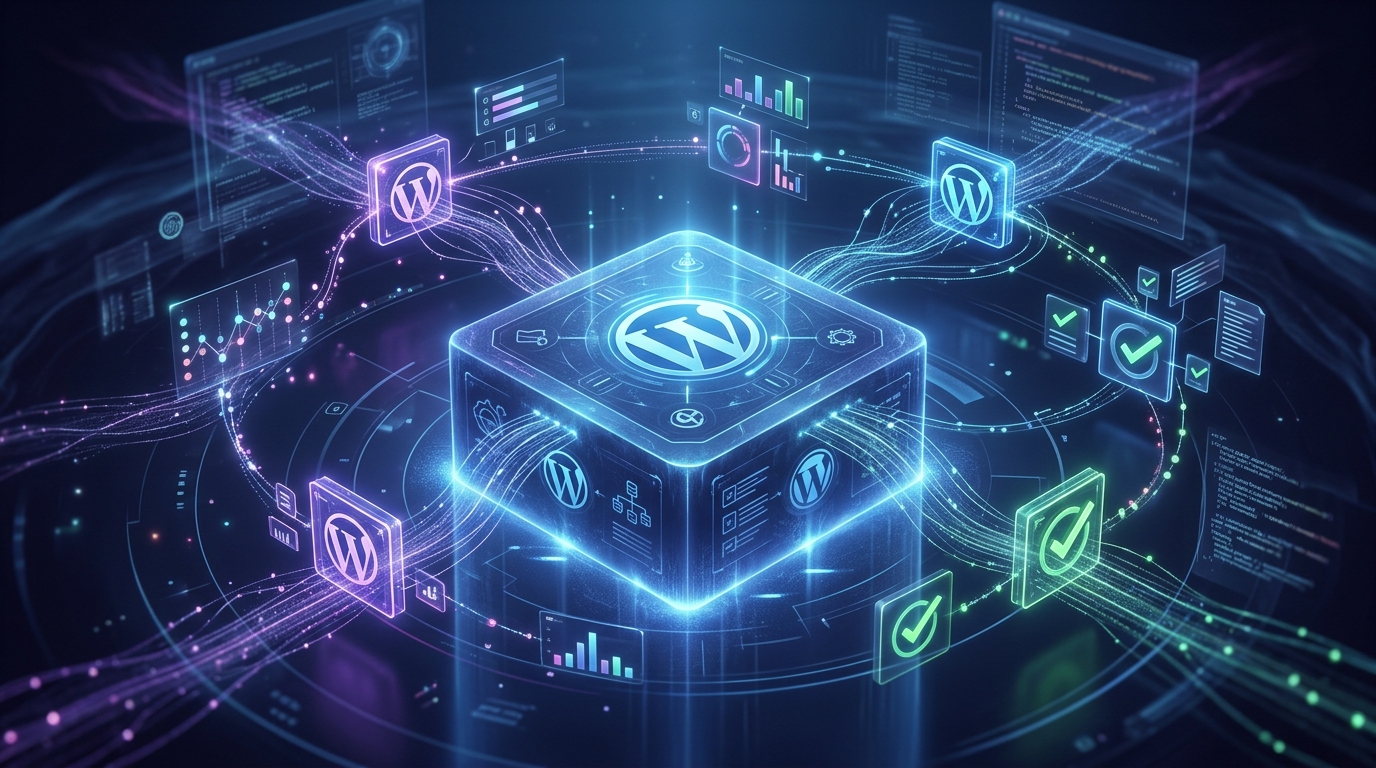
WordPress infrastructure mapping is the process of creating a visual or logical representation of your WordPress site's internal structure and its external dependencies. It's like creating a blueprint of your digital home. This mapping encompasses everything from the server environment, database connections, and core WordPress files to the intricate web of plugins, themes, and third-party integrations.
The sheer number of available plugins offers incredible functionality but also presents significant challenges. Without a clear map, identifying performance bottlenecks, security vulnerabilities, or compatibility issues becomes a painstaking, often reactive, process. Proactive infrastructure mapping, therefore, allows for better planning, troubleshooting, and overall site management. For insights into related security concerns, explore topics like digital identity and authentication risks.
The Dynamic Nature of WordPress Ecosystems
WordPress environments are rarely static. Plugins are updated, new features are added, and dependencies evolve. This constant flux makes continuous infrastructure mapping essential. Regular mapping ensures your understanding of the website's architecture remains accurate and up-to-date, reflecting the current state of its digital topography. Consider these benefits of effective WordPress infrastructure mapping:
- Visualizing Dependencies: Clearly see which plugin relies on which core function or other plugins.
- Identifying Bottlenecks: Pinpoint areas where resource contention or inefficient code might be slowing down your site.
- Enhancing Security Posture: Understand attack surfaces introduced by various components.
- Streamlining Troubleshooting: Quickly diagnose issues by tracing their probable origin within the mapped infrastructure.
Common Plugin-Related Threats and Mapping Solutions
WordPress plugins, while powerful, are also a primary source of common threats. These include outdated code, insecure configurations, excessive permissions, and problematic third-party dependencies. Effective WordPress infrastructure mapping can act as an early warning system, helping to mitigate these risks before they escalate. Learn more about navigating WordPress plugin support for threat mitigation.
Many threats stem from a lack of transparency regarding what a plugin actually does and how it interacts with the rest of the system. Without proper infrastructure mapping, these silent threats can go unnoticed for extended periods, leading to significant compromises.
Outdated Code and Vulnerabilities
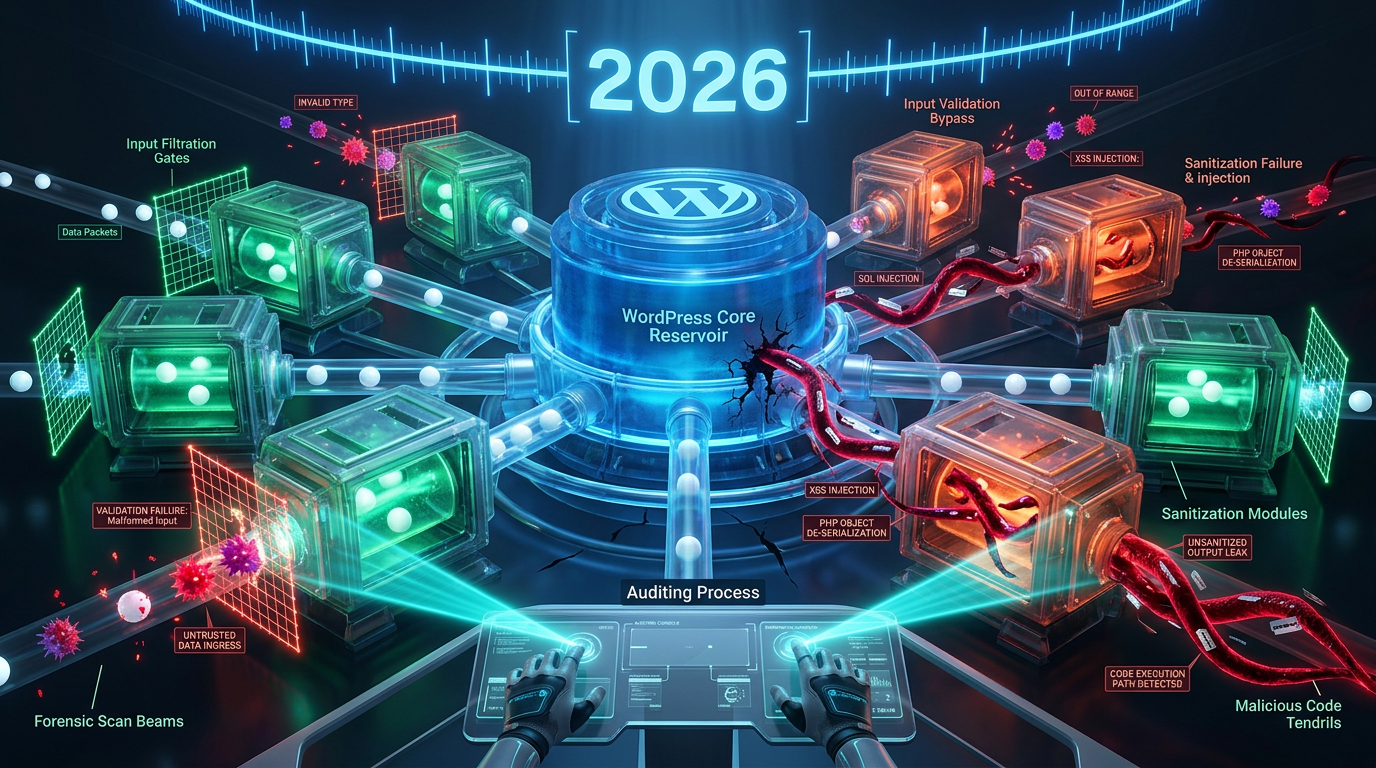
Plugins with outdated code pose a major security risk. Infrastructure mapping helps identify which plugins haven't been updated recently or are known to have unpatched vulnerabilities. By integrating with vulnerability databases, mapping tools can highlight potential weak points in your infrastructure.
Insecure Configurations and Excessive Permissions
Some plugins, especially when not configured correctly, might grant themselves or third-party services excessive permissions, creating backdoors for attackers. A detailed infrastructure map illuminates these permissions, allowing administrators to review and restrict them where necessary. This is a critical aspect of understanding your WordPress security posture through mapping. For an in-depth look at enhancing plugin security, read about leveraging micro-virtualization and sandboxing for enhanced security in WordPress plugins.
Third-Party Dependencies and Supply Chain Risks
Modern plugins often rely on numerous third-party libraries and APIs. Each dependency introduces new potential vulnerabilities, expanding the overall attack surface. Therefore, infrastructure mapping helps visualize these dependencies, allowing you to assess the risk associated with each external component. This visibility is crucial in an era of increasing supply chain attacks. You can explore more on this topic by understanding supply chain attacks and Software Bill of Materials (SBOM) in WordPress plugins.
Tools and Techniques for Effective WordPress Infrastructure Mapping
While no single "magic bullet" plugin exists for fully automated comprehensive WordPress infrastructure mapping, a combination of tools and manual processes can achieve excellent results. The primary goal is to build a clear picture of your site's architecture.
Leveraging both automated scanning tools and manual analysis is key. Automated tools can quickly gather surface-level information, while manual review provides deeper insights into specific plugin behaviors and configurations. For further reading on plugin development best practices, consider resources like WordPress Developer Handbook for Plugins.
Database Schema Analysis
Understanding how plugins interact with your WordPress database is crucial. Tools that visualize database schema changes introduced by plugins, table relationships, and data flow can provide invaluable insights into a plugin's footprint. This helps identify resource-intensive queries or potentially misused data structures.
File System Scanners and Code Analyzers
Regularly scanning your WordPress file system reveals unexpected files, modified core files, or outdated plugin versions. Furthermore, static code analysis tools examine plugin code for security flaws, bad practices, and potential performance hogs, significantly contributing to your infrastructure mapping efforts.
Network Traffic Monitoring and API Call Tracing
Monitoring outgoing network requests from your WordPress site helps identify which plugins are communicating with external services. Tracing API calls reveals what data is being sent, to whom, and for what purpose, highlighting potential privacy concerns or unauthorized data transfers. This reveals the "out-of-bound" aspects of your WordPress infrastructure. For detailed API security concerns, refer to auditing WordPress plugins for API keys, secrets & external service exposure.
Documentation and Manual Inspection
Beyond automated tools, maintaining thorough documentation of each plugin's purpose, configuration, and known issues is vital. Manually inspecting plugin code (if feasible and within your expertise) can uncover hidden functionalities or dependencies not evident through automated scans. This human element remains indispensable for accurate WordPress infrastructure mapping in 2026.
Best Practices for Maintaining a Mapped WordPress Environment
Once you've begun the process of WordPress infrastructure mapping, the next step is to maintain that map and integrate it into your regular site management routines. This ensures your understanding of the website's topography remains current and actionable.
A well-maintained mapped environment isn't just about security; it's about optimizing performance, ensuring stability, and simplifying future development or migration projects. Understanding WordPress site architecture can further aid in this process.
Regular Audits and Reviews
Schedule periodic audits of your entire WordPress infrastructure. This includes reviewing your mapped components, checking for new plugins or themes, and re-evaluating the necessity of existing ones. Always remove any plugins that are no longer actively used or maintained, as these are prime targets for attackers.
Version Control for Configurations
Use version control for your WordPress configuration files (e.g., wp-config.php) and other critical settings. This allows you to track changes, revert to previous stable states if issues arise, and see precisely what modifications plugins introduce over time. Integrating configuration management into your WordPress infrastructure mapping ensures historical traceability.
Sandbox Testing Environments
Before deploying any new plugin or significant update to your live site, test it thoroughly in a staging or development environment. This allows you to observe its impact on performance, compatibility, and security within a controlled setting, effectively mapping its behavior before it affects your production site.
Knowledge Sharing and Documentation
Ensure all team members involved in managing the WordPress site are aware of and contribute to the infrastructure mapping efforts. Clearly document plugin functionalities, interdependencies, and any custom code. This shared understanding is critical, especially as team members or plugin developers change.
The Future of WordPress Infrastructure Mapping in 2026
As WordPress continues to evolve and AI/machine learning become more integrated into web development, the methods and tools for WordPress infrastructure mapping are also set for significant advancements in 2026. We anticipate more sophisticated, AI-driven tools that can automatically detect granular dependencies, predict compatibility issues, and even suggest optimizations.
The drive towards more transparent and robust security practices will push the development of plugins specifically designed to report their internal workings and dependencies, making infrastructure mapping an inherent part of their design. Furthermore, deeper integrations with cloud providers will allow for a more holistic view of the entire hosting environment alongside the WordPress application layer.
In conclusion, while WordPress infrastructure mapping might seem like an arduous task, its benefits in terms of security, performance, and maintainability are undeniable. By embracing the principles and techniques outlined, WordPress administrators and developers can navigate the complex plugin ecosystem with greater confidence, ensuring their websites remain robust and secure well into 2026 and beyond.
Frequently Asked Questions

Written by Aras Akıncılar
Uzun yıllara dayanan WordPress deneyimine sahip bir siber güvenlik uzmanı olarak, eklenti ekosisteminin derinlemesine analizine odaklanıyorum. Güvenlik açıkları, performans düşüşleri ve uyumluluk sorunları üzerine hazırladığım makalelerle, WordPress kullanıcılarının sitelerini daha güvenli ve verimli hale getirmelerine yardımcı olmayı hedefliyorum.