The Silent Storytellers: Unmasking WordPress Plugins as Micro-CMSs & Their Security Footprint in 2026
In the evolving digital landscape of 2026, understanding the nuances of WordPress micro-CMS security has become more critical than ever. While WordPress itself is a robust content management system, its extensible nature, primarily through plugins, often introduces complexities that can inadvertently transform these small components into "micro-CMSs" in their own right. This blog post delves into the often-overlooked security implications of WordPress plugins, treating them as individual content management units that process, store, and display information, thus carrying their own unique set of vulnerabilities and best practices.
For a deeper dive into the specific risks associated with critical functionalities, explore our articles on digital sovereignty & data transfer risks and authentication risks in WordPress plugins.
The Rise of Micro-CMS Functionality in WordPress Plugins and WordPress Micro-CMS Security
WordPress plugins, initially designed to add specific features, have increasingly evolved into comprehensive tools offering their own content management functionalities. From e-commerce storefronts to sophisticated event management systems, many plugins now possess databases, user interfaces, template systems, and even API endpoints. This evolution blurs the line between a simple extension and a full-fledged content management system, albeit on a smaller scale.
This "micro-CMS" phenomenon, while empowering users with incredible flexibility, simultaneously expands the attack surface for websites. Each plugin, with its independent development cycle and often distinct security paradigms, presents a potential entry point for malicious actors. Therefore, a proactive approach to WordPress micro-CMS security is paramount. Understanding how plugins handle sensitive user interaction is also crucial, as detailed in Unmasking Embedded Analytics & User Tracking in WordPress Plugins.
What Defines a Plugin as a Micro-CMS?
- Independent Data Storage: Plugins often create their own custom database tables or leverage existing ones for specific content (e.g., product data, forum posts, custom form submissions).
- Backend/Frontend UI: Many plugins offer their own administrative interfaces for content creation, editing, and management, alongside frontend displays for users.
- User Interaction: Beyond simple display, these plugins often handle user input, registration, and interaction, making them active content processors.
- Template Systems: Some advanced plugins come with their own theme integration or template files, dictating how their specific content is presented.
The Implications for Overall WordPress Security
The decentralization of content management through plugins means that the overall security posture is no longer solely dependent on the core WordPress installation. Instead, it's a composite of the core, the theme, and every active plugin. Neglecting the security of even one such "micro-CMS" can compromise the entire site, making a holistic view of WordPress micro-CMS security essential in 2026.
Common Plugin-Related Security Threats in 2026
The year 2026 sees a continuation of sophisticated threats targeting WordPress, with plugins remaining a primary vector. Understanding these common vulnerabilities is the first step towards bolstering WordPress micro-CMS security.
Outdated Code and Lack of Maintenance
One of the most persistent threats stems from plugins that are no longer actively maintained or haven't been updated in a significant amount of time. Attackers often target known vulnerabilities in older versions, exploiting flaws that have long been patched in other software. This is a critical factor for WordPress micro-CMS security, as an unmaintained plugin is a ticking time bomb.
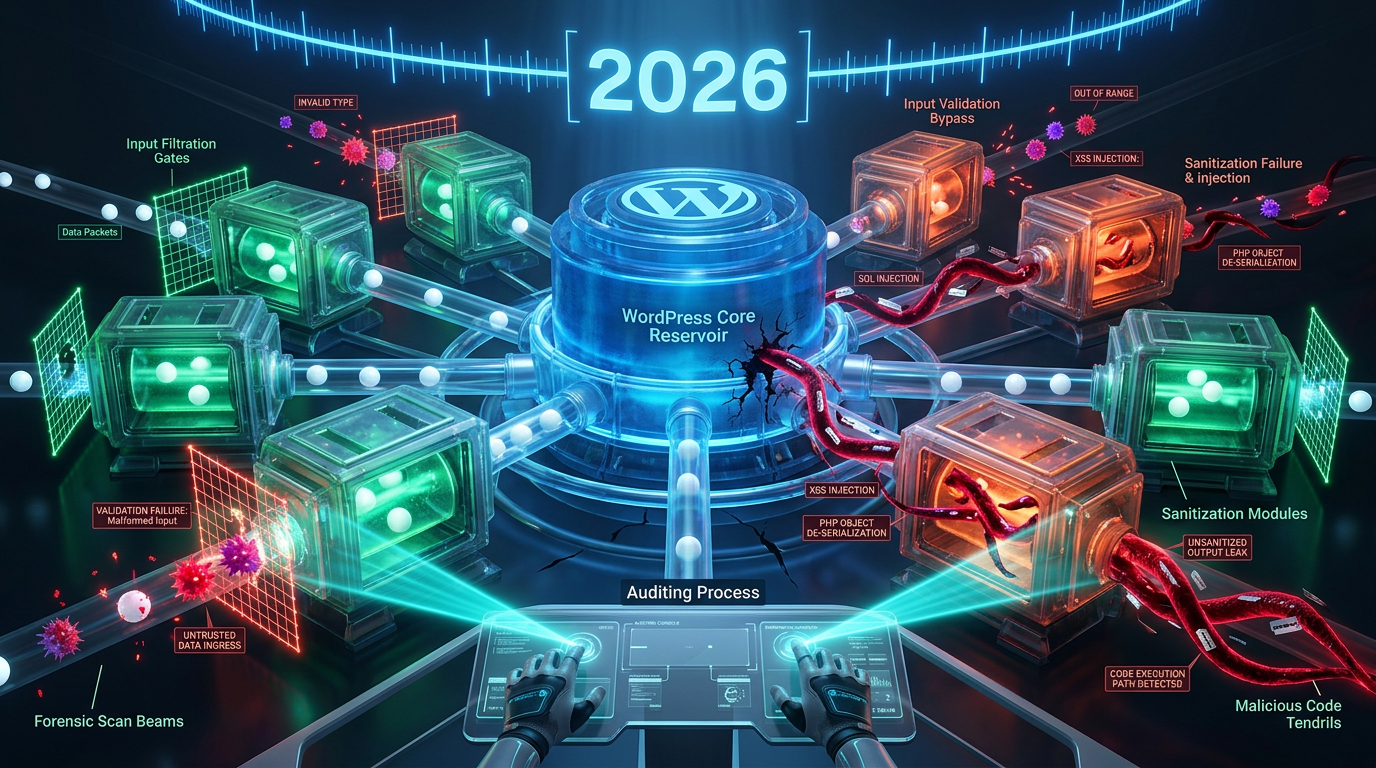
- Unpatched Vulnerabilities: Older code bases may contain known security bugs (e.g., XSS, SQL Injection, RCE) that have public exploits. For insights on preventing these, refer to Unmasking Injection Vulnerabilities in WordPress Plugin Hooks (2026).
- Compatibility Issues: Outdated plugins can experience conflicts with newer WordPress core versions or other plugins, leading to unexpected behaviors or security lapses.
- Lack of Modern Security Practices: Older plugins might not adhere to current secure coding standards, leaving them susceptible to newer attack techniques.
Insecure Configurations and Excessive Permissions
Many plugins, in an effort to provide maximum utility, often request broad permissions or come with default configurations that are not secure by design. Users, in their haste, often accept these defaults without realizing the potential security implications. This further complicates WordPress micro-CMS security, as misconfigurations are a common vulnerability.
For example, a plugin might request write access to critical WordPress directories when it only needs to write to its specific data folder, or it might expose an API endpoint without proper authentication. Overly permissive file permissions or lax settings can open doors for unauthorized access or code execution.
Third-Party Dependencies and Supply Chain Attacks
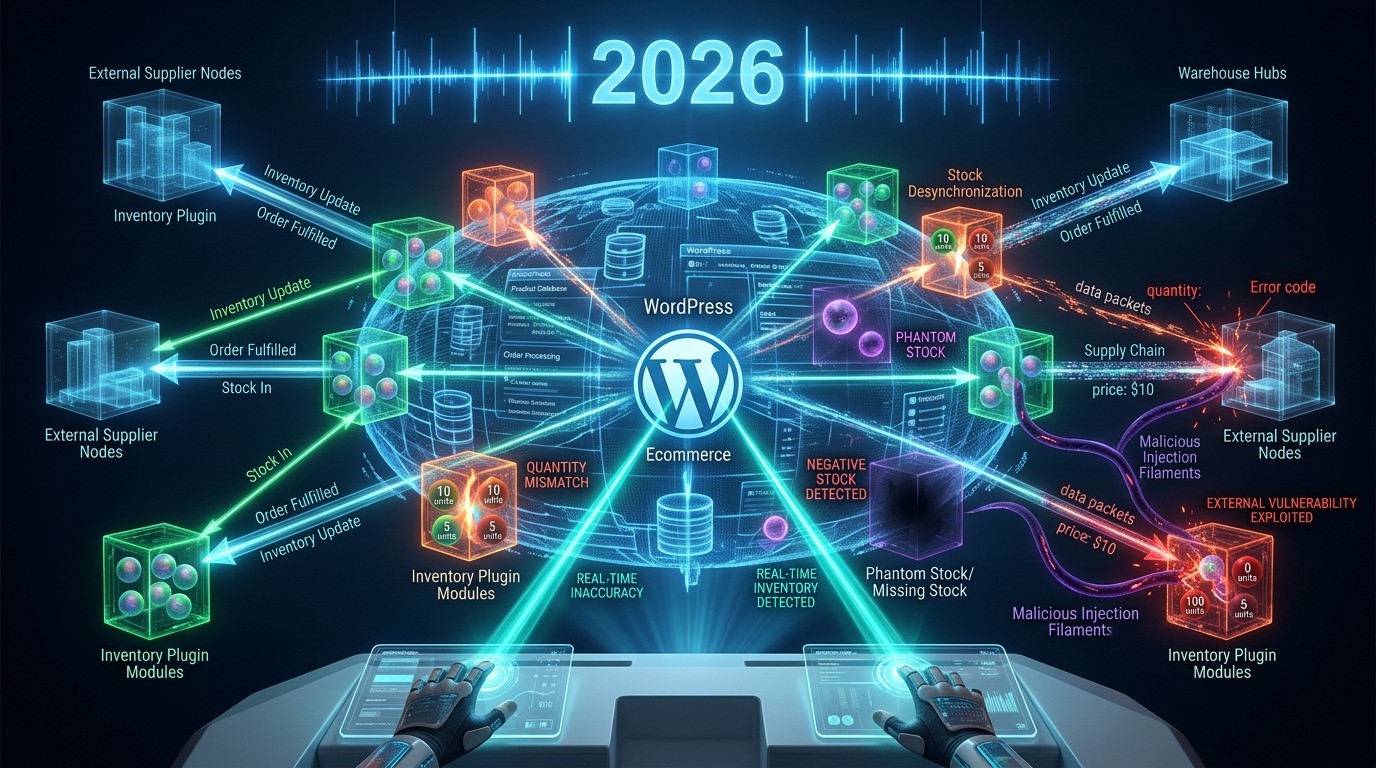
Modern plugins rarely exist in isolation. They often rely on third-party libraries, frameworks, or external APIs to deliver their functionality. This introduces a "supply chain" risk: if any of these external dependencies are compromised, the plugin (and by extension, your WordPress site) can become vulnerable. We observed a rise in such sophisticated supply chain attacks in 2025, a trend that continues into 2026.
Vigilance is required to ensure that all embedded or linked external components are secure. Developers need to regularly audit their dependencies, and website administrators should be aware of the security track record of the plugins they install, including their underlying technologies. More details on this can be found at Snyk's explanation of supply chain attacks.
Best Practices for Enhancing WordPress Micro-CMS Security
Securing your WordPress site in 2026 requires a multi-layered approach, with particular attention paid to the plugins that function as micro-CMSs. Implementing these best practices can significantly reduce your attack surface and protect your valuable data.
Rigorous Plugin Selection and Auditing
Before installing any plugin, conduct thorough research. This goes beyond just checking reviews; it involves looking at the developer's reputation, update frequency, and responses to security reports. Treat every new plugin as a potential new micro-CMS that needs to be vetted.
- Source from Reputable Directories: Prioritize plugins from the official WordPress Plugin Directory or well-known, trusted developers.
- Check Update Frequency: A frequently updated plugin indicates active development and a commitment to patching vulnerabilities. Look for updates within the last few months.
- Review Support Forums: Observe how developers respond to bug reports and security-related questions.
- Assess Permissions: Understand what permissions a plugin requests and whether they are genuinely necessary for its stated functionality.
- Security Audits (If Possible): For critical business sites, consider running security scanners or engaging experts to audit the plugin's code before deployment.
Implementing a Robust Update Strategy
Regularly updating WordPress core, themes, and especially plugins, is the simplest yet most effective security measure. Updates often contain critical security patches that address newly discovered vulnerabilities. Automate updates for minor versions where possible, but always test major plugin updates in a staging environment first. Comprehensive information on WordPress security practices is available from WordPress.org's guide to hardening WordPress.
Principle of Least Privilege
Ensure that plugins (and users) only have the minimum necessary permissions to perform their functions. Do not grant excessive file write permissions or database access beyond what is strictly required. Regularly review user roles and capabilities introduced by plugins.
Security Hardening Measures
Beyond plugin-specific checks, general WordPress hardening practices also contribute significantly to WordPress micro-CMS security. This includes strong password policies, limiting login attempts, using a Web Application Firewall (WAF), and regularly backing up your site. Consider services that offer real-time malware scanning and vulnerability detection.
Monitoring and Incident Response for Micro-CMS Security
Even with the best preventative measures, security incidents can occur. Establishing robust monitoring and an effective incident response plan is crucial for minimizing downtime and data loss related to WordPress micro-CMS security.
Continuous Security Monitoring
Implement security monitoring tools that track file changes, detect suspicious activity, and scan for known vulnerabilities. Many reputable WordPress security plugins offer these features. Regular scans can identify compromises introduced through a vulnerable micro-CMS plugin before they escalate.
- File Integrity Monitoring: Tools that alert you to unauthorized changes in core WordPress files or plugin directories.
- Malware Scanners: Regularly scan your site for malicious code, often embedded through compromised plugins.
- Security Logs: Monitor authentication attempts, administrative actions, and any unusual behavior within your WordPress dashboard.
Developing an Incident Response Plan
Knowing what to do when a breach occurs is as important as preventing it. Create a clear, step-by-step plan for responding to security incidents related to your WordPress site and its plugins. This plan should outline roles, communication protocols, and recovery procedures. If you're interested in the implications of digital decay on long-term data integrity, check out Quantum Legacy: Unmasking Digital Decay & Entropy in WordPress Plugins (2026).
If a specific plugin is identified as the source of a breach, immediately deactivate it, investigate its code (if possible), and patch or replace it. Restore your site from a clean backup taken before the compromise and ensure all passwords are reset.
Conclusion: Prioritizing WordPress Micro-CMS Security in 2026
As we navigate 2026, the discussion around WordPress security must evolve to explicitly acknowledge the "micro-CMS" nature of many plugins. These powerful extensions, while adding immense functionality, also introduce individual security footprints that demand meticulous attention. By understanding the common threats, adopting proactive security practices, and establishing robust monitoring and response protocols, site owners and developers can ensure a more secure and resilient WordPress ecosystem. Prioritizing WordPress micro-CMS security isn't just about protecting a single component; it's about safeguarding the entire digital presence and the trust of your users.
Frequently Asked Questions

Written by Aras Akıncılar
Uzun yıllara dayanan WordPress deneyimine sahip bir siber güvenlik uzmanı olarak, eklenti ekosisteminin derinlemesine analizine odaklanıyorum. Güvenlik açıkları, performans düşüşleri ve uyumluluk sorunları üzerine hazırladığım makalelerle, WordPress kullanıcılarının sitelerini daha güvenli ve verimli hale getirmelerine yardımcı olmayı hedefliyorum.