The Silent Conductors: How WordPress Microservices Plugins Dictate Your Site's Architecture in 2026
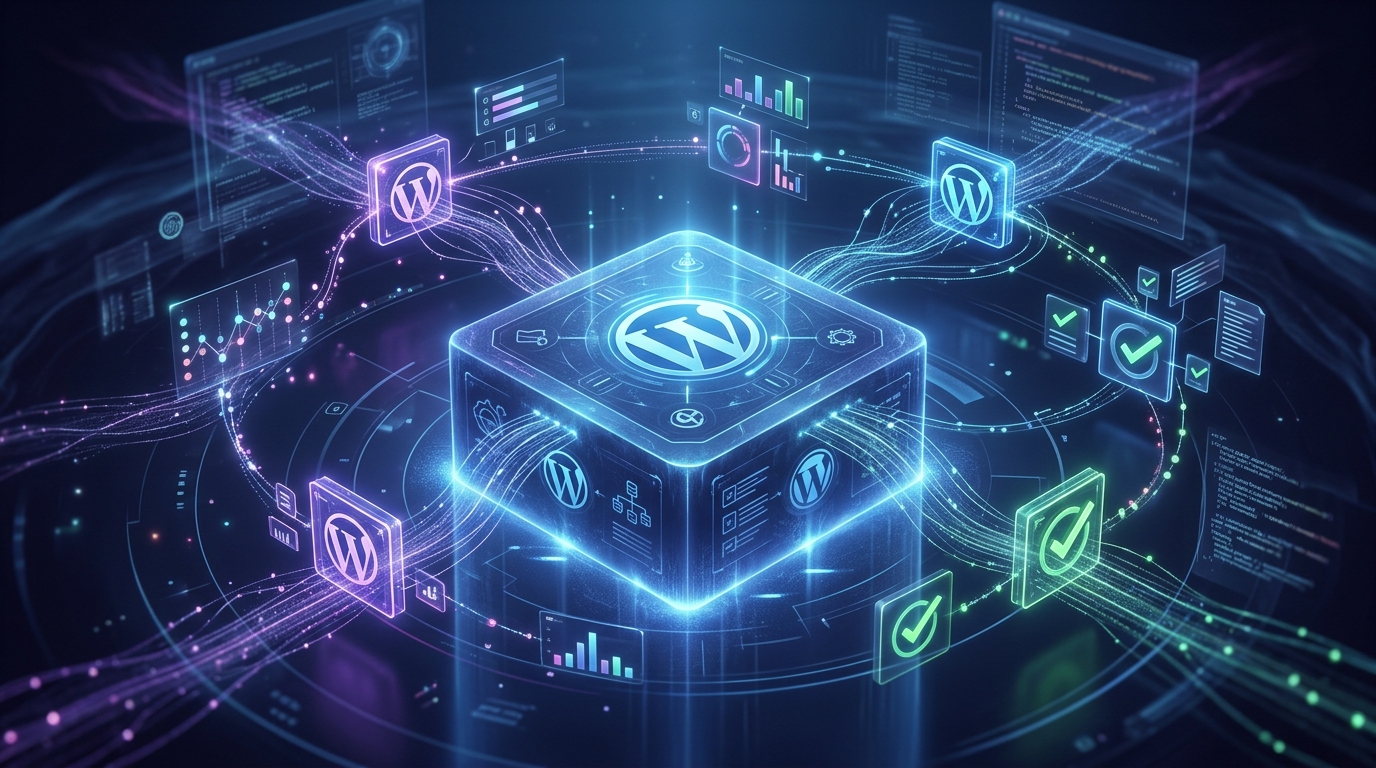
In the rapidly evolving digital landscape of 2026, the discussion around building scalable, robust web applications often circles back to microservices architecture. For WordPress users, this paradigm shift isn't just theoretical; it's increasingly being influenced by the choice and implementation of WordPress microservices plugins. These powerful additions can transform a monolithic WordPress installation into a more modular, resilient system, but they also introduce a complex interplay of functionalities, potential risks, and architectural considerations that demand careful scrutiny.
Understanding Microservices in the WordPress Ecosystem with WordPress Microservices Plugins
Traditionally, WordPress operates as a monolithic application, where all components – database, themes, plugins, and core files – are tightly coupled. While simple to deploy, this structure can lead to challenges in scalability, maintenance, and fault isolation, especially for large, high-traffic websites. Enter microservices, an architectural style that structures an application as a collection of loosely coupled, independently deployable services.
The application of microservices principles to WordPress involves breaking down specific functionalities – like user management, e-commerce transactions, content delivery, or advanced analytics – into separate services. These services can then communicate with the main WordPress instance via APIs. This approach allows developers to manage and scale individual components without affecting the entire system. In 2026, the trend towards specialized services continues to gain momentum, pushing the boundaries of what WordPress can achieve. For more insights into how plugins are transforming core functionalities, explore The Silent Alchemists: How WordPress Plugins Remold Cloud Deployment & Infrastructure-as-Code in 2026.
The Role of APIs in WordPress Microservices
APIs (Application Programming Interfaces) are the communication backbone of any microservices architecture. For WordPress, the REST API, introduced in later versions, has been a game-changer, enabling external applications and services to interact with WordPress data. WordPress microservices plugins often leverage or extend this API, providing secure and efficient endpoints for inter-service communication. Without robust API integration, the concept of decoupled services within WordPress would be significantly hampered. Further insights into API security can be found in The Silent Connectors: Auditing WordPress Plugins for API Keys, Secrets & External Service Exposure in 2026.
Decoupling Core WordPress Functionality
While a full rewrite of WordPress for microservices isn't practical or desirable for most, strategic decoupling of specific functionalities is a common practice. This might involve offloading search to a dedicated search service (like Elasticsearch), handling user authentication with an external identity provider, or managing e-commerce through a separate platform that integrates with WordPress for content. These architectural decisions are heavily influenced by the availability and capabilities of effective WordPress microservices plugins.
Key Benefits and Challenges of Using WordPress Microservices Plugins
Embracing a microservices approach with specialized plugins offers several advantages for WordPress users seeking advanced solutions.
- Enhanced Scalability: Individual services can be scaled independently, allowing resources to be allocated precisely where needed. This is crucial for high-traffic sites or those with fluctuating demands.
- Improved Resilience: The failure of one microservice does not necessarily bring down the entire application. Other services can continue to operate, leading to higher availability. For more on resilience, see The Silent Alchemists: How WordPress Plugins Remold Error Handling & Fault Tolerance in 2026.
- Greater Flexibility and Agility: Development teams can work on different services concurrently, using diverse technologies if appropriate. This speeds up development cycles and makes it easier to adopt new features.
- Easier Maintenance: Smaller, focused services are simpler to understand, debug, and maintain compared to a large, monolithic codebase.
However, the transition is not without its difficulties.
- Increased Complexity: Managing distributed systems introduces challenges like service discovery, distributed transactions, and data consistency across multiple databases.
- Operational Overhead: More services mean more deployments, more monitoring, and more infrastructure to manage. This requires robust DevOps practices.
- Potential Performance Issues: Inter-service communication via APIs can introduce latency if not optimized, impacting overall performance. Careful design of these WordPress microservices plugins is paramount to mitigate this.
- Security Concerns: Each service presents a new attack surface, requiring comprehensive security measures across the entire distributed architecture.
Evaluating WordPress Microservices Plugins: A Critical Review in 2026
As of 2026, the landscape of WordPress microservices plugins is burgeoning, offering solutions for various aspects of site functionality. However, not all plugins are created equal, and a thorough evaluation is crucial before integration. When reviewing and comparing different plugins, several key factors come into play:
Functionality and Scope
Does the plugin genuinely provide microservices capabilities, or is it simply a feature-rich extension? A true microservices plugin should facilitate the offloading of specific functionalities, communicate via well-defined APIs, and ideally be independently deployable or at least manage a separate service. Examples might include plugins that facilitate headless WordPress setups, integrate with external authentication services, or provide advanced caching mechanisms that interact with CDN services. The impact on rendering pipelines is also significant, as discussed in The Silent Weavers: Unmasking WordPress Plugins as Micro-Orchestrators of Advanced Rendering Pipelines in 2026.
Security Vulnerabilities and Best Practices
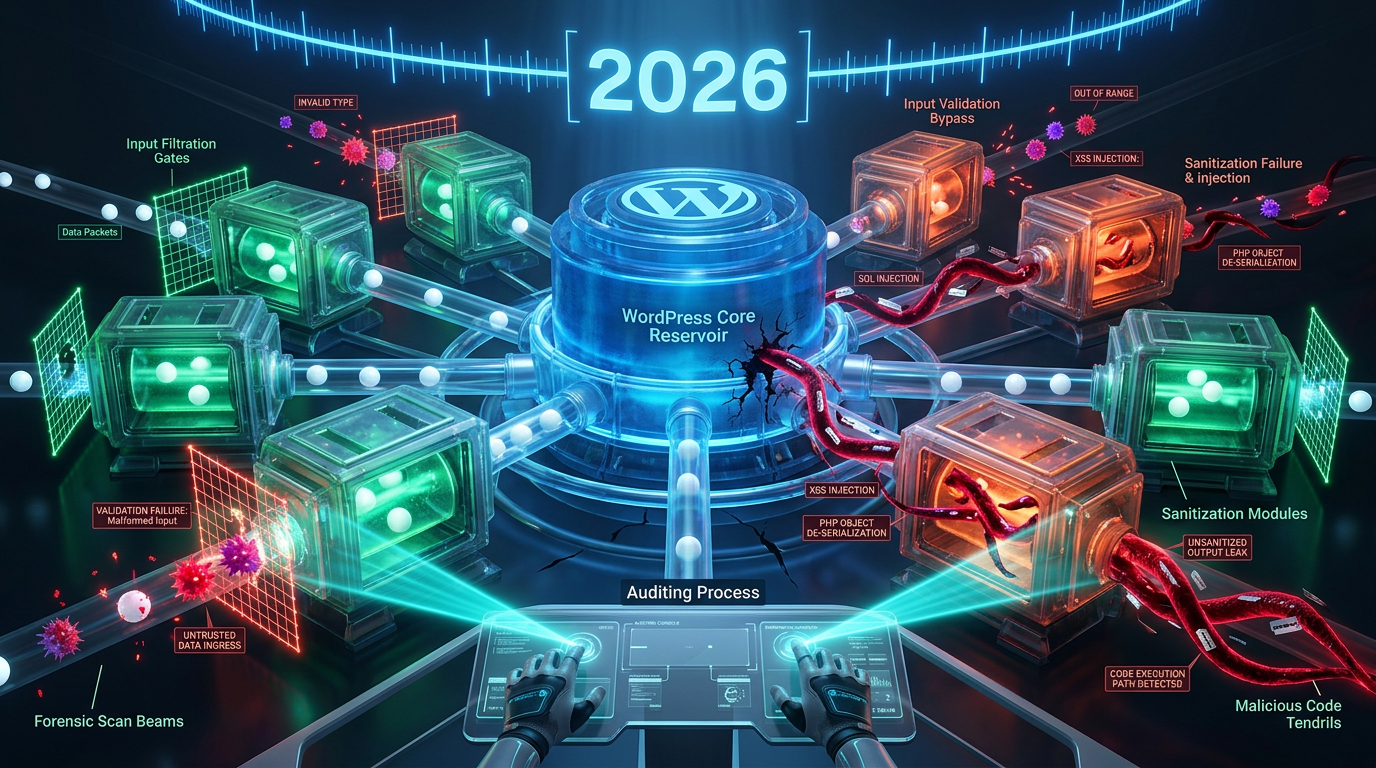
The number one concern when adding any plugin, especially those interacting with a microservices architecture, is security. Every plugin introduces potential risks:
- Outdated Code: Plugins with infrequent updates are a ticking time bomb. Vulnerabilities in outdated code can be exploited, compromising the entire system. Regular updates and developer support are vital.
- Insecure Configurations: Default configurations that are too permissive or expose sensitive information are a major red flag. Always review and harden plugin settings.
- Excessive Permissions: A plugin requesting more permissions than it demonstrably needs indicates poor security design and can be a vector for privilege escalation.
- Third-Party Dependencies: Many plugins rely on external libraries or services. Vulnerabilities in these dependencies can be inherited. Understanding the supply chain of a plugin is essential.
Always check for recent security audits, active development, and community reviews. In 2026, security is paramount, with frequent reports of widespread cyber threats against web applications. The WordPress Security Audit Log plugin is an external example of tools essential for monitoring changes and potential security issues.
Performance Impact
While microservices aim to improve overall scalability, poorly implemented plugins can degrade performance. Plugins that introduce excessive database queries, inefficient API calls, or bloat the front-end with unnecessary scripts can negate any performance gains from a microservices approach. Look for plugins designed for efficiency and with options for optimization. AI is also playing a role in this, as explored in The Silent Symbiotes: How WordPress Plugins Are Harnessing AI for Proactive Performance Optimization in 2026.
Compatibility and Support for WordPress Microservices Plugins
Compatibility with your current WordPress version, other plugins, and your hosting environment is non-negotiable. Microservices architecture, by its nature, demands careful integration between components. A plugin that causes conflicts or unexpected behavior can disrupt the entire distributed system. Furthermore, reliable developer support is crucial for troubleshooting issues and ensuring long-term viability.
Best Practices for Implementing WordPress Microservices Plugins in 2026
To harness the full power of microservices within WordPress while mitigating risks, certain best practices should be followed:
Strategic Selection and Modular Design
Don't just add a plugin because it's available. Carefully assess which functionalities genuinely benefit from being decoupled. Plan your microservices architecture first, then select WordPress microservices plugins that fit that design. Prioritize plugins that offer clear boundaries of responsibility and communicate via standard, secure APIs.
Rigorous Testing and Monitoring
Before deploying any microservices-related plugin to a production environment, conduct extensive testing. This includes functional tests, performance tests, and security audits. Set up robust monitoring for all services (including the WordPress core and integrated plugins) to detect anomalies, performance bottlenecks, and security incidents in real-time. This is even more critical in a distributed system where issues can be harder to trace. The Grafana monitoring platform is an excellent external tool for visualizing and analyzing data from such complex systems.
Regular Updates and Maintenance
Keep all WordPress core files, themes, and plugins – especially your WordPress microservices plugins – updated. This ensures you benefit from the latest features, performance improvements, and, critically, security patches. Establish a regular maintenance schedule that includes reviewing plugin configurations and dependencies.
Implement Strong Security Measures
Beyond choosing secure plugins, implement comprehensive security at the architectural level. This includes firewalls, intrusion detection/prevention systems (IDPS), regular vulnerability scanning, and secure API gateways. Ensure all inter-service communication is encrypted (HTTPS) and authenticated. Adopt the principle of least privilege for all services and user accounts. For general web application security guidelines, consult resources like the OWASP Top 10.
Documentation and Team Expertise
A distributed architecture is complex. Thorough documentation of your microservices, their interactions, and the role of each plugin is essential for maintainability and onboarding new team members. Ensure your development and operations teams have the expertise to manage and troubleshoot a microservices-based WordPress setup effectively.
The Future of WordPress Microservices in 2026 and Beyond
The drive towards more agile, scalable, and resilient web applications ensures that microservices architecture will continue to influence WordPress development in 2026 and beyond. As WordPress itself evolves, offering better API capabilities and developer tools, the ecosystem of microservices-focused plugins will also mature. We can expect even more sophisticated tools that simplify service orchestration, data consistency across distributed systems, and enhanced security for decoupled WordPress components.
The silent conductors – these crucial WordPress microservices plugins – are indeed dictating a significant part of your site's architecture. Choosing them wisely, implementing them securely, and maintaining them diligently will be key to building a high-performance, future-proof WordPress website in this dynamic era.
Frequently Asked Questions

Written by Aras Akıncılar
Uzun yıllara dayanan WordPress deneyimine sahip bir siber güvenlik uzmanı olarak, eklenti ekosisteminin derinlemesine analizine odaklanıyorum. Güvenlik açıkları, performans düşüşleri ve uyumluluk sorunları üzerine hazırladığım makalelerle, WordPress kullanıcılarının sitelerini daha güvenli ve verimli hale getirmelerine yardımcı olmayı hedefliyorum.