The Silent Conductors: Unmasking WordPress Plugins Dictating Web Accessibility & Inclusive Design in 2026
In the evolving digital landscape of 2026, creating an inclusive online experience is no longer optional; it’s a fundamental requirement. For the millions of websites powered by WordPress, achieving this often hinges on the judicious selection and implementation of a robust WordPress plugin accessibility solution. These plugins act as silent conductors, orchestrating the features and functionalities that allow individuals with diverse abilities to navigate, understand, and interact with web content seamlessly. As we delve into the intricate world of WordPress plugins, we’ll explore how they facilitate accessibility, the critical factors to consider when choosing them, and the potential pitfalls that can arise from their misuse.
Understanding the Imperative: Why WordPress Plugin Accessibility Matters in 2026
The global push for digital inclusion is stronger than ever. Legal frameworks, user expectations, and ethical considerations all demand that websites be accessible to everyone. In 2026, accessibility standards are becoming more sophisticated, and non-compliance can lead to significant repercussions, from legal actions to reputational damage. A well-chosen WordPress plugin for accessibility can be a game-changer, breaking down barriers for users with visual, auditory, cognitive, and motor impairments.
Legal and Ethical Responsibilities
- Compliance with WCAG 2.2: Most jurisdictions globally are now adhering to or moving towards WCAG 2.2 guidelines. Plugins can assist in meeting these technical requirements, such as proper alternative text, keyboard navigation, and contrast ratios.
- Enhanced User Experience: Beyond legal mandates, accessibility improves the overall user experience for everyone, not just those with disabilities. Clear navigation, well-structured content, and thoughtful design benefit all visitors.
- Brand Reputation: Businesses that prioritize accessibility demonstrate a commitment to inclusivity, which significantly enhances their brand image and customer loyalty in an increasingly conscious market.
The Economic Impact of Inclusivity
Ignoring accessibility means alienating a significant portion of the online population. In 2026, the spending power of individuals with disabilities and their families represents a substantial market segment. Making your WordPress site accessible with a suitable WordPress plugin accessibility solution can unlock this potential, leading to increased traffic, conversions, and customer engagement.
- Wider Audience Reach: An accessible website expands your potential customer base, allowing more people to access your products, services, or information.
- Improved SEO: Many accessibility best practices, such as proper heading structure and image alt text, also contribute positively to search engine optimization, making your site more discoverable.
- Reduced Legal Risks: Proactive implementation of accessibility features through plugins can mitigate the risk of costly lawsuits and legal challenges.
Evaluating WordPress Plugin Accessibility Features and Functionality
Not all accessibility plugins are created equal. When selecting a WordPress plugin for design and accessibility, it’s crucial to look beyond basic claims and deeply evaluate their features, functionality, and how they truly integrate with your site. The goal is to provide genuine accessibility enhancements, not just superficial overlays.
Key Features to Look For
A comprehensive accessibility plugin should offer a suite of tools designed to address various types of impairments. Here are some critical functionalities to prioritize in 2026:
- Keyboard Navigation Enhancements: Ensuring all interactive elements can be accessed and operated via keyboard alone is fundamental. This includes tab order management and focus indicators.
- Content Adjustments: Features like font size adjustments, contrast settings, dyslexia-friendly fonts, and content highlighting can significantly improve readability for many users.
- Screen Reader Optimization: Proper semantic HTML, ARIA attributes, and Skip Links are vital for screen reader users to navigate content effectively.
- Media Accessibility: Tools for adding captions to videos, transcripts for audio, and detailed alt text descriptions for images are non-negotiable.
- Accessibility Statement Generator: A clear, understandable accessibility statement informs users about your commitment and provides channels for feedback.
Beyond Automated Solutions
While automated tools and plugins are invaluable, it’s important to remember that no single WordPress plugin accessibility solution can guarantee 100% compliance. They are powerful aids but should ideally be part of a broader accessibility strategy that includes manual testing and human oversight.
- Manual Audits: Regular manual accessibility audits by trained professionals help identify issues that automated tools might miss.
- User Testing: Involving actual users with disabilities in testing provides invaluable insights into the real-world usability of your site.
- Ongoing Maintenance: Accessibility is not a one-time fix. As content and themes evolve, regular checks and updates are necessary.
Potential Risks and Pitfalls of WordPress Plugin Accessibility Implementations
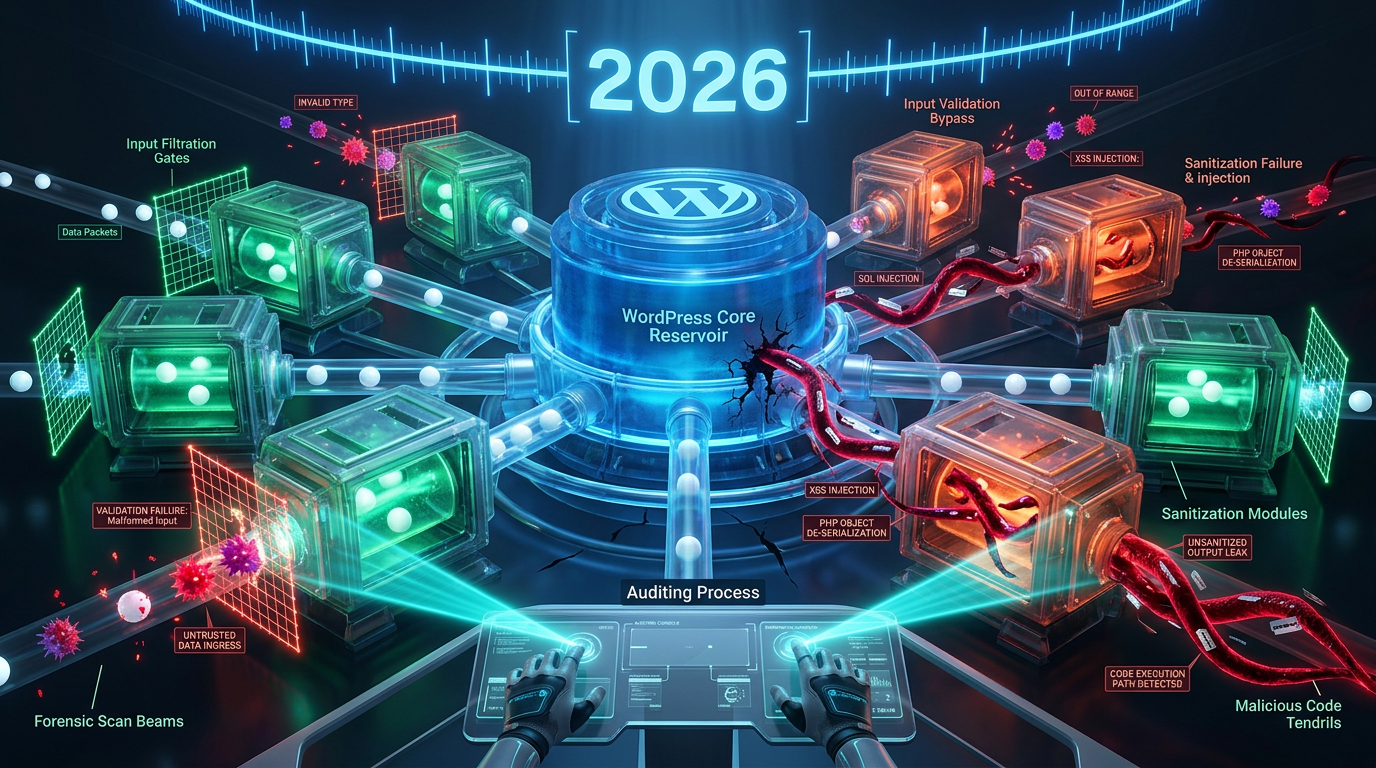
While the benefits of web accessibility standards are undeniable, their improper selection or configuration can introduce significant risks. As part of our commitment to secure and stable WordPress websites, it’s essential to highlight these potential drawbacks.
Security Vulnerabilities
Every plugin added to your WordPress site introduces potential security risks. An accessibility plugin, like any other, can be a vector for attacks if not properly maintained or if it contains vulnerabilities.
- Outdated Code: Plugins with outdated code are prime targets for hackers. Always ensure your chosen plugin is regularly updated by its developers. Our article on uncovering obsolete code in WordPress plugins provides more insights.
- Insecure Configurations: Some plugins might have default settings that are not secure or require careful configuration to prevent exploits.
- Excessive Permissions: Plugins requesting unnecessary permissions can pose a security risk. Review what data and functionalities a plugin needs access to.
Performance and Compatibility Issues
The more plugins you have, the greater the potential impact on your site’s performance and compatibility with other elements.
- Page Load Speed: Poorly coded or resource-intensive accessibility plugins can slow down your website, negatively impacting user experience and SEO.
- Theme Conflicts: Accessibility plugins might conflict with your theme’s JavaScript or CSS, leading to broken layouts or dysfunctional features.
- Other Plugin Conflicts: Interactions between different plugins can sometimes create unexpected errors or crashes.
False Sense of Security and "Overlay" Limitations
Some accessibility plugins primarily offer an "overlay" approach, attempting to fix issues on the front end without addressing the underlying code. While these can provide some immediate benefits, they often fall short of true compliance.
- Incomplete Solutions: Overlays may not fully address complex accessibility issues, leading to a false sense of compliance.
- Dependence on JavaScript: If JavaScript is disabled, many overlay features become non-functional, leaving users in the dark.
- Screen Reader Challenges: Some overlays can interfere with how screen readers interpret content, making the site less accessible for these users.
Choosing the Right WordPress Plugin Accessibility Solution in 2026
Given the complexities, selecting the ideal WordPress accessibility plugin requires careful consideration. Prioritizing reputable developers, thorough testing, and a holistic approach will lead to the best outcomes.
Key Selection Criteria
Before installing any plugin, conduct due diligence. Look for these indicators of a reliable and effective solution:
- Reputation and Reviews: Check user reviews, community feedback, and the developer’s track record. How long have they been in the accessibility space?
- Regular Updates: A truly reliable plugin will have a consistent update schedule, indicating ongoing support and responsiveness to new standards and security patches.
- Comprehensive Features: Does the plugin offer a broad range of features addressing various accessibility needs, or is it a one-trick pony? Our guide on WordPress workflow automation highlights the versatility of good plugins.
- Documentation and Support: Good documentation helps you configure the plugin correctly, and responsive support is crucial if issues arise.
- Accessibility Statement: Does the plugin itself boast an accessible interface and clear communication regarding its own compliance?
Integration and Testing
Simply installing an accessibility plugin isn’t enough. Its effectiveness heavily depends on how well it integrates with your existing WordPress setup and how rigorously it’s tested.
- Staging Environment Testing: Always test new plugins, especially accessibility solutions, in a staging environment before deploying to your live site.
- Compatibility Checks: Verify the plugin’s compatibility with your current WordPress version, theme, and other essential plugins.
- Accessibility Audits: Use a combination of automated tools (like Lighthouse or Axe DevTools) and manual checks to verify the plugin’s impact on your site’s accessibility scores.
- User Feedback: Encourage feedback from users with disabilities to understand real-world usability and identify areas for improvement.
The Future Landscape of WordPress Plugin Accessibility and Inclusive Design
As we look to the remainder of 2026 and beyond, the focus on inclusive design will only intensify. The development of WordPress plugin accessibility solutions will parallel these advancements, offering more sophisticated and integrated approaches. Expect to see greater emphasis on AI-driven accessibility tools, deeper semantic understanding, and even more personalized user experiences.
The goal is to shift from reactive accessibility fixes to proactive, intrinsically accessible design from the ground up, with plugins serving as powerful enablers in this ongoing journey towards a truly inclusive web for all.
Frequently Asked Questions

Written by Aras Akıncılar
Uzun yıllara dayanan WordPress deneyimine sahip bir siber güvenlik uzmanı olarak, eklenti ekosisteminin derinlemesine analizine odaklanıyorum. Güvenlik açıkları, performans düşüşleri ve uyumluluk sorunları üzerine hazırladığım makalelerle, WordPress kullanıcılarının sitelerini daha güvenli ve verimli hale getirmelerine yardımcı olmayı hedefliyorum.