The Silent Storytellers: Unmasking Digital Accessibility & Inclusive Design Risks in WordPress Plugins (2026)
In 2026, as digital inclusion continues to be a paramount concern for websites worldwide, understanding the potential WordPress plugin accessibility risks is more critical than ever. WordPress, powering over 43% of the internet, relies heavily on its vast plugin ecosystem. While these plugins offer incredible functionality, they can inadvertently introduce significant barriers for users with disabilities, impacting everything from navigation to content consumption. This comprehensive analysis will delve into how various plugins can compromise your website's accessibility, highlighting common pitfalls and offering practical solutions to ensure a truly inclusive online experience.
Delving deeper into plugin dependencies and potential conflicts can provide additional insights into maintaining robust systems. For more on this, explore The Silent Weavers: Unmasking WordPress Plugin Interoperability & Dependency Conflicts in 2026.
Understanding the Landscape of WordPress Plugin Accessibility Risks
The allure of WordPress plugins lies in their ability to extend site functionality without extensive coding. However, this convenience often comes with hidden accessibility challenges. Developers, focused on features, sometimes overlook vital inclusive design principles. This oversight can lead to frustrating and exclusionary experiences for a significant portion of your audience.
From visual impairments to motor disabilities, diverse users rely on specific design and coding practices to interact with web content. When plugins disregard these needs, they create unnecessary hurdles. These issues range from subtle to severe, fundamentally altering how accessible your website becomes.
Common Accessibility Barriers Introduced by Plugins
- Lack of Keyboard Navigation Support: Many plugins feature custom elements (sliders, pop-ups, forms) that are inaccessible via keyboard, trapping users who cannot use a mouse.
- Insufficient Color Contrast: Overriding theme styles with poor color choices can make text and elements unreadable for users with low vision or color blindness.
- Missing or Incorrect ARIA Attributes: Interactive elements often lack proper ARIA labels, roles, and states, rendering them meaningless to screen reader users.
- Non-Descriptive Link and Button Text: Plugins frequently use generic "Click Here" or icon-only buttons without proper contextual text, confusing assistive technologies.
- Dynamic Content Issues: Automatically changing content or frequently appearing pop-ups can disorient users and disrupt screen reader flow without proper notifications.
Identifying Performance and Compatibility Issues Stemming from WordPress Plugin Accessibility Risks
Beyond direct accessibility failures, inadequate plugins can indirectly impact accessibility by degrading performance and introducing compatibility problems. A slow-loading website, often caused by bloated plugin code, can be particularly challenging for users with cognitive disabilities or those relying on older assistive technologies.
Furthermore, conflicts between plugins can break critical accessibility features or render entire sections of a website unusable. Ensuring plugins are well-coded and regularly updated is crucial for maintaining both site stability and accessibility standards in 2026. For a deeper dive into how plugins affect browser performance and page load speed, refer to our article on the topic.
How Performance Affects Accessibility
- Slow Page Loads: Excessive JavaScript or CSS from plugins can significantly increase load times, frustrating users with cognitive challenges and making navigation arduous.
- Resource Intensive Operations: Plugins running complex background processes can consume valuable computational resources, impacting the responsiveness of assistive tools. This is often linked to WordPress plugins bidding for server resources.
- Browser and Device Incompatibility: Poorly coded plugins may not render correctly across all browsers or devices, leading to inconsistent accessible experiences.
Plugin Compatibility and Conflicts
The WordPress ecosystem thrives on diversity, but this also means potential clashes. When multiple plugins try to manipulate the same core WordPress functions or HTML elements, unpredictable behavior can occur, often breaking accessibility features. For instance, a caching plugin might strip necessary ARIA attributes, or a page builder could create unreadable structures in conjunction with another dynamic content plugin. Vigilant testing is essential to mitigate these WordPress plugin accessibility risks.
Security Vulnerabilities and Their Impact on Accessibility
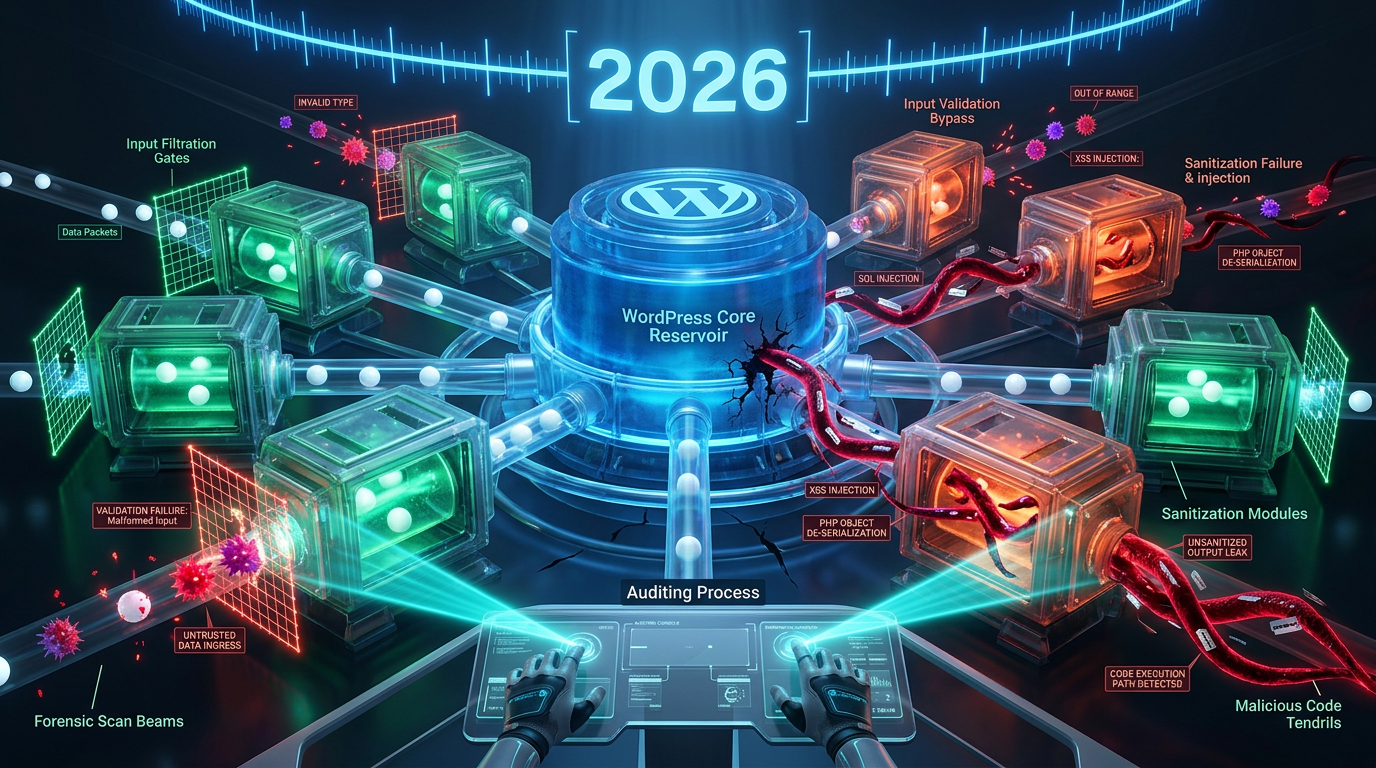
The same vulnerabilities that expose your website to security threats can also indirectly undermine accessibility. Outdated plugins, insecure configurations, and excessive permissions create backdoors for attackers. A compromised site can display malware, redirect users, or become completely unavailable, thereby denying access to everyone, including those relying on assistive technologies.
Staying informed about plugin security and adhering to best practices for maintenance is not just about protecting your data; it's also about preserving your website's integrity and its ability to serve all users equitably in 2026. Ignoring these WordPress plugin accessibility risks is an invitation for trouble on multiple fronts. Understanding the risks of excessive permissions in WordPress plugins is particularly important.
Outdated Code and Insecure Configurations
Many WordPress plugin accessibility risks stem from outdated code. Developers release updates not just for new features, but critically, to patch security vulnerabilities and improve compatibility. Running old versions of plugins leaves your site exposed to known exploits. Furthermore, plugins with insecure default configurations, such as admin accounts with weak passwords or exposed API keys, can be easily compromised.
Regularly reviewing plugin settings and ensuring strong security practices are in place is paramount. This includes hardening access controls and validating that plugins aren't granted more permissions than absolutely necessary. An unmanaged plugin landscape can quickly become a minefield of both security and accessibility issues. For general best practices in plugin security, the WordPress Plugin Handbook on Security is an excellent external resource.
Best Practices for Mitigating WordPress Plugin Accessibility Risks
Protecting your website's accessibility requires a proactive approach when selecting and managing WordPress plugins. By following a set of best practices, you can significantly reduce the likelihood of introducing barriers and ensure your site remains inclusive.
Choosing Accessible-First Plugins
- Read Reviews and Ratings: Look for plugins with strong reputations and positive feedback regarding their accessibility.
- Check for WCAG Compliance Claims: While not a guarantee, plugins that explicitly mention WCAG (Web Content Accessibility Guidelines) compliance are a better starting point. For official guidelines, consult the WCAG 2.2 Quick Reference Guide from the W3C.
- Test Before Deployment: Install new plugins on a staging environment and thoroughly test them using assistive technologies (screen readers, keyboard navigation).
- Developer Support: Prioritize plugins from developers who actively respond to support requests, especially those concerning accessibility issues.
- Regular Updates: Opt for plugins that are consistently updated, indicating active development and commitment to security and compatibility.
Ongoing Maintenance and Auditing
Maintaining an accessible WordPress site is an ongoing effort, especially with the dynamic nature of plugins. Regular audits can help identify new WordPress plugin accessibility risks that might arise from updates or new content.
Manual testing with screen readers and keyboard navigation is invaluable. Automated accessibility checkers can also provide a good first pass, but they cannot replace human judgment and real-world user testing. Invest time in familiarizing yourself with WCAG guidelines to better evaluate plugin behavior.
In conclusion, while WordPress plugins are incredibly beneficial, they introduce a distinct set of accessibility challenges. By approaching plugin selection and management with an accessibility-first mindset, you ensure that your website serves everyone, fostering an inclusive digital environment in 2026 and beyond.
Frequently Asked Questions

Written by Aras Akıncılar
Uzun yıllara dayanan WordPress deneyimine sahip bir siber güvenlik uzmanı olarak, eklenti ekosisteminin derinlemesine analizine odaklanıyorum. Güvenlik açıkları, performans düşüşleri ve uyumluluk sorunları üzerine hazırladığım makalelerle, WordPress kullanıcılarının sitelerini daha güvenli ve verimli hale getirmelerine yardımcı olmayı hedefliyorum.