WordPress Plugin Backward Compatibility: Future-Proofing in 2026
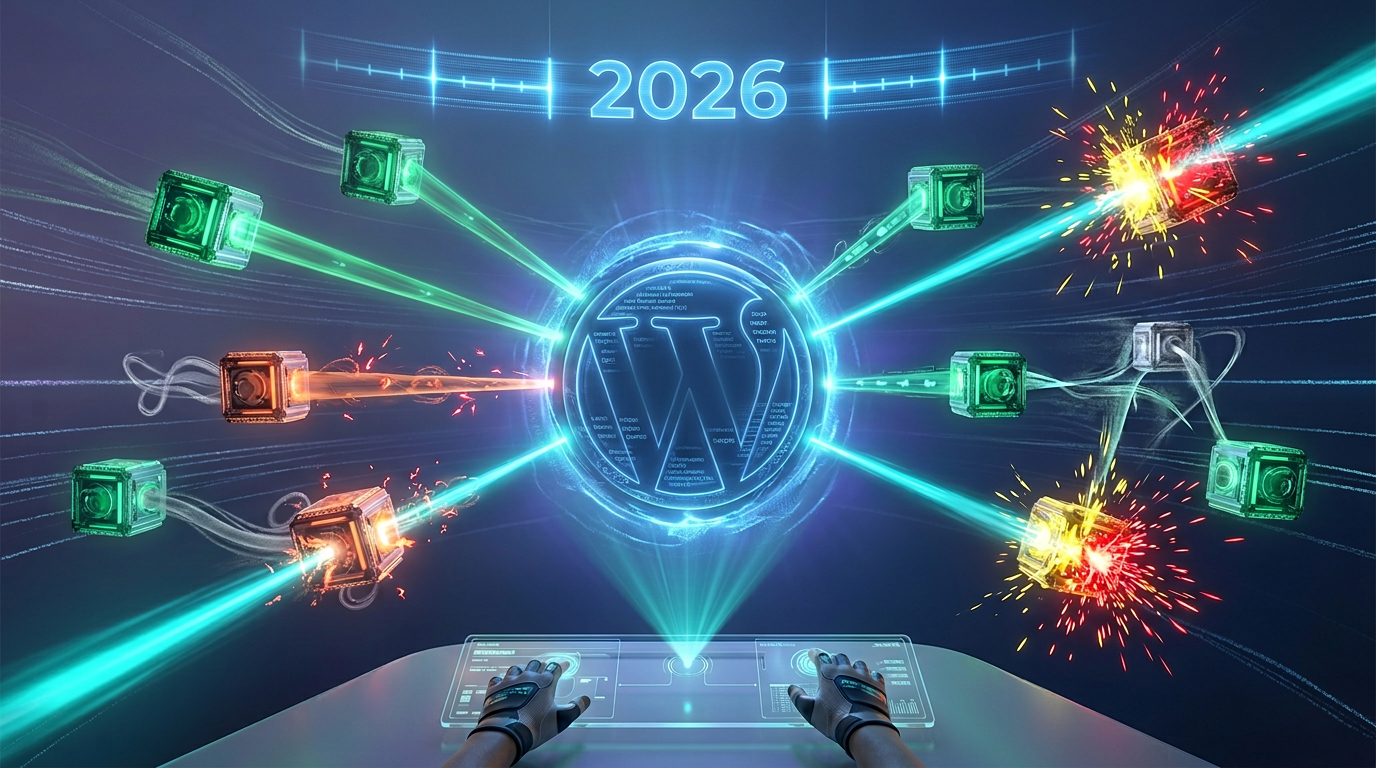
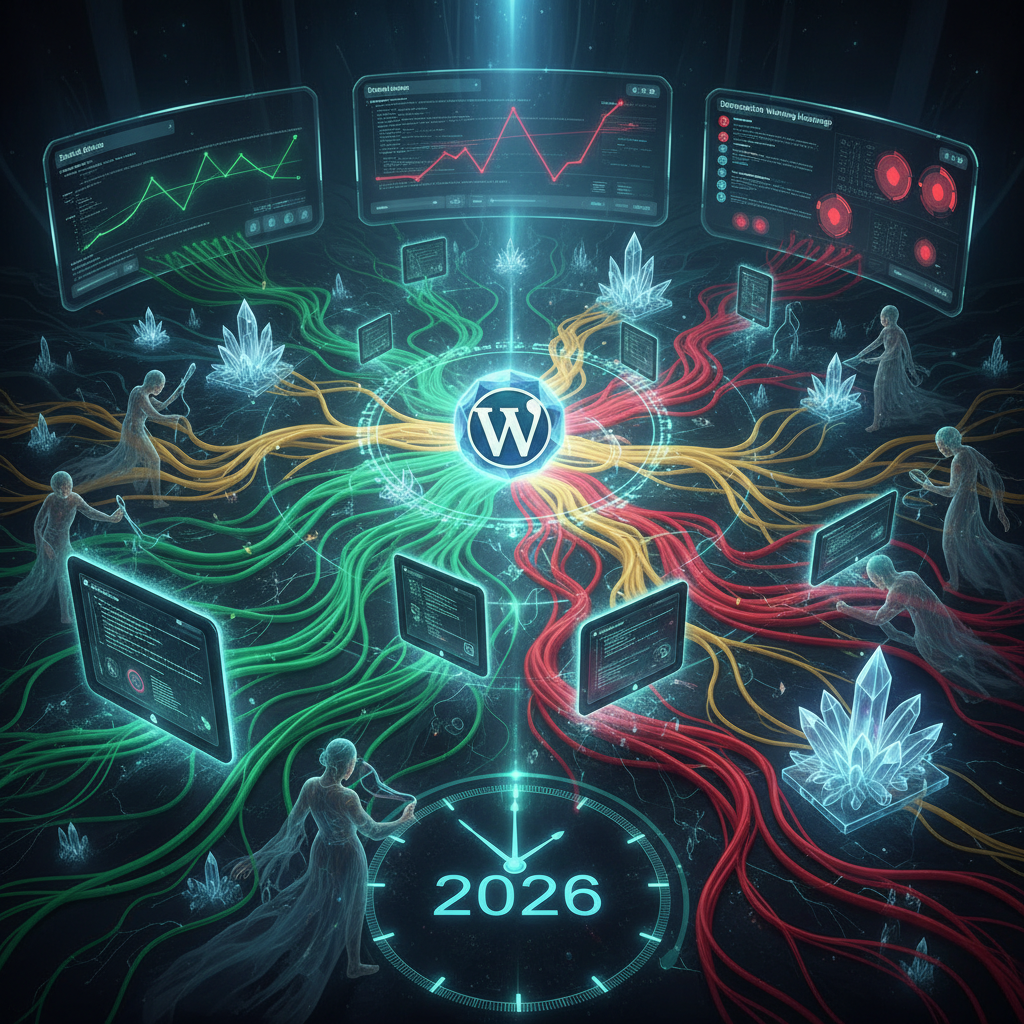
In the ever-evolving landscape of web development, ensuring WordPress plugin backward compatibility is not just a best practice; it's a critical component of maintaining a stable, secure, and high-performing WordPress website. As we navigate 2026, the reliance on plugins for extended functionalities makes their compatibility with older WordPress core versions, themes, and other plugins a paramount concern. This article delves into the intricate world of WordPress plugins, exploring how their design and maintenance directly influence the future-proofing of your digital assets and the challenges associated with ensuring seamless operation across diverse environments.
Understanding WordPress Plugin Backward Compatibility in 2026
WordPress plugin backward compatibility refers to a plugin's ability to function correctly with older versions of WordPress core software, PHP, and other ecosystem components. In 2026, with rapid advancements in web technologies, developers face constant pressure to innovate while simultaneously ensuring their creations don't break existing websites. This delicate balance is crucial for user trust and the sustained growth of the WordPress ecosystem.
The Importance for Website Owners
- Stability: Prevents critical errors when updating WordPress core or other plugins.
- Security: Allows users to update WordPress core to newer, more secure versions without fear of breaking essential plugin functionalities. For more on this, see our deep dive into WordPress Plugin Privilege Escalation: A Deep Dive into Role Management & Security in 2026.
- Cost-effectiveness: Reduces the need for expensive and time-consuming website overhauls due to plugin conflicts.
- Longevity: Ensures that a website remains functional and relevant for a longer period.
Without robust WordPress plugin backward compatibility, website owners often find themselves in a difficult position, forced to choose between security updates and maintaining existing functionality. This dilemma can severely impact operational efficiency and expose sites to various vulnerabilities.
The Developer's Dilemma: Balancing Innovation and WordPress Plugin Backward Compatibility
For plugin developers, the challenge of maintaining WordPress plugin backward compatibility is significant. New WordPress core versions frequently introduce deprecated functions, new APIs, and changes in the underlying architecture. Keeping up with these changes while supporting older versions requires careful planning, diligent testing, and often, complex conditional logic within the plugin's codebase.
Common Challenges Faced by Developers
- Deprecated Functions: WordPress regularly deprecates old functions, replacing them with more efficient or secure alternatives. Plugins must adapt to these changes while still supporting older core versions that rely on the deprecated functions.
- PHP Version Changes: The WordPress ecosystem encourages updates to newer PHP versions for performance and security. Plugins must be compatible with a range of PHP versions, from older, still-supported versions to the latest releases in 2026.
- API Changes: WordPress APIs evolve. Plugin developers must ensure their code interacts correctly with both old and new API structures to maintain broad compatibility. This is particularly relevant when considering how WordPress Plugins Dictate API Integrations & External Data Flow in 2026.
- Third-Party Libraries: Many plugins rely on external libraries. Managing the compatibility of these dependencies across various environments adds another layer of complexity.
Developers often employ strategies like feature flagging, extensive unit testing, and continuous integration/continuous deployment (CI/CD) pipelines to manage the complexities of WordPress plugin backward compatibility, ensuring their plugins remain functional and relevant.
Risks Introduced by Poor Plugin Compatibility
Ignoring WordPress plugin backward compatibility can lead to a cascade of problems for any WordPress website. These risks extend beyond mere inconvenience, potentially jeopardizing site security, performance, and even search engine rankings.
Security Vulnerabilities and Outdated Code
A significant risk stemming from poor backward compatibility is the reluctance of website owners to update WordPress core or plugins. If updating a plugin or WordPress core breaks site functionality due to compatibility issues, users might defer updates. This delay leaves websites vulnerable to known security exploits that have been patched in newer versions.
- Exploitable Bugs: Older plugin versions or core versions can contain unpatched security flaws.
- Insecure Configurations: Lack of regular updates can mean configurations are not optimized for current security standards.
- Outdated Code: Old codebases may not adhere to modern security practices, making them susceptible to new types of attacks.
In 2026, with cyber threats becoming increasingly sophisticated, keeping all components of a WordPress site up-to-date is more critical than ever. Plugins that ensure WordPress plugin backward compatibility facilitate this essential security posture. For a broader perspective on security, consider the evolving landscape of OWASP Top 10 web application security risks.
Best Practices for Maintaining Plugin Backward Compatibility
Achieving and sustaining robust WordPress plugin backward compatibility requires a proactive and systematic approach from both developers and website administrators. Adhering to certain best practices can significantly mitigate risks and ensure a smoother operational experience.
For Plugin Developers:
- Adhere to WordPress Coding Standards: Following official guidelines ensures greater interoperability and predictability. The official WordPress Coding Standards provide comprehensive guidance.
- Utilize Core APIs: Whenever possible, use WordPress core APIs instead of custom implementations, as core APIs are generally more future-proof and backward-compatible. This also impacts areas like browser scripting and client-side logic.
- Thorough Testing: Implement comprehensive testing across various WordPress versions, PHP versions, and common hosting environments. This includes unit tests, integration tests, and end-to-end tests.
- Conditional Logic: Use conditional checks (e.g.,
function_exists(),version_compare()) to execute different code paths based on the WordPress or PHP version. - Documentation: Clearly document supported versions and any known compatibility issues.
- Provide Migration Paths: For significant changes, offer clear upgrade or migration paths to help users transition smoothly.
For Website Administrators:
- Regular Backups: Always perform full website backups before any major updates (core, plugins, themes).
- Staging Environments: Test all updates in a staging environment before pushing them to the live site. This is crucial for identifying compatibility issues proactively.
- Choose Reputable Plugins: Opt for plugins from well-known developers with a good track record of updates and support.
- Monitor & Update: Regularly monitor your site's health and keep all components (WordPress core, plugins, themes, PHP) updated to their latest stable versions.
- Review Changelogs: Before updating, review the plugin changelog for any noted compatibility changes or requirements.
By collectively embracing these best practices, the WordPress ecosystem can continue to thrive, allowing for innovation while preserving stability and security. The emphasis on WordPress plugin backward compatibility in 2026 is a testament to the community's commitment to a reliable and robust platform.
Future-Proofing Your WordPress Site Through Smart Plugin Choices
In 2026, the strategic selection of plugins plays a pivotal role in the long-term viability and security of your WordPress site. Beyond immediate functionality, consider a plugin's commitment to ongoing development, security, and especially, WordPress plugin backward compatibility.
Evaluating Plugin Health and Longevity
- Update Frequency: Plugins that are frequently updated suggest active development and a commitment to addressing bugs and compatibility issues.
- Support Channels: Look for plugins with active support forums, documentation, and a responsive support team.
- User Reviews: Recent reviews can offer insights into current compatibility issues or successes.
- Developer Reputation: Plugins from established developers or reputable companies often have stronger development processes and a greater emphasis on backward compatibility.
- Dependency Management: Plugins that clearly manage their third-party dependencies and keep them up-to-date are generally more reliable. For further reading on this topic, consult resources like the Node.js official documentation on dependency management (as a general principle applicable across development).
A well-maintained plugin with a strong focus on WordPress plugin backward compatibility minimizes the risk of future site breakage, potentially saving countless hours of troubleshooting and repair. It empowers website owners to embrace new WordPress core features and enhanced security measures without fear of breaking their existing setup. This careful selection process is integral to future-proofing any WordPress investment.
Frequently Asked Questions

Written by Aras Akıncılar
Uzun yıllara dayanan WordPress deneyimine sahip bir siber güvenlik uzmanı olarak, eklenti ekosisteminin derinlemesine analizine odaklanıyorum. Güvenlik açıkları, performans düşüşleri ve uyumluluk sorunları üzerine hazırladığım makalelerle, WordPress kullanıcılarının sitelerini daha güvenli ve verimli hale getirmelerine yardımcı olmayı hedefliyorum.