Mastering WordPress Plugin External Data Security in 2026
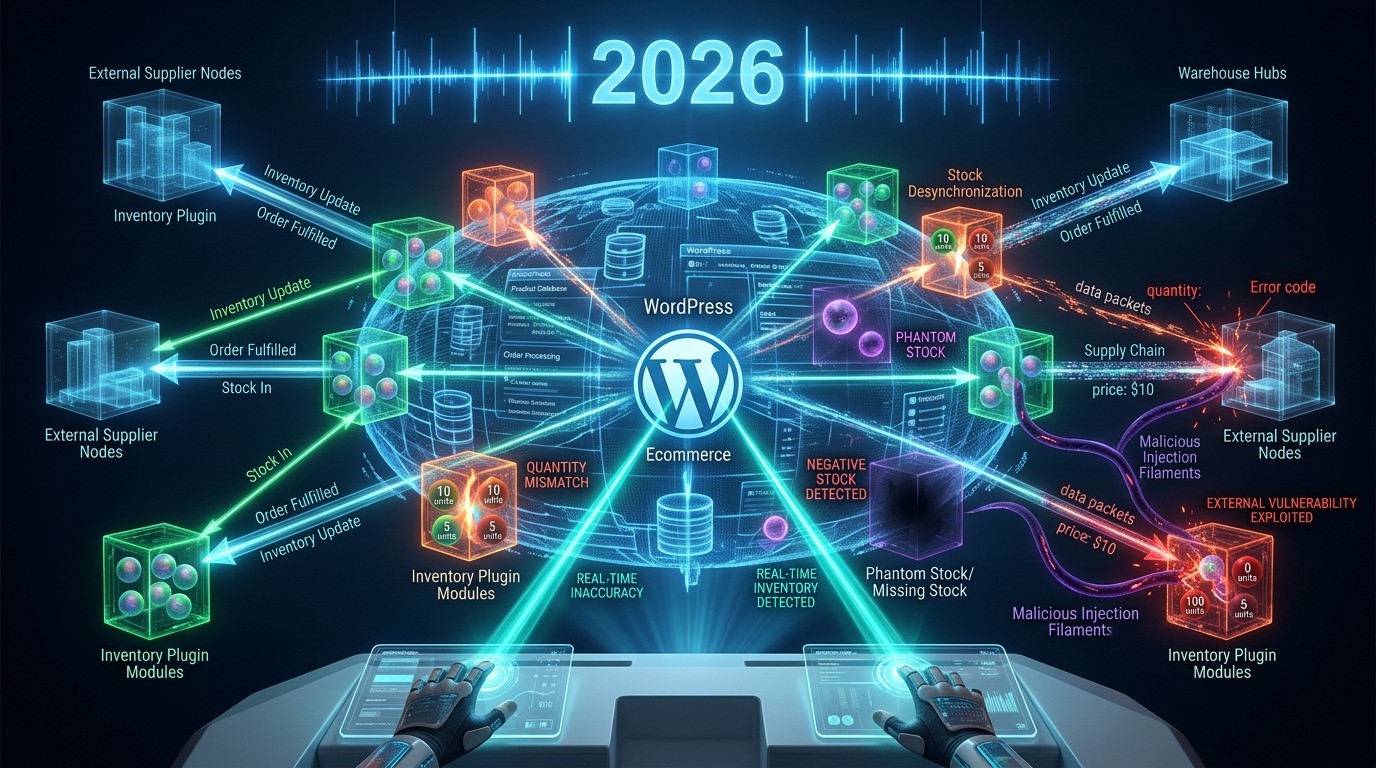
In the dynamic digital landscape of 2026, understanding and implementing robust WordPress plugin external data security is more critical than ever. WordPress, powering a vast percentage of the internet, relies heavily on its extensive plugin ecosystem to extend functionality and enhance user experience. This reliance, however, introduces inherent complexities, especially when plugins interact with external data sources. Ensuring the integrity and security of this external data, along with the WordPress site itself, is paramount for any website owner or developer.
The Evolving Challenges of WordPress Plugin External Data Security
The continuous evolution of both web technologies and cyber threats means that what was considered secure last year might not be sufficient today. In 2026, the challenges related to WordPress plugin external data security are multifaceted. These challenges encompass API integrations, third-party service dependencies, and data handling protocols. Each external connection introduces a potential entry point for vulnerabilities that, if unaddressed, can compromise sensitive information, damage reputation, and lead to significant financial losses. For a broader look at how plugins manage data, consider exploring how WordPress Plugins Dictate Data Flow and Integration Architecture in 2026.
Common Vulnerabilities: Outdated Code and Insecure Configurations
Several factors contribute to external data security risks for WordPress plugins.
- Legacy Vulnerabilities: Many plugins, particularly those with a long history, may contain relics of older, less secure coding practices. When these plugins connect to external APIs or databases, they risk exposing data if not properly updated and configured.
- Misconfigurations: Even well-coded plugins can be rendered insecure by improper configuration. This includes weak API keys, public exposure of sensitive endpoints, and incorrect access control settings.
- Lack of Maintenance: Unfortunately, some plugin developers abandon their projects. This leaves behind codebases that become increasingly vulnerable over time as new security exploits are discovered. Regular audits for plugin maintenance are crucial for maintaining strong WordPress plugin external data security.
Risks from Excessive Permissions and Third-Party Dependencies
Plugins often request broad permissions to function correctly. While sometimes necessary, these permissions can be exploited if the plugin itself is compromised. Furthermore, many plugins rely on third-party libraries or services, introducing another layer of potential security risk.
- Over-privileged Access: Granting a plugin more permissions than it strictly needs can open doors for malicious actors. This allows them to access or manipulate data beyond its intended scope.
- Supply Chain Attacks: When a third-party library used by a plugin is compromised, it can directly impact all websites using that plugin. This "supply chain" vulnerability is a growing concern in 2026. Careful vetting of third-party dependencies is essential for strong WordPress plugin external data security. For insights into related vulnerabilities, see Unmasking Injection Vulnerabilities in WordPress Plugin Hooks (2026).
- Data Exfiltration Risks: If an overly-privileged plugin or a compromised dependency has access to external data, there's a risk of data exfiltration to unauthorized parties.
Best Practices for Enhancing WordPress Plugin External Data Security
Proactive measures are key to safeguarding your WordPress site from external data-related security threats. Implementing a robust security strategy involves several layers of protection. This ranges from careful plugin selection to continuous monitoring and regular updates. These practices are fundamental to maintaining strong WordPress plugin external data security.
Strategic Plugin Selection and Vetting
The first line of defense is always informed choice. Before installing any plugin, especially those that interact with external data, a thorough vetting process is essential.
- Reputation and Reviews: Prioritize plugins from reputable developers with a strong track record of security. Check user reviews and community feedback for any reported vulnerabilities or ongoing issues.
- Active Development and Support: Choose plugins that are actively maintained and regularly updated. A history of recent updates indicates developer commitment to security and compatibility with the latest WordPress versions.
- Security Audits: Look for plugins that have undergone independent security audits. Developers who invest in such audits demonstrate a strong commitment to security.
- Least Privilege Principle: Evaluate what permissions a plugin requests. If it asks for more access than seems necessary for its stated function, proceed with caution or seek alternatives. This principle is crucial for effective WordPress plugin external data security.
Secure API Integrations and Data Handling
When plugins connect to external services via APIs, securing these conduits is paramount. This involves not only how your site sends data but also how it receives and processes information. Understanding the security implications of these interactions is vital, as discussed in how WordPress Plugins Negotiate with External APIs & Their Security Implications in 2026.
- HTTPS Everywhere: Ensure all external communication, especially API calls, uses HTTPS. This encrypts data in transit, preventing eavesdropping and tampering.
- API Key Management: Treat API keys like sensitive passwords. Never hardcode them directly into publicly accessible files. Instead, use environment variables, WordPress constants, or dedicated plugin settings pages for secure storage. Regularly rotate API keys.
- Input Validation and Output Sanitization: Any data received from an external source, no matter how trusted, must be validated and sanitized before being processed or displayed on your site. This prevents injection attacks (e.g., XSS, SQL injection). Similarly, data sent externally should also be validated.
- Rate Limiting: Implement rate limiting on API calls to prevent abuse, brute-force attacks, and denial-of-service attempts.
- Error Handling: Implement robust error handling for external data interactions. Avoid exposing sensitive error messages to the public, as this could reveal information about your system configuration.
Monitoring and Auditing for Superior WordPress Plugin External Data Security
Even with the best initial setup, continuous vigilance is necessary. Modern cyber threats evolve rapidly, and your security posture must adapt. For effective WordPress plugin external data security, ongoing monitoring and regular security audits are non-negotiable. This proactive approach is foundational to maintaining the financial integrity and transaction security in WordPress Plugins (2026).
Regular Security Scans and Vulnerability Assessments
Automated tools can significantly aid in identifying weaknesses before they are exploited. Incorporate these into your regular maintenance routine.
- WordPress Security Plugins: Utilize reputable security plugins that offer features like file integrity monitoring, malware scanning, and vulnerability detection. These plugins can often alert you to suspicious activity or compromised files. Some commercial plugins offer advanced features for monitoring API calls and external data flows, bolstering your WordPress plugin external data security.
- External Security Tools: Consider using external web application firewalls (WAFs) or cloud-based security scanning services. These provide an additional layer of protection and can detect vulnerabilities that internal tools might miss. One such widely respected resource for web security insights is OWASP Top 10, which details the most critical web application security risks.
- Penetration Testing: For high-stakes websites, consider professional penetration testing services. These ethical hackers attempt to exploit vulnerabilities in your system, providing you with a detailed report on weaknesses.
Log Management and Activity Monitoring
Logs provide a historical record of events on your website. This is invaluable for identifying security incidents and understanding the scope of a breach.
- Centralized Logging: Implement a system for centralized log management, especially if you have multiple WordPress installations. This makes it easier to review activity across your entire digital footprint.
- User Activity Monitoring: Track user logins, failed login attempts, plugin activations/deactivations, and changes to critical settings. Abnormal patterns can be an early warning sign of compromise related to WordPress plugin external data security.
- External Connection Logs: Monitor logs related to external API calls. Look for unusual spikes in activity, unexpected data transfers, or connections to unauthorized external endpoints.
The Future of WordPress Plugin External Data Security in 2026 and Beyond
As WordPress continues to innovate, so too will the methods for securing its plugin ecosystem. In 2026, we are seeing a greater emphasis on proactive security integrations and more sophisticated threat intelligence. Furthermore, the evolution of artificial intelligence and machine learning is playing an increasingly significant role in enhancing security measures.
AI and Machine Learning for Threat Detection
AI-powered security solutions are becoming more prevalent. They offer advanced capabilities for detecting anomalies and predicting potential threats related to WordPress plugin external data security.
- Behavioral Analytics: AI can analyze user and plugin behavior patterns to identify deviations that might indicate a security breach. This goes far beyond what traditional rule-based systems can achieve. For further reading on AI in cybersecurity, a resource like NIST Special Publication 800-213 on Using AI in Cybersecurity can offer valuable insights.
- Predictive Threat Intelligence: Machine learning algorithms can process vast amounts of threat data to predict emerging attack vectors and proactively recommend countermeasures.
- Automated Incident Response: In some cases, AI can even initiate automated responses to detected threats. Examples include temporarily blocking suspicious IP addresses or rolling back malicious changes.
Enhanced Developer Responsibility and Platform Security
The onus for security isn't solely on the user. The WordPress core team and plugin developers are increasingly adopting stricter security standards and tools.
- Core Security Enhancements: The WordPress core itself regularly undergoes security audits and receives updates to patch vulnerabilities. This strengthens the foundation upon which plugins operate.
- Plugin Repository Vetting: The official WordPress plugin repository is enhancing its vetting process, though this remains a challenging task given the sheer volume of submissions. This is a critical step towards better WordPress plugin external data security.
- Security-by-Design Principles: A growing number of plugin developers are adopting security-by-design principles, integrating security considerations from the initial planning stages of plugin development. For a comprehensive overview of secure development practices, PortSwigger's Web Security Academy is an excellent educational platform.
Ultimately, robust WordPress plugin external data security is a shared responsibility. By understanding the risks, implementing best practices, staying informed about the latest security trends in 2026, and actively monitoring your WordPress site, you can significantly mitigate potential threats and ensure the continuous integrity and safety of your digital assets.
Frequently Asked Questions

Written by Aras Akıncılar
Uzun yıllara dayanan WordPress deneyimine sahip bir siber güvenlik uzmanı olarak, eklenti ekosisteminin derinlemesine analizine odaklanıyorum. Güvenlik açıkları, performans düşüşleri ve uyumluluk sorunları üzerine hazırladığım makalelerle, WordPress kullanıcılarının sitelerini daha güvenli ve verimli hale getirmelerine yardımcı olmayı hedefliyorum.