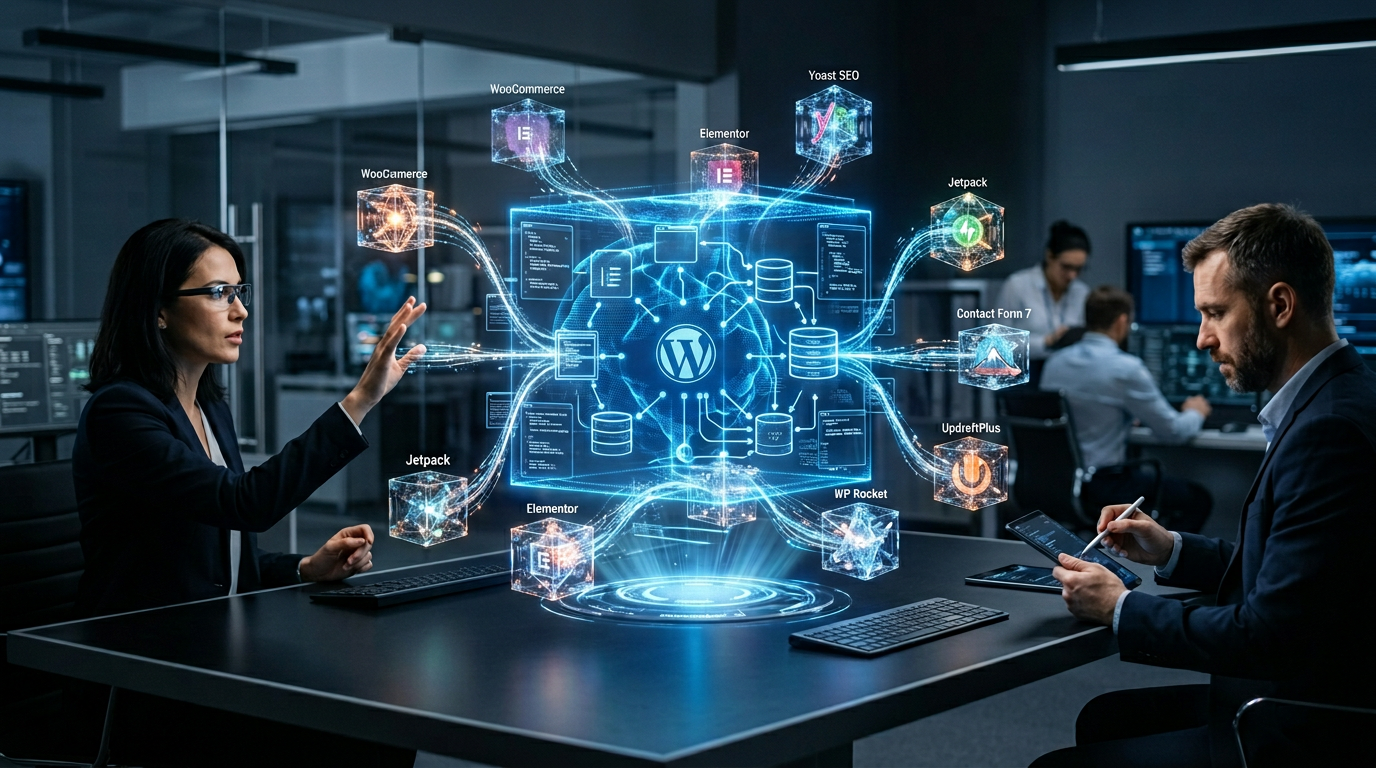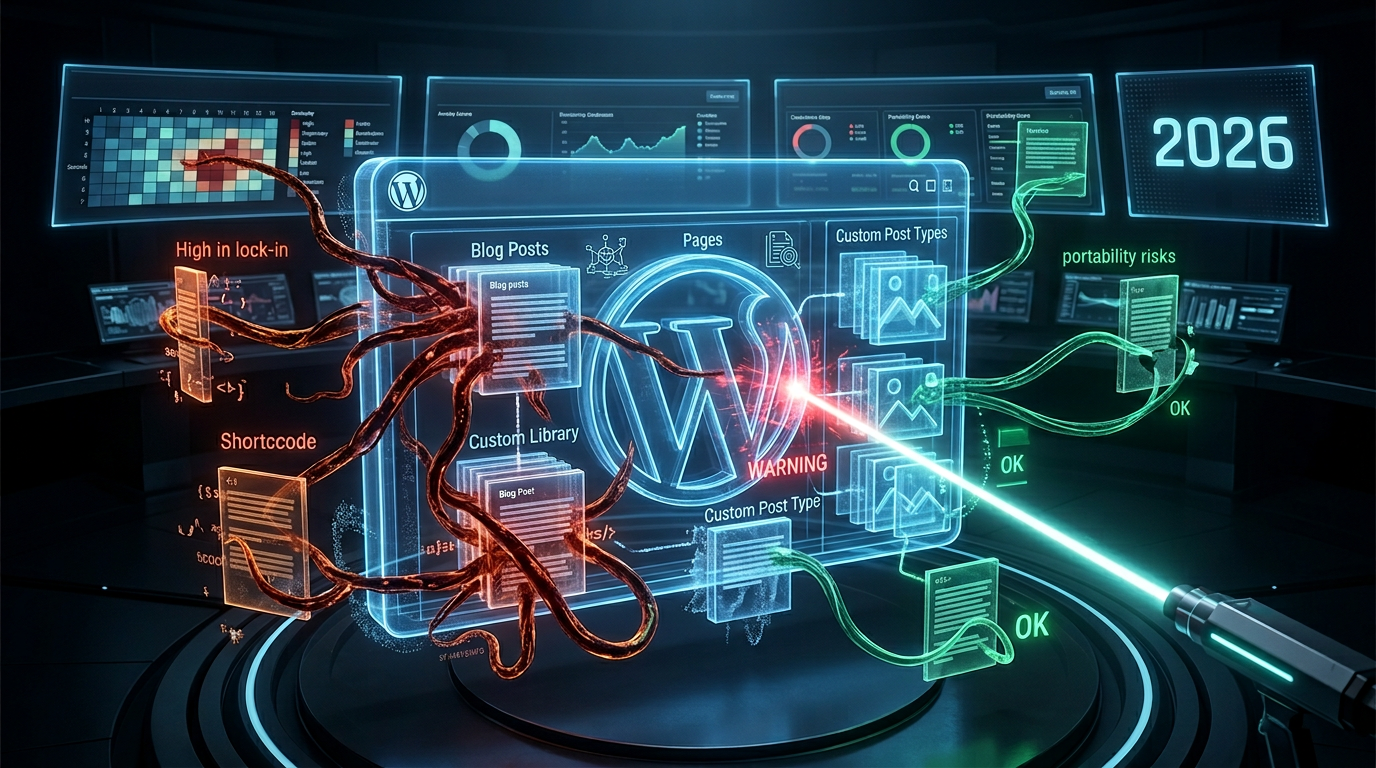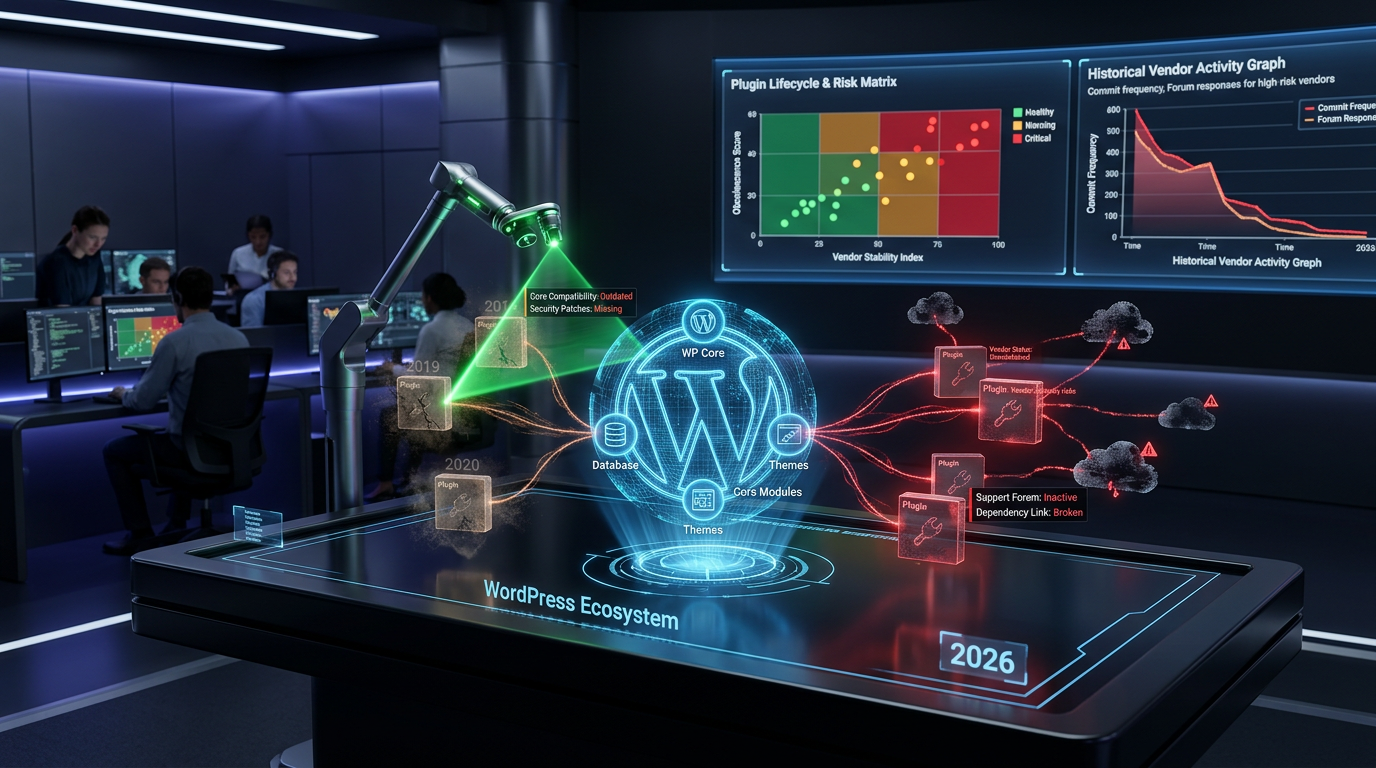
The Silent Executors: Auditing WordPress Plugins for Digital Obsolescence & Vendor Stability Risks in 2026
Every WordPress website relies on plugins, but a critical, often overlooked threat is WordPress plugin obsolescence. This silent executor can cripple a site's security, performance, and functionality, especially as web technologies rapidly evolve in 2026. Understanding how to identify and mitigate this risk is paramount for maintaining a robust online presence and ensuring your digital assets remain secure and efficient.
Understanding WordPress Plugin Obsolescence
WordPress plugin obsolescence refers to the state where a plugin is no longer actively developed, maintained, or supported by its original vendor or community. This can stem from various factors, including the developer abandoning the project, technological shifts rendering the plugin's code outdated, or a lack of compatibility with newer WordPress core versions or PHP environments. It’s a natural lifecycle stage for software, but one that demands vigilance from website administrators.
What Constitutes an Obsolete Plugin?
A plugin might be considered obsolete if its last update was several years ago, if it hasn't been tested with the latest WordPress core versions, or if its support forum is completely inactive. The digital landscape moves quickly, and a plugin that was cutting-edge in 2022 might be a significant liability by 2026. Recognizing these signs early is crucial to prevent site degradation.
- No recent updates (typically 1+ years).
- Incompatibility warnings with current WordPress versions.
- Lack of developer response or community support.
- Dependency on deprecated libraries or functions, which can cause errors. For more on how plugins can impact core functionality, see our article on Auditing WordPress Plugins That Hijack Core Functions in 2026.

Identifying Risks: The Impact of WordPress Plugin Obsolescence
The immediate consequence of neglecting WordPress plugin obsolescence is a cascade of risks that can severely compromise a website. These risks are multifaceted, affecting security, performance, and overall stability, often without immediate warning until a major issue arises.
Security Vulnerabilities
Outdated plugins are prime targets for cyber attackers. As new vulnerabilities are discovered in older code, an unmaintained plugin becomes a gaping hole in your website's defenses. Without regular updates, security patches are never applied, leaving your site exposed to exploits, malware injections, and covert outbound data transmissions and API call risks. Staying informed about common vulnerabilities is a key part of risk mitigation.
For a deeper understanding of software vulnerabilities and their impact, you can refer to Wikipedia's comprehensive definition of computing vulnerability.
Performance Degradation
Obsolete plugins often contain inefficient code or rely on older database queries that aren't optimized for modern server environments. This can lead to slower page load times, increased server resource consumption, and a degraded user experience, which ultimately impacts SEO rankings and visitor retention. Users expect fast, responsive websites in 2026, and outdated plugins are a major hindrance.
Compatibility Issues and Website Breakage
WordPress core, themes, and other active plugins are constantly updated to improve functionality and security. An obsolete plugin may suddenly conflict with these updates, leading to fatal errors, broken layouts, or complete website crashes. Resolving such conflicts can be time-consuming and costly, especially if the original developer is no longer available to provide support, highlighting the danger of WordPress plugin obsolescence.

Strategies for Auditing and Mitigating WordPress Plugin Obsolescence in 2026
Proactive auditing is the cornerstone of managing WordPress plugin obsolescence. Regular reviews of your plugin ecosystem are essential to identify and address potential problems before they escalate. This systematic approach helps maintain a healthy and secure website.
Regular Plugin Audits
A consistent audit schedule can save significant headaches down the line. It's not enough to simply install a plugin and forget it; ongoing vigilance is required.
- Check Last Update Date: Prioritize plugins that haven't been updated in over a year. This is often the strongest indicator of potential obsolescence.
- Review WordPress Compatibility: Ensure the plugin states compatibility with your current WordPress version. A plugin tested only up to an old WordPress version is a red flag.
- Assess Support Forums: Look for active support threads and developer engagement on the plugin's repository or dedicated support page.
- Evaluate Code Quality: For advanced users, scanning the plugin's code for deprecated functions or known insecure patterns can be beneficial. Tools exist to assist with this, including those that help understand code obfuscation and anti-tampering in 2026.
- Vendor Stability: Research the plugin developer's reputation and financial stability. A company with a history of abandoning projects or struggling financially might signal future WordPress plugin obsolescence.
Safe Plugin Replacement and Migration
Once an obsolete plugin is identified, the next step is to find a suitable, actively maintained replacement. This often involves researching alternatives, testing them meticulously in a staging environment, and carefully migrating any data or settings to avoid data loss. Always back up your site before making significant changes, as this process can be delicate.
WordPress.org offers valuable guidelines on plugin development and best practices, which can help in choosing reliable alternatives that adhere to modern standards.
Utilizing Staging Environments
Never test plugin updates or new installations directly on a live site. A staging environment is a duplicate of your live site where you can safely test all changes, including plugin updates, installations, and removals, without affecting your visitors. This is crucial for preventing downtime caused by compatibility issues related to WordPress plugin obsolescence and other unforeseen conflicts.

The Future of Plugin Maintenance: Best Practices for 2026
As we move further into 2026, the emphasis on diligent plugin management only grows. The landscape of web development is constantly shifting, with new security threats emerging and WordPress core continually evolving. Adopting forward-thinking best practices is essential for long-term website health.
- Fewer Plugins, Better Plugins: Aim for a lean plugin architecture. Install only essential plugins and prioritize those with strong reputations, active development, and robust support communities. Each plugin is a potential vulnerability point.
- Keep Everything Updated: This includes WordPress core, themes, and all active plugins. Enable automatic minor updates where safe, but always review major updates manually to prevent unforeseen conflicts.
- Regular Backups: Implement a reliable backup strategy, including both database and file backups. This is your ultimate safety net in case any plugin-related issue causes site breakage or data loss.
- Security Scanning: Utilize reputable security plugins or services that can regularly scan your site for vulnerabilities, including those introduced by outdated components or theme conflicts.
- Stay Informed: Subscribe to WordPress news, security alerts, and plugin developer newsletters to stay abreast of potential issues, new updates, and emerging best practices in the ecosystem.
Mitigating WordPress plugin obsolescence is an ongoing process, not a one-time task. By adopting these best practices, website owners and developers can ensure their WordPress sites remain secure, performant, and future-proof in the ever-evolving digital world of 2026. Don't let silent executors compromise your online presence; take control of your plugin ecosystem today.
Frequently Asked Questions

Written by Aras Akıncılar
Uzun yıllara dayanan WordPress deneyimine sahip bir siber güvenlik uzmanı olarak, eklenti ekosisteminin derinlemesine analizine odaklanıyorum. Güvenlik açıkları, performans düşüşleri ve uyumluluk sorunları üzerine hazırladığım makalelerle, WordPress kullanıcılarının sitelerini daha güvenli ve verimli hale getirmelerine yardımcı olmayı hedefliyorum.