WordPress Plugin Personalization: Remodeling User Experiences in 2026
In the dynamic digital landscape of 2026, creating a truly unique and engaging user experience is no longer a luxury but a necessity. At the heart of this transformation lies WordPress plugin personalization. These powerful tools act as silent alchemists, tirelessly remodeling user preferences and tailoring content, layouts, and interactions to individual visitors. Understanding how to leverage these plugins effectively is paramount for any website owner looking to boost engagement, improve conversions, and foster a loyal audience in an increasingly competitive online world.
The Power of WordPress Plugin Personalization in 2026
The concept of a one-size-fits-all website is rapidly becoming obsolete. Users now expect bespoke experiences that cater to their interests, browsing history, and demographics. This is precisely where WordPress plugin personalization steps in, offering an unparalleled ability to adapt your site dynamically. As we navigate through 2026, the sophistication of these plugins has reached new heights, moving beyond simple content recommendations to complex behavioral targeting.
Furthermore, the current generation of personalization plugins utilizes advanced algorithms and machine learning. This allows them to analyze user data in real-time. Consequently, incredibly granular adjustments ensure each visitor sees content most likely to resonate. Importantly, these plugins are designed with user privacy in mind, adhering to the latest data protection regulations, a critical consideration for businesses operating globally. For more on how plugins manage data, consider Unmasking WordPress Plugins as Data Sovereignty Agents & Their Global Impact in 2026.
Key Personalization Dimensions
- Geographical: Displaying region-specific content, offers, or language.
- Behavioral: Tailoring content based on past interactions, viewed products, or downloaded resources.
- Demographic: Adjusting content based on age, gender, or other demographic data (where ethically collected).
- Time-Based: Showing different messages or offers depending on the time of day or year.
- Referral Source: Customizing the user experience based on where they originated (e.g., social media, search engine).
Identifying and Mitigating Risks with WordPress Plugin Personalization
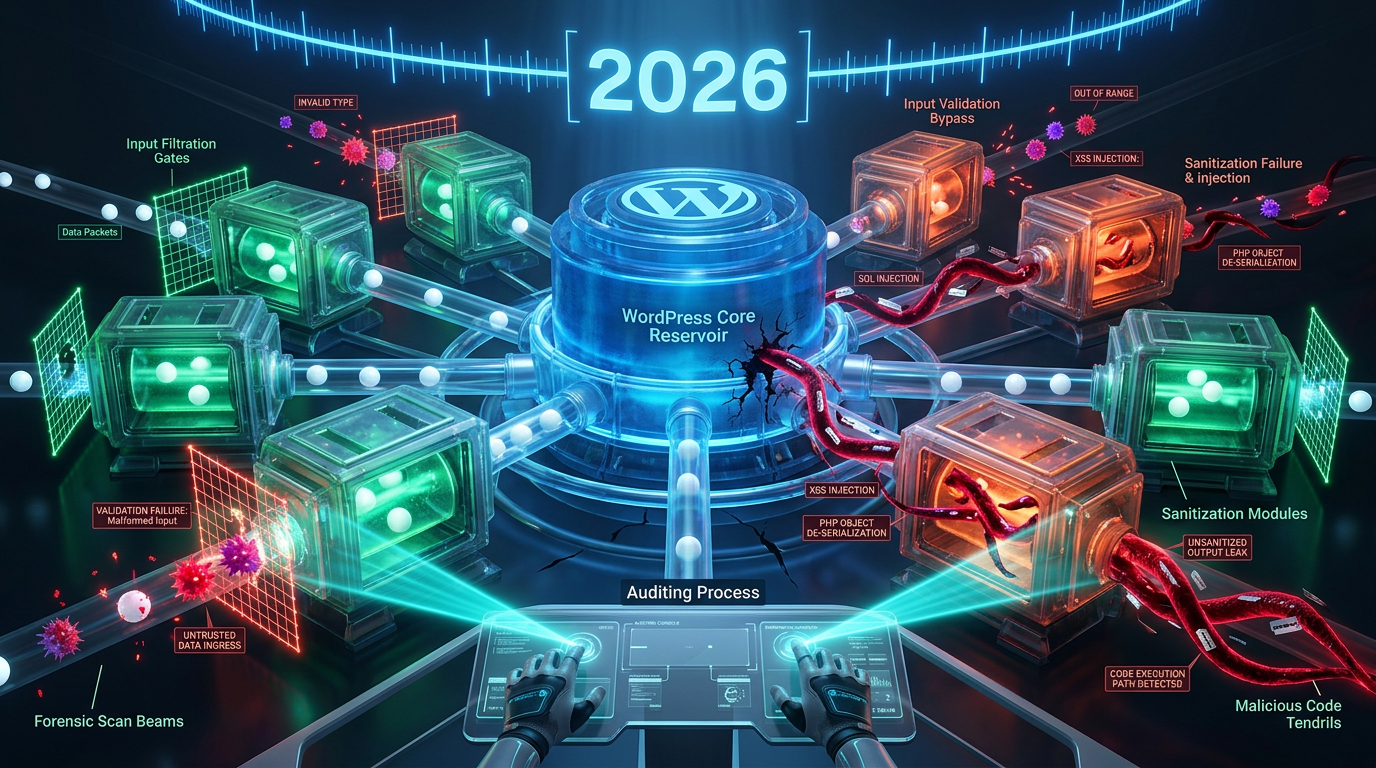
While the benefits of WordPress plugin personalization are undeniable, it's crucial to acknowledge and address potential risks. Specifically, the integration of various plugins, especially those dealing with user data, can introduce vulnerabilities if not managed meticulously. Our ongoing project focuses on evaluating and comparing these plugins, highlighting key areas of concern such as security, performance, and compatibility.
One primary risk is security vulnerabilities. Outdated code, insecure configurations, or excessive permissions granted to personalization plugins can open doors for malicious attacks. These threats range from data breaches compromising user information to complete website defacement. Therefore, rigorous vetting and continuous monitoring are absolutely essential. Delve deeper into critical cybersecurity aspects in The Silent Auditors: Unmasking Digital Forensics & Incident Response in WordPress Plugins (2026).
Additionally, performance degradation is another common issue. Some personalization plugins, especially those implementing complex logic or making frequent server requests, can slow down your website. This directly impacts user experience and SEO rankings. Compatibility problems can also arise when multiple plugins clash, leading to unexpected errors or broken functionalities. Always test new plugins thoroughly in a staging environment before deploying them to your live site.
Common Plugin-Related Threats
- Outdated Code: Plugins not regularly updated often contain known security flaws.
- Insecure Configurations: Default settings might be insecure; always review and adjust them.
- Excessive Permissions: Granting a plugin more access than it truly needs creates unnecessary risk.
- Third-Party Dependencies: Relying on external services or libraries can introduce vulnerabilities outside your direct control.
- Data Handling Practices: Inadequate encryption or storage of personalized user data is a significant compliance and security concern.
Best Practices for Secure and Efficient WordPress Plugin Personalization
To harness the full potential of WordPress plugin personalization while mitigating risks, adhering to best practices is crucial. Firstly, choose reputable plugins from well-known developers with a strong track record of security and regular updates. Before installing any plugin, check its last update date, user reviews, and support forum activity. A plugin that hasn’t been updated in over six months, especially in 2026, is a significant red flag.
Secondly, always keep your WordPress core, themes, and all plugins updated to their latest versions. This is perhaps the single most effective way to protect against known security vulnerabilities. Implement a robust backup strategy, ensuring that you can quickly restore your website in the event of an issue. Regularly audit plugin permissions and remove any that are unnecessarily broad. For more on protecting your site, read about The Silent Alchemists: How WordPress Plugins Remodel Digital Resilience & Disaster Recovery in 2026.
When it comes to performance, test the impact of personalization plugins using tools like Google PageSpeed Insights or GTmetrix. Optimize images, leverage caching solutions, and consider using a Content Delivery Network (CDN) to offset any potential slowdowns. For compatibility issues, always deploy new plugins on a staging site first to identify and resolve conflicts before they affect your live audience.
Maintaining Secure and Stable Personalization
- Regular Backups: Implement daily or weekly backups of your entire site.
- Staging Environment Testing: Never install new plugins directly on a live site.
- Least Privilege Principle: Grant plugins only the necessary permissions.
- Code Reviews (if applicable): For critical custom plugins, consider professional code audits.
- Monitor Performance: Continuously track website loading speeds and server response times.
Future Trends in WordPress Plugin Personalization for 2026 and Beyond
The landscape of WordPress plugin personalization is continually evolving, with advanced technologies shaping its future. In 2026, we are witnessing a significant push towards hyper-personalization, where individual user intent is predicted with remarkable accuracy. This involves deeper integration of AI and machine learning, allowing for predictive content delivery and adaptive user interfaces that change in real-time based on subtle cues.
Expect more intelligent A/B testing functionalities directly integrated into personalization plugins, enabling continuous optimization of personalized experiences. The rise of voice search and augmented reality (AR) in web interactions will also pave the way for new forms of personalized content delivery. Furthermore, ethical AI and transparent data usage will become even more critical. Plugins will offer clearer insights into how user data is utilized for personalization purposes. You can find more discussions on these topics from resources like Pew Research Center on the Future of AI.
Ultimately, the focus will shift towards a more seamless omnichannel experience. Personalization won't be confined to just your website; it will extend across email campaigns, social media interactions, and even offline touchpoints, all orchestrated through sophisticated WordPress plugin personalization solutions. This holistic approach aims to create a consistent, tailored journey for the user, regardless of their interaction point, and will greatly contribute to building Digital Trust & Credibility Metrics in 2026.
Emerging Personalization Technologies
- Predictive Analytics: Anticipating user needs before they explicitly express them.
- AI-Powered Content Generation: Dynamically creating personalized snippets or recommendations.
- Voice UI Integration: Personalizing responses for voice-activated interactions.
- Cross-Platform Synchronization: Ensuring consistent personalization across all user touchpoints.
- Enhanced Privacy Controls: Empowering users with more granular control over their data in personalization.
Choosing the Right WordPress Plugin Personalization Solution
Selecting the ideal WordPress plugin personalization solution for your website requires careful consideration. It's not just about features; it's about finding a plugin that aligns with your specific goals, technical capabilities, and budget. Begin by defining what you want to achieve with personalization. Are you aiming to increase sales, reduce bounce rates, improve lead generation, or enhance content consumption? Your objectives will guide your choice.
Evaluate plugins based on their ease of use, documentation, and the quality of customer support. Technical complexity can quickly become a barrier if you don't have the necessary expertise. Look for robust integration capabilities with other essential WordPress plugins you use, such as e-commerce platforms, CRM systems, or analytics tools. A seamless ecosystem is vital for an efficient personalization strategy. Finally, always review the plugin's pricing structure and ensure it offers good value for its capabilities, especially considering the longevity and maintenance aspects. For further insights on general plugin management and considerations, consult resources like the official WordPress Plugin Directory.
The right WordPress plugin personalization can truly transform your website. It turns casual visitors into loyal customers by offering them experiences that feel uniquely designed for them. By staying informed about the latest trends and best practices, site owners can confidently navigate the exciting and evolving world of web personalization in 2026.
Frequently Asked Questions

Written by Aras Akıncılar
Uzun yıllara dayanan WordPress deneyimine sahip bir siber güvenlik uzmanı olarak, eklenti ekosisteminin derinlemesine analizine odaklanıyorum. Güvenlik açıkları, performans düşüşleri ve uyumluluk sorunları üzerine hazırladığım makalelerle, WordPress kullanıcılarının sitelerini daha güvenli ve verimli hale getirmelerine yardımcı olmayı hedefliyorum.