Demystifying WordPress Plugin Privilege Escalation: A Deep Dive into Role Management & Security in 2026
In the evolving landscape of web security, understanding and mitigating vulnerabilities is paramount. One significant threat that WordPress site administrators frequently encounter is WordPress plugin privilege escalation. This type of vulnerability can allow an attacker or a malicious actor to gain higher-level permissions than they were initially granted, potentially leading to full control over a website. As we navigate 2026, the complexity of plugin ecosystems demands a thorough grasp of how these escalations occur and, more importantly, how to prevent them.
For more insights into how plugins are shaping the contemporary web, you might want to explore articles like The Silent Orchestrators: How WordPress Plugins Dictate the Future of Web Security Protocols in 2026.
Understanding WordPress Plugin Privilege Escalation
WordPress plugin privilege escalation refers to security flaws within a plugin that enable an unauthorized user to elevate their access rights on a WordPress site. This could mean a subscriber gaining editor capabilities, an editor becoming an administrator, or even an unauthenticated user executing administrative functions. Such vulnerabilities often stem from insufficient authorization checks, insecure coding practices, or misconfigurations within the plugin's integration with WordPress's core capabilities.
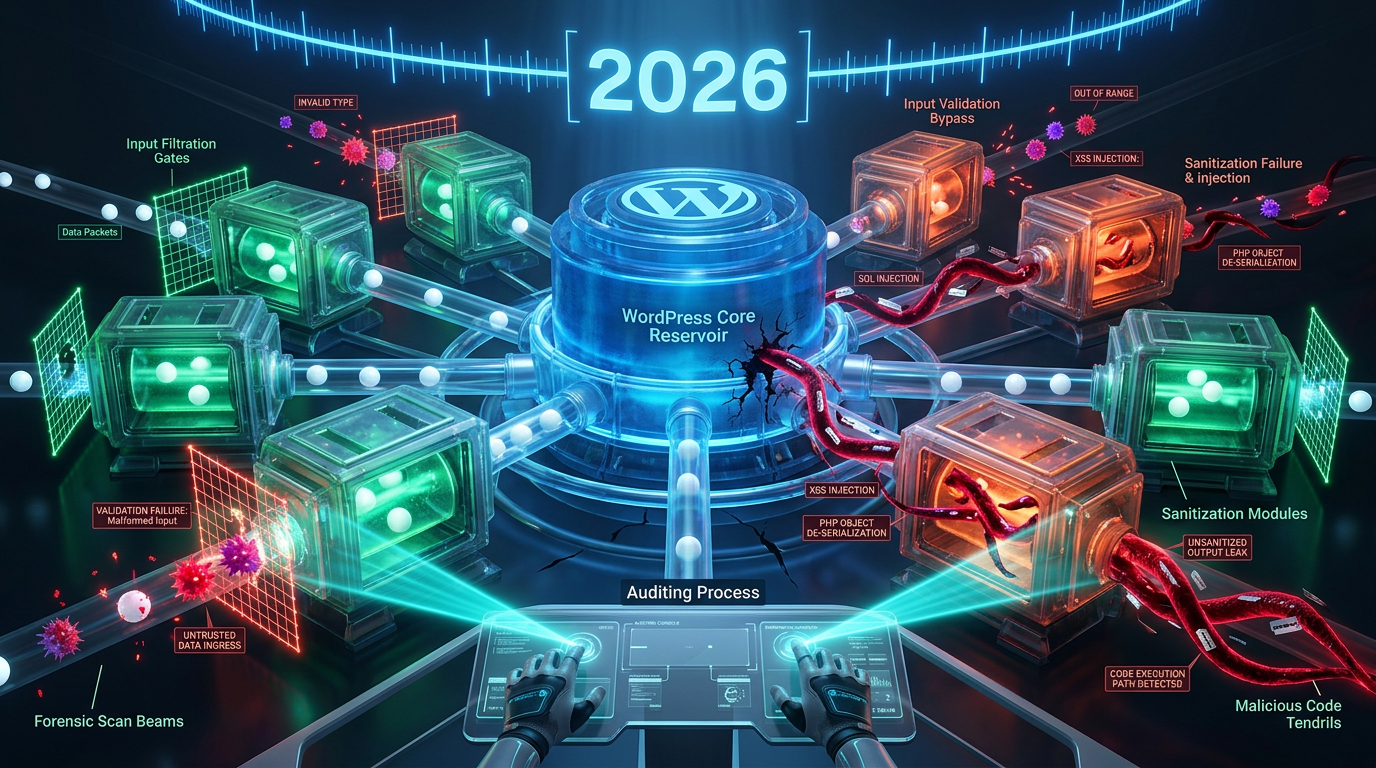
The impact of a successful privilege escalation attack can range from defacing a website to data theft, injecting malware, or creating new administrative accounts. Given that plugins extend WordPress's functionality so widely, they also introduce a broad attack surface that requires constant vigilance. For a deeper dive into mitigating risks, consider reading about Unmasking Digital Forensics & Incident Response in WordPress Plugins (2026).
Common Causes of Privilege Escalation
- Broken Access Control: This is the most common cause. Plugins might not adequately verify if a user has the necessary permissions to perform a specific action, allowing lower-privileged users to bypass restrictions.
- Insecure Direct Object References: Attackers can manipulate parameters that directly reference objects (like user IDs or file paths) to gain unauthorized access to data or functions.
- Improper Role Management: Some plugins introduce custom roles or capabilities but fail to secure them properly, creating new avenues for privilege escalation.
- Bypassable Nonces: While nonces are a security measure, if implemented incorrectly, they can sometimes be bypassed, allowing unauthorized requests to proceed.
The Role of WordPress Role Management in Preventing Privilege Escalation
WordPress comes with a robust role management system designed to control what different user types can and cannot do. By default, roles include Administrator, Editor, Author, Contributor, and Subscriber, each with a predefined set of capabilities. Plugins often extend this system by adding custom roles or capabilities specific to their features.
Effective role management, both at the core WordPress level and within individual plugins, is crucial for preventing WordPress plugin privilege escalation. Developers must adhere to best practices when defining and assigning capabilities, ensuring that actions are only accessible to users with the appropriate permissions. This also ties into how plugins are Remodeling User Permissions & Privilege Elevation in 2026.
Best Practices for Plugin Role Integration
- Principle of Least Privilege: Plugins should only grant the bare minimum capabilities required for a user or action to function. Avoid assigning overly broad permissions.
- Utilize WordPress Core Capabilities: Wherever possible, leverage existing WordPress capabilities (e.g.,
manage_options,edit_posts,edit_users) rather than inventing custom ones unless absolutely necessary. - Thorough Capability Checks: Every function that performs a sensitive action should include explicit capability checks (e.g.,
current_user_can('manage_options')) to ensure the user is authorized. - Sanitize and Validate Input: Always sanitize and validate user input, even for actions performed by seemingly trusted roles. Malicious input can sometimes be crafted to exploit hidden vulnerabilities. For further reading on this, check out how WordPress Plugins Remold User Input & Form Security in 2026.
Identifying and Auditing Plugins for Privilege Escalation Vulnerabilities
As a website administrator, proactively identifying potential WordPress plugin privilege escalation vulnerabilities is a critical task. With thousands of plugins available, manual audits are often impractical. Fortunately, there are tools and strategies to help.
Regular security audits are non-negotiable in 2026. This includes scanning your website for known vulnerabilities, keeping all plugins updated, and carefully evaluating new plugins before installation.
Tools and Strategies for Auditing
- Security Scanners: Utilize reputable WordPress security plugins (e.g., Wordfence, Sucuri Security) that include vulnerability scanning features. These tools often detect known vulnerabilities, including privilege escalation issues.
- Vulnerability Databases: Consult public vulnerability databases (e.g., WPScan Vulnerability Database, CVE) for information on known plugin vulnerabilities. Stay informed about recently disclosed security flaws.
- Code Review (for advanced users): If you have the expertise, perform manual code reviews of plugins, especially those critical to your site or custom-developed ones. Look for common security pitfalls like insufficient access checks.
- Penetration Testing: For high-value websites, consider engaging professional penetration testers who can actively try to exploit vulnerabilities, including privilege escalation.
- Plugin Ratings and Reviews: Before installing a new plugin, check its ratings, reviews, and how actively it's maintained. Plugins with infrequent updates or a history of security issues should be approached with caution.
Preventing WordPress Plugin Privilege Escalation: Best Practices for 2026
Preventing WordPress plugin privilege escalation requires a multi-layered approach involving both proactive measures by website administrators and responsible development by plugin authors. In 2026, security is not an afterthought but an integral part of the development and maintenance lifecycle.
Adopting a security-first mindset is paramount. This means understanding that every plugin, theme, and line of custom code introduces potential risks if not handled correctly.
Essential Prevention Measures
- Keep Everything Updated: Regularly update WordPress core, themes, and all plugins. Updates often include critical security patches for newly discovered vulnerabilities, including privilege escalation flaws.
- Choose Reputable Plugins: Only download plugins from trusted sources like the official WordPress Plugin Directory or well-known commercial vendors. Avoid plugins from unknown or suspicious websites.
- Limit Plugin Installation: Install only the plugins that are absolutely essential for your site's functionality. The fewer plugins you have, the smaller your attack surface.
- Delete Unused Plugins: Deactivate and delete any plugins you are no longer using. Simply deactivating a plugin does not remove its code, which could still harbor overlooked vulnerabilities.
- Implement Strong User Role Management: Tailor user roles and capabilities to the exact needs of each user. Avoid giving unnecessary administrative access. Use a role editor plugin if core roles aren't granular enough.
- Use a Web Application Firewall (WAF): A WAF can provide an additional layer of security by filtering malicious traffic and blocking known attack patterns before they reach your WordPress site, potentially mitigating some privilege escalation attempts.
- Regular Backups: Maintain regular, secure backups of your entire WordPress site. In the event of an attack, a clean backup can be your most valuable recovery tool.
- Educate Yourself and Your Team: Stay informed about the latest WordPress security threats and best practices. Security is an ongoing process, not a one-time setup.
By diligently following these recommendations, website owners can significantly reduce their exposure to WordPress plugin privilege escalation and maintain a more secure online presence in 2026 and beyond.
Frequently Asked Questions

Written by Aras Akıncılar
Uzun yıllara dayanan WordPress deneyimine sahip bir siber güvenlik uzmanı olarak, eklenti ekosisteminin derinlemesine analizine odaklanıyorum. Güvenlik açıkları, performans düşüşleri ve uyumluluk sorunları üzerine hazırladığım makalelerle, WordPress kullanıcılarının sitelerini daha güvenli ve verimli hale getirmelerine yardımcı olmayı hedefliyorum.