The Silent Cartel: Unmasking Supply Chain Attacks & Software Bill of Materials (SBOM) in WordPress Plugin Supply Chain Security (2026)
In the evolving digital landscape of 2026, understanding and mitigating risks is paramount, especially when it comes to the integrity of your website. WordPress plugin supply chain security has emerged as a critical concern for website administrators and developers alike. The reliance on third-party plugins, while offering unparalleled functionality and flexibility, also introduces a complex web of dependencies that attackers can exploit. This article delves into the silent threat of supply chain attacks targeting WordPress plugins and introduces the concept of Software Bill of Materials (SBOM) as a foundational defense mechanism.
For a broader look at how WordPress plugins operate within complex environments, explore articles like "The Silent Symbiotes: Unmasking Cross-Container & Virtualization Risks in WordPress Plugins (2026)" which highlights similar interconnected security challenges.
The Rising Threat of Supply Chain Attacks in WordPress Plugin Supply Chain Security
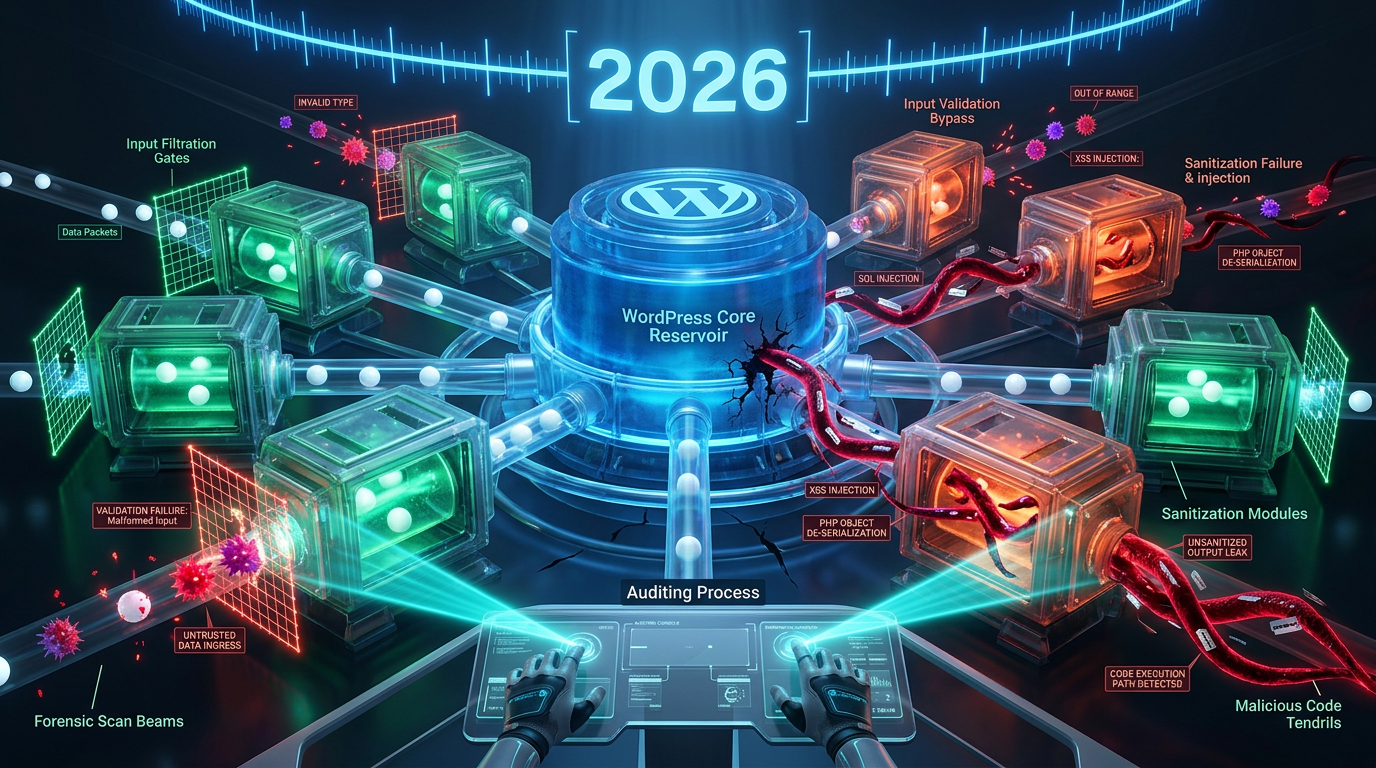
The ubiquity of WordPress means it's a prime target for malicious actors. Supply chain attacks, where an attacker compromises a component of a software build process or distribution, rather than directly attacking the end-user, have become increasingly sophisticated in recent years. For WordPress users, this often translates to malicious code being injected into seemingly legitimate plugins, extensions, or their dependencies, leading to widespread compromise.
Understanding the Attack Vector
A supply chain attack in the WordPress ecosystem typically involves several stages. First, an attacker identifies a vulnerable or poorly maintained plugin, or even compromises the developer's infrastructure. Second, malicious code is injected into the plugin's source code, often subtly camouflaged. Third, when users update or install the compromised plugin, the malicious code is automatically deployed onto their websites, potentially leading to data breaches, site defacements, or the establishment of persistent backdoors. These risks are echoed in discussions about how plugins handle sensitive data, as detailed in "The Silent Alchemists: How WordPress Plugins Remodel User Data and Privacy in 2026".
Recent Trends and Statistics (2026)
As of 2026, reports indicate a significant uptick in supply chain-related incidents affecting open-source projects, including WordPress. Security firms have highlighted several high-profile attacks where popular plugins, some with millions of active installations, were found to contain vulnerabilities introduced during their development or release cycles. This underscores the urgent need for robust WordPress plugin supply chain security measures. For additional insights into how third-party components contribute to overall security posture, consider "The Silent Orchestrators: How WordPress Plugins Dictate Third-Party Dependency Loading & Supply Chain Integrity in 2026".
Beyond Surface-Level Scans: Deep Dive into Plugin Vulnerabilities
Traditional security practices often focus on scanning installed plugins for known vulnerabilities. While essential, this approach is no longer sufficient to counter modern supply chain threats. Attackers are increasingly targeting dependencies—libraries, frameworks, and other code modules—that a plugin relies upon, rather than the plugin's primary code itself.
Outdated Code and Dependencies
Many WordPress plugins, especially older or less actively maintained ones, incorporate outdated external libraries or code components. These components might contain known vulnerabilities that have been patched in newer versions, but the plugin developer may not have updated them. This creates a hidden weakness in the supply chain that can be easily exploited.
Insecure Configurations and Excessive Permissions
Beyond code, configuration errors and overly permissive settings within plugins can also pose significant risks. A plugin that requires excessive file system permissions or allows arbitrary code execution due to misconfiguration can be a gateway for attackers, regardless of the integrity of its core code. Evaluating these aspects is crucial for comprehensive WordPress plugin supply chain security.
Third-Party Risk: The Hidden Network
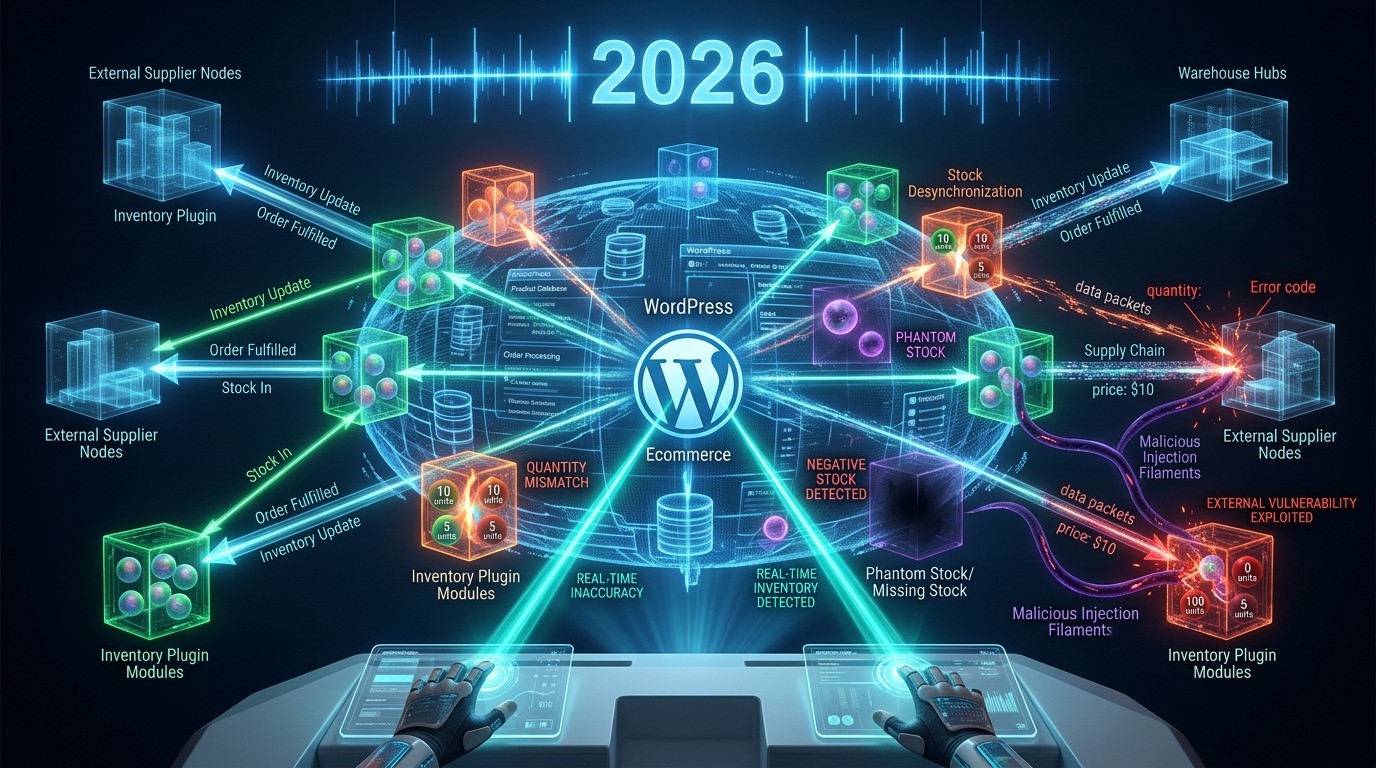
Every plugin often comes with a network of third-party dependencies. Think of analytics scripts, payment gateways, or external APIs. Each of these introduces an additional layer of potential vulnerability. If any part of this extended supply chain is compromised, your WordPress site could be at risk, even if the plugin itself is technically secure. This highlights the dangers of unchecked runtime instrumentation and code profiling risks introduced by plugins.
The Role of Software Bill of Materials (SBOM) in Enhancing WordPress Plugin Supply Chain Security
To combat the complex nature of supply chain attacks, the concept of a Software Bill of Materials (SBOM) has gained significant traction. An SBOM is essentially a formal, machine-readable list of ingredients that make up a software component. For WordPress plugins, an SBOM would detail every piece of code, library, and dependency included in the plugin, along with their versions and origins.
What an SBOM Contains
A comprehensive SBOM for a WordPress plugin would typically include:
- Component Name and Version: Identifiers for each distinct piece of software.
- Supplier Name: The entity responsible for creating or maintaining the component.
- Dependencies: A clear list of other components that this component relies upon.
- License Information: Details about the legal terms governing the use of each component.
- Hash Values: Cryptographic hashes to ensure the integrity of the components over time.
- Vulnerability Information (Optional but Recommended): Links to known vulnerabilities associated with specific component versions.
Benefits of Implementing SBOMs for WordPress Plugins
Implementing SBOMs offers several substantial benefits for improving WordPress plugin supply chain security:
- Enhanced Transparency: Provides a clear, detailed inventory of all software components within a plugin.
- Proactive Vulnerability Management: Allows developers and users to quickly identify and address known vulnerabilities in specific components.
- Improved Compliance: Helps in meeting regulatory requirements for software supply chain transparency, a growing concern as outlined by entities like the Cybersecurity & Infrastructure Security Agency (CISA).
- Faster Incident Response: In the event of a compromise, an SBOM can significantly speed up the process of identifying affected components and potential attack vectors.
- Better Due Diligence: Empowers users to make more informed decisions about which plugins to install based on their component makeup.
Implementing Best Practices for Robust WordPress Plugin Supply Chain Security
While the widespread adoption of SBOMs in the WordPress ecosystem is still evolving, there are immediate and actionable steps site owners and developers can take to bolster their defenses against supply chain attacks in 2026.
For WordPress Site Owners and Administrators:
- Choose Reputable Developers: Prioritize plugins from established developers with a strong track record of security.
- Regularly Update: Keep all WordPress core, themes, and plugins updated to their latest versions.
- Minimize Plugin Count: Install only essential plugins to reduce the attack surface.
- Perform Security Audits: Regularly scan your website for vulnerabilities and malware using reputable security plugins.
- Monitor Logs: Keep an eye on your server and WordPress activity logs for suspicious behavior.
- Back Up Regularly: Maintain frequent and reliable backups of your entire WordPress installation.
For WordPress Plugin Developers:
- Secure Development Lifecycle (SDL): Integrate security practices throughout the entire development process, from design to deployment.
- Dependency Scanning: Use tools to regularly scan all third-party libraries and dependencies for known vulnerabilities, a practice heavily emphasized by leading cybersecurity organizations such as the Open Web Application Security Project (OWASP).
- Source Code Integrity: Implement measures like code signing and version control to prevent unauthorized modifications.
- SBOM Generation: Begin generating and publishing SBOMs for your plugins, even if it's in an early format. This significantly contributes to overall WordPress plugin supply chain security.
- Vulnerability Disclosure Program: Establish a clear process for users to report vulnerabilities and respond promptly.
The Future of WordPress Plugin Supply Chain Security in 2026 and Beyond
The landscape of cyber threats is constantly shifting, and supply chain attacks are likely to remain a significant challenge. However, the increased awareness and the development of tools like SBOMs offer a promising path forward. We can anticipate greater standardization of SBOM formats and wider adoption across the open-source community, including WordPress. Furthermore, AI-powered security solutions are starting to play a larger role in detecting anomalies within software components, further strengthening WordPress plugin supply chain security. The integration of advanced security measures will be crucial, as explored in discussions around WordPress and Quantum Computing Intersections in 2026.
Community Collaboration and Open Standards
The strength of WordPress lies in its community. Collaborative efforts between core developers, plugin authors, security researchers, and hosting providers will be crucial. Adoption of open standards for SBOMs and shared threat intelligence will enable a more resilient ecosystem, making it harder for "silent cartels" to infiltrate and exploit the software supply chain. By prioritizing transparent development practices and empowering users with better information, we can collectively build a safer future for WordPress websites, and foster an environment where developers can easily share and verify future-proof and backward-compatible plugins.
Frequently Asked Questions

Written by Aras Akıncılar
Uzun yıllara dayanan WordPress deneyimine sahip bir siber güvenlik uzmanı olarak, eklenti ekosisteminin derinlemesine analizine odaklanıyorum. Güvenlik açıkları, performans düşüşleri ve uyumluluk sorunları üzerine hazırladığım makalelerle, WordPress kullanıcılarının sitelerini daha güvenli ve verimli hale getirmelerine yardımcı olmayı hedefliyorum.