WordPress Plugin Usability: Elevating User Interaction
In the dynamic digital landscape of 2026, user experience is paramount. Therefore, the role of WordPress plugin usability has become more critical than ever. These "silent alchemists" subtly yet profoundly reshape how users interact with websites, transforming basic functionalities into intuitive and engaging experiences. This article delves into the intricate world of WordPress plugins, evaluating their impact on user interaction, highlighting potential risks, and offering best practices for harnessing their power to enhance usability.
Understanding WordPress Plugin Usability in the Modern Web
WordPress plugin usability isn't just about core functionality; it's about seamless integration, intuitive controls, and a smooth user journey. As WordPress continues to power over 43% of all websites, the quality of its plugins directly influences a significant portion of the internet's user experience. In 2026, users expect instant gratification and effortless navigation, making well-designed plugins truly indispensable.
The Pillars of Great Plugin Usability
- Intuitive Interface: Plugins should boast clean, easily understandable settings and dashboards, even for non-technical users. Cluttered interfaces deter users and complicate management.
- Seamless Integration: A truly usable plugin feels like an extension of WordPress itself, not an afterthought. It should integrate visually and functionally with the core system. For more on advanced integrations, see The Silent Virtuosos: Unmasking WordPress Plugins Orchestrating Advanced Browser APIs & Client-Side Automation in 2026.
- Clear Documentation: Comprehensive and accessible documentation empowers users to troubleshoot issues and fully leverage a plugin's features without constant developer intervention.
- Accessibility Standards: In 2026, adhering to WCAG (Web Content Accessibility Guidelines) is paramount. Plugins must be designed to be usable by everyone, regardless of their abilities. For insights into ensuring broader digital inclusion, explore resources like W3C's Introduction to Web Accessibility.
Evolving User Expectations in 2026
User expectations have significantly soared. Consequently, slow-loading pages, confusing forms, or broken features are no longer tolerated. Website visitors expect responsiveness across all devices, interactive elements, and personalized experiences. Plugins that contribute positively to these aspects are the ones that thrive, demonstrating strong WordPress plugin usability. For a deeper dive into personalization trends, read about The Silent Augmenters: How WordPress Plugins Are Leveraging Micro-Augmentations for Hyper-Personalization Beyond User Data in 2026.
Evaluating Plugin Functionalities and Potential Risks to Usability
While plugins unquestionably enhance functionality, their addition isn't without peril. A thorough analysis of a plugin's features must always be accompanied by an assessment of its potential drawbacks. These drawbacks can severely impact overall website usability and performance, directly affecting WordPress plugin usability.
Security Vulnerabilities and Their Usability Impact
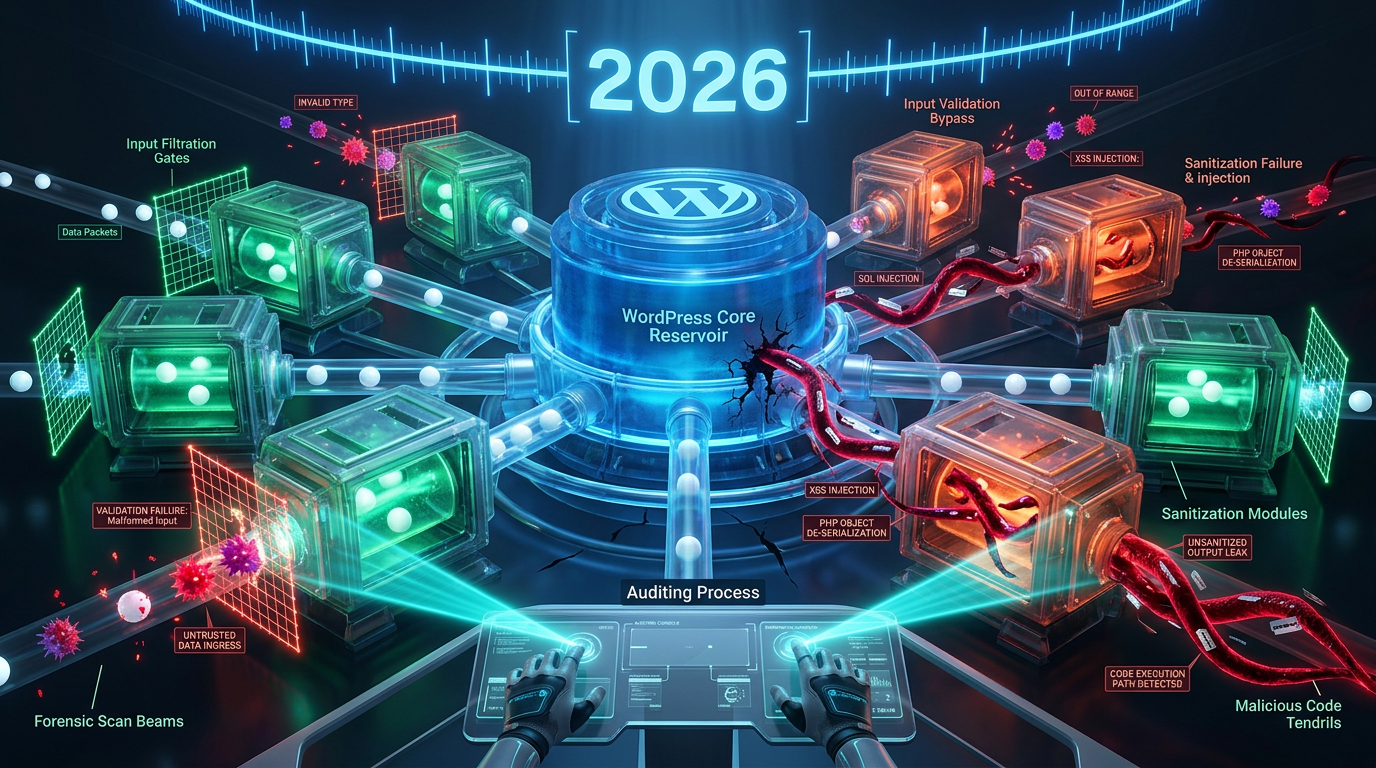
One of the most significant risks plugins introduce is security vulnerabilities. Outdated code, weak authentication, or insecure data handling can lead to website breaches. A compromised website, even if visually intact, becomes unusable due to loss of trust, data exposure, and potential blacklisting by search engines. Users will abandon a site they perceive as unsafe, destroying any gains in functional usability. For comprehensive security audits, consider topics discussed in The Silent Empaths: Auditing WordPress Plugins for Social Engineering & Human Factor Risks in 2026.
- Outdated Code: Many vulnerabilities stem from plugins not being updated, leaving known exploits unpatched.
- Insecure Configurations: Poorly configured plugins can expose sensitive information or create backdoors.
- Excessive Permissions: Plugins requesting unnecessary write access or admin privileges create pathways for malicious activity.
Performance Issues Harming WordPress Plugin Usability
Bloated or poorly coded plugins can dramatically slow down a website. This is a direct assault on usability. Slow loading times lead to high bounce rates, frustrated users, and lower search engine rankings. Even the most feature-rich plugin is detrimental if it degrades the user experience through sluggishness. Evaluating the code quality and efficiency of a plugin is crucial for maintaining excellent WordPress plugin usability. Understanding server configurations can also illuminate performance bottlenecks, as explored in The Silent Bioreactors: How WordPress Plugins Metabolize & Excrete Server Configurations in 2026.
- Unoptimized Queries: Plugins performing inefficient database queries can hog server resources.
- Excessive Scripts/Styles: Too many JavaScript files or CSS stylesheets can significantly increase page load times.
- Large Resource Consumption: Plugins using excessive CPU or memory can degrade overall server performance.
Compatibility Problems and Their Effect on User Flow
Plugins often clash with each other, with the WordPress core, or with themes. These compatibility issues can manifest as broken layouts, non-functional features, or even a completely "white screen of death." Such problems immediately render a website unusable, forcing users away and requiring significant time and effort to resolve. Ensuring plugins are actively maintained and compatible with the latest WordPress versions is vital for preserving WordPress plugin usability.
- Theme Conflicts: Plugins that override theme styling or JavaScript can cause visual breakdowns.
- Plugin Collisions: Two plugins attempting to modify the same core WordPress function can lead to errors.
- WordPress Core Updates: Older plugins might not be compatible with newer WordPress versions, leading to malfunctions or security gaps.
Common Plugin-Related Threats to Overall Site Usability
Beyond the direct functional and security risks, several common plugin-related threats can subtly erode user trust and site usability over time. Therefore, vigilance and proactive management are essential to mitigate these issues and maintain robust WordPress plugin usability.
Third-Party Dependencies and Supply Chain Risks
Many plugins rely on external libraries or services. While these dependencies can certainly extend functionality, they also introduce supply chain risks. If a third-party service is compromised or becomes unavailable, it can directly impact the plugin's functionality and, by extension, the website's usability. Users may encounter broken features or unresponsive elements due to issues outside the direct control of the plugin developer.
Data Privacy Concerns and User Trust
In 2026, data privacy is paramount. Plugins that collect excessive user data without clear consent or secure handling practices can lead to significant trust issues. Breaches of privacy regulations like GDPR or CCPA, often stemming from plugin misconfigurations or vulnerabilities, can result in severe legal penalties and irreversible damage to reputation and user confidence. Transparency regarding data collection and robust security measures are integral to positive WordPress plugin usability. For further reading on data sovereignty, refer to insights from Unmasking WordPress Plugins as Data Sovereignty Agents & Their Global Impact in 2026.
Best Practices for Enhancing WordPress Plugin Usability and Security
Maintaining a secure, stable, and high-performance WordPress website while leveraging the power of plugins requires a strategic approach. Adhering to best practices ensures that plugins truly enhance, rather than detract from, user interaction and system integrity. This directly contributes to improved WordPress plugin usability.
Strategic Plugin Selection
Choosing the right plugins is the first and most crucial step. Before installation, conduct thorough research:
- Check Reviews and Ratings: Look for plugins with high ratings and positive reviews, particularly recent ones.
- Active Development: Ensure the plugin is regularly updated, ideally within the last few months. This indicates ongoing support and security patching.
- Developer Reputation: Consider the developer's history and trustworthiness. Are they responsive to support requests?
- Necessity vs. Feature Creep: Only install plugins that genuinely deliver needed functionality. Avoid "feature creep" that unnecessarily bloats your site and complicates WordPress plugin usability. For guidance on optimizing content modules, see The Silent Curators: Unmasking WordPress Plugins Dictating Content Modularity & Reusability in 2026.
Regular Maintenance and Updates
Outdated plugins are a leading cause of security vulnerabilities and compatibility issues. Establish a routine for:
- Frequent Updates: Update plugins as soon as new versions are released, especially for security patches.
- Staging Environments: Test updates on a staging site before pushing them to live to catch any compatibility issues.
- Plugin Audits: Periodically review installed plugins. Deactivate and delete any that are no longer necessary or are poorly maintained. Keep up with the latest in WordPress plugin auditing practices through resources like the WordPress Plugin Security Scanner.
Security Measures and Monitoring
Proactive security is key to mitigating plugin-related risks:
- Security Plugins: Utilize reputable WordPress security plugins for firewalls, malware scanning, and login protection.
- Least Privilege Principle: Ensure plugins only have the necessary permissions to function.
- Regular Backups: Implement a robust backup strategy to quickly recover from any plugin-induced issues or security breaches. Understanding how plugins handle digital resilience is crucial; for more, see The Silent Alchemists: How WordPress Plugins Remodel Digital Resilience & Disaster Recovery in 2026.
- Conflict Detection: Tools and manual checks to identify and resolve conflicts between plugins, themes, and WordPress core can save immense troubleshooting time and maintain fluid WordPress plugin usability.
The Future of WordPress Plugin Usability in 2026 and Beyond
As WordPress evolves, so too will its plugin ecosystem. We anticipate further advancements in AI-powered optimization tools, greater emphasis on performance by default, and increasingly stringent security standards. Developers will likely focus more on modular, lightweight plugins that offer highly specific functionalities, further boosting WordPress plugin usability by reducing bloat and improving compatibility.
The trend towards headless WordPress and block-based editing (Gutenberg) will also influence plugin development. This will push for more integrated and flexible solutions that empower users to build dynamic experiences without extensive coding. Ultimately, the "silent alchemists" will continue to shape the web, and their usability will remain a cornerstone of online success.
Frequently Asked Questions

Written by Aras Akıncılar
Uzun yıllara dayanan WordPress deneyimine sahip bir siber güvenlik uzmanı olarak, eklenti ekosisteminin derinlemesine analizine odaklanıyorum. Güvenlik açıkları, performans düşüşleri ve uyumluluk sorunları üzerine hazırladığım makalelerle, WordPress kullanıcılarının sitelerini daha güvenli ve verimli hale getirmelerine yardımcı olmayı hedefliyorum.