Decoding WordPress User Habits: How Plugins Reshape Digital Experiences in 2026
In the rapidly evolving digital landscape of 2026, understanding WordPress user habits is paramount for anyone building or managing a website. WordPress, powering over 43% of the internet, owes much of its versatility and enduring popularity to its vast ecosystem of plugins. These silent alchemists, often unnoticed until a problem arises, fundamentally remodel user expectations and forge distinct digital routines. This article delves into the intricate relationship between WordPress plugins and the formation of user behaviors, exploring how they introduce functionalities, streamline workflows, and inadvertently, sometimes, present risks.
To dive deeper into how plugins influence data handling, consider The Silent Alchemists: How WordPress Plugins Remodel User Data and Privacy in 2026.
The Genesis of WordPress User Habits: Plugins as Architects of Interaction
Plugins are not just add-ons; they are architects of the user experience. Each plugin installed brings new capabilities, prompting users to interact with their WordPress sites in specific ways. From optimizing images to managing e-commerce transactions, plugins dictate the rhythm of content creation, site management, and visitor engagement.
Modern WordPress users, both administrators and visitors, have come to expect a level of functionality and convenience that is largely delivered by plugins. This expectation shapes their approach to any website, often unconsciously. In 2026, the reliance on plugins for core functionalities is higher than ever, influencing everything from your site's digital fabric and semantic structure to back-end logic. For more on dynamic adaptations, explore The Silent Chameleons: How WordPress Plugins Dynamically Adapt to User Devices & Environments in 2026.
Enhancing Content Creation Workflows
- Visual Builders: Plugins like Elementor or Beaver Builder have transformed content creation from coding to intuitive drag-and-drop interfaces, encouraging more frequent content updates even by non-technical users.
- SEO Optimization Tools: Yoast SEO or Rank Math guide users through best practices, making SEO a routine part of publishing and thus influencing user search behaviors.
- Media Management: Advanced media libraries and compression plugins streamline the handling of images and videos, fostering a habit of rich, multimedia content.
Streamlining Site Management and Maintenance
For site administrators, plugins automate tasks that were once manual and time-consuming. This automation creates a habit of efficiency and a greater expectation of 'set-it-and-forget-it' functionality.
- Backup Solutions: Daily or weekly backups via UpdraftPlus or BackupBuddy become standard practice, instilling a sense of security and proactive data management.
- Security Scanners: Plugins like Wordfence or Sucuri perform continuous security checks, making regular security audits a fundamental part of maintaining a WordPress site.
- Performance Optimizers: Caching plugins and image optimization tools ensure fast loading times, driving the habit of continuous performance monitoring.
The Dual Nature of Plugins: Shaping WordPress User Habits and Introducing Risks
While plugins undeniably enhance functionality and shape positive WordPress user habits, they also introduce a unique set of challenges. Understanding these potential pitfalls is crucial for cultivating sustainable and secure online presences in 2026. The very convenience that plugins offer can sometimes mask underlying issues. Users, driven by the desire for quick solutions, might not always fully vet a plugin before installation, leading to unforeseen consequences down the line.
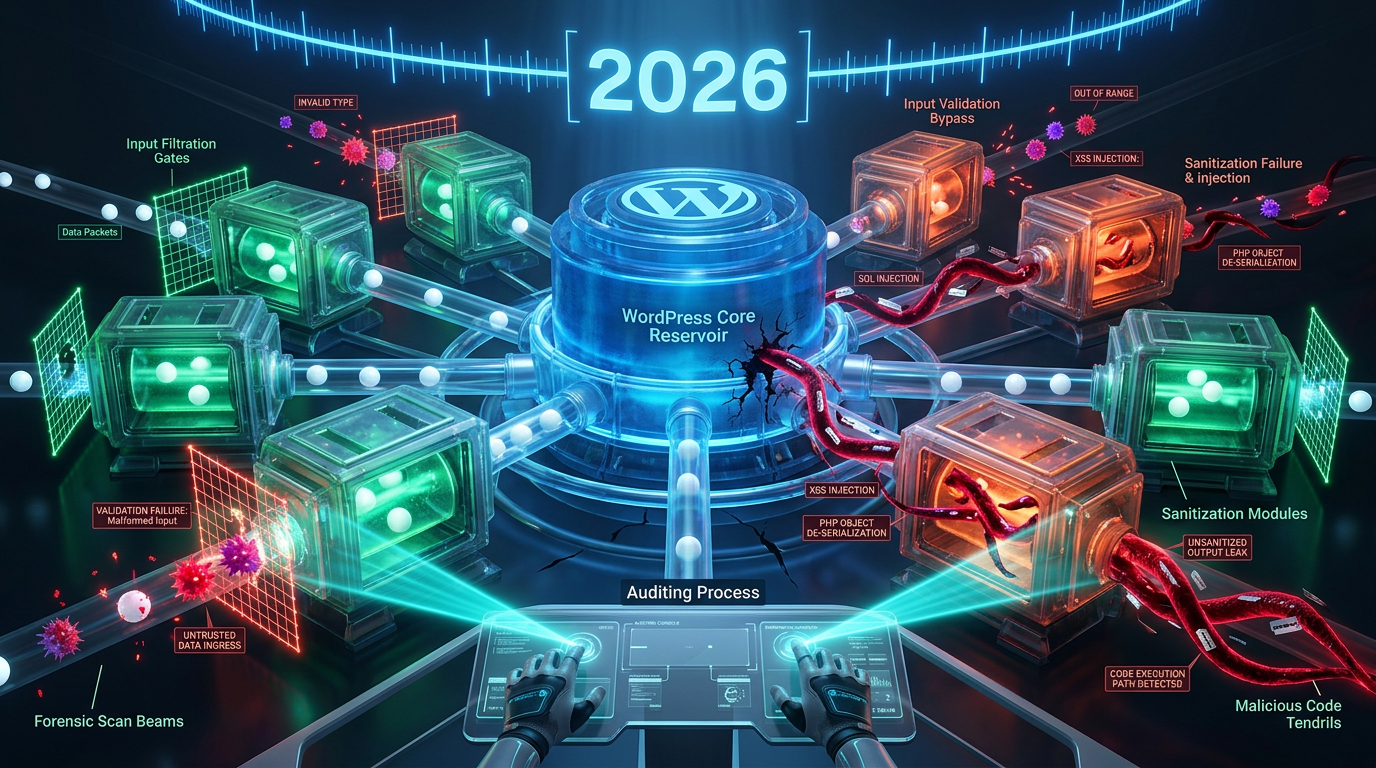
It's vital to consider OWASP Top 10 vulnerabilities when assessing plugin security, as many plugin-related issues fall into these categories.
Security Vulnerabilities: A Silent Threat
Each plugin adds a layer of code to a WordPress site, and with it, a potential entry point for attackers. Insecure configurations, outdated code, and excessive permissions are common vulnerabilities. For a deeper dive into access control issues, consult The Silent Alchemists: How WordPress Plugins Are Remodeling User Permissions & Privilege Elevation in 2026.
- Outdated Code: Plugins that are not regularly updated can become significant security risks, as discovered vulnerabilities are not patched. This can lead to data breaches and website defacement.
- Insecure Configurations: Default settings in some plugins might be weak, or users may inadvertently misconfigure them, exposing sensitive information or creating backdoors.
- Excessive Permissions: Many plugins request more permissions than strictly necessary for their core function. Granting these can give malicious actors unwarranted access if the plugin is compromised.
Performance Bottlenecks: Slowing Down the Experience
The more plugins a site has, the greater the potential for performance degradation. Each plugin adds to the resource load, increasing database queries and scripts.
- Increased HTTP Requests: Multiple plugins often mean more stylesheets and JavaScript files, leading to numerous HTTP requests that slow down page load times.
- Database Overload: Some plugins perform intensive database operations, which can put a strain on server resources and lead to slow responses.
- Inefficient Code: Poorly coded plugins can consume excessive memory and CPU, impacting the overall speed and responsiveness of the WordPress site.
Compatibility Conundrums: The Interplay of Plugins
The beauty of WordPress lies in its modularity, but this modularity can also lead to conflicts between plugins or between plugins and the WordPress core or theme.
- Plugin Conflicts: Two plugins attempting to modify the same functionality or relying on conflicting libraries can lead to unexpected errors, broken layouts, or even a completely inoperable site.
- Theme and Core Compatibility: A plugin might work perfectly with one theme but break another, or it might not be compatible with the latest version of WordPress, causing instability.
- Third-Party Dependencies: Many plugins rely on external APIs or services. If these third-party dependencies change or become unavailable, the plugin's functionality can be impaired. This touches upon supply chain integrity issues.
Best Practices for Nurturing Healthy WordPress User Habits in 2026
Cultivating positive WordPress user habits involves a proactive approach to plugin management. As we navigate the complexities of 2026, focusing on security, performance, and compatibility will ensure a robust and enjoyable digital experience.
It's not enough to simply install plugins; ongoing vigilance and informed decision-making are crucial for maintaining a healthy WordPress ecosystem. Regular audits are essential to unearth and resolve latent technical debt in WordPress plugins.
Vetting Plugins Before Installation
- Check Reviews and Ratings: High ratings and positive reviews from a large user base are strong indicators of a reliable plugin.
- Verify Last Update: A plugin that hasn't been updated recently (within the last few months) might be abandoned or no longer supported, posing security risks.
- Review Support Forums: Active support forums indicate a responsive developer community and quick resolution of issues.
- Examine Developer Reputation: Reputable developers often have a portfolio of well-maintained plugins and a strong presence in the WordPress community.
Strategic Plugin Management
- Only Install What's Needed: Avoid plugin bloat. Each unnecessary plugin is a potential risk or performance drain.
- Regular Updates: Staying current with plugin updates is paramount for security and compatibility. Enable automatic updates for trusted plugins if possible.
- Scheduled Audits: Periodically review installed plugins, deactivate and delete any that are no longer essential or are causing issues.
- Testing Environment: Always test new plugins and updates in a staging environment before deploying them to a live site.
Security-Focused WordPress User Habits
For both administrators and website visitors, security-conscious behaviors are more critical than ever. Plugins can either strengthen or weaken a site's defenses, shaping how users perceive the integrity of their online interactions.
- Strong Passwords and Two-Factor Authentication: Implementing these foundational security measures for all WordPress users reduces the risk of unauthorized access.
- Regular Backups: Make backups a routine, whether automated via a plugin or manually. This protects against data loss from any plugin mishap.
- Security Scans: Utilize security plugins to regularly scan for malware, vulnerabilities, and malicious activity.
The Future of WordPress User Habits: AI and Beyond in 2026
Looking ahead, the evolution of WordPress user habits will be heavily influenced by emerging technologies, particularly Artificial Intelligence. Plugins are already beginning to leverage AI to personalize content, automate marketing efforts, and enhance security, further embedding advanced functionalities into daily WordPress interactions.
The boundaries between what is considered a "core" WordPress feature and what is handled by plugins will continue to blur, driven by user demand for seamless, intelligent experiences. As AI integrates further, the ethical implications of data usage and user modelling, as examined by The Silent Storytellers: Unmasking Digital Anthropology & User Behavior Modeling in WordPress Plugins (2026) become even more pressing.
AI-Powered Personalization Plugins
AI-driven content recommendation plugins are becoming more sophisticated, allowing websites to dynamically tailor experiences to individual visitors. This will lead to an expectation of hyper-relevant content for every user.
- Content Curation: AI tools will help site owners identify trending topics and curate content that resonates with their audience, streamlining content strategy.
- Personalized Experiences: Visitors will become accustomed to websites remembering their preferences and serving them highly relevant products or articles.
Enhanced Automation Through AI
From automated content generation to intelligent customer support chatbots, AI plugins will significantly reduce the manual effort required to manage a WordPress site, further influencing WordPress user habits towards efficiency and automation.
- Smart Scheduling: AI will optimize content publication times based on audience engagement patterns.
- Automated Support: AI-powered chatbots will handle common queries, fostering a habit of immediate gratification for customer support.
Conclusion: The Enduring Influence of Plugins on WordPress User Habits
In 2026, WordPress plugins remain the cornerstone of its flexibility and power, fundamentally shaping WordPress user habits across all levels of interaction. They dictate how content is created, managed, and consumed, setting new standards for efficiency, functionality, and user experience. However, this power comes with a responsibility to understand and mitigate the inherent risks of security vulnerabilities, performance issues, and compatibility conflicts.
By adopting best practices in plugin management and fostering a proactive, security-conscious mindset, WordPress users can harness the transformative potential of plugins while safeguarding the integrity and performance of their digital presences. The journey of WordPress and its users is inextricably linked to the continuous evolution of its plugin ecosystem, promising an exciting and dynamic future for website development. For further insights into the broader impact of plugins, consider exploring resources on the official WordPress Plugin Directory and WordPress Plugin Developer Handbook.
Frequently Asked Questions

Written by Aras Akıncılar
Uzun yıllara dayanan WordPress deneyimine sahip bir siber güvenlik uzmanı olarak, eklenti ekosisteminin derinlemesine analizine odaklanıyorum. Güvenlik açıkları, performans düşüşleri ve uyumluluk sorunları üzerine hazırladığım makalelerle, WordPress kullanıcılarının sitelerini daha güvenli ve verimli hale getirmelerine yardımcı olmayı hedefliyorum.