Understanding WordPress Transient Data Security: Mitigating Session Hijacking Risks in 2026
In the dynamic world of WordPress development, optimizing performance and user experience often involves leveraging transient data. However, the convenience offered by transients can also introduce critical vulnerabilities, particularly concerning WordPress transient data security and its potential role in session hijacking. As we move through 2026, understanding and addressing these risks is paramount for maintaining a secure and stable WordPress website, especially when integrating various plugins into your ecosystem. This comprehensive guide will delve into the intricacies of transient data, expose the threats it can pose, and provide best practices for safeguarding your WordPress installation.
What is Transient Data and Why is WordPress Transient Data Security Important?
Transient data in WordPress is a temporary, cached form of data stored in the database. It’s designed to improve website performance by storing the results of computationally intensive queries or API calls for a set period. Instead of re-running the same operation repeatedly, WordPress can retrieve the stored transient, significantly speeding up page load times and reducing server load.
For example, a weather plugin might fetch daily forecasts from an external API. Instead of making this API call on every page load, it can store the forecast data as a transient for a few hours. This minimizes API requests and improves user experience.
The Purpose of Transients in WordPress
- Performance Optimization: Reduces database queries and external API calls.
- Caching Mechanism: Acts as a built-in, lightweight caching solution for specific data.
- Temporary Storage: Ideal for data that changes infrequently and has an expiration time.
While beneficial, the temporary nature also means that if compromised, this data can be exploited. This is where WordPress transient data security becomes a critical concern. Insecure handling of transients can create pathways for attackers to inject malicious data, alter site behavior, or even facilitate session hijacking. For more on how plugins can impact deeper functionality, explore WordPress Plugins Modifying Browser APIs & Device Functionality in 2026.
The Connection Between Transient Data and Session Hijacking
Session hijacking primarily involves an attacker gaining unauthorized access to a legitimate user's active session. While transient data isn't the direct cause of session hijacking, it can be an enabling factor, especially when poorly secured by plugins. How does this happen?
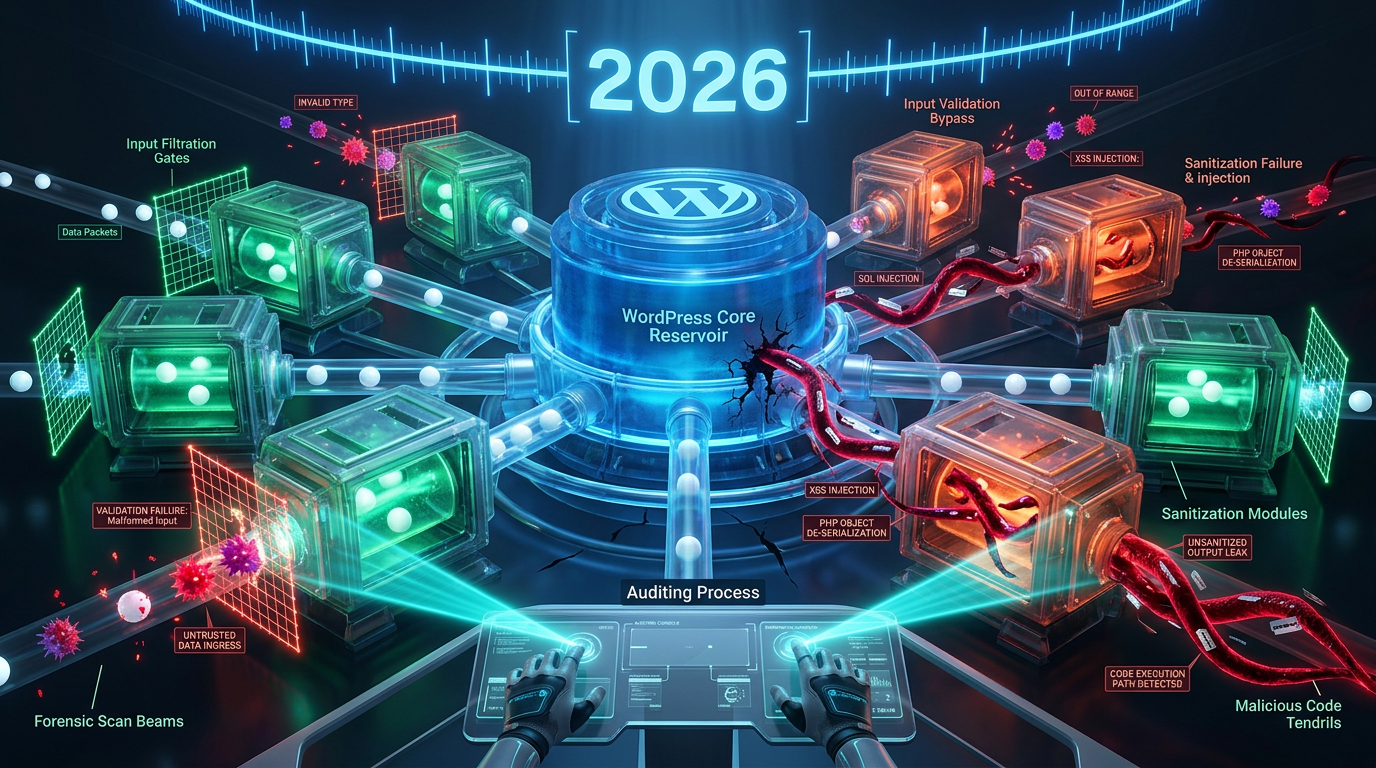
Imagine a plugin that stores sensitive user-specific information or authentication tokens within transients without proper sanitization, validation, or encryption. If an attacker manages to inject malicious code into such a transient, or if the transient data itself is tampered with, they could potentially:
Exploitation Vectors Related to Transients
- Injection Attacks: If transient data is not properly escaped before being outputted, Cross-Site Scripting (XSS) attacks can occur. An attacker could inject malicious scripts that steal session cookies and facilitate hijacking.
- Data Tampering: In some rare scenarios, if an attacker gains access to the database or can manipulate how transients are set, they might alter transient data to include malicious payloads that affect authenticated users.
- Information Exposure: Storing sensitive data like API keys, secret tokens, or even parts of user session information directly within transients without encryption makes it vulnerable if the database is compromised.
The key takeaway is that even though transients are temporary, their role in caching dynamic content means they can become a weak link if not handled with robust WordPress transient data security practices. As of 2026, this risk is particularly pronounced with the proliferation of third-party plugins, many of which may not adhere to the highest security standards. For a broader perspective on plugin security, consider the threats related to Supply Chain Attacks & Software Bill of Materials (SBOM) in WordPress Plugins.
Best Practices for Enhancing WordPress Transient Data Security
To prevent transient data from becoming a security liability, developers and site administrators must adopt stringent security practices. This involves careful consideration of what data is stored, how it's handled, and how it's protected.
Secure Data Handling in Transients
The fundamental principle is to treat any data stored in transients as potentially unsafe until proven otherwise. This means rigorous validation, sanitization, and escaping.
- Never store sensitive user data directly: Avoid storing passwords, authentication tokens, or personally identifiable information (PII) plain text in transients. If absolutely necessary, ensure it’s encrypted.
- Validate and Sanitize Inputs: Before saving any data into a transient, validate its format and sanitize it to remove any potentially malicious code. Use WordPress functions like
sanitize_text_field(),wp_kses()for HTML, and other appropriate functions. - Escape Outputs: When retrieving data from a transient and displaying it, always escape the output using functions like
esc_html(),esc_attr(), oresc_url()to prevent XSS attacks. - Use Strong Expiration Times: Set appropriate, shorter expiration times for transients storing more dynamic or potentially sensitive data to reduce the window of opportunity for compromise.
Plugin Selection and Vigilance
A significant portion of transient-related security issues stem from poorly coded plugins. Therefore, thoughtful plugin selection and ongoing vigilance are crucial elements of WordPress transient data security.
- Choose Reputable Plugins: Prioritize plugins from established developers with good security track records and active maintenance. For insights into building trust, read about WordPress Plugins as Digital Fabricators of 'Truth' & Trust in 2026.
- Regularly Update Plugins: Outdated plugins are a primary source of vulnerabilities. Keep all plugins, themes, and WordPress core up-to-date to patch known security flaws.
- Security Audits: Consider periodically auditing your site's plugins, especially if they handle complex data or integrate with external APIs. Security plugins can help identify potential vulnerabilities. External resources like WordPress.org Security Resources offer valuable information.
- Minimize Dependencies: Reduce the number of active plugins to only those absolutely necessary. Each additional plugin introduces a new potential attack surface.
Common Plugin-Related Threats Beyond Transients in 2026
While WordPress transient data security is a specific concern, it's part of a broader landscape of plugin-related threats that continue to evolve in 2026. Understanding these generalized risks is crucial for a holistic security strategy.
Outdated Code and Insecure Configurations
Many legacy plugins are no longer actively maintained, leaving them vulnerable to exploits discovered years ago. Insecure default configurations, such as overly permissive file permissions or weak API keys, also present significant risks. Developers often rush features, unknowingly including insecure coding practices that lead to vulnerabilities.
This includes:
- Using deprecated functions with known flaws.
- Lack of input validation and output escaping.
- Hardcoding sensitive information.
Excessive Permissions and Third-Party Dependencies
Plugins often request more permissions than they strictly need. A plugin asking for administrative access when it only needs to display a simple widget is a red flag. Granting excessive permissions gives attackers a wider range of actions if the plugin is compromised. Furthermore, many plugins rely on third-party libraries or external services. If these dependencies have vulnerabilities and are not regularly updated by the plugin developer, they become an indirect vector for attacks. This concept is closely related to the risks explored in The Silent Orchestrators: How WordPress Plugins Dictate Third-Party Dependency Loading & Supply Chain Integrity in 2026.
Real-World Impact: Case Studies and Preventative Measures
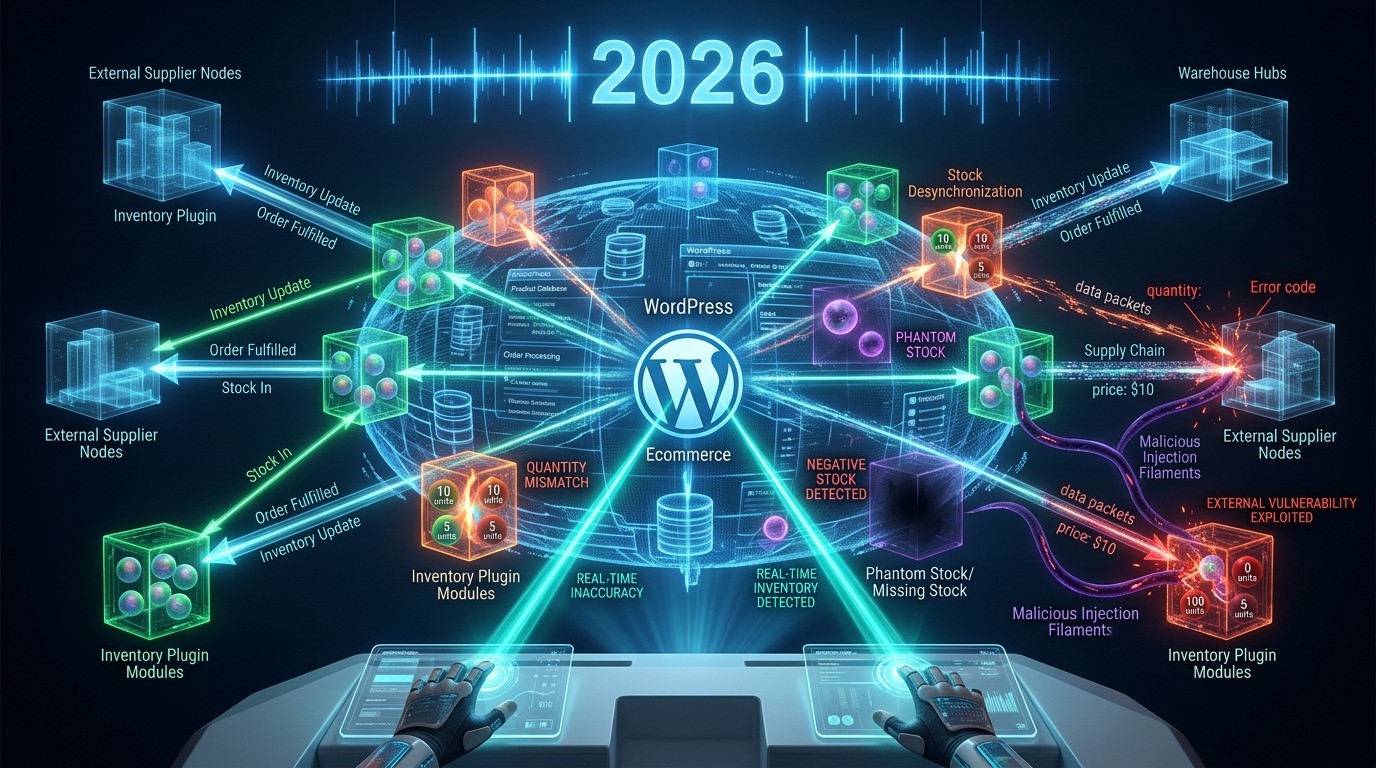
In 2026, we continue to see reports of WordPress sites being compromised due to plugin vulnerabilities. For instance, a popular caching plugin (anonymized for security but conceptually similar in function), if not properly configured, could allow an unprivileged user to delete or modify cached content, including transients, leading to defacement or even privilege escalation in extreme cases. Another example involves vulnerabilities in e-commerce plugins that allow for SQL injection through improperly handled form data, which could affect transient data related to product pricing or order statuses. For up-to-date threat analysis, consult resources like the Wordfence Blog for WordPress Vulnerability Reports.
To counteract these, constant vigilance through:
- Regular security scans.
- Keeping activity logs to track changes.
- Implementing Web Application Firewalls (WAFs).
- Utilizing strong hosting security measures. Consult your hosting provider's security guidelines, for example, WP Engine's WordPress Security information.
These measures, combined with a strong focus on WordPress transient data security, form a robust defense against evolving threats.
Conclusion: Maintaining Secure WordPress Websites in 2026
The ephemeral nature of transient data is a powerful tool for performance optimization in WordPress, but it also introduces unique security challenges. By prioritizing WordPress transient data security through careful validation, sanitization, and output escaping, developers can significantly reduce the risk of session hijacking and other common vulnerabilities.
For site administrators, a proactive approach to plugin management – selecting reputable plugins, keeping everything updated, and performing regular security checks – is indispensable. As the WordPress ecosystem continues to grow and evolve, a deep understanding of potential risks, including those related to transient data, is not just good practice but a fundamental requirement for maintaining secure, stable, and high-performance websites in 2026 and beyond.
Remember, security is an ongoing process, not a one-time setup. Staying informed about the latest threats and applying best practices diligently will keep your WordPress site robust against the ever-changing landscape of cyber threats.
Frequently Asked Questions

Written by Aras Akıncılar
Uzun yıllara dayanan WordPress deneyimine sahip bir siber güvenlik uzmanı olarak, eklenti ekosisteminin derinlemesine analizine odaklanıyorum. Güvenlik açıkları, performans düşüşleri ve uyumluluk sorunları üzerine hazırladığım makalelerle, WordPress kullanıcılarının sitelerini daha güvenli ve verimli hale getirmelerine yardımcı olmayı hedefliyorum.