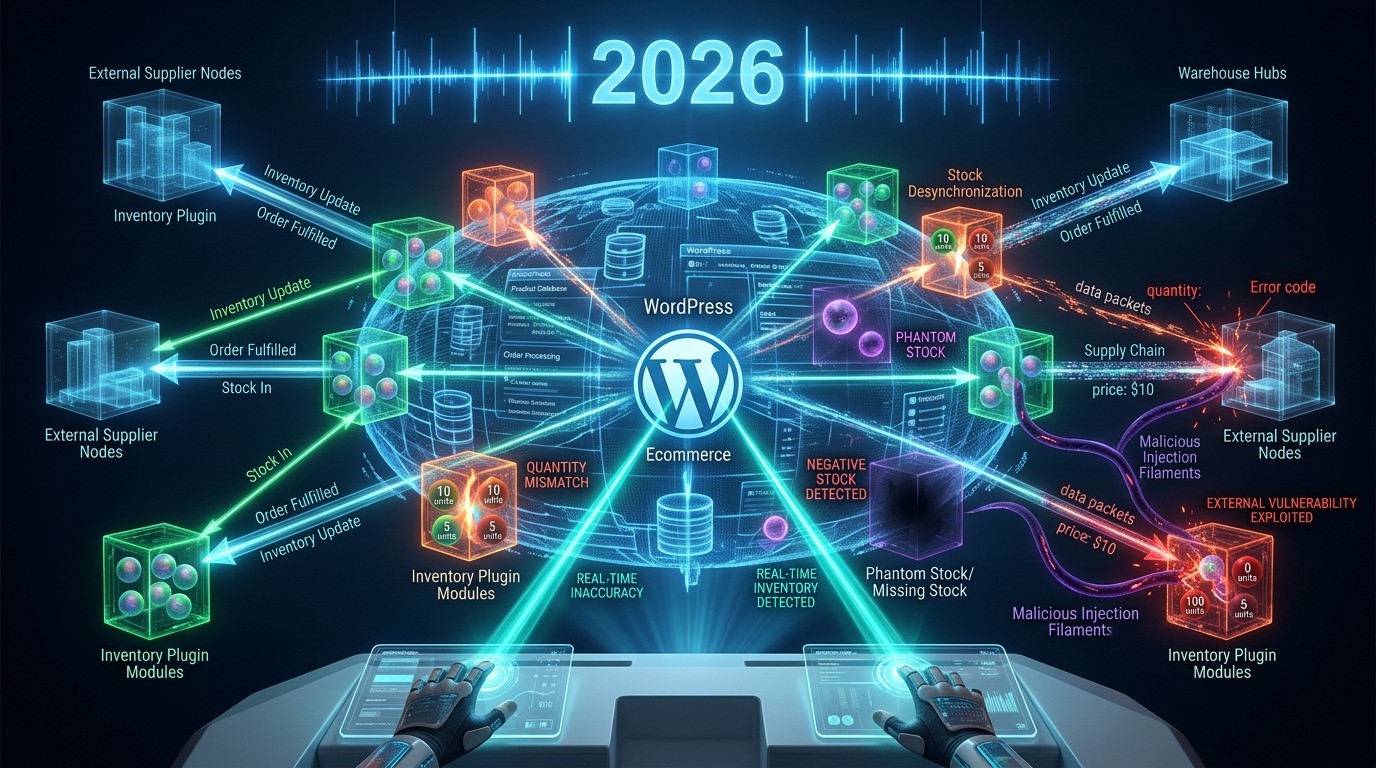
Enhancing WordPress Web Components Security in 2026
In the rapidly evolving digital landscape of 2026, integrating Web Components with WordPress creates a powerful new frontend ecosystem. This convergence offers unprecedented flexibility and reusability for developers. However, it also introduces new considerations, particularly regarding WordPress Web Components security. As we delve deeper into this symbiotic relationship, understanding the unique security challenges and best practices becomes paramount. This ensures robust and impenetrable WordPress websites, even as attack vectors evolve.
The Evolving Landscape of WordPress and Web Components
WordPress continues to dominate the content management system market in 2026, powering millions of websites globally. Its extensive plugin ecosystem is a primary driver of its popularity, offering boundless functionalities. Nevertheless, this flexibility comes with inherent risks that demand careful management, such as data transfer risks in WordPress plugins and ensuring financial integrity and transaction security.
Conversely, Web Components provide a standardized way to create reusable custom elements that are encapsulated and interoperable. They bring a component-based architecture to the web, much like modern JavaScript frameworks, but in a native browser implementation. Clearly, their potential within WordPress is significant.
The Symbiotic Relationship Explained
When Web Components integrate into WordPress, they can be deployed via plugins or directly within themes. This allows developers to build highly dynamic and interactive frontends with encapsulated logic and styling, thereby minimizing conflicts and improving maintainability. For example, a custom Web Component for a dynamic product display or a user feedback form can be easily dropped into any WordPress page or post, simplifying content creation. This integration streamlines development workflows and enhances user experiences. It also raises questions about digital echoes and historical state in WordPress plugins, influencing how data persists and evolves.
However, the interplay between WordPress's server-side rendering, its vast plugin network, and the client-side nature of Web Components necessitates a robust approach to security. Therefore, understanding the unique security challenges is essential.
Addressing WordPress Web Components Security Vulnerabilities
Introducing Web Components into the WordPress environment naturally extends the attack surface. Consequently, traditional WordPress plugin security measures must now account for the client-side implications of custom elements. Protecting against these new threats is critical for maintaining site integrity, especially concerning digital identity and authentication risks in WordPress plugins as user interaction becomes more complex.
Common Security Threats to Web Components
Web Components, while powerful, aren't immune to attack. Here are some prevalent threats:
Cross-Site Scripting (XSS): Malicious scripts injected into Web Components can steal user data, deface websites, or hijack user sessions. This is a significant concern, especially when data is dynamically rendered without proper sanitization.
Shadow DOM Isolation Bypass: While Shadow DOM aims to encapsulate styles and scripts, misconfigurations or vulnerabilities in component implementation could potentially lead to information leakage or style conflicts, undermining its protective features.
Supply Chain Attacks: Reusing third-party Web Components, often distributed via package managers, can introduce vulnerabilities if those components are compromised. Vigilance is key when importing external code.
Attribute Injection: If attributes are not properly sanitized before being applied to custom elements, attackers could inject malicious code or manipulate component behavior, leading to unexpected actions.
Event Listener Hijacking: Malicious scripts could potentially hijack event listeners attached to Web Components, leading to unauthorized actions or data interception.
These threats are not unique to Web Components but are amplified by their dynamic nature and potential reliance on external libraries within a WordPress context. Ensuring strong WordPress Web Components security requires vigilance across the entire development lifecycle, from initial coding to ongoing maintenance in 2026.
Best Practices for Securing Web Components in WordPress
Implementing a layered security approach is crucial to protecting your WordPress website when using Web Components. Here are key best practices for hardening WordPress Web Components security:
Secure Development Life Cycle (SDLC)
A proactive approach to security starts at development:
Input Validation and Sanitization: All data flowing into Web Components, whether from the WordPress backend or user input, must be rigorously validated and sanitized to prevent XSS and other injection attacks. Use WordPress's built-in sanitization functions where possible to ensure data integrity.
Content Security Policy (CSP): Implement a strict CSP to control which resources (scripts, styles, etc.) a browser is allowed to load. This significantly mitigates XSS risks by limiting external resource execution, providing a strong defense layer.
Principle of Least Privilege: Web Components should only have access to the data and functionalities they absolutely need. Avoid granting unnecessary permissions, thereby reducing the potential impact of a breach.
Regular Security Audits: Periodically audit your custom Web Components and any third-party components for vulnerabilities. Utilize automated security scanning tools and manual code reviews to catch potential weaknesses.
Plugin and Theme Integration Considerations
Integrating components carefully is vital for security:
Trusted Sources Only: When incorporating Web Components via WordPress plugins or themes, ensure these are from reputable developers and trusted repositories. Compromised sources can introduce severe vulnerabilities, impacting the overall privacy and invisible tracking on your site.
Version Control and Updates: Keep all WordPress core, plugins, themes, and Web Component libraries updated to their latest versions. Security patches are frequently released to address newly discovered vulnerabilities, making timely updates essential. Neglecting updates can increase digital decay and entropy in WordPress plugins.
Encapsulation with Shadow DOM: Leverage Shadow DOM effectively to isolate component styles and scripts. While not an unbreakable security boundary, it adds a layer of defense against styling conflicts and potential script interference, enhancing WordPress Web Components security.
Server-Side Rendering (SSR) for Initial Load: Consider using SSR for your Web Components where appropriate. This can reduce the client-side attack surface on initial page load and improve perceived performance, offering a more secure initial display.
Monitoring and Incident Response for WordPress Web Components Security
Even with preventative measures, monitoring and response are crucial:
Logging and Monitoring: Implement robust logging for client-side errors and unusual activities related to your Web Components. Utilize WordPress security plugins that offer comprehensive logging capabilities to track suspicious events.
Intrusion Detection Systems (IDS): Employ an IDS to detect and alert on suspicious network traffic and potential attacks targeting your WordPress installation, including those originating from Web Component interactions.
Regular Backups: Maintain regular, secure backups of your entire WordPress site, including all plugin and theme files, to ensure rapid recovery in case of a security incident. A solid backup strategy is fundamental for business continuity.
The Future of Secure Web Component Integration in WordPress
As we move further into 2026, the synergy between WordPress and Web Components is only set to grow stronger. New standards and browser features will likely emerge, offering even more robust encapsulation and security mechanisms. The community will play a crucial role in sharing best practices and developing tools to further enhance WordPress Web Components security. For broader insights into web security, consider exploring resources from the OWASP Foundation.
Developers must remain proactive, staying informed about the latest security threats and mitigation strategies. This includes understanding the specific security implications of using different Web Component libraries or frameworks (e.g., Lit, Stencil) within a WordPress context. Continuous education and adherence to security-first development principles will be key to protecting websites. For staying current on web development trends and security, Mozilla's Web Components documentation is an invaluable resource.
The journey towards a fully secure Web Component ecosystem within WordPress is ongoing. By embracing responsible development practices, leveraging available security tools, and fostering a strong community, we can ensure that this powerful combination delivers both innovation and unwavering protection for websites across the globe in 2026 and beyond. A deeper understanding of secure coding practices can be found at PortSwigger Web Security Academy.
Frequently Asked Questions

Written by Aras Akıncılar
Uzun yıllara dayanan WordPress deneyimine sahip bir siber güvenlik uzmanı olarak, eklenti ekosisteminin derinlemesine analizine odaklanıyorum. Güvenlik açıkları, performans düşüşleri ve uyumluluk sorunları üzerine hazırladığım makalelerle, WordPress kullanıcılarının sitelerini daha güvenli ve verimli hale getirmelerine yardımcı olmayı hedefliyorum.