Unmasking the Shadowy Web: The Rise of Adversarial AI in WordPress Plugins (2026)
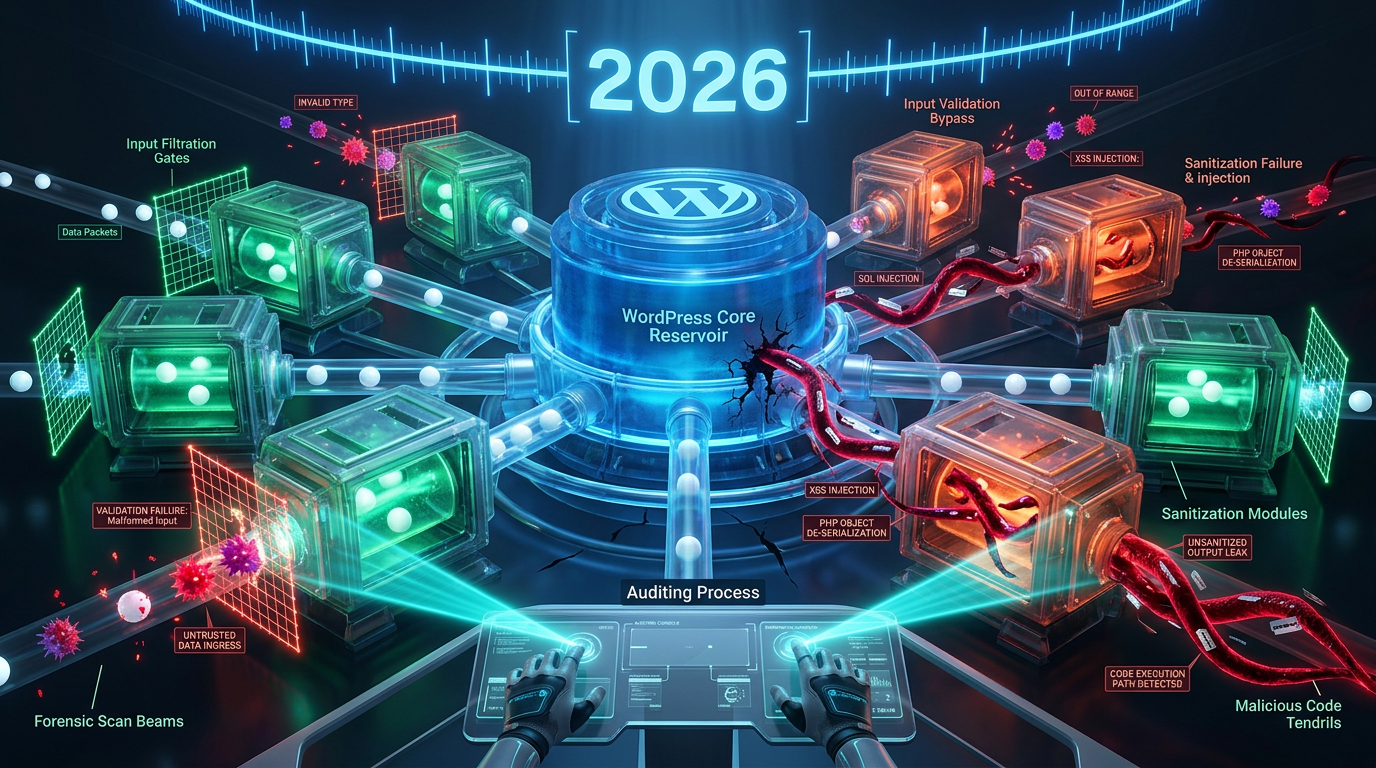
In the rapidly evolving digital landscape of 2026, the discussion around cybersecurity has intensified, particularly concerning content management systems like WordPress. A critical yet often overlooked threat vector is the emergence of adversarial AI WordPress plugins. These malicious constructs leverage artificial intelligence to execute sophisticated attacks, making them harder to detect and mitigate than traditional threats. This article delves deep into the risks posed by such plugins, providing an in-depth analysis of their functionalities, potential dangers, and best practices for safeguarding your WordPress site.
Understanding Adversarial AI and its Application in WordPress Plugins
Adversarial AI refers to the manipulation of AI systems, either by feeding them deceptive data (e.g., adversarial examples) or by using AI techniques to create more potent attacks. When applied to WordPress plugins, this translates into a new breed of threats that can dynamically adapt and bypass security measures. Instead of static malware signatures, these plugins might employ machine learning to identify vulnerabilities or camouflage their malicious code. For a deeper understanding of how AI is already extending core functionality with machine learning explainability, read our related article.
The sophistication of these threats means that traditional security scanners and static code analysis tools might struggle to identify them. The dynamic nature of adversarial AI allows these plugins to evolve their attack patterns, making ongoing vigilance crucial for WordPress administrators in 2026. This dynamic threat landscape also highlights the importance of digital forensics and incident response in WordPress plugins.
How Adversarial AI Enhances Malicious Plugin Capabilities
- Adaptive Obfuscation: Malicious code can change its structure or appearance over time, making signature-based detection difficult.
- Smart Exploitation: AI algorithms can analyze a website's configuration and installed plugins to identify optimal exploit paths.
- Bypassing CAPTCHAs and WAFs: Adversarial AI can be trained to overcome common security challenges, facilitating automated attacks.
- Personalized Phishing Campaigns: Plugins could gather user data and craft highly convincing phishing attempts tailored to individual users.
Identifying and Mitigating Risks from Adversarial AI WordPress Plugins
Detecting adversarial AI WordPress plugins requires a multi-layered approach that goes beyond basic security checks. Website owners and developers must be aware of the subtle indicators of compromise and implement robust preventative measures. The sheer volume of plugins available (over 60,000 in the official directory alone) makes manual vetting impossible, necessitating automated yet intelligent solutions.
Regular security audits, combined with an understanding of how AI can be misused, are paramount. It's not just about looking for known malware; it's about identifying anomalous behavior that an AI-driven attack might exhibit. For instance, understanding user behavior modeling can help in spotting deviations caused by adversarial AI.
Common Plugin-Related Threats Amplified by AI
The foundational weaknesses of some plugins become significantly more dangerous when augmented by adversarial AI. These threats include:
- Outdated Code: AI can quickly identify and exploit vulnerabilities in unpatched or old plugin versions.
- Insecure Configurations: AI can probe for misconfigurations to gain unauthorized access or manipulate site settings.
- Excessive Permissions: Plugins with unnecessary elevated permissions become prime targets for AI-driven privilege escalation attempts.
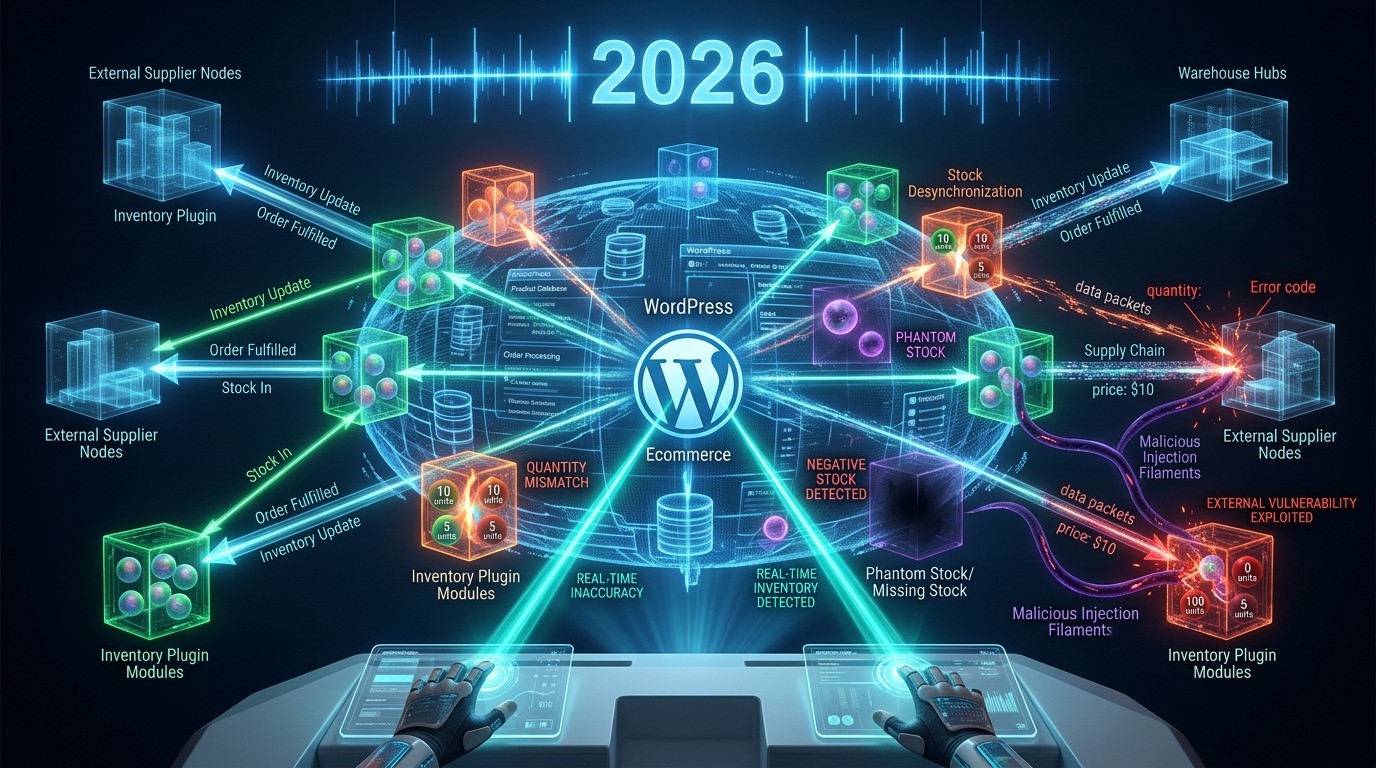
- Third-Party Dependencies: Vulnerabilities within components that a plugin relies on can be automatically discovered and exploited by adversarial AI.
- Supply Chain Attacks: A malicious AI could inject itself into the development process of a legitimate plugin, affecting thousands of sites upon release.
The Impact of Adversarial AI WordPress Plugins on Website Performance and Stability
Beyond direct security breaches, adversarial AI WordPress plugins can severely degrade website performance and stability. An AI-driven attack might not always aim for immediate data theft; sometimes, its objective is to create chaos or establish a persistent backdoor. This can manifest as an invisible drain on resources, making your site slow and unreliable.
Performance dips caused by malicious plugins can lead to poor user experience, reduced SEO rankings, and ultimately, a loss of trust and revenue. Understanding these subtle yet significant impacts is crucial for any WordPress site owner in 2026, especially as we see AI harnessed for proactive performance optimization in legitimate plugins. For more information on performance, Google's Core Web Vitals remain a critical ranking factor, and slow loading times due to malicious activity can severely impact them. Learn more about Core Web Vitals on web.dev.
Performance Degradation Scenarios
- Resource Exhaustion: Malicious AI routines can consume excessive CPU or memory, leading to slow loading times or server crashes.
- Database Overload: Uncontrolled database queries or data manipulation by an adversarial plugin can severely impact site speed.
- Traffic Redirection: Some adversarial plugins might subtly redirect a fraction of your traffic to malicious sites, impacting legitimate user journeys.
- Spam Generation: AI could be used to generate large volumes of spam comments or posts, filling your database and slowing down your site.
Best Practices for Securing Your Site Against Adversarial AI WordPress Plugins
Protecting your WordPress installation from the advanced threats posed by adversarial AI WordPress plugins requires a proactive and continuous security strategy. As we navigate 2026, relying solely on traditional security models is insufficient. A multi-faceted approach encompassing diligent plugin management, robust security tools, and developer awareness is essential.
The onus is not just on plugin developers to write secure code, but also on site administrators to implement best practices and stay informed about emerging threats. Continuous learning and adaptation are key in the fight against AI-powered cyberattacks. Understanding the risks of cross-compilation & binary injection is also vital for plugin security.
Key Security Measures
- Source Only Reputable Plugins: Download plugins exclusively from the official WordPress plugin directory or highly trusted developers with strong reputations and regular updates. The WordPress Plugin Directory is usually a safe bet, found at wordpress.org/plugins.
- Perform Regular Security Audits: Utilize reputable WordPress security plugins that include advanced scanning capabilities for anomalies and unknown threats. Consider using AI-powered security solutions that can detect behavioral deviations.
- Keep Everything Updated: Regularly update your WordPress core, themes, and all plugins. Outdated software is a prime target for AI-driven exploits.
- Principle of Least Privilege: Ensure plugins only have the necessary permissions to function. Review plugin permissions during installation and regularly afterwards.
- Strong Access Control: Implement strong passwords, two-factor authentication (2FA), and limit administrative access to only essential personnel.
- Regular Backups: Maintain frequent, secure backups of your entire WordPress site. In case of an attack, this allows for quick recovery.
- Review Code (When Possible): For custom or less-known plugins, if you have the technical expertise, review their code for suspicious patterns or dependencies.
- Stay Informed: Keep abreast of the latest WordPress security vulnerabilities and adversarial AI techniques by following reputable security news sources and blogs.
The Future Landscape: Evolving Defenses Against Adversarial AI WordPress Plugins
Looking ahead in 2026, the battle against adversarial AI WordPress plugins will likely involve an arms race between attackers leveraging AI and defenders deploying AI-driven security solutions. We can anticipate more sophisticated anomaly detection systems, behavioral analysis tools, and AI-powered threat intelligence platforms designed specifically to counteract these advanced threats.
Collaboration within the WordPress community, including developers, security researchers, and hosting providers, will be critical in sharing information and developing collective defenses. The goal is to create a more resilient WordPress ecosystem where adversarial AI has a significantly harder time thriving. This collaborative effort is not unlike the community focus on remodeling digital trust and credibility metrics.
Ultimately, a vigilant, informed, and proactive approach remains the most potent weapon against the shadowy web of adversarial AI plugins. By implementing robust security practices and staying ahead of the curve, WordPress users can continue to build and manage secure, high-performing websites.
Frequently Asked Questions

Written by Aras Akıncılar
Uzun yıllara dayanan WordPress deneyimine sahip bir siber güvenlik uzmanı olarak, eklenti ekosisteminin derinlemesine analizine odaklanıyorum. Güvenlik açıkları, performans düşüşleri ve uyumluluk sorunları üzerine hazırladığım makalelerle, WordPress kullanıcılarının sitelerini daha güvenli ve verimli hale getirmelerine yardımcı olmayı hedefliyorum.