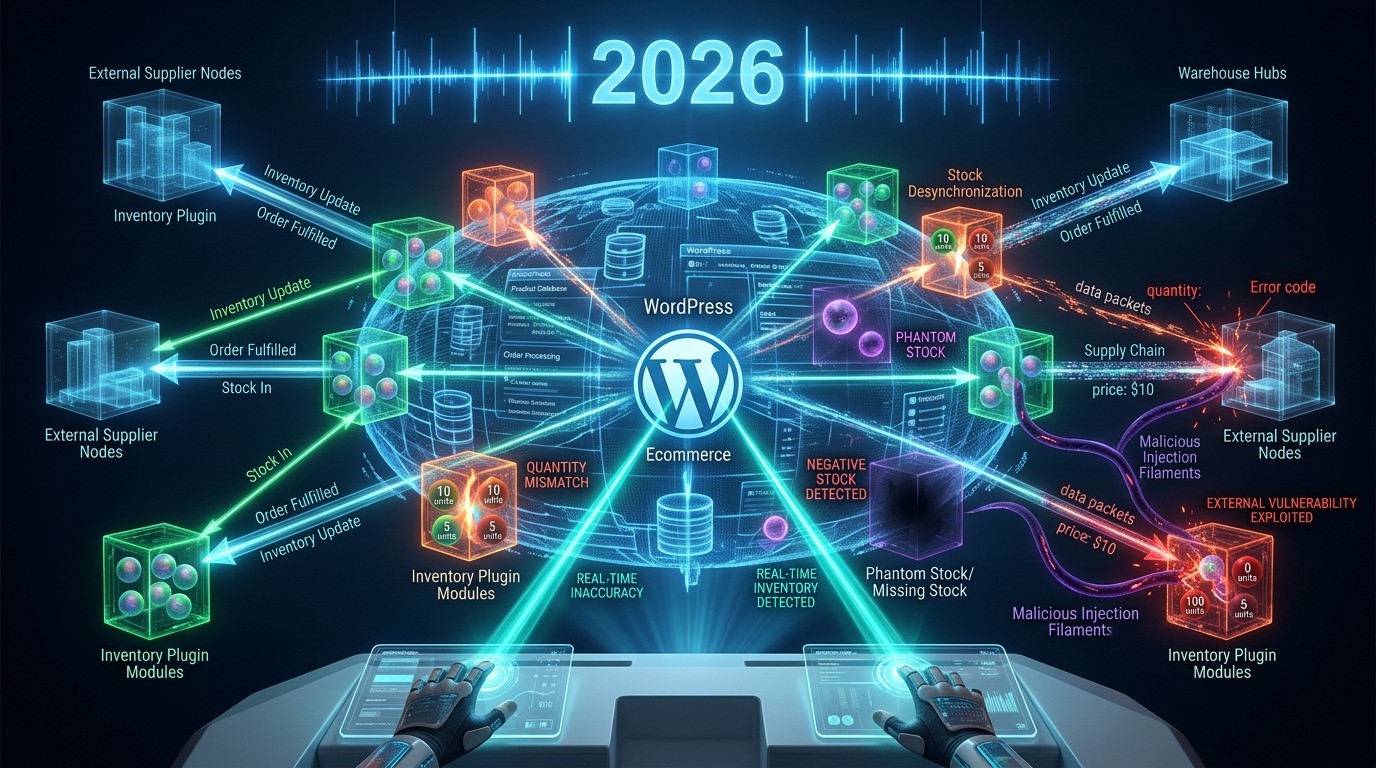
WordPress Inventory Plugin Security: Auditing for Supply Chain & Stock Management Risks in 2026
In the dynamic landscape of e-commerce and digital business, maintaining efficient and secure inventory management is paramount. For countless businesses relying on WordPress, this often involves leveraging powerful inventory plugins. However, the convenience and functionality these tools offer come with a critical caveat: the need for robust WordPress Inventory Plugin Security. As we navigate 2026, the threats facing online platforms are more sophisticated than ever, making a thorough audit of your inventory plugins not just a recommendation, but an absolute necessity to safeguard your supply chain and stock management operations.
The integrity of your inventory data directly impacts sales, logistics, and customer satisfaction. A compromised inventory system can lead to significant financial losses, reputational damage, and operational chaos. This article delves into the critical aspects of securing these vital components of your WordPress site, providing insights into common vulnerabilities and offering practical strategies for mitigation.
Understanding the Landscape of WordPress Inventory Plugin Security
WordPress inventory plugins are complex pieces of software designed to handle sensitive data, including product counts, pricing, supplier information, and customer order details. Their deep integration with your WordPress core and database means they are prime targets for malicious actors seeking to disrupt operations or steal valuable information. Understanding the typical attack vectors is the first step towards building a resilient security posture.
The open-source nature of WordPress, while a strength, also means that plugins developed by various third parties can introduce varying levels of security. Businesses must be diligent in their selection and ongoing management of these tools to prevent breaches. The current threat landscape in 2026 emphasizes zero-day exploits and sophisticated phishing attempts, making proactive security measures more important than ever.

Common Security Vulnerabilities in Inventory Plugins
Many security risks stem from common coding errors or oversight during plugin development. Identifying these weaknesses is crucial for auditing existing plugins and making informed decisions when choosing new ones.
- Outdated Code and Dependencies: Plugins, like WordPress itself, require regular updates. Older versions often contain known vulnerabilities that have been patched in newer releases. Third-party libraries used within plugins can also become outdated, creating additional security gaps. For a deeper dive into managing development liabilities, read about auditing WordPress plugins for hidden technical debt.
- Insecure Configurations and Excessive Permissions: Overly broad file permissions or misconfigured settings can expose sensitive data or allow unauthorized modifications. Plugins that demand excessive permissions without clear justification should raise immediate red flags. Learn more about preventing such issues by understanding filesystem manipulation and integrity risks.
- SQL Injection and Cross-Site Scripting (XSS): These are perennial web security threats. SQL injection can allow attackers to manipulate your database, potentially altering stock levels or stealing customer data. XSS attacks can inject malicious scripts into your website, compromising user sessions or redirecting visitors to malicious sites. For more details on common web application vulnerabilities, refer to the OWASP Top 10 list.
- Lack of Input Validation: Without proper validation, plugins might accept and process malicious data, leading to various exploits, including those mentioned above. This often involves intricate data type coercion and logic flaw risks that an audit can uncover.
The Impact of Insecure Inventory Plugins on Business Operations
The repercussions of a security breach involving your inventory plugin extend far beyond just technical fixes. Businesses can face severe operational and financial setbacks.
- Data Integrity Compromise: Incorrect stock levels, manipulated pricing, or altered order details can disrupt sales processes, lead to over-selling or under-selling, and cause significant customer dissatisfaction.
- Financial Loss: Direct financial losses can result from fraudulent orders, stolen customer payment information, or the costs associated with incident response, legal fees, and regulatory fines.
- Reputational Damage: A public security breach erodes customer trust and can severely damage a brand's reputation, taking years to rebuild. In today's interconnected world, news of a breach spreads rapidly.
- Supply Chain Disruption: If inventory data is compromised, your entire supply chain can grind to a halt. Orders might not be placed correctly, logistics can fail, and relationships with suppliers and distributors can suffer. This is a direct risk to real-world stock management.

Best Practices for Enhancing WordPress Inventory Plugin Security
Implementing a proactive security strategy is essential for protecting your inventory management system. This involves a combination of technical measures, regular monitoring, and a commitment to staying informed.
Regular Audits and Updates
Always ensure your WordPress core, themes, and all plugins, especially inventory plugins, are kept up-to-date. Developers frequently release updates to patch security vulnerabilities. Regular security audits, ideally by independent professionals, can identify hidden weaknesses. Make sure to review the changelog of each update for security fixes. Consider using a staging environment for testing updates before deploying them to your live site.
Strong Access Control and Least Privilege
Limit access to your WordPress dashboard, particularly to inventory management sections, to only those who absolutely need it. Implement strong, unique passwords for all users and consider two-factor authentication (2FA). Adhere to the principle of "least privilege," meaning users should only have the minimum necessary permissions to perform their job functions. For instance, a data entry clerk might not need plugin installation privileges.
Data Encryption and Backup Strategies
Ensure that sensitive inventory data, especially if it includes customer details, is encrypted both in transit (using HTTPS) and at rest (within the database, if supported by the plugin or server configuration). Implement a robust backup strategy for your entire WordPress site, including the database. Regular, off-site backups are your last line of defense against data loss due to a security incident or system failure. For comprehensive WordPress security recommendations, consult the official WordPress security hardening guide.
Careful Plugin Selection and Vetting
Before installing any new inventory plugin, thoroughly research its reputation. Check reviews, developer activity, and update frequency. Look for plugins with a strong track record of security patches and active support. Avoid plugins that haven't been updated in over a year, as they are more likely to contain unpatched vulnerabilities. Always download plugins from reputable sources like the official WordPress plugin directory or trusted marketplaces.
Future Trends and Proactive Security Measures for Inventory Management in 2026
As technology evolves, so do the threats. In 2026, we're seeing an increased focus on AI-driven attacks and more sophisticated social engineering tactics. Businesses need to adapt their WordPress Inventory Plugin Security strategies accordingly.
- AI-Powered Security Solutions: The adoption of AI and machine learning for anomaly detection and real-time threat analysis is growing. These tools can help identify unusual activity within your inventory system that might indicate a breach.
- Enhanced Compliance Standards: Regulatory frameworks surrounding data privacy and security are becoming stricter globally. Ensuring your inventory plugins and practices comply with standards like GDPR, CCPA, or regional equivalents is non-negotiable. Explore how plugins are currently redefining data residency and geo-compliance.
- Supply Chain Security Audits: Beyond individual plugin security, a holistic view of supply chain security, including third-party integrations and APIs used by inventory plugins, is becoming more critical. Understanding the broader implications of web application security is essential; for further insights into securing your entire digital supply chain, consider consulting resources from organizations like CISA on supply chain security.
Continuously educating your team on cybersecurity best practices, particularly phishing awareness and secure password hygiene, remains a vital, low-cost investment in preventing breaches. Regularly review and update your internal security policies to reflect the evolving threat landscape.
Conclusion
The importance of robust WordPress Inventory Plugin Security cannot be overstated. In 2026, a secure inventory management system is not just about protecting data; it's about safeguarding your entire business operation, from sales and logistics to customer trust and brand reputation. By adopting a proactive approach to plugin selection, maintaining diligent updates, implementing strong access controls, and preparing for future threats, you can ensure your WordPress-powered inventory remains a secure and reliable asset for your business.
Frequently Asked Questions

Written by Aras Akıncılar
Uzun yıllara dayanan WordPress deneyimine sahip bir siber güvenlik uzmanı olarak, eklenti ekosisteminin derinlemesine analizine odaklanıyorum. Güvenlik açıkları, performans düşüşleri ve uyumluluk sorunları üzerine hazırladığım makalelerle, WordPress kullanıcılarının sitelerini daha güvenli ve verimli hale getirmelerine yardımcı olmayı hedefliyorum.