Technical Debt WordPress Plugins: Unearthing Latent Issues (2026)
In the ever-evolving landscape of web development, WordPress continues to dominate, powering over 43% of all websites globally as of early 2026. Truly, its immense popularity is largely attributed to its flexibility, extensibility, and the vast ecosystem of plugins. However, with this power comes a pervasive and often unseen challenge: technical debt in WordPress plugins. Like silent geologists, we must delve deep to unearth these hidden issues that can compromise site security, performance, and long-term stability. Understanding and addressing this specific technical debt is crucial for any WordPress site owner or developer aiming for a robust and future-proof digital presence.
Understanding Technical Debt and Its Impact on WordPress Plugins
Technical debt, in essence, is the cost of choosing an easy or limited solution now instead of using a better approach that would take longer. When it comes to WordPress plugins, this can manifest in numerous ways, from rushed development and poor coding practices to neglecting updates and adopting insecure dependencies. Subsequently, the ramifications of accumulated technical debt can be severe, leading to significant headaches down the line.
Consider the immediate impact: a site running with high technical debt might experience slower loading times, which directly affects user experience and SEO rankings in 2026. Furthermore, security vulnerabilities, often stemming from outdated code or poorly implemented features, can open doors for malicious actors, leading to data breaches or website defacement. In 2026, with cyber threats becoming increasingly sophisticated, mitigating these risks is paramount for any site relying on WordPress functionality. For a deeper dive into modern threats, explore Quantum Vulnerabilities in WordPress Plugins: A 2026 Audit. Addressing technical debt in WordPress plugins is key to preventing these issues.
Common Causes of Technical Debt in WordPress Plugins
- Rapid Development Cycles: The pressure to release new features quickly often leads developers to cut corners, introducing temporary fixes that become permanent problems.
- Lack of Documentation: Poorly documented code makes it difficult for current and future developers to understand, maintain, and extend the plugin effectively.
- Outdated Practices: Using deprecated WordPress functions or outdated PHP versions can introduce compatibility issues and security holes.
- Insufficient Testing: Inadequate unit or integration testing can allow bugs and performance bottlenecks to slip through, becoming technical debt.
- Third-Party Dependencies: Plugins often rely on external libraries or APIs. If these dependencies are not regularly updated or are poorly chosen, they can introduce their own set of vulnerabilities and maintenance burdens. Understanding these can be critical, as highlighted in WordPress Plugin Supply Chain Integrity in 2026.
Identifying Latent Technical Debt in WordPress Plugins
Identifying this debt isn't always straightforward. It's often hidden within the code, only surfacing during critical moments like a security audit or a major WordPress update. Therefore, regular code reviews, static analysis tools, and performance monitoring are essential practices for any developer or agency managing WordPress sites. Proactive measures can prevent small issues from snowballing into insurmountable problems.
One key indicator of lurking technical debt is a plugin that hasn't been updated by its developer in a long time. While some plugins reach a stable state, many require ongoing maintenance to keep up with WordPress core updates, security patches, and evolving web standards. A plugin showing no updates for a year or more, especially if it handles sensitive data or critical functions, is a red flag for potential technical debt in WordPress plugins. This often relates to uncovering forgotten and obsolete code.
Security Vulnerabilities and Technical Debt in WordPress Plugins
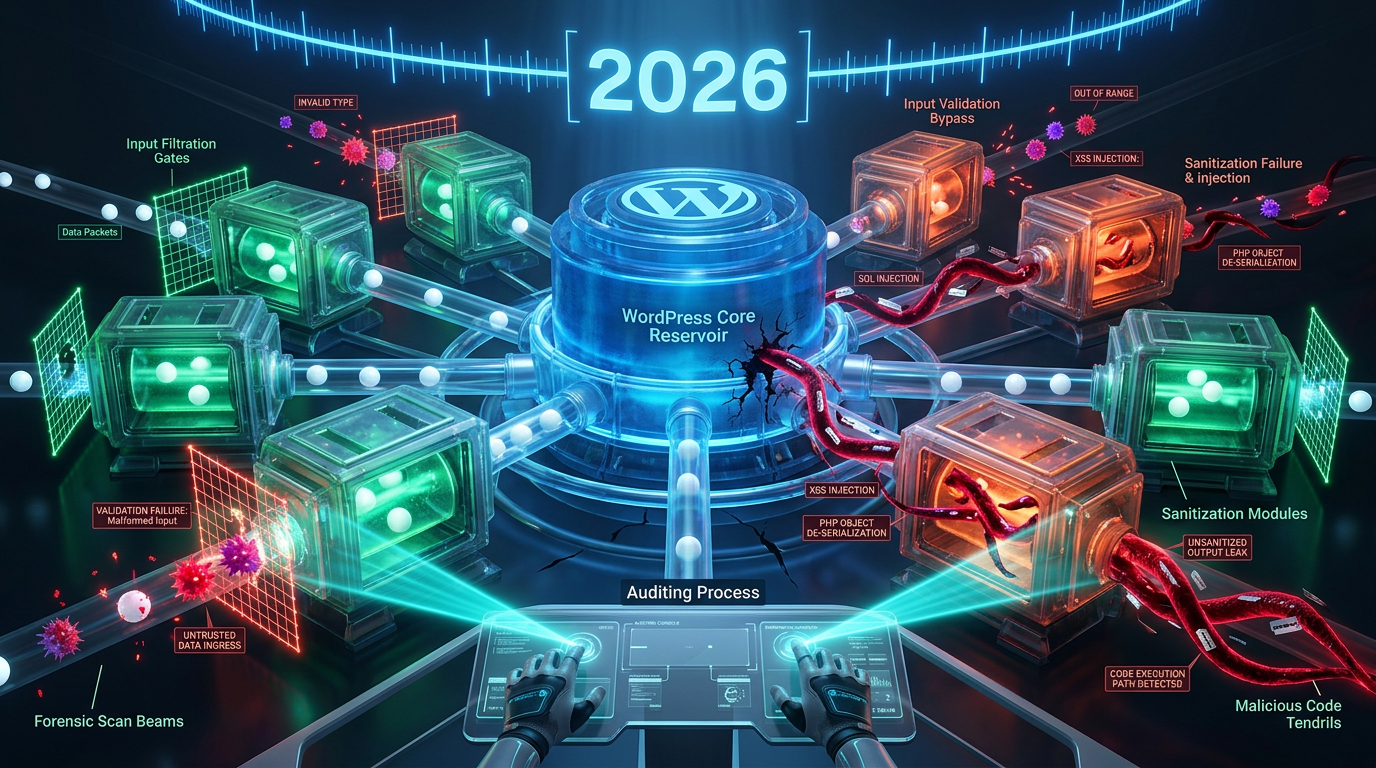
Perhaps the most critical aspect of addressing technical debt in WordPress plugins is mitigating security risks. A significant percentage of WordPress security breaches can be traced back to vulnerabilities in plugins. These vulnerabilities often arise from unaddressed technical debt, such as:
- SQL Injection: Allowing user input to be directly included in SQL queries without proper sanitization can lead to database compromise.
- Cross-Site Scripting (XSS): Inadequate input validation can enable attackers to inject malicious scripts into web pages viewed by other users.
- Broken Access Control: Poorly implemented permission checks can allow unauthorized users to perform actions they shouldn't be able to.
- Insecure Direct Object References: Enabling direct access to internal implementation objects without authorization checks can expose sensitive data.
The impact of a security breach can be devastating, leading to reputational damage, financial losses, and legal repercussions. Consequently, actively managing technical debt is not just good practice, but a critical security imperative for any website owner in 2026. Further insights into security implications can be found at OWASP Top 10 Web Application Security Risks. Proactive management of technical debt in WordPress plugins is essential for robust security.
Excessive Permissions and Configuration Risks in WordPress Plugins
Another common manifestation of technical debt relates to excessive plugin permissions. Some plugins request far more access than they genuinely need to function, creating a larger attack surface. Malicious actors can exploit these overreaching permissions if they manage to compromise the plugin or the site itself. Therefore, regularly reviewing granted permissions and questioning those that seem overly broad is a crucial step in reducing risk.
Furthermore, insecure default configurations or a lack of clear guidance on how to secure a plugin can also be considered a form of technical debt. If a plugin is shipped with settings that are secure only with manual intervention, and this intervention is not prominently highlighted, it burdens the user with securing an inherently vulnerable setup, increasing technical debt in WordPress plugins overall. For insights into hidden dangers, consult Unmasking Hidden Backdoors in WordPress Plugin File System Access (2026).
Performance Issues Stemming from Technical Debt in WordPress Plugins
Beyond security, technical debt can be a silent killer of website performance. Bloated code, inefficient database queries, and unnecessary resource loading are all common symptoms of technical debt that directly impact site speed. In 2026, where page load time is a critical ranking factor for search engines and a determinant of user engagement, performance issues simply cannot be ignored.
Consider a plugin that loads an excessive number of JavaScript and CSS files on every page, regardless of whether its functionality is needed. This practice adds unnecessary weight to the page, slowing down initial load times. Similarly, plugins that perform complex, non-optimized database queries can strain server resources, leading to slow response times for visitors. These performance bottlenecks often accumulate gradually, making them hard to pinpoint without dedicated analysis. Resources like Google's Core Web Vitals provide excellent benchmarks for assessing website performance. Addressing technical debt in WordPress plugins is crucial for optimal performance.
Outdated Code and Compatibility Problems in WordPress Plugins
Outdated code within plugins forms a significant chunk of technical debt. WordPress core, PHP, and web standards are continually evolving. Plugins built on outdated codebases often struggle with compatibility issues when WordPress or PHP versions are updated. This can lead to:
- Fatal Errors: Causing the website to become completely inaccessible.
- Broken Functionality: Parts of the plugin or even the entire site might stop working as intended.
- Security Gaps: Older code might contain known vulnerabilities that have since been patched in newer versions of languages or frameworks.
Maintaining compatibility requires continuous effort from plugin developers. When this effort is neglected, the technical debt accrues, eventually impacting site owners who face difficult choices: either delay essential updates or risk breaking their site functionality. The official WordPress documentation on plugin compatibility offers valuable guidelines.
Strategies for Managing and Reducing Technical Debt in WordPress Plugins
Proactively managing technical debt is essential for the longevity and health of any WordPress website. This isn’t a one-time task but an ongoing commitment requiring vigilance and strategic planning. Adopting a comprehensive approach can significantly reduce the risks associated with technical debt in WordPress plugins.
Plugin Evaluation and Auditing for Technical Debt
Before installing any new plugin, thoroughly evaluate its quality. Check its update frequency, support forums, user reviews, and whether it’s compatible with the latest WordPress version. Thankfully, tools are available that can scan plugins for common vulnerabilities and adherence to coding standards. For established sites, regularly audit existing plugins for signs of technical debt. This includes:
- Reviewing plugin changelogs for security fixes and performance improvements.
- Checking for official support for the latest PHP and WordPress versions.
- Monitoring server logs for errors related to specific plugins.
- Using performance profiling tools to identify resource-intensive plugins.
Best Practices for Plugin Selection and Maintenance to Avoid Technical Debt
When selecting plugins, prioritize those from reputable developers with a strong track record of security, regular updates, and good support. Fewer, high-quality plugins are always better than numerous, poorly maintained ones. Once installed, commit to a robust maintenance schedule:
- Regular Updates: Always keep plugins updated to their latest versions, ideally on a staging environment first.
- Delete Unused Plugins: Deactivate and delete any plugins that are no longer actively used. Indeed, even inactive plugins can pose security risks or contribute to site bloat.
- Backup Regularly: Maintain frequent, comprehensive backups of your entire WordPress site. This is your safety net in case an update or a new plugin introduces critical issues.
- Security Scanners: Utilize WordPress security plugins that actively scan for vulnerabilities and suspicious activity.
- Performance Monitoring: Employ tools to monitor your site’s performance and identify any plugin-related bottlenecks, effectively reducing technical debt in WordPress plugins.
By diligently applying these strategies, website owners and developers can significantly reduce the silent, creeping impact of technical debt in WordPress plugins, ensuring their sites remain secure, fast, and stable for years to come.
Frequently Asked Questions

Written by Aras Akıncılar
Uzun yıllara dayanan WordPress deneyimine sahip bir siber güvenlik uzmanı olarak, eklenti ekosisteminin derinlemesine analizine odaklanıyorum. Güvenlik açıkları, performans düşüşleri ve uyumluluk sorunları üzerine hazırladığım makalelerle, WordPress kullanıcılarının sitelerini daha güvenli ve verimli hale getirmelerine yardımcı olmayı hedefliyorum.