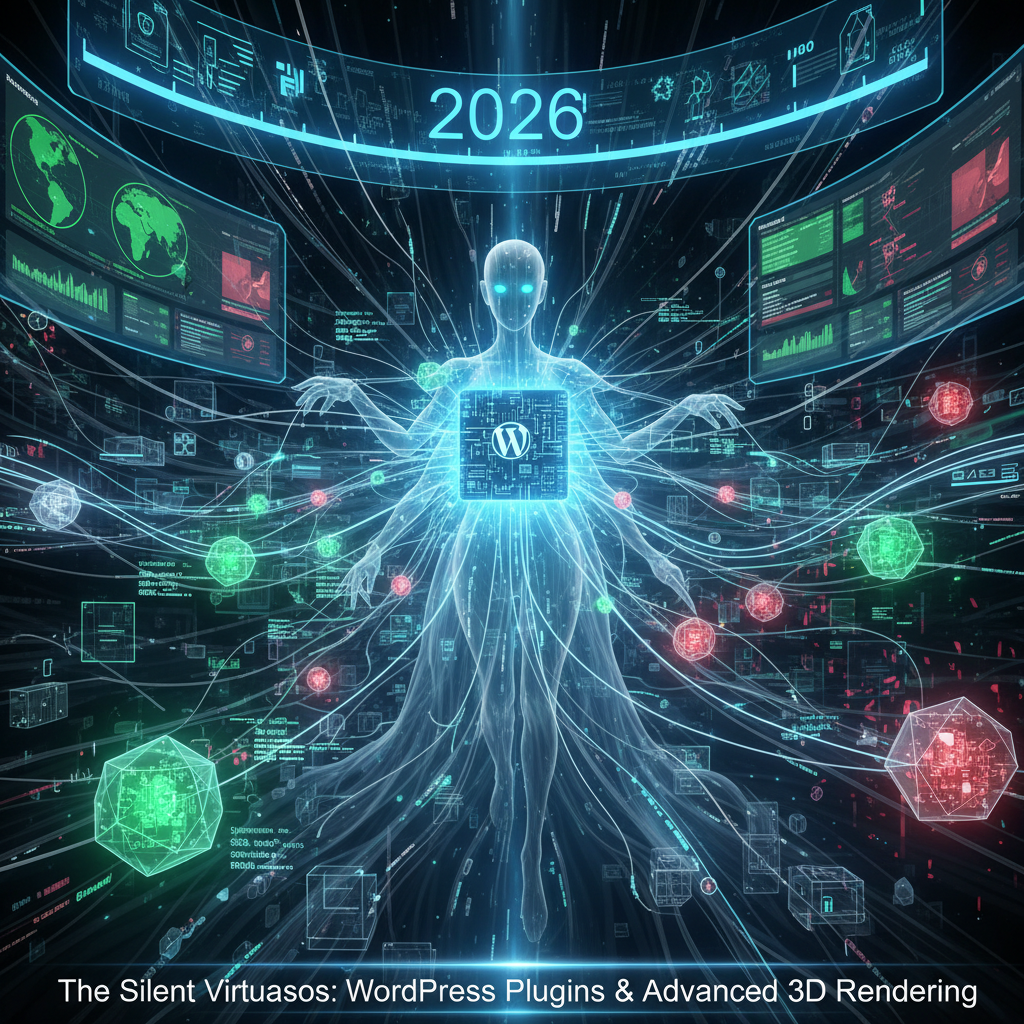
The Silent Virtuosos: Unmasking WordPress Plugins Orchestrating Advanced WebGL & 3D Rendering Environments in 2026
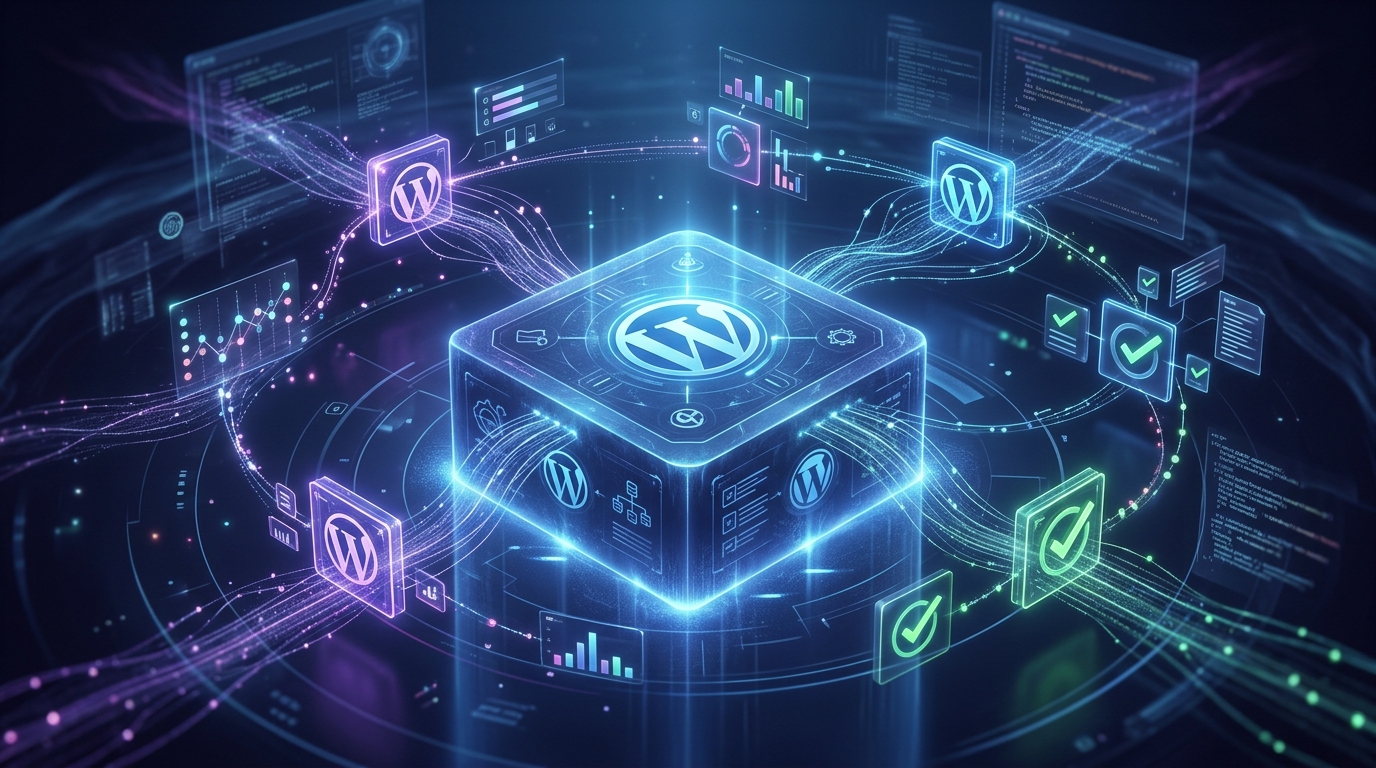
In the rapidly evolving digital landscape of 2026, creating immersive and interactive web experiences is no longer a luxury but a growing expectation. This is where WordPress 3D Rendering comes into play, transforming static websites into dynamic, visually rich platforms. WordPress, with its unparalleled flexibility and extensive plugin ecosystem, has become a surprisingly powerful contender for hosting cutting-edge 3D content, often leveraging WebGL for hardware-accelerated graphics directly in the browser. This article delves into the silent virtuosos – the plugins that make advanced 3D rendering achievable for a vast user base, alongside the critical considerations of security, performance, and compatibility.
The Rise of Immersive Experiences with WordPress 3D Rendering
The demand for interactive 3D content on the web has exploded in recent years. From product configurators in e-commerce to virtual tours of real estate properties and educational simulations, 3D rendering offers a level of immersion that traditional 2D media simply cannot match. WordPress, while not inherently a 3D engine, has adapted magnificently. Its robust architecture, combined with the power of modern web browsers and specialized plugins, empowers web developers and designers to integrate compelling 3D elements.
This trend is driven by several factors, including advancements in browser technologies supporting WebGL (Web Graphics Library), increasing internet speeds, and the widespread adoption of VR/AR devices that further stimulate interest in 3D content. For a deeper dive into how plugins affect browser and device functionality, explore Unmasking WordPress Plugins Modifying Browser APIs & Device Functionality in 2026. Businesses are recognizing the tangible benefits, such as increased user engagement, higher conversion rates, and a more memorable brand experience.
Key Drivers for 3D Integration in WordPress
- Enhanced User Engagement: Interactive 3D models keep visitors on your site longer.
- Improved Product Visualization: E-commerce benefits immensely from 3D configurators.
- Memorable Brand Experiences: Stand out from competitors with unique visual content.
- Educational Tools: Complex concepts can be explained through interactive 3D models.
- Virtual Tours: Real estate, tourism, and event industries leverage 3D for immersive viewing.
Understanding the Mechanics of WordPress 3D Rendering Plugins
Achieving sophisticated WordPress 3D Rendering isn't about WordPress itself handling complex mathematical computations for geometry and lighting. Instead, it relies heavily on JavaScript libraries like Three.js, Babylon.js, or A-Frame, which harness the power of WebGL. WordPress plugins act as the bridge, simplifying the integration of these libraries and providing a user-friendly interface for managing 3D assets, scenes, and interactions.
These plugins typically offer functionalities ranging from simple 3D model viewers to full-fledged scene editors. They abstract away much of the underlying WebGL code, allowing users to upload 3D models (often in formats like GLTF, OBJ, or FBX), set up cameras and lighting, and even add animations and user interactions without deep programming knowledge. The effectiveness of these plugins lies in their ability to make complex tasks accessible to a broader audience, fostering innovation within the WordPress ecosystem. To understand how some plugins manage performance, read about how WordPress Plugins Are Remodelling Client-Side Resource Management & Performance in 2026.
Common Features of 3D Rendering Plugins
- Model Importing & Management: Upload and organize various 3D file formats.
- Scene Editor: Visually arrange models, lights, and cameras.
- Animation Controls: Define and play animations on 3D objects.
- Interactive Elements: Add clickable areas or hover effects to 3D scenes.
- Shortcode & Block Integration: Easily embed 3D content into pages and posts.
- Performance Optimization: Tools to ensure smooth rendering across devices.
Security, Performance, and Compatibility: The Dark Side of Advanced WordPress 3D Rendering
While the allure of advanced WordPress 3D Rendering is undeniable, integrating such complex functionalities introduces critical challenges concerning security, performance, and compatibility. As professional SEO content writers, we emphasize the importance of addressing these potential pitfalls head-on. Poorly coded or unmaintained plugins can turn a visually stunning website into a security risk or a performance nightmare.
Security Vulnerabilities in 3D Plugins
The complexity of 3D rendering plugins, often relying on external libraries and custom code, makes them potential targets for malicious actors. Common risks include:
- Outdated Code: Plugins not regularly updated can contain known vulnerabilities that hackers exploit.
- Insecure Configurations: Default settings that expose sensitive data or allow unauthorized access.
- Excessive Permissions: Plugins requesting more access than necessary can be leveraged for broader attacks.
- Cross-Site Scripting (XSS): Malicious scripts injected through plugin inputs can compromise user data.
- Third-Party Dependencies: Vulnerabilities in external JavaScript libraries or APIs used by the plugin can propagate.
It is paramount to choose plugins from reputable developers who have a strong track record of security updates and transparent vulnerability reporting. For more on plugin security, see Unmasking WordPress Plugins Modulating WebGL & 3D Rendering Environments in 2026.
Performance Bottlenecks and Optimization for 3D Content
3D rendering is CPU and GPU intensive. Without proper optimization, adding 3D content can severely degrade website performance, leading to slow load times and a poor user experience. This directly impacts SEO rankings and user retention. Key performance considerations include:
- Model Complexity: High-polygon models significantly increase rendering time. Optimizing geometry is crucial.
- Texture Size: Large texture files can bloat page size. Compression and efficient texture packing are essential.
- JavaScript Overhead: The underlying 3D libraries and plugin code can add considerable script execution time.
- Browser Compatibility: Ensuring smooth performance across different browsers and devices (especially mobile) is vital.
- Lazy Loading: Implement techniques to load 3D assets only when they are needed.
Regular profiling and optimization of 3D assets and plugin configurations are non-negotiable for maintaining a high-performance WordPress site. For more on advanced performance, explore how WordPress Plugins are Orchestrating GPU & WebGPU Acceleration in 2026.
Compatibility Challenges with Themes and Other Plugins
WordPress's open-source nature means a vast array of themes and plugins that might not always play well together. Integrating a 3D rendering plugin can introduce compatibility issues such as:
- Conflicting JavaScript Libraries: Different plugins might use conflicting versions of the same library, leading to errors.
- CSS Overrides: Theme styles might clash with the plugin's embedded 3D viewer, causing visual glitches.
- Performance Interference: Other resource-heavy plugins can exacerbate performance issues when combined with 3D content.
- PHP Version Incompatibilities: Outdated PHP versions or specific server configurations might not support advanced plugin features.
Thorough testing in a staging environment before deploying 3D rendering live is crucial to identify and resolve these conflicts.
Best Practices for Implementing WordPress 3D Rendering
To harness the power of WordPress 3D Rendering effectively while mitigating risks, adhering to best practices is essential in 2026. This holistic approach ensures a secure, performant, and reliable website.
Choosing the Right 3D Plugin
The selection process for a 3D rendering plugin should be rigorous:
- Reputation and Reviews: Opt for plugins with high ratings, positive reviews, and an active developer community. A good resource for evaluating plugin trustworthiness is the official WordPress Plugin Directory.
- Regular Updates: Check the plugin's update history. Frequent updates indicate active maintenance and security patches.
- Documentation and Support: Comprehensive documentation and responsive support are invaluable for troubleshooting.
- Feature Set: Ensure the plugin offers the specific 3D functionalities you need without unnecessary bloat.
- Compatibility: Verify compatibility with your current WordPress version, theme, and essential plugins.
Optimizing 3D Assets for Web
Asset optimization is arguably the most critical aspect of performance:
- Poly Count Reduction: Use tools to reduce the number of polygons in your 3D models without sacrificing visual quality. Blender is a popular open-source tool for this, learn more at Blender.org.
- LOD (Level of Detail): Implement LOD systems where simpler models are displayed at greater distances.
- Texture Compression: Use efficient image formats (e.g., WebP, JPEG 2000) and compress textures to reduce file sizes.
- Material Optimization: Simplify materials and shaders to decrease rendering overhead.
- GLTF Format: Prioritize GLTF (GL Transmission Format) as it's optimized for web delivery and includes PBR materials.
Security Measures for 3D Implementations
Beyond choosing secure plugins, implement general WordPress security best practices:
- Keep Everything Updated: Regularly update WordPress core, themes, and all plugins.
- Strong Passwords and User Roles: Enforce strong password policies and limit user permissions.
- Security Plugins: Use robust security plugins (e.g., Wordfence, Sucuri) for firewall protection and vulnerability scanning.
- Regular Backups: Maintain frequent, reliable backups of your entire website.
- SSL/TLS Encryption: Ensure your site uses HTTPS for secure data transmission.
The Future of WordPress 3D Rendering in 2026 and Beyond
The trajectory for WordPress 3D Rendering is nothing short of exciting. As browser technologies continue to advance and hardware capabilities improve, we can expect even more sophisticated and seamless 3D experiences directly within the WordPress environment. The integration of artificial intelligence (AI) and machine learning (ML) is poised to revolutionize how 3D assets are created, optimized, and delivered.
Expect to see more AI-powered tools that automate 3D model generation from 2D images, intelligent LOD systems that adapt in real-time, and personalized 3D experiences based on user behavior. Furthermore, the convergence of WebGL with WebXR (for VR/AR in the browser) will push the boundaries of immersive interactivity, allowing WordPress sites to become gateways to spatial web experiences. As 2026 progresses, the 'silent virtuosos' – these crucial plugins – will only become more powerful and integral to the digital future.
Frequently Asked Questions

Written by Aras Akıncılar
Uzun yıllara dayanan WordPress deneyimine sahip bir siber güvenlik uzmanı olarak, eklenti ekosisteminin derinlemesine analizine odaklanıyorum. Güvenlik açıkları, performans düşüşleri ve uyumluluk sorunları üzerine hazırladığım makalelerle, WordPress kullanıcılarının sitelerini daha güvenli ve verimli hale getirmelerine yardımcı olmayı hedefliyorum.