WordPress Browser Sandboxing Plugins: Advanced Security
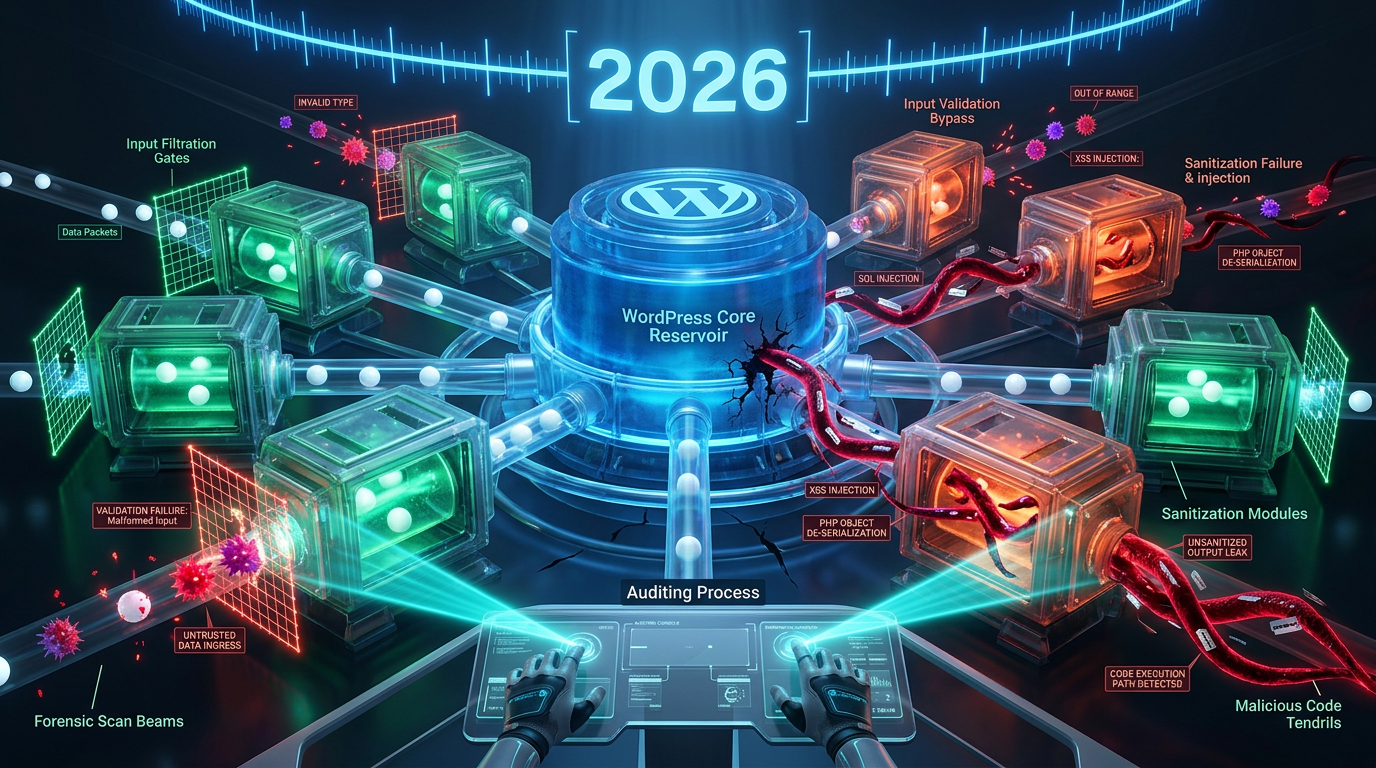
In an increasingly interconnected digital landscape, browser security has become paramount. For millions of website owners, protecting users from malicious scripts and drive-by downloads is a constant battle. This is precisely where WordPress browser sandboxing plugins emerge as crucial tools. These advanced solutions are no longer just niche offerings; in 2026, they are orchestrating sophisticated isolation techniques to enhance the security posture of WordPress websites. Significantly, these plugins safeguard both the site and its visitors against a myriad of online threats.
Our deep dive into the WordPress plugin ecosystem reveals a growing emphasis on proactive security measures. This article explores how these specialized WordPress browser sandboxing plugins function, their benefits, potential risks, and best practices for implementation. Ultimately, this ensures your WordPress site remains secure and high-performing.
Understanding Browser Sandboxing for WordPress Security
Browser sandboxing is a security mechanism that isolates web pages and their associated code from the rest of a user's system. Essentially, it acts as a virtual containment unit. If a malicious script attempts to run, the sandbox prevents it from accessing critical system resources or compromising the user's operating system. For WordPress sites, which often rely on numerous third-party scripts (analytics, ads, social media embeds), this isolation is vital.
Without proper sandboxing, a compromised third-party script could potentially:
- Steal user data (cookies, session tokens).
- Exploit browser vulnerabilities.
- Install malware on the user's device.
- Perform cross-site scripting (XSS) attacks.
Hence, the role of WordPress browser sandboxing plugins is to help server-side integrate and enforce these client-side protections. They often achieve this by manipulating HTTP security headers or injecting specific JavaScript to control how external content interacts with your site.
How Browser Sandboxing Works on the Client Side
At its core, browser sandboxing leverages the browser's built-in security features. Modern browsers like Chrome, Firefox, and Edge have robust sandboxing capabilities. However, websites, particularly those using extensive third-party content, can inadvertently weaken these protections. This is precisely where WordPress browser sandboxing plugins step in, providing WordPress users with the tools to reinforce client-side security policies.
- Process Isolation: Each tab or site often runs in its own process, limiting damage if one process is compromised.
- Resource Restrictions: Sandboxed code has limited access to the file system, network, and other sensitive resources.
- Security Headers: Plugins can configure HTTP security headers like
Content-Security-Policy (CSP)andX-Frame-Optionsto instruct browsers on how to handle content.
Key Features of Effective WordPress Browser Sandboxing Plugins
The best WordPress browser sandboxing plugins offer a comprehensive suite of features designed to enhance security without hindering site functionality. As of 2026, these plugins are increasingly sophisticated, moving beyond basic header management to integrate more dynamic protection mechanisms.
Advanced Content Security Policy (CSP) Management
CSP is arguably the most powerful tool for browser sandboxing. It allows website administrators to specify which dynamic resources are allowed to load and execute on a web page. Effective plugins therefore provide:
- Granular Control: Define specific sources for scripts, styles, images, fonts, and more.
- Report-Only Mode: Test policies without enforcing them, allowing you to identify violations before going live.
- Automatic Policy Generation: Some plugins can analyze your site and suggest an initial CSP, simplifying configuration.
- Bypass Detection: Mechanisms to detect common CSP bypass techniques.
Implementing a strict CSP can be complex, as it requires careful attention to all external resources. Nevertheless, the security benefits, particularly in preventing XSS attacks, are immense.
X-Frame-Options and Frame-Ancestors Management
These headers prevent clickjacking attacks by controlling whether your content can be embedded within an <iframe>, <frame>, <embed>, or <object> on other sites. Crucially, plugins facilitate easy configuration of these critical settings.
Referrer-Policy Configuration
Controlling the Referrer-Policy header helps protect user privacy. It dictates how much referrer information is sent when users navigate from your site to another. Plugins allow you to set policies like no-referrer or same-origin.
Integration with External Security Services
Significantly, some premium WordPress browser sandboxing plugins now integrate with external threat intelligence feeds or WAF (Web Application Firewall) services. This allows them to dynamically update security policies based on real-time threat data, providing an adaptive layer of protection against emerging browser-based exploits. For a broader understanding of web security, the OWASP Top 10 provides valuable insights into critical web application security risks.
Potential Risks & Considerations for WordPress Browser Sandboxing Plugins
While the benefits of using WordPress browser sandboxing plugins are clear, it's crucial to acknowledge potential risks and considerations. Like any powerful tool, improper implementation can lead to issues, especially regarding site functionality and compatibility.
Compatibility Issues
A poorly configured sandboxing policy, particularly a strict CSP, can inadvertently block legitimate scripts or resources on your site. This can lead to:
- Broken functionalities (e.g., forms not submitting, sliders not working).
- Missing content (e.g., images or fonts not loading).
- Glitches with third-party integrations (e.g., social media feeds, analytics scripts).
Therefore, thorough testing in a staging environment is absolutely essential before deploying any new sandboxing configuration to a live site.
Performance Overhead
Some sandboxing techniques, especially those involving extensive JavaScript manipulation or continuous policy checks, can introduce a slight performance overhead. While modern browsers are highly optimized, it's worth monitoring your site's load times and resource usage after implementing new WordPress browser sandboxing plugins.
Configuration Complexity
Setting up an effective and comprehensive CSP, in particular, requires a deep understanding of all the scripts and resources your site loads. Generic policies can be ineffective, while overly strict policies can break your site. Many plugins aim to simplify this, but a certain level of technical expertise is still beneficial. This complexity is often mitigated by practices seen in auditing WordPress plugins for temporal attacks, highlighting the need for vigilance.
Update and Maintenance Burden
As your website evolves and new plugins or themes are introduced, your sandboxing policies may need adjustments. New dependencies or external services could require updates to your CSP. Neglecting these updates can lead to either security gaps or broken site elements.
Always ensure your chosen sandboxing plugin is actively maintained and regularly updated to address new threats. Furthermore, ensure it maintains compatibility with the latest WordPress core and PHP versions.
Best Practices for Implementing WordPress Browser Sandboxing Plugins
To maximize the security benefits and minimize the risks associated with WordPress browser sandboxing plugins, follow these best practices. Proactive planning and careful implementation are key to a successful security strategy in 2026.
Start in Report-Only Mode for CSP
When configuring a Content Security Policy, always begin by implementing it in "report-only" mode. This allows the browser to report policy violations to a specified URI without blocking any content. You can then analyze these reports to fine-tune your policy. This ensures all legitimate resources are whitelisted before enforcing the policy.
Audit All External Resources
Before deploying any sandboxing plugin, perform a comprehensive audit of all external scripts, stylesheets, and resources your WordPress site relies on. This includes:
- Third-party analytics scripts (Google Analytics, Matomo).
- Advertising network scripts.
- Social media widgets and embed codes.
- External font libraries (Google Fonts, Adobe Fonts).
- Content Delivery Networks (CDNs) for static assets.
Knowing your dependencies is crucial for creating an accurate and effective CSP. Code obfuscation and anti-tampering methods can also help protect these critical resources.
Choose Reputable Plugins
Select WordPress browser sandboxing plugins from reputable developers with a strong track record of security, regular updates, and good support. Always check reviews, active installs, and update history. Plugins that haven't been updated in over a year are generally best avoided, especially in the rapidly evolving security landscape of 2026.
Test Thoroughly in a Staging Environment
Never implement significant security changes directly on your live WordPress site. Always use a staging environment that mirrors your live site. Test all functionalities, both front-end and back-end, after applying sandboxing policies. Importantly, check for console errors in the browser developer tools, which often indicate blocked resources.
Regularly Review and Update Policies
Your WordPress site is dynamic. New plugins, themes, or external service integrations can change your resource dependencies. Therefore, regularly review your sandboxing policies and adjust them as needed. Keep your chosen sandboxing plugin, WordPress core, and all other plugins and themes updated to their latest versions.
Advanced Scenarios and Future Trends for WordPress Browser Sandboxing in 2026
Looking ahead into 2026, the landscape for WordPress browser sandboxing plugins is continuously evolving. We are seeing trends towards more automated, intelligent, and integrated security solutions. These are designed to tackle increasingly sophisticated client-side attacks.
Integrations with AI-Powered Threat Detection
The future of browser sandboxing will likely involve tighter integration with AI and machine learning algorithms. These systems could analyze client-side behavior in real-time. Moreover, they could identify anomalous patterns indicative of attacks and dynamically adjust sandboxing policies or trigger alerts. Plugins may offer intelligent policy generation that adapts to traffic patterns and threat intelligence, reducing the manual configuration burden. For more on AI integration, explore the latest in in-browser AI for real-time content augmentation.
WebAssembly (Wasm) Integration
As WebAssembly becomes more prevalent, offering near-native performance for web applications, sandboxing mechanisms will need to adapt. While Wasm itself is designed with security in mind, plugins might leverage its capabilities for more robust client-side validation or for isolating critical client-side operations in highly performant, secure environments. The WebAssembly official site offers extensive documentation on this technology.
Enhanced Reporting and Analytics
Expect more advanced reporting and analytics features within WordPress browser sandboxing plugins. This includes detailed dashboards showing CSP violation reports, historical trends, and actionable insights to improve security posture. Such tools will empower site administrators to understand and respond to client-side threats more effectively.
Client-Side Runtime Application Self-Protection (RASP)
While RASP is traditionally a server-side technology, we might see client-side equivalents emerge or be integrated into sophisticated sandboxing plugins. This would involve embedding security instrumentation directly into the client-side code delivered by WordPress. This allows applications to self-protect against attacks at runtime without relying solely on browser policies. Further insights into web application security can be found through resources like the W3C Security Activity.
The ongoing evolution of these WordPress browser sandboxing plugins underscores the critical role they play in maintaining a secure WordPress ecosystem for both site owners and their visitors. By embracing these advanced sandboxing techniques, WordPress sites can significantly bolster their defenses against the client-side threats of today and tomorrow.
Frequently Asked Questions

Written by Aras Akıncılar
Uzun yıllara dayanan WordPress deneyimine sahip bir siber güvenlik uzmanı olarak, eklenti ekosisteminin derinlemesine analizine odaklanıyorum. Güvenlik açıkları, performans düşüşleri ve uyumluluk sorunları üzerine hazırladığım makalelerle, WordPress kullanıcılarının sitelerini daha güvenli ve verimli hale getirmelerine yardımcı olmayı hedefliyorum.