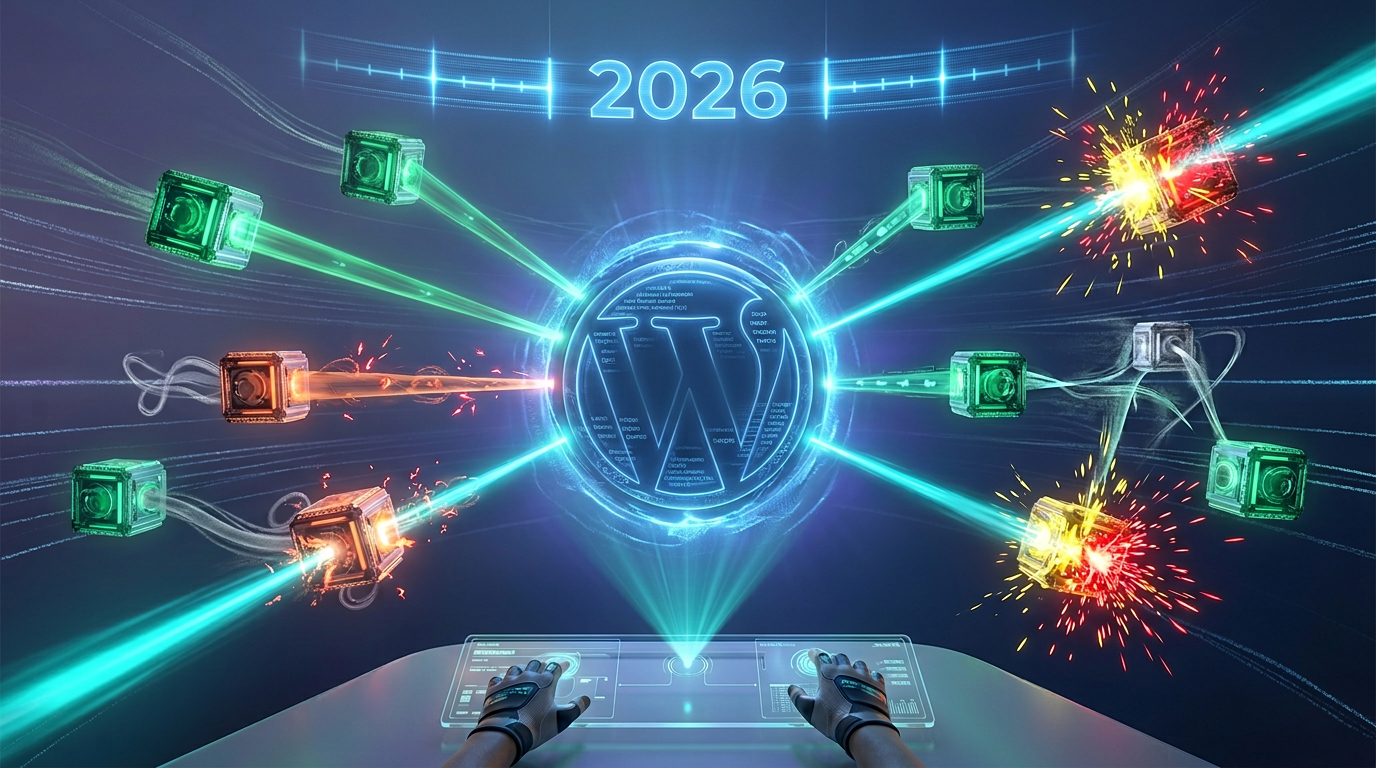
Unmasking the Silent Guardians: How WordPress AIOps Plugins Are Revolutionizing Predictive AIOps for Site Reliability in 2026
In the fast-evolving digital landscape of 2026, maintaining optimal site reliability is paramount for any successful online presence. This is where WordPress AIOps plugins are stepping in as silent guardians, transforming the way website administrators predict, detect, and resolve issues. These sophisticated tools leverage Artificial Intelligence (AI) and Machine Learning (ML) to automate operational tasks, offering predictive analytics that significantly enhance the stability and performance of WordPress sites. Understanding the power of WordPress AIOps plugins is crucial for modern website management.
The Evolution of Operational Intelligence with WordPress AIOps Plugins
The traditional approach to website monitoring often involved reactive measures, addressing problems only after they manifested. However, the advent of Artificial Intelligence for IT Operations (AIOps) has shifted this paradigm towards proactive and predictive management. For WordPress, this translates into powerful plugins that integrate AI to analyze vast amounts of operational data, identify patterns, and predict potential issues before they impact users.
The acceleration of AI integration into everyday software has made AIOps not just a luxury, but a necessity for competitive websites. Modern WordPress sites generate immense data, from user traffic and server logs to plugin interactions and database queries. Sifting through this manually is impossible; hence, the critical role of AIOps solutions. For more advanced insights into how AI is shaping plugin functionality, consider exploring topics like WordPress Plugins Extending Core Functionality with Explainable AI (XAI) in 2026.
From Reactive Monitoring to Predictive Insights
Gone are the days of constant manual log-checking. WordPress AIOps plugins provide an automated layer of intelligence over your operational data. They learn from past incidents and current trends to forecast future problems.
- Anomaly Detection: Automatically identifies unusual patterns in performance or security logs that might indicate an emerging problem.
- Root Cause Analysis: Streamlines the process of pinpointing the origin of an issue, reducing diagnostic time.
- Predictive Maintenance: Forecasts potential outages or slowdowns, allowing administrators to act pre-emptively.
This predictive capability means fewer surprises, less downtime, and ultimately, a more reliable user experience. The insights provided by these WordPress AIOps plugins allow for strategic planning and resource allocation. For those interested in the underlying architectural shifts, our article on WordPress Plugins and Microservices Architecture in 2026 provides further context.
Key Functionalities of Leading WordPress AIOps Plugins in 2026
The market for WordPress AIOps plugins is maturing rapidly, with several robust options available. These plugins typically bundle a suite of features designed to cover various aspects of site reliability, performance, and security. Understanding their core functionalities is crucial for selecting the right tool for your specific needs.
Many of these tools are becoming more sophisticated, incorporating deep learning models for even more accurate predictions. They often integrate seamlessly with existing WordPress environments, minimizing setup overhead. As a leading example, many AIOps plugins are adopting principles of Real-Time Event Processing and Streaming Data in WordPress Plugins, crucial for immediate insights.
Performance Optimization and Anomaly Detection
Performance remains a cornerstone of user satisfaction and SEO. AIOps plugins employ AI to continuously monitor various performance metrics, identifying deviations from normal behavior.
- Resource Usage Monitoring: Tracks CPU, memory, and disk usage, identifying spikes or sustained high consumption that could lead to slowdowns. For comprehensive monitoring solutions, explore resources like Datadog's AIOps solutions to see how enterprise-grade monitoring applies across platforms.
- Load Time Analysis: Monitors page load times across different regions and user devices, flagging inconsistencies.
- Database Optimization Suggestions: Leverages AI to suggest improvements for database queries and structure, enhancing efficiency.
These WordPress AIOps plugins often provide graphical dashboards, making complex data digestible for site administrators. This visual representation helps in quickly grasping the site's health at a glance.
Threat Detection and Security Enhancements
Security is an ongoing concern for all WordPress users. WordPress AIOps plugins are increasingly integrating advanced AI-driven security features to combat sophisticated threats.
- Behavioral Analysis: Detects unusual login attempts, file modifications, or access patterns that may indicate a security breach.
- Vulnerability Scanning and Prediction: Identifies potential vulnerabilities in themes, plugins, and core WordPress files, often predicting which components are most likely to be exploited based on current threat intelligence. Leading cybersecurity firms like Palo Alto Networks extensively discuss predictive security.
- Bot Traffic Identification: Distinguishes legitimate users from malicious bots, mitigating DDoS attacks and brute-force attempts.
This proactive security stance significantly reduces the risk of expensive and reputation-damaging breaches. The AI continuously learns from new threat vectors, adapting its defense mechanisms, even against the backdrop of emerging threats like Adversarial AI in WordPress Plugins (2026). These security features are a core benefit of using WordPress AIOps plugins.
Evaluating and Mitigating Risks with WordPress AIOps Plugins
While WordPress AIOps plugins offer immense benefits, it's critical to approach their adoption with a thorough understanding of potential risks. Just like any software, they can introduce new challenges if not properly evaluated and managed. In 2026, awareness of these risks is higher than ever, pushing developers towards more secure and efficient practices.
The integration of complex AI models means that some plugins might be resource-intensive, potentially impacting performance if not optimized. Therefore, careful selection of WordPress AIOps plugins is paramount.
Security Vulnerabilities and Outdated Code
A significant risk associated with any WordPress plugin, including AIOps solutions, is the introduction of security vulnerabilities. This can stem from poorly coded plugins or those that are not regularly updated.
- Code Audit: Always review the developer's reputation and look for recent security audits.
- Update Frequency: Prioritize plugins with a consistent update history, indicating active maintenance and patching of vulnerabilities.
- Third-Party Dependencies: Be aware of external libraries or APIs a plugin uses, as these can also be points of compromise.
An outdated WordPress AIOps plugin can quickly turn from a solution into a critical vulnerability. Ensure your chosen solutions are regularly maintained by reputable developers.
Performance Impact and Compatibility Issues
The intelligent processing power of WordPress AIOps plugins can be resource-intensive. If not optimized, they might consume significant server resources, leading to slower site performance.
- Resource Overhead: Monitor your server's CPU and memory usage after installing a new AIOps plugin.
- Compatibility Conflicts: Test new plugins thoroughly in a staging environment to ensure they don't clash with existing themes or plugins, especially other performance or security tools.
- Database Load: Some plugins might generate excessive database queries, impacting overall site speed.
A careful balance between advanced features and performance impact must be struck. Tools that are lightweight yet powerful are often preferred when choosing WordPress AIOps plugins.
Best Practices for Implementing WordPress AIOps Plugins
To maximize the benefits and minimize the risks associated with WordPress AIOps plugins, adopting best practices is essential. These guidelines will help you choose, configure, and maintain these powerful tools effectively in 2026.
Successful implementation hinges on careful planning and continuous evaluation. Simply installing a plugin isn't enough; active management is crucial for the best outcomes.
Strategic Selection and Staging Environment Testing
The first step is always to choose wisely. Don't rush into installing the first AIOps plugin you find.
- Define Your Needs: Clearly identify the specific operational challenges you want the AIOps plugin to address (e.g., performance bottlenecks, security concerns, uptime monitoring).
- Research and Compare: Look for reviews, features, and developer reputation. Consider free trials or freemium versions to test functionality.
- Staging Environment First: Always install and thoroughly test any new WordPress AIOps plugin in a staging environment before deploying it to your live site. This allows you to catch compatibility issues or performance degradation without affecting your audience. For guidance on testing, refer to best practices for staging environment testing in the software industry.
This systematic approach mitigates the vast majority of potential problems before they can impact your live site, ensuring your WordPress AIOps plugins work as intended.
Ongoing Monitoring and Regular Updates
Once deployed, the work doesn't stop. Continuous vigilance is key for maintaining an optimized and secure website.
- Monitor Performance Metrics: Regularly check your site's performance metrics to ensure the AIOps plugin is delivering its promised benefits without introducing new issues.
- Stay Updated: Always keep your WordPress AIOps plugins, WordPress core, and other plugins/themes updated to their latest versions. This is crucial for security patches and performance improvements.
- Review Logs and Alerts: Actively review the insights and alerts generated by your AIOps plugin. This data is invaluable for understanding your site's health and anticipating problems.
Treating your AIOps solutions as living components of your WordPress ecosystem will ensure their continued effectiveness and safeguard your site's reliability for the foreseeable future. The right WordPress AIOps plugins, properly managed, are indispensable.
Future Trends in WordPress AIOps Plugins
The landscape of WordPress AIOps plugins is continuously evolving. Expect to see more integration with advanced AI models, enhanced predictive capabilities, and deeper automation. Future plugins will likely offer more personalized insights and even autonomous problem resolution, further reducing the need for manual intervention.
AI-Driven Automation and Self-Healing
The next generation of WordPress AIOps plugins will move beyond just prediction and alerts. We anticipate a significant shift towards AI-driven automation and self-healing capabilities, where the plugins not only identify issues but also automatically implement fixes or suggest optimal solutions without human oversight.
Enhanced User Experience and Customization
As these tools become more sophisticated, there will be a greater focus on user experience. Expect more intuitive dashboards, customizable alert systems, and integration with other popular WordPress tools, making WordPress AIOps plugins even more indispensable for site administrators.
Frequently Asked Questions

Written by Aras Akıncılar
Uzun yıllara dayanan WordPress deneyimine sahip bir siber güvenlik uzmanı olarak, eklenti ekosisteminin derinlemesine analizine odaklanıyorum. Güvenlik açıkları, performans düşüşleri ve uyumluluk sorunları üzerine hazırladığım makalelerle, WordPress kullanıcılarının sitelerini daha güvenli ve verimli hale getirmelerine yardımcı olmayı hedefliyorum.