The Silent Storytellers: Unmasking Digital Ethics & WordPress Algorithmic Bias in WordPress Plugins (2026)
In 2026, as our digital landscapes become increasingly sophisticated, the subtle undercurrents of WordPress algorithmic bias within plugins are emerging as a critical concern for developers, website administrators, and end-users alike. This blog post delves into the often-unseen ethical implications of the algorithms powering countless WordPress plugins, examining how they shape content visibility, user experience, and even operational efficiency. Understanding these biases is paramount for fostering an equitable and reliable online environment.
For a broader perspective on how plugins can alter digital perceptions, explore The Silent Alchemists: How WordPress Plugins Remodel User Expectations & Build Digital Habits in 2026.
Understanding Algorithmic Bias in WordPress Plugins
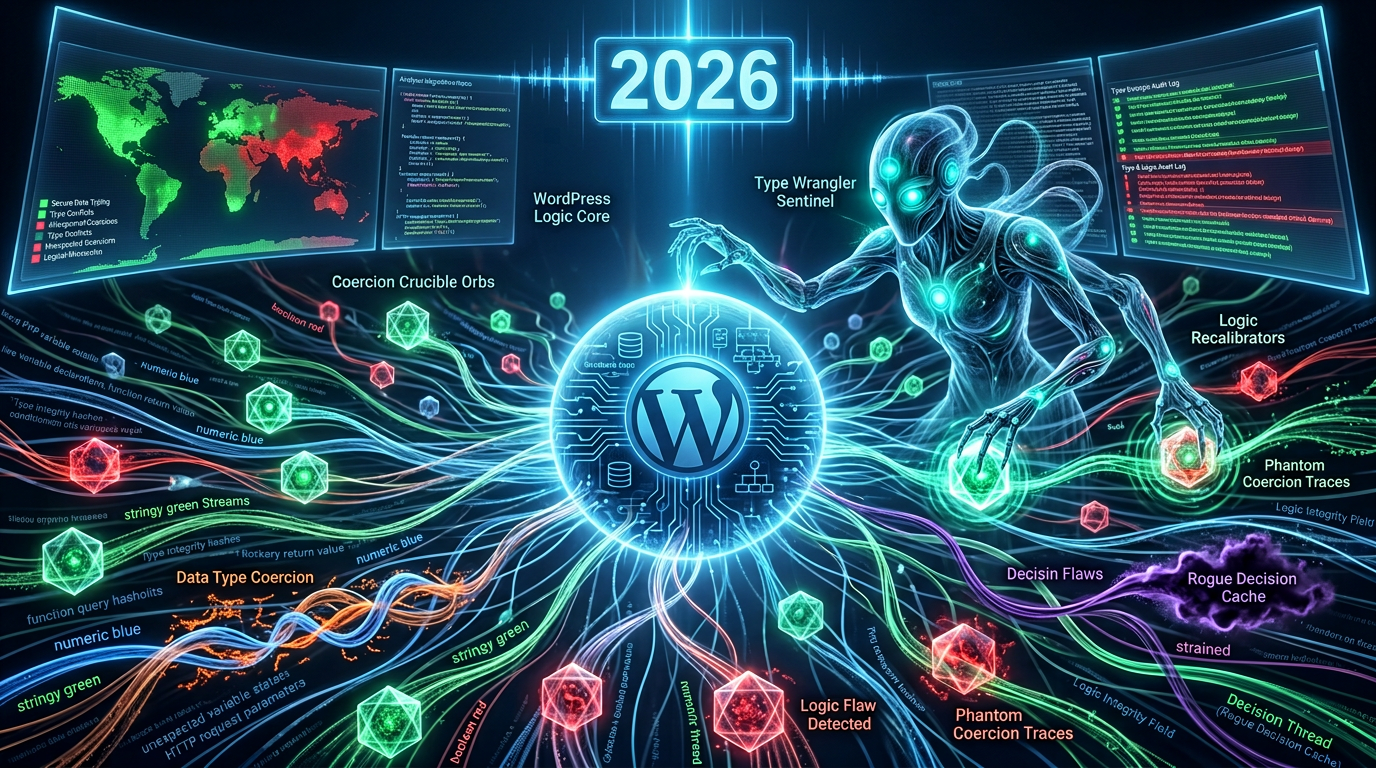
Algorithmic bias refers to systematic, repeatable errors in a computer system that create unfair outcomes, such as favoring certain groups or individuals over others. In the context of WordPress plugins, this can manifest in various ways, from search result prioritization to content recommendation engines and even user moderation tools. These biases aren't always intentional but can arise from skewed training data, flawed logic, or developers' implicit assumptions.
The impact of such biases can be profound, affecting everything from e-commerce conversions to the perceived credibility of information presented on a site. As WordPress powers over 43% of all websites globally in 2026, the ethical responsibility of its plugin ecosystem is immense.
Sources of WordPress Algorithmic Bias
- Training Data: Many AI-powered plugins learn from vast datasets. If this data is unrepresentative, incomplete, or reflects existing societal biases, the plugin will perpetuate those biases.
- Developer Assumptions: The implicit biases of a plugin's developers can inadvertently be coded into the algorithm's logic, leading to specific outcomes not consciously intended.
- Incomplete Feature Sets: Plugins designed for broad use but tested only within specific contexts might perform suboptimally or unfairly when applied to diverse user bases.
- Feedback Loops: If a biased algorithm influences user behavior, and that behavior then feeds back into retraining the algorithm, the bias can be amplified over time.
Real-world Examples and Potential Risks in 2026
Consider an SEO plugin that, due to its internal algorithms, disproportionately favors certain content structures or keyword densities, subtly penalizing diverse writing styles or less mainstream topics. Or imagine an e-commerce recommendation plugin that consistently promotes products from a limited set of vendors based on initial, skewed sales data, hindering competition. These scenarios, though hypothetical, illustrate the real dangers of unchecked WordPress algorithmic bias.
Beyond content visibility, biases can also affect plugin performance. An image optimization plugin optimized only for specific image types might degrade others, affecting site speed for certain users. A security plugin might flag legitimate activity as suspicious based on biased threat models, leading to unnecessary user friction or even site downtime. For more insights on plugin performance, read about The Silent Conductors: How WordPress Plugins Dictate Browser Performance & Page Load Speed in 2026.
Security Vulnerabilities and Algorithmic Exploits
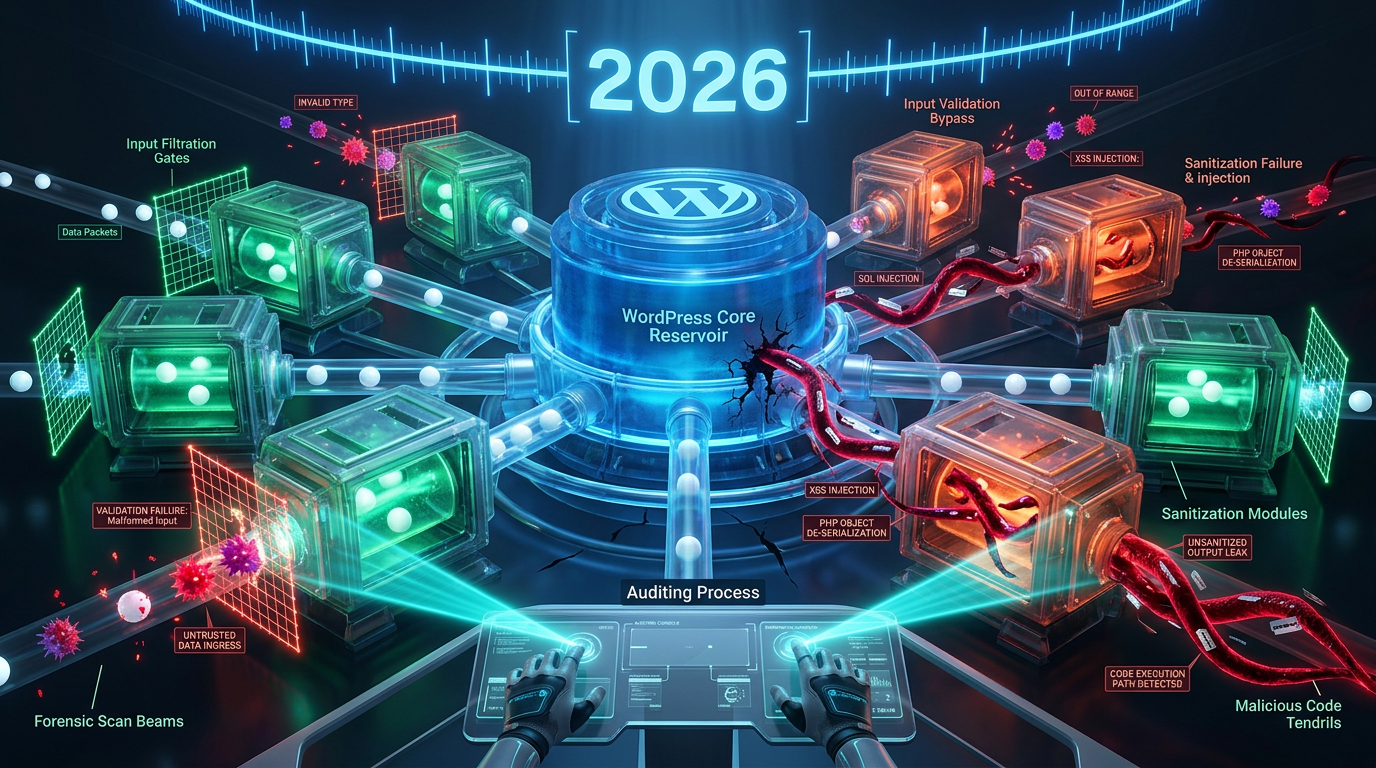
The intersection of security and algorithmic bias is another critical area. A plugin with an inherent bias might also be more susceptible to certain types of exploits. For example, if a content filtering plugin's algorithm is biased towards flagging specific keywords, malicious actors could craft content designed to bypass its detection by avoiding those keywords, even if the content is harmful.
Furthermore, outdated code and insecure configurations, common issues we highlight in our analyses, can exacerbate algorithmic vulnerabilities. An older plugin might use an algorithm trained on less diverse data, or its security protocols might be less robust against modern adversarial attacks designed to manipulate algorithmic outputs. The push for responsible AI in 2026 mandates a strong focus on both the ethics and the security of learned systems. For ongoing security challenges, see our article on The Silent Compilers: Unmasking Just-In-Time Compilation & Runtime Code Generation Risks in WordPress Plugins (2026).
Key Security Risks Magnified by Bias
- Targeted Attacks: Attackers can exploit known algorithmic biases to evade detection or manipulate outcomes.
- Data Poisoning: Malicious actors could inject biased data into a plugin’s learning process, intentionally skewing its future decisions.
- Ethical Hacking & Auditing: The need for ethical hackers to specifically test for algorithmic fairness in conjunction with security has grown significantly in 2026. A great resource for ethical AI guidelines is the Partnership on AI.
- Compliance Failures: Unaddressed biases can lead to non-compliance with evolving data protection and ethical AI regulations.
Performance Issues and Algorithmic Overhead
While often discussed in moral terms, WordPress algorithmic bias also has tangible performance implications. Plugins employing complex, biased algorithms might inadvertently introduce performance bottlenecks. If an algorithm is poorly optimized or inefficient because it's trying to process and filter data based on skewed parameters, it can lead to slower page load times, higher server resource consumption, and a degraded user experience.
Consider a search plugin that uses an overly complex or biased algorithm to generate results. It might perform unnecessary computations or return irrelevant results, wasting server resources and frustrating users. Such inefficiencies, when scaled across a large WordPress site, can be detrimental to overall performance and SEO rankings.
Impact on Site Performance and Stability
- Increased Server Load: Inefficient or biased algorithms can require more processing power, straining server resources.
- Slower Response Times: Overly complex algorithmic decisions can delay content delivery, negatively impacting user experience and SEO.
- Higher Bounce Rates: Users are less likely to stay on a slow or seemingly unfair website, leading to increased bounce rates.
- Compatibility Conflicts: Biased algorithms might interact poorly with other plugins, leading to unexpected errors or crashes.
Best Practices for Mitigating WordPress Algorithmic Bias
Addressing WordPress algorithmic bias requires a proactive and multi-faceted approach. For developers, this means rigorous testing, diverse data sourcing, and transparent documentation. For site owners, it involves careful plugin selection, regular auditing, and understanding the potential implications of the tools they use. The goal in 2026 must be to build and utilize plugins that are not only functional but also fair and equitable.
For Plugin Developers:
- Diverse Training Data: Actively seek and utilize diverse, representative datasets for machine learning models.
- Bias Audits: Implement regular audits specifically designed to detect and measure algorithmic biases.
- Transparency: Clearly document any known biases or limitations of the algorithm, as well as the data used for training. For excellent resources on transparent AI development, consult the European Commission's AI Policies.
- Explainable AI (XAI): Strive to create explainable algorithms where possible, allowing insights into how decisions are made.
- Ethical AI Guidelines: Adopt and adhere to established ethical AI development guidelines.
For WordPress Site Administrators:
- Informed Plugin Selection: Research plugin developers' commitment to ethical AI and bias mitigation.
- Regular Testing and Monitoring: Continuously monitor how plugins perform across different user groups and content types.
- Feedback Mechanisms: Provide ways for users to report perceived unfairness or inconsistencies in plugin behavior.
- Stay Updated: Keep plugins updated to benefit from the latest bias corrections and security patches. Regularly check sources like WPScan Vulnerability Database for known plugin vulnerabilities.
The Future of Ethical Plugins and WordPress Algorithmic Bias (2026)
The conversation around digital ethics, and specifically WordPress algorithmic bias, is only intensifying in 2026. As AI and machine learning become even more integrated into WordPress plugins, the need for ethical design and rigorous auditing will grow exponentially. We are moving towards a future where "ethical by design" is not just a buzzword but a fundamental requirement for plugin development.
Our commitment in this project is to continually analyze and evaluate WordPress plugins, shining a light on these complex issues. By providing practical insights and highlighting best practices, we aim to empower the WordPress community to build and maintain websites that are not only secure and performant but also fair, transparent, and ethically sound. The silent storytellers within our plugins deserve our full attention to ensure they narrate tales of inclusivity, not inadvertent exclusion.
Frequently Asked Questions

Written by Aras Akıncılar
Uzun yıllara dayanan WordPress deneyimine sahip bir siber güvenlik uzmanı olarak, eklenti ekosisteminin derinlemesine analizine odaklanıyorum. Güvenlik açıkları, performans düşüşleri ve uyumluluk sorunları üzerine hazırladığım makalelerle, WordPress kullanıcılarının sitelerini daha güvenli ve verimli hale getirmelerine yardımcı olmayı hedefliyorum.