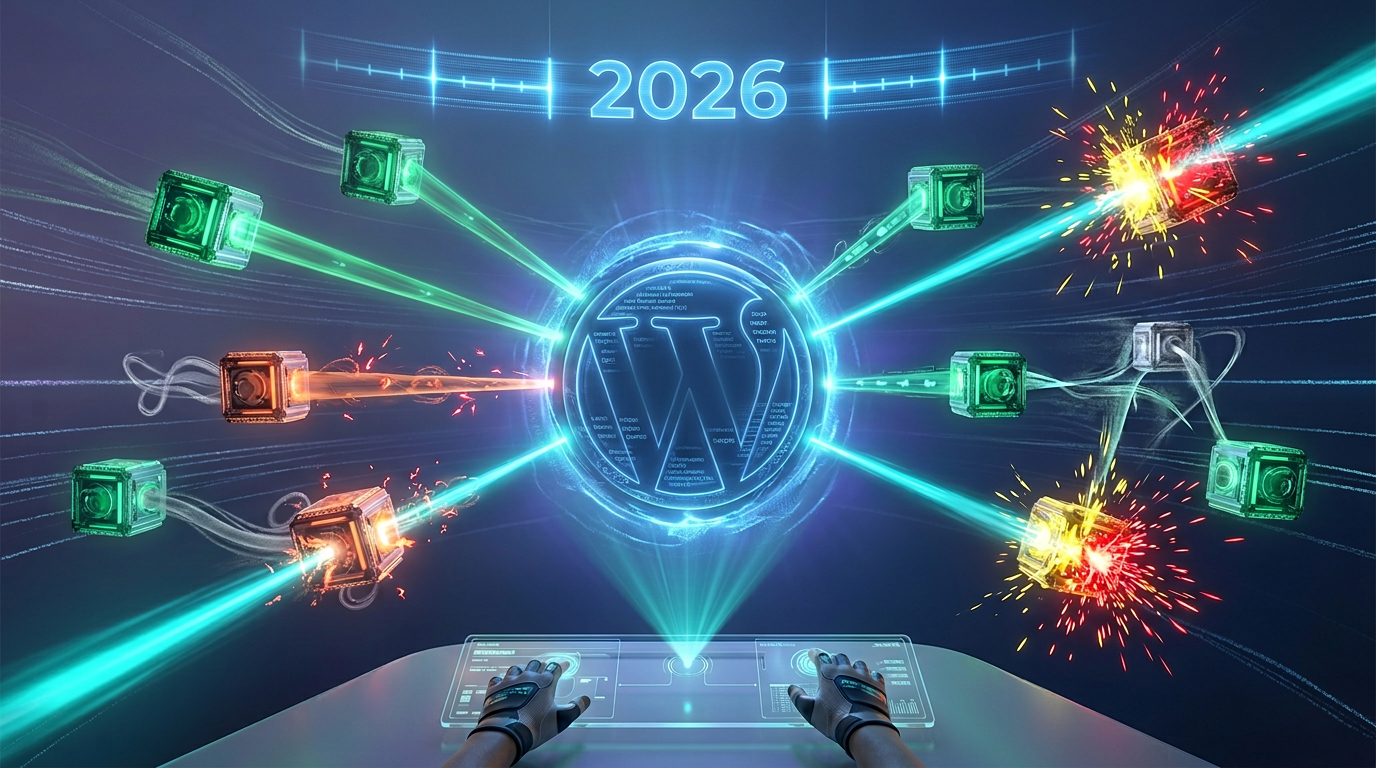
The Silent Choreographers: Unmasking WordPress Plugins That Orchestrate WordPress Background Tasks & System Processes in 2026
In the dynamic world of web development, a WordPress site's performance and stability are paramount. Often working unseen, WordPress background tasks are the unsung heroes that keep everything running smoothly, from scheduled posts to database optimizations. In 2026, understanding which plugins effectively manage these critical processes, as well as the potential risks they introduce, is more important than ever. This article delves into the intricate world of plugins designed to orchestrate background operations, offering insights into their functionalities, benefits, and the vital security and performance considerations for any site owner.
Understanding WordPress Background Tasks: The Engine Room of Your Site
Every WordPress website, regardless of its size or complexity, relies on a multitude of processes that run behind the scenes. These WordPress background tasks are essential for maintaining functionality, delivering content, and ensuring a smooth user experience. Without proper management, they can quickly bog down a site.
These tasks can range from simple, routine checks to complex, resource-intensive operations. Identifying and optimizing their execution is key to a high-performing site.
What Constitutes a Background Task?
- Scheduled Posts: Publishing content at a predetermined time.
- Database Optimizations: Cleaning up old revisions, spam comments, and transient data.
- Image Regenerations: Creating different image sizes for various theme and plugin needs.
- Cache Clearing: Ensuring visitors see the most up-to-date content.
- Plugin and Theme Updates: Critical security and feature updates.
- Email Notifications: Sending out transactional or marketing emails.
- Backup Processes: Regularly archiving site data and files.
The efficient handling of these tasks directly impacts your site's speed and responsiveness. Poorly managed WordPress background tasks can lead to slow loading times and even site crashes.
Evaluating Performance and Resource Consumption of WordPress Background Tasks
While invaluable, WordPress background tasks can also be significant resource hogs if not configured correctly. Plugins bidding for server resources must be scrutinized for their own impact on performance. A plugin that promises to optimize background tasks but then consumes excessive CPU or memory itself defeats its purpose.
It's crucial to find a balance between functionality and efficiency. Many factors contribute to a plugin's resource footprint, including its code quality, the intensity of the tasks it undertakes, and how frequently it runs those tasks.
Common Performance Bottlenecks
- Frequent Cron Jobs: Running too many tasks too often can overload the server.
- Inefficient Database Queries: Poorly optimized queries can lock tables and slow down the entire site.
- Large File Manipulations: Image resizing or backup creation can be CPU and I/O intensive.
- External API Calls: Dependent on the speed and reliability of third-party services.
Site owners should regularly monitor their server resources, especially after installing or activating new plugins that handle WordPress background tasks. Tools provided by hosting providers or specialized monitoring plugins can help identify potential issues. For deeper insights into performance, consult expert WordPress optimization guides.
Security Vulnerabilities and WordPress Background Tasks Plugins in 2026
Security is a paramount concern for any WordPress website. Plugins that manage WordPress background tasks often operate with elevated privileges, making them prime targets for malicious actors if they contain vulnerabilities. An exploited background task plugin could grant an attacker unauthorized access to your database, filesystem, or even allow them to execute arbitrary code.
In 2026, the threat landscape continues to evolve, with sophisticated attacks targeting plugin weaknesses. Therefore, selecting reputable plugins that prioritize security is non-negotiable. Learn more about injection vulnerabilities in WordPress plugin hooks.
Key Security Concerns to Address
- Outdated Code: Plugins that aren't regularly updated can harbor known vulnerabilities.
- Insecure Configurations: Default settings that expose sensitive information or allow broad access.
- Excessive Permissions: Plugins requesting more capabilities than their function requires.
- Third-Party Dependencies: Relying on external libraries that may introduce their own security risks.
- Improper Input Validation: Potential for SQL injection or Cross-Site Scripting (XSS) attacks.
Always review a plugin's security record, check for recent updates, and read user reviews regarding any reported security issues. Prioritize plugins from established developers with a history of prompt security patches. For up-to-date security best practices, consider resources like WPScan Vulnerability Database.
Navigating Compatibility Issues with Background Process Orchestration Plugins
The WordPress ecosystem is vast and varied, with thousands of themes and plugins interacting in complex ways. Introducing a new plugin, especially one that deeply integrates with WordPress background tasks, can sometimes lead to unexpected compatibility problems. These issues can range from minor glitches to site-breaking conflicts. This is particularly relevant when considering plugin interoperability and dependency conflicts.
Compatibility concerns often arise from conflicting code, shared function names, or different approaches to managing core WordPress features. Thorough testing is crucial before deploying any new plugin to a live environment.
Common Compatibility Challenges
- Theme Conflicts: Some themes include their own background task management or unique cron implementations.
- Plugin Conflicts: Two plugins attempting to manage the same set of background tasks can create race conditions or errors.
- PHP Version Incompatibilities: Newer plugins may require a more recent PHP version than what the server or other plugins support.
- Server Environment Variations: Different hosting configurations (e.g., shared hosting vs. VPS) can affect how plugins execute background tasks.
It's always recommended to test new plugins on a staging environment first. This allows you to identify and resolve any compatibility issues without affecting your live website. Always back up your site before making significant changes or adding new plugins that impact in-depth WordPress background tasks.
Best Practices for Managing WordPress Background Tasks in 2026
Effective management of WordPress background tasks is integral to maintaining a healthy, secure, and fast website in 2026. By following a set of best practices, you can harness the power of these background operations while mitigating potential risks.
This includes careful plugin selection, regular monitoring, and proactive maintenance to ensure your site remains optimal.
- Choose Reputable Plugins: Opt for plugins with strong reviews, regular updates, and a transparent security record.
- Minimize Dependencies: Only activate plugins that are absolutely necessary for your site's functionality.
- Regularly Update: Keep all themes, plugins, and WordPress core updated to their latest versions. This addresses security vulnerabilities and improves performance.
- Monitor Performance: Use server monitoring tools and WordPress-specific performance plugins to keep an eye on resource usage.
- Implement Staging Environments: Test all new plugins and major updates on a staging site before pushing them to live.
- Optimize WordPress Cron: Consider replacing the default WP-Cron with a system-level cron job for better control and efficiency, particularly for high-traffic sites. Refer to WordPress Developer Resources on Cron for advanced insights.
- Database Maintenance: Regularly clean and optimize your database to keep WordPress background tasks running efficiently.
- Security Audits: Periodically audit your site for vulnerabilities, especially those related to plugins managing critical background processes.
By adhering to these guidelines, you can ensure that your WordPress background tasks are orchestrated smoothly and securely, contributing to a robust and reliable WordPress website for years to come.
Frequently Asked Questions

Written by Aras Akıncılar
Uzun yıllara dayanan WordPress deneyimine sahip bir siber güvenlik uzmanı olarak, eklenti ekosisteminin derinlemesine analizine odaklanıyorum. Güvenlik açıkları, performans düşüşleri ve uyumluluk sorunları üzerine hazırladığım makalelerle, WordPress kullanıcılarının sitelerini daha güvenli ve verimli hale getirmelerine yardımcı olmayı hedefliyorum.