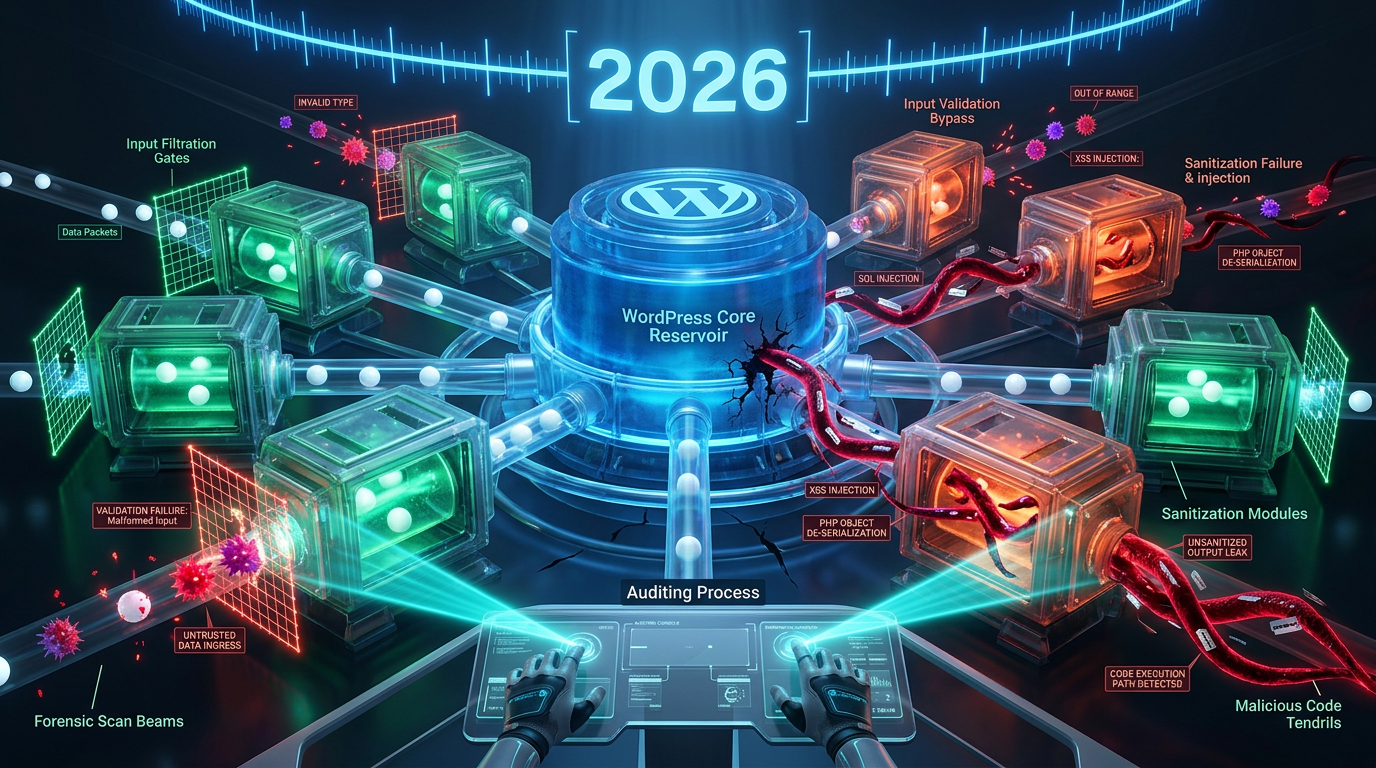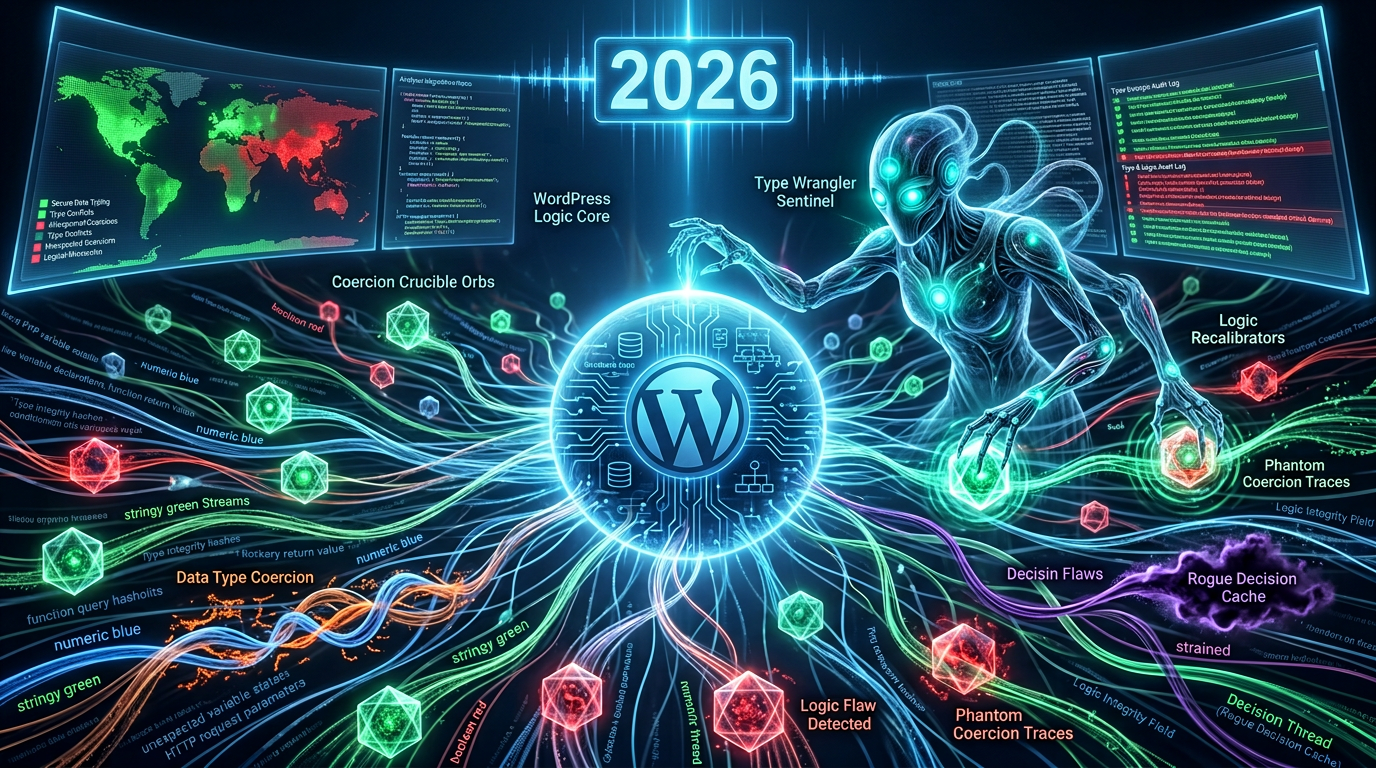
WordPress Plugin Runtime Instrumentation: Risks & Benefits
In the dynamic world of WordPress development, understanding the intricate mechanisms that govern plugin functionality is paramount. One such critical area, often operating beneath the surface, is WordPress plugin runtime instrumentation. This powerful technique, alongside code profiling, involves modifying or observing a plugin’s code as it executes, providing invaluable insights into performance, behavior, and potential vulnerabilities. While offering significant benefits for developers, it also introduces a unique set of risks that WordPress site owners and administrators must be acutely aware of, especially in 2026.
For a broader understanding of how plugins influence digital infrastructure, explore The Silent Cartographers: Unmasking Digital Topography & Infrastructure Mapping in WordPress Plugins (2026).
Understanding WordPress Plugin Runtime Instrumentation: The Basics
WordPress plugin runtime instrumentation refers to the practice of inserting code into a plugin at runtime to monitor its execution. This can involve anything from tracking function calls and variable states to measuring execution times and resource consumption. It’s a sophisticated method for gaining granular visibility into how a plugin operates on a live WordPress site.
This technique is distinct from static analysis, which examines code without executing it. Instrumentation provides real-time data, allowing for deeper diagnostics and a more accurate understanding of a plugin’s true operational footprint. Developers often leverage it during the debugging and optimization phases.
What is Runtime Instrumentation?
- Code Injection: Dynamically adding code snippets into a plugin’s existing code during execution.
- Monitoring Execution: Observing function calls, memory usage, and CPU cycles in real-time.
- Performance Analysis: Identifying bottlenecks and inefficiencies within a plugin’s operations.
- Behavioral Tracking: Understanding how a plugin interacts with the WordPress core and other plugins.
The ability to observe a plugin in action, especially regarding its interactions with the WordPress environment, offers significant advantages for developers aiming to build robust and efficient solutions. However, this power necessitates careful implementation to avoid introducing new problems. For a related discussion on understanding how plugins influence client-side logic, see The Silent Conductors: How WordPress Plugins Dictate Browser Scripting & Client-Side Logic in 2026.
Distinction from Code Profiling
While often used interchangeably, runtime instrumentation is a broader concept that encompasses code profiling. Code profiling is a specific form of instrumentation focused on measuring the performance characteristics of a program, such as execution time and memory usage. Instrumentation, on the other hand, can also be used for security monitoring, debugging, or even modifying behavior.
Both techniques rely on observing or altering code execution, making them powerful tools for diagnosing and improving WordPress plugins. The choice of which technique to primarily employ often depends on the specific goals of the analysis.
The Benefits of WordPress Plugin Runtime Instrumentation for Developers
For plugin developers, deploying WordPress plugin runtime instrumentation offers a treasure trove of diagnostic capabilities. In 2026, with the increasing complexity of WordPress ecosystems, these tools are more vital than ever for creating stable and high-performing plugins.
Effective instrumentation can significantly reduce the time spent on debugging and optimization, leading to faster development cycles and higher-quality products. It allows developers to catch issues that might be impossible to reproduce in a local development environment.
Performance Optimization
- Identifying Bottlenecks: Pinpointing functions or database queries that slow down a plugin.
- Resource Usage Monitoring: Tracking CPU, memory, and I/O consumption to ensure efficiency.
- Improving Loading Times: Optimizing code paths that contribute to slower page loads.
By precisely identifying performance inhibitors, developers can make targeted improvements, resulting in a more responsive and user-friendly experience for site visitors. This directly contributes to better SEO and user engagement.
Debugging and Error Detection
Instrumentation allows developers to trace the execution flow of a plugin, making it easier to identify the source of bugs and errors. This is particularly useful for complex interactions between multiple plugins or with the WordPress core.
Real-time insights can flag unexpected behavior or unhandled exceptions, enabling proactive resolution before they impact live sites. This proactive approach is crucial in maintaining a stable WordPress environment.
Security Auditing (Ethical Use)
In certain ethical contexts, instrumentation can be used to monitor for anomalous behavior that might indicate a security vulnerability. By observing how a plugin processes data or interacts with external resources, developers can identify potential weaknesses.
This can include tracking data sanitization, validation, and authorization checks, ensuring they are correctly implemented. However, this aspect crosses into potential risks if not handled with extreme care and transparency.
Potential Risks and Security Concerns with WordPress Plugin Runtime Instrumentation
While beneficial, the very mechanisms that make WordPress plugin runtime instrumentation powerful also introduce significant risks. These risks primarily stem from the ability to modify or observe executing code, which, if exploited, can have severe consequences for a WordPress site.
As the digital threat landscape continues to evolve in 2026, understanding these potential vulnerabilities is not just advisable, but essential for site administrators. The “silent compilers” can sometimes be silently malicious if not vetted properly. For more on advanced threats, consider reading about Quantum Leap in Auditing: Unmasking Temporal Side-Channel Attacks in WordPress Plugins (2026).
Introduction of Security Vulnerabilities
Plugins that implement runtime instrumentation poorly or for malicious purposes can inadvertently create backdoors or expose sensitive data. If the instrumentation code itself has vulnerabilities, it becomes an attack vector.
- Data Exposure: Instrumentation collecting sensitive data without proper encryption or access control.
- Malicious Code Injection: The instrumentation framework itself being exploited to inject harmful code.
- Privilege Escalation: Instrumentation code running with elevated privileges, allowing attackers to gain full control.
The integrity of the instrumentation framework is paramount. Any compromise here could lead to a cascading failure across the entire WordPress installation. Further insights into security concerns can be found in discussions around The Silent Compilers: Unmasking Just-In-Time Compilation & Runtime Code Generation Risks in WordPress Plugins (2026).
Performance Degradation
Ironically, while instrumentation is used for performance optimization, poorly implemented instrumentation can severely degrade performance. Adding extra code and monitoring overhead to every operation can slow down a plugin and, by extension, the entire WordPress site.
Excessive logging, complex data collection, or inefficient data processing within the instrumentation layer can drastically impact server resources and page load times, creating a negative user experience.
Compatibility Issues and Plugin Conflicts
Instrumentation can sometimes interfere with the normal execution flow of a plugin or even the WordPress core, leading to unexpected behavior or outright conflicts. This is especially true when multiple plugins attempt to instrument the same parts of the WordPress environment.
Such conflicts can be notoriously difficult to diagnose and resolve, often requiring extensive debugging and potentially disabling multiple plugins to isolate the issue. The potential for such conflicts underscores the need for robust testing in plugin development. For more detailed information on preventing such conflicts, consider resources like WPBeginner's guide on plugin conflicts.
Best Practices for Mitigating Risks in 2026
Given the dual nature of WordPress plugin runtime instrumentation – powerful tool and potential risk – adhering to best practices is crucial for both developers and site owners in 2026. Proactive measures can prevent many of the issues discussed.
The goal is to harness the analytical power of instrumentation while minimizing its attack surface and performance impact. This requires a diligent approach to plugin selection, development, and maintenance.
For WordPress Site Owners and Administrators:
- Choose Reputable Plugins: Prioritize plugins from established developers with a strong track record of security and regular updates.
- Regular Updates: Keep all plugins, themes, and WordPress core updated to the latest versions to patch known vulnerabilities. For best practices on maintaining a secure site, refer to official WordPress security guidelines.
- Security Scans: Utilize robust security plugins and services to regularly scan for malware, backdoors, and suspicious code.
- Limited Permissions: Ensure plugins only have the necessary permissions to function, following the principle of least privilege.
- Performance Monitoring: Actively monitor your site’s performance to identify any sudden degradations that might indicate issues with new or updated plugins.
Understanding which plugins on your site might incorporate such techniques is challenging without technical expertise. Therefore, a general approach of vigilance and careful selection is paramount.
For WordPress Plugin Developers:
- Transparent Documentation: Clearly document any runtime instrumentation used, explaining its purpose, data collected, and potential impacts.
- Secure Coding Practices: Implement instrumentation with the highest security standards, ensuring no vulnerabilities are introduced by the instrumentation code itself.
- Minimize Overhead: Design instrumentation to have minimal performance impact, running only when necessary (e.g., during development or explicit debugging).
- Data Privacy: Adhere strictly to data privacy regulations (e.g., GDPR, CCPA) when collecting any data via instrumentation, clearly informing users and providing opt-out options.
- Thorough Testing: Extensively test plugins under various conditions, including alongside other popular plugins, to identify and resolve potential conflicts early.
Responsible development is the first line of defense against the risks associated with WordPress plugin runtime instrumentation. Developers must prioritize user security and site performance above all else.
The Future of WordPress Plugin Runtime Instrumentation
As WordPress continues to evolve, so too will the methods for analyzing and optimizing its plugins. WordPress plugin runtime instrumentation is likely to become even more sophisticated, offering deeper insights while simultaneously posing new challenges for security and performance. Future developments may include AI-driven instrumentation for predictive analysis or more granular control over what data is collected and how it's used.
Staying informed about these advancements and continuously applying best practices will be essential for both developers and site administrators to leverage the power of runtime instrumentation safely and effectively.
Frequently Asked Questions

Written by Aras Akıncılar
Uzun yıllara dayanan WordPress deneyimine sahip bir siber güvenlik uzmanı olarak, eklenti ekosisteminin derinlemesine analizine odaklanıyorum. Güvenlik açıkları, performans düşüşleri ve uyumluluk sorunları üzerine hazırladığım makalelerle, WordPress kullanıcılarının sitelerini daha güvenli ve verimli hale getirmelerine yardımcı olmayı hedefliyorum.