Unmasking WordPress Browser APIs: Advanced Client-Side Automation in 2026
In the dynamic landscape of web development, WordPress browser APIs have become an increasingly crucial component for creating interactive, dynamic, and high-performing websites. These powerful interfaces, frequently leveraged by innovative plugins, allow WordPress sites to interact directly with a user's browser. Consequently, they enable advanced client-side automation, real-time data processing, and enhanced user experiences. As we navigate 2026, understanding how these WordPress browser APIs are integrated and utilized within the WordPress ecosystem is paramount for developers and site administrators aiming to push the boundaries of their websites' capabilities.
Understanding WordPress Browser APIs and Client-Side Automation
Client-side automation, primarily driven by WordPress browser APIs, refers to a website's ability to perform actions directly within the user's browser. This occurs without requiring constant communication with the server. This approach significantly speeds up interactions, reduces server load, and allows for richer, more responsive user interfaces. For WordPress platforms, plugins serve as the primary vehicle through which these advanced capabilities are introduced.
These APIs encompass a wide array of functionalities. For instance, they include local storage and IndexedDB for client-side data persistence, geolocation for location-aware experiences, and Web Workers for multithreaded JavaScript execution. The judicious use of these technologies can transform a static WordPress site into a sophisticated web application. For deeper insights into how plugins orchestrate network communications, explore The Silent Virtuosos: Unmasking WordPress Plugins Orchestrating Advanced Network Protocols & Communication in 2026.
What are Browser APIs?
- Browser APIs are built-in interfaces provided by web browsers. They allow web applications to perform specific tasks.
- They offer access to various browser functionalities, such as the DOM (Document Object Model), history, navigator, and storage.
- For WordPress, plugins often encapsulate these APIs, providing user-friendly features without requiring direct coding from the site owner.
The Rise of Client-Side Automation in 2026
The trend towards more client-heavy web applications continues to accelerate in 2026. Users now expect instant feedback and seamless interactions. WordPress browser APIs are at the heart of meeting these expectations, allowing for features such as:
- Offline capabilities utilizing Service Workers.
- Real-time notifications via the Notifications API.
- Sophisticated image manipulations performed directly in the browser.
- Enhanced form validation and submission processes.
Common WordPress Browser APIs Leveraged by Plugins
Many popular WordPress plugins, often operating behind the scenes, effectively utilize various browser APIs to deliver their features. Identifying which APIs are in play can help us understand a plugin's true capabilities and its potential impact on performance and security. Moreover, from caching solutions to interactive content builders, the influence of these APIs is pervasive. It's not uncommon for a single plugin to leverage multiple APIs to achieve complex functionalities, making it a critical area for evaluation. Understanding how plugins handle content modularity and reusability is also key to evaluating their overall efficiency.
Storage APIs: LocalStorage, SessionStorage, and IndexedDB
These APIs are fundamental for client-side data persistence. Plugins often employ them for:
- Storing user preferences or state (e.g., dark mode settings, collapsed menu states).
- Caching dynamic content to improve loading times on subsequent visits.
- Providing offline capabilities for specific parts of a website.
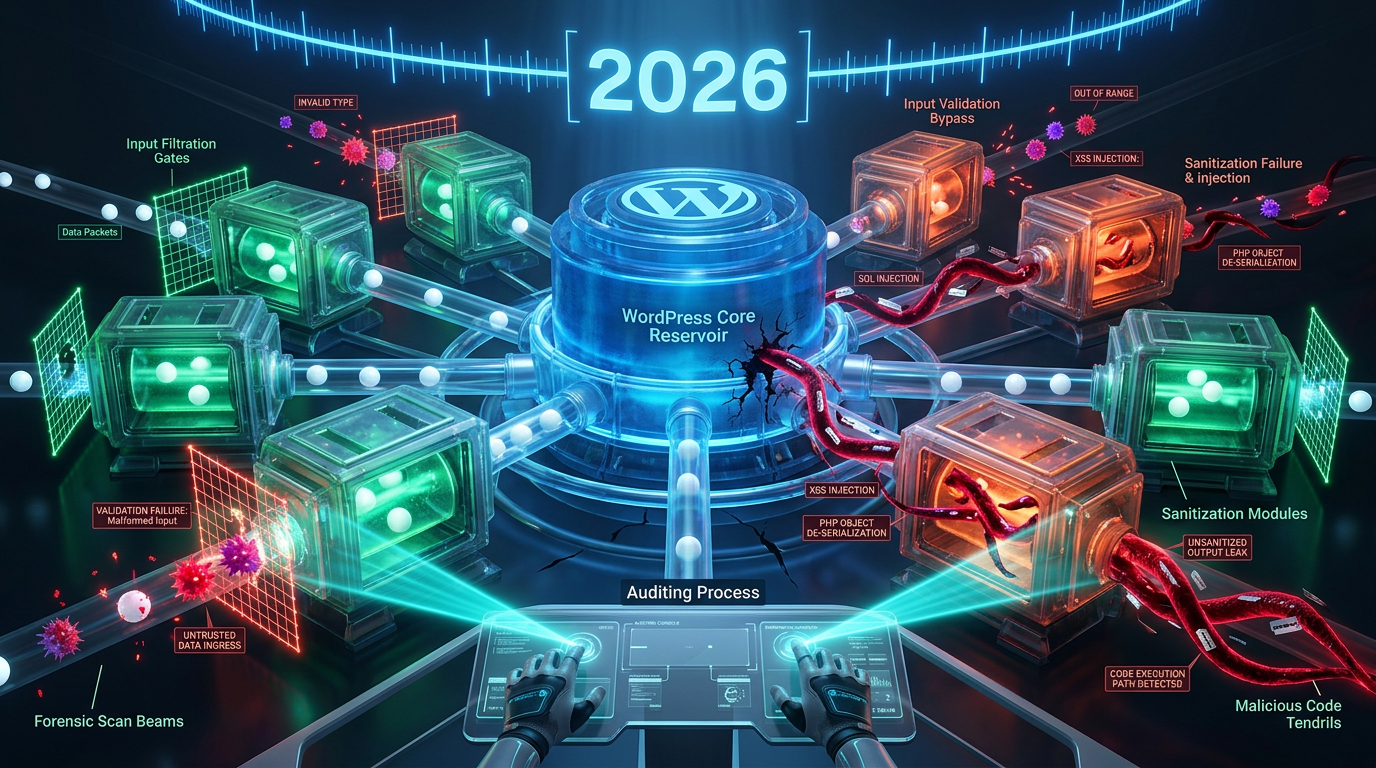
While extremely useful, improper handling of data stored via these APIs can lead to security vulnerabilities (OWASP Top 10), especially if sensitive information is not adequately protected or if cross-site scripting (XSS) allows access to this data. Learn more about various risks in The Silent Epigraphers: Unmasking Digital Annotation & Semantic Markup Risks in WordPress Plugins (2026).
Geolocation API for Location-Aware Experiences
Plugins that provide store locators, event mappings, or personalized content based on a user's location typically rely on the Geolocation API. This API requests the user's permission to access their geographical position. However, privacy concerns arise if location data is collected without clear consent or if it's misused or insecurely transmitted. For further reading on related risks, consult The Silent Cartographers: Unmasking Digital Terrain Mapping & Spatial Intelligence Risks in WordPress Plugins (2026).
Web Workers for Enhanced Performance
Web Workers enable JavaScript code to run in the background, separate from the main execution thread. This is crucial for CPU-intensive tasks that would otherwise freeze the browser's UI. Potential uses include:
- Image processing and compression on the client-side.
- Complex calculations or data parsing.
- Background synchronization with a server.
Plugins leveraging Web Workers demonstrate a commitment to performance, but their implementation requires careful review to ensure proper error handling and resource management. These WordPress browser APIs are key for modern performance.
Performance and Security Implications of Plugins Using WordPress Browser APIs
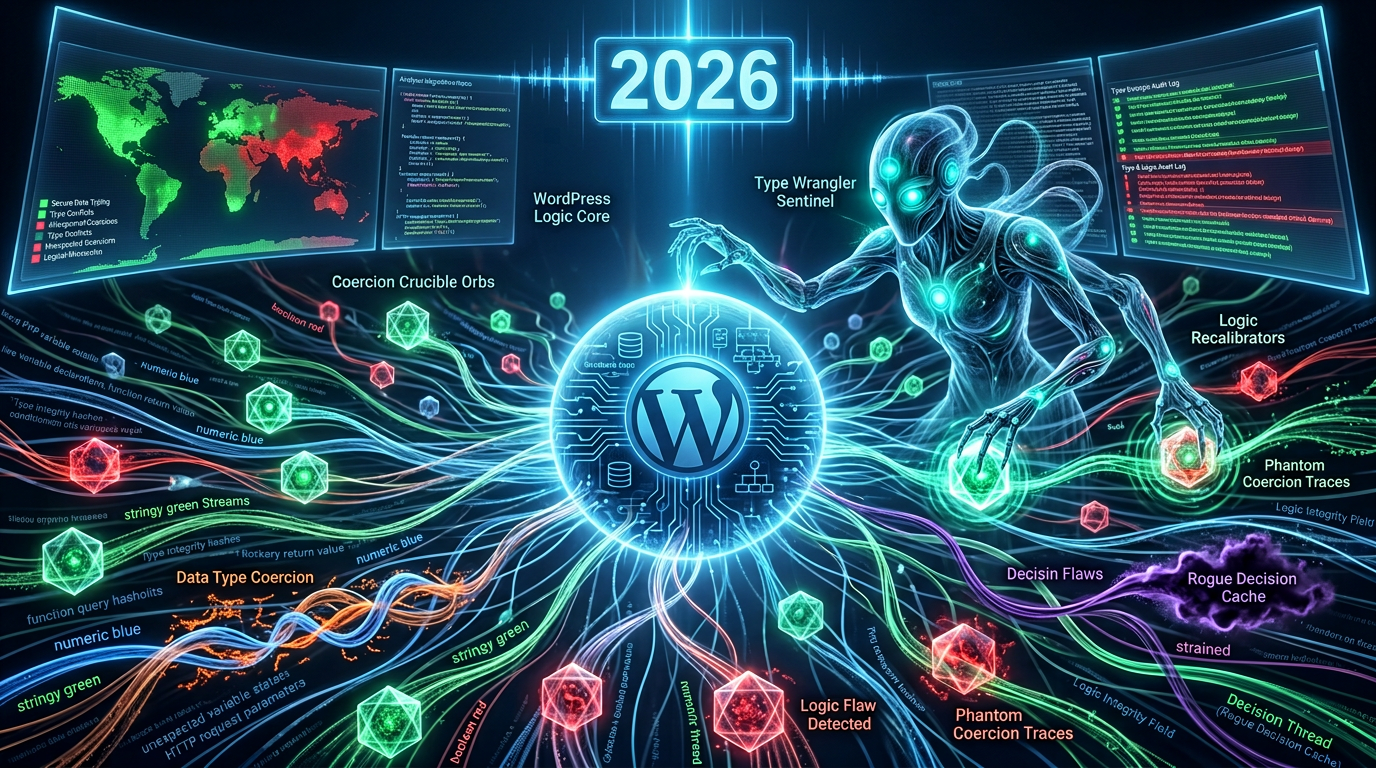
While the benefits of leveraging WordPress browser APIs are clear, their implementation through plugins introduces potential challenges in terms of performance, security, and compatibility. A thorough understanding of these implications is essential for maintaining robust WordPress installations in 2026. Every additional piece of code, especially one interacting directly with the browser's core functionalities, adds to the complexity and potential attack surface. Therefore, critical evaluation is not just recommended but required.
Performance Bottlenecks
Poorly optimized JavaScript code interacting with browser APIs can lead to several issues:
- Increased Page Load Times: Heavy scripts can block the main thread, delaying content rendering.
- Browser Freezes: Inefficient loops or computations can cause the browser to become unresponsive.
- Resource Exhaustion: Excessive use of local storage or network requests can consume user device resources.
It's vital to choose plugins known for their clean code and performance optimizations, especially when they utilize sophisticated WordPress browser APIs.
Security Vulnerabilities
The most significant risks associated with plugins and WordPress browser APIs include:
- Cross-Site Scripting (XSS): If a plugin fails to properly sanitize user input before rendering it on the page, attackers can inject malicious scripts. These scripts can then gain access to browser APIs (e.g., LocalStorage data, Geolocation).
- Data Exposure: Sensitive information stored client-side or transmitted via fetch API without encryption (HTTPS) can be intercepted.
- Excessive Permissions: Plugins requesting unnecessary browser permissions (e.g., camera, microphone) open doors for potential misuse.
Regular security audits, keeping plugins updated, and choosing reputable developers are your best defense against these threats. For more on auditing, refer to The Silent Auditors: Unmasking Digital Forensics & Incident Response in WordPress Plugins (2026).
Evaluating and Managing Plugins Utilizing Browser APIs
Given the power and potential pitfalls of plugins leveraging WordPress browser APIs, a strategic approach to evaluation and management is critical. This involves more than just checking reviews; it requires a deeper dive into their technical implementation and ongoing maintenance. Furthermore, for any WordPress site owner in 2026, understanding these processes is no longer optional but a fundamental part of digital stewardship.
Best Practices for Plugin Selection
- Vendor Reputation: Choose plugins from well-established developers with a proven track record of security and regular updates.
- Code Quality: Look for plugins with clean, well-documented code. Community feedback often highlights code quality, even if you don't read code directly.
- Regular Updates: Plugins that are frequently updated are generally better maintained against new vulnerabilities and browser changes. This is particularly important for those interacting heavily with WordPress browser APIs.
- Support Channels: Good support indicates a commitment to the product and its users.
- Permission Review: Be wary of plugins requesting permissions that seem irrelevant to their stated functionality.
Ongoing Monitoring and Maintenance
Once plugins are installed, the work isn't over. Continuous monitoring is essential:
- Performance Monitoring: Utilize tools like Google PageSpeed Insights, Lighthouse, or browser developer tools to identify any adverse performance impacts from plugins.
- Security Scans: Regular security scans of your WordPress site can help detect vulnerabilities introduced by plugins.
- Compatibility Checks: Ensure plugins remain compatible with your WordPress core version, theme, and other plugins. Incompatibility issues can sometimes expose underlying API vulnerabilities.
- Staying Informed: Keep abreast of security advisories and WordPress news regarding plugin vulnerabilities, especially those related to browser API interactions.
Neglecting these steps can transform a seemingly innocent plugin into a significant liability, undermining the stability and security of your WordPress presence.
The Future of WordPress Browser APIs and Progressive Web Apps in 2026
The synergy between WordPress browser APIs and Progressive Web App (PWA) technology is becoming increasingly profound. As we move further into 2026, more WordPress sites are adopting PWA principles to offer app-like experiences directly from the browser. This integration promises enhanced user engagement, improved accessibility, and a seamless blend of web and mobile experiences, pushing the boundaries of what a WordPress site can achieve.
PWA Integration and Service Workers
Service Workers, a core component of PWAs, extensively utilize browser APIs to enable key features like:
- Offline Access: Caching static assets and dynamic content to allow users to browse when disconnected from the internet.
- Push Notifications: Engaging users through real-time push messages, even when they are not actively on the site.
- Background Synchronization: Allowing data to be sent to the server even after the user has navigated away.
WordPress plugins are increasingly providing out-of-the-box PWA functionalities. This makes these advanced capabilities accessible to a broader audience without requiring deep technical expertise in WordPress browser APIs themselves.
WebAssembly and Advanced Computations
While still emerging in the WordPress plugin space, WebAssembly (Wasm) works alongside JavaScript and browser APIs to execute high-performance code written in languages such as C, C++, or Rust directly in the browser. This opens doors for:
- Intense Graphics Processing: For advanced visual editors or interactive 3D elements.
- Complex Data Analytics: Performing large-scale computations client-side.
- Rich Gaming Experiences: Bringing more sophisticated games directly to web browsers.
As 2026 progresses, expect to see more specialized WordPress plugins leveraging Wasm to deliver unparalleled client-side performance, complementing the existing array of WordPress browser APIs.
Frequently Asked Questions

Written by Aras Akıncılar
Uzun yıllara dayanan WordPress deneyimine sahip bir siber güvenlik uzmanı olarak, eklenti ekosisteminin derinlemesine analizine odaklanıyorum. Güvenlik açıkları, performans düşüşleri ve uyumluluk sorunları üzerine hazırladığım makalelerle, WordPress kullanıcılarının sitelerini daha güvenli ve verimli hale getirmelerine yardımcı olmayı hedefliyorum.