The Silent Virtuosos: Unmasking WordPress Plugins Orchestrating Advanced Browser APIs & Device Functionality in 2026
In the evolving digital landscape of 2026, websites are no longer static pages but dynamic, interactive experiences. A significant part of this transformation is powered by modern WordPress browser APIs and device functionality, allowing WordPress sites to leverage advanced web capabilities typically associated with native applications. This article delves into the world of WordPress plugins that act as these silent virtuosos, orchestrating complex interactions between your website and the user's browser, along with their device's hardware, while also highlighting the inherent risks and best practices for their implementation.
Understanding WordPress Browser APIs and Their Potential
WordPress browser APIs are a collection of standards and interfaces that allow web browsers to expose device and operating system functionality to web applications. These APIs unlock a vast array of possibilities, from real-time geolocation services and push notifications to intricate file system access and media manipulation. For WordPress site owners, this means the ability to create highly engaging and functional user experiences directly within the browser, without requiring users to download separate applications.
The innovation driven by these APIs is remarkable. Imagine a portfolio website that allows clients to directly upload large multimedia files from their camera roll, or an e-commerce store that provides augmented reality previews of products in a user's home. These are no longer futuristic dreams but current realities, largely thanks to the power of browser APIs and the plugins that integrate them with WordPress. For a deeper dive into how plugins orchestrate real-time communications, consider reading about WordPress Plugins Remolding WebSockets & Real-time Communication in 2026.
Key Browser APIs Driving Innovation in 2026
- Geolocation API: Enables access to the user's geographical location, useful for local business finders, store locators, or personalized content delivery.
- Web Notifications API: Allows websites to display system-level notifications, enhancing user engagement and re-engagement strategies.
- WebRTC (Real-Time Communications): Facilitates peer-to-peer communication directly in the browser, enabling video conferencing, live chat, and file sharing.
- IndexedDB and Cache API: Provide robust client-side storage mechanisms for offline capabilities and improved performance.
- Payment Request API: Streamlines the checkout process by allowing browsers to act as intermediaries for payment information.
- MediaDevices API: Grants access to user's camera and microphone, essential for video recording, live streaming, or profile picture uploads.
The Role of WordPress Plugins in Orchestrating Browser APIs
While browser APIs offer incredible potential, directly implementing them requires significant coding expertise. This is where WordPress plugins shine. They abstract away the complexity, providing user-friendly interfaces and pre-built functionalities that leverage these powerful APIs. Plugins democratize access to advanced features, allowing even non-developers to integrate sophisticated browser and device interactions into their WordPress sites. This convenience is akin to orchestrating advanced client-side automation, making advanced web capabilities accessible.
Many popular plugins, often without explicitly stating "WordPress browser APIs" in their descriptions, are actively utilizing these underlying technologies. From form builders that allow camera uploads to e-commerce plugins that integrate with payment gateways, the silent work of browser APIs is fundamental to their functionality.
Examples of Plugins Leveraging Browser APIs
- Geolocation Plugins: These plugins often use the Geolocation API to display maps with user locations, find nearby stores, or restrict content based on geographical data.
- Push Notification Plugins: Tools like OneSignal or Webpushr rely heavily on the Web Notifications API to send timely updates and alerts to users.
- Media Uploaders: Advanced media managers and form extensions frequently tap into the MediaDevices API to allow users to directly capture images or record videos from their device's camera.
- Progressive Web App (PWA) Plugins: These plugins bundle various browser APIs, including Cache API and Push Notifications, to deliver app-like experiences.
Potential Risks and Vulnerabilities in WordPress Browser API Integration
While the benefits are clear, integrating advanced WordPress browser APIs and device functionality through plugins comes with inherent risks. As web applications become more intertwined with user devices, the attack surface expands, creating new opportunities for malicious actors. It is crucial for WordPress users to be aware of these potential pitfalls. Understanding these risks is crucial, much like being aware of digital identity and authentication risks in WordPress plugins.
Common Plugin-Related Threats
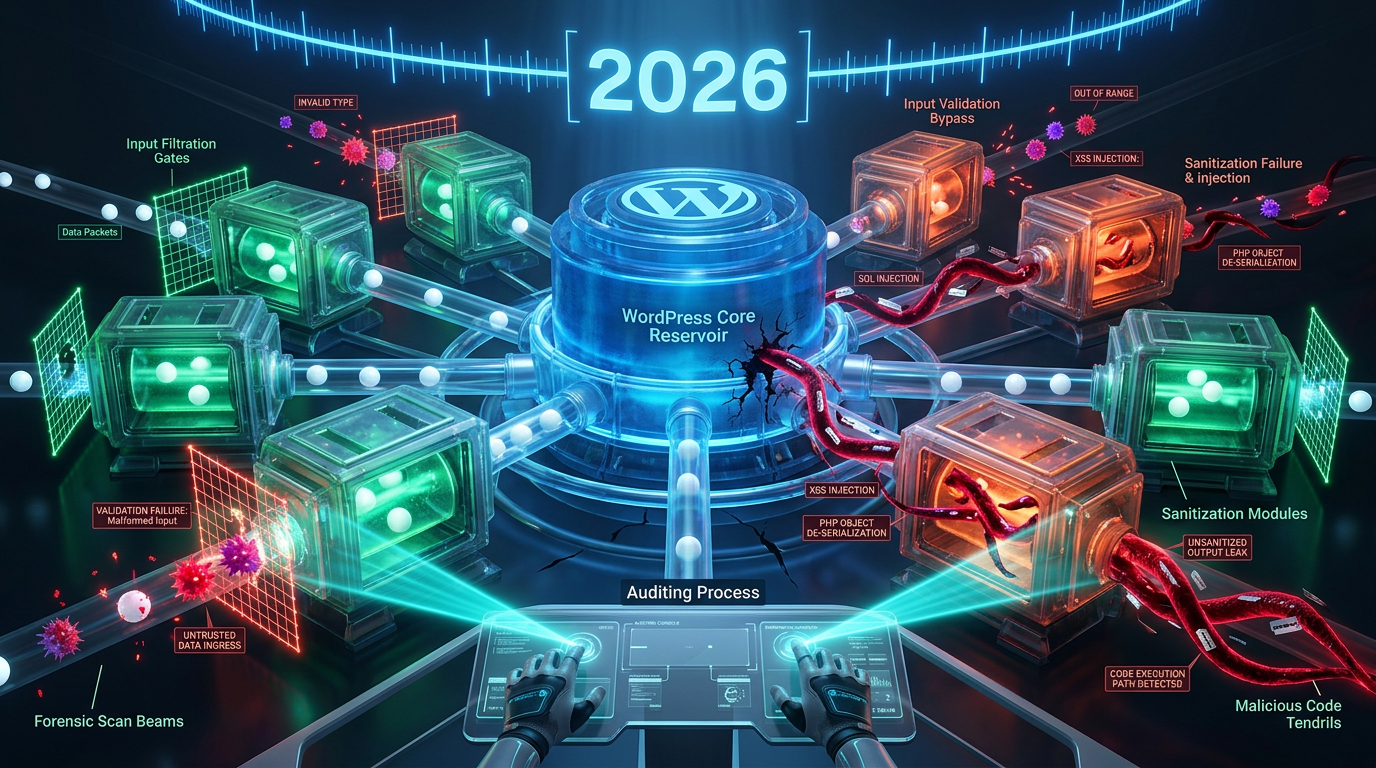
1. Security Vulnerabilities: The most significant risk lies in insecure plugin code. A poorly coded plugin leveraging browser APIs might have vulnerabilities that could be exploited to:
- Cross-Site Scripting (XSS): Malicious scripts injected through form inputs that utilize browser APIs could execute in a user's browser, stealing cookies or session information.
- Insecure Direct Object References (IDOR): If a plugin handles file uploads via a browser API without proper validation, an attacker might be able to access or manipulate files they shouldn't.
- Privacy Breaches: APIs like Geolocation or MediaDevices require user consent, but a rogue plugin could potentially misuse or store this sensitive data without proper encryption or authorization.
- Excessive Permissions: Some plugins might request more browser permissions than strictly necessary, increasing the risk if the plugin itself is compromised. For further reading, an external resource on OWASP Top 10 web application security risks provides valuable insights.
2. Performance Issues: Improper use of browser APIs can severely impact website performance. For instance:
- Resource-Intensive Operations: Over-reliance on background synchronization or constant geolocation tracking can drain device battery and consume excessive CPU.
- Unoptimized Assets: Plugins that handle media uploads or manipulations via APIs might not optimize images or videos, leading to large file sizes and slow page loads.
- JavaScript Bloat: Many plugins bundle large JavaScript libraries to manage API interactions, contributing to overall page weight and slower execution times. This is analogous to how WordPress plugins metabolize & excrete JavaScript dependencies, affecting performance.
3. Compatibility Problems: The web ecosystem is constantly evolving. Browser APIs specifications can change, and different browsers might implement them with slight variations. This can lead to:
- Browser Incompatibility: A plugin might work flawlessly in Chrome but break in Firefox or Safari, frustrating users.
- Dependency Conflicts: Plugins that rely on external libraries to interact with browser APIs might conflict with other plugins or the WordPress core, leading to errors.
- Outdated Code: If a plugin is not regularly updated to align with current API standards, its functionality can degrade or cease to work entirely.
Best Practices for Secure and Efficient WordPress Browser API Integration in 2026
Mitigating the risks associated with WordPress browser APIs and ensuring a smooth user experience requires diligent adherence to best practices. As of 2026, security and performance are paramount, and proactive measures are essential.
Strategies for Mitigating Plugin Risks
- Choose Reputable Plugins: Always prioritize plugins from well-known developers with a strong track record of security, regular updates, and good support. Check reviews and community feedback.
- Regularly Update Plugins, Themes, and WordPress Core: This is the most fundamental security practice. Updates often include critical security patches and performance improvements, especially for plugins leveraging volatile browser APIs.
- Limit Permissions: Only use plugins that request the minimum necessary browser permissions for their intended functionality. Be wary of plugins asking for excessive access.
- Conduct Security Audits: Periodically scan your website for vulnerabilities using security plugins or professional auditing services. This is particularly important for sites using advanced APIs.
- Implement a Staging Environment: Test new plugins and updates in a staging environment before deploying them to your live site to catch compatibility and functionality issues.
- Monitor Performance: Use tools like Google PageSpeed Insights, GTmetrix, or browser developer tools to constantly monitor your site's performance after integrating new plugins, especially those using resource-intensive browser APIs. For detailed insights into web performance metrics, the Core Web Vitals documentation is an excellent resource.
- Sanitize and Validate All User Input: Any data received via browser APIs (e.g., file uploads, geolocation data) must be rigorously sanitized and validated on the server-side to prevent injection attacks and data corruption. An example of secure coding practices can be found in resources about preventing XSS attacks.
- Educate Users on Permissions: Inform users why specific browser permissions are being requested and what benefits they offer, building trust and transparency.
- Backup Regularly: Maintain regular backups of your entire WordPress site. In the event of a plugin-related issue or security breach, a clean backup can be a lifesaver.
The Future of WordPress Browser APIs and Device Functionality
Looking ahead in 2026, the integration of WordPress browser APIs shows no signs of slowing down. As web browsers continue to evolve and new APIs emerge, WordPress's ability to leverage these will be crucial for maintaining its position as a leading CMS. We can anticipate even more sophisticated interactions, bringing the web closer to the capabilities of native applications.
New emerging APIs like WebGPU for advanced graphics rendering, or improvements in WebXR for augmented and virtual reality experiences, promise to open up entirely new avenues for WordPress websites. The key will be for plugin developers to stay abreast of these advancements, implementing them securely and efficiently to continue pushing the boundaries of what's possible on the web.
Ultimately, while WordPress plugins serve as the convenient bridge to these advanced browser and device functionalities, the responsibility lies with site owners to choose wisely, maintain diligently, and secure their installations thoroughly. By doing so, they can fully harness the power of these silent virtuosos, creating truly exceptional and modern web experiences in 2026 and beyond.
Frequently Asked Questions

Written by Aras Akıncılar
Uzun yıllara dayanan WordPress deneyimine sahip bir siber güvenlik uzmanı olarak, eklenti ekosisteminin derinlemesine analizine odaklanıyorum. Güvenlik açıkları, performans düşüşleri ve uyumluluk sorunları üzerine hazırladığım makalelerle, WordPress kullanıcılarının sitelerini daha güvenli ve verimli hale getirmelerine yardımcı olmayı hedefliyorum.