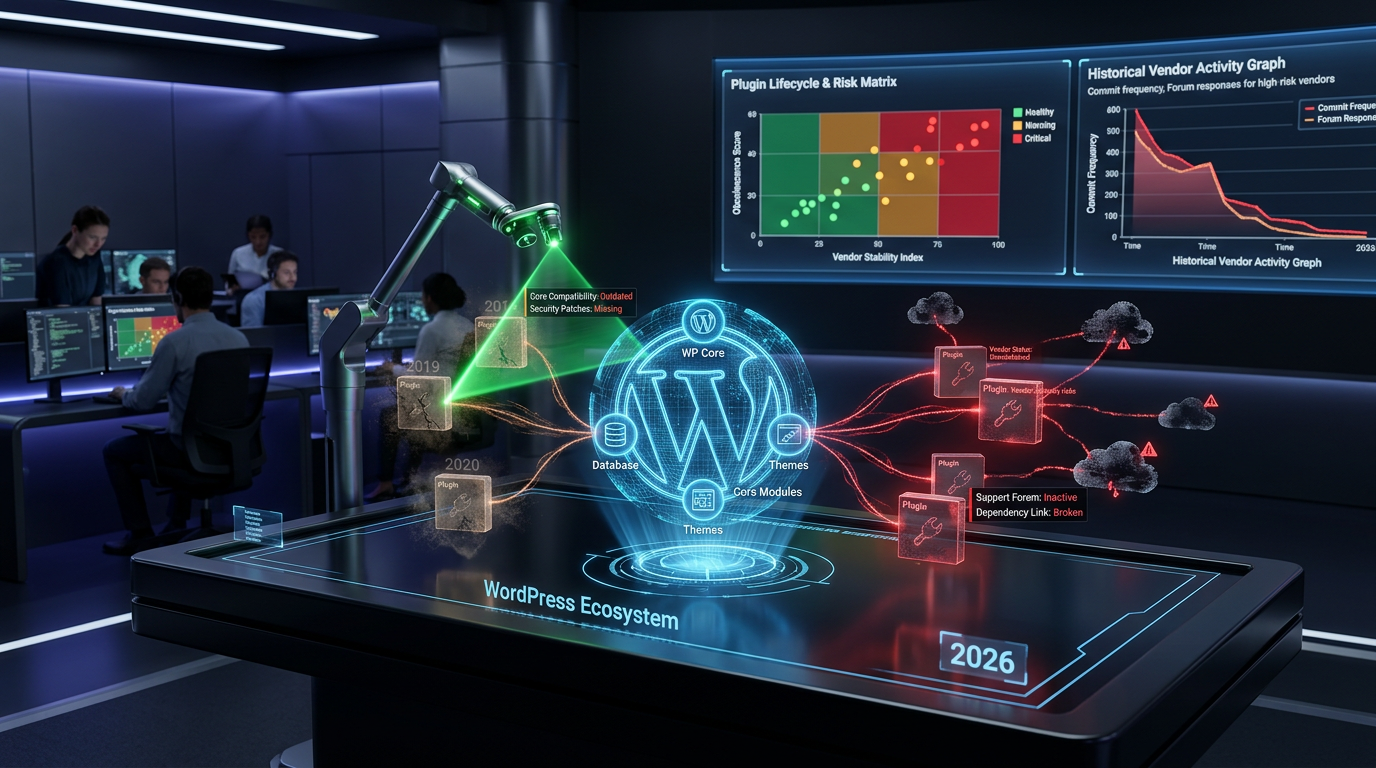
Mastering WordPress Disaster Recovery: A Deep Dive into Digital Resilience in 2026
In the unpredictable digital landscape of 2026, ensuring robust WordPress Disaster Recovery is not just a best practice, it's a critical imperative for any online presence. From sudden server crashes to malicious cyberattacks, the threats to website stability are ever-present. This comprehensive guide will explore the intricacies of safeguarding your WordPress site, focusing on how plugins act as "silent alchemists" in remodeling digital resilience. We'll delve into effective strategies, essential tools, and critical considerations to help you prepare for and recover from any unforeseen event, minimizing downtime and protecting your valuable data.
The Evolving Threat Landscape and the Need for WordPress Disaster Recovery
The digital world is more dynamic and perilous than ever before. As of early 2026, cyber threats are becoming increasingly sophisticated, targeting vulnerabilities in even the most well-maintained systems. Ransomware attacks, DDoS assaults, and data breaches are common occurrences, making proactive WordPress Disaster Recovery planning indispensable. A mere outage can translate into significant financial losses, reputational damage, and a loss of customer trust. Therefore, understanding the current threat landscape is the first step toward building an unbreakable website.
Common Threats Endangering WordPress Websites
- Malware and Ransomware: Malicious software designed to disrupt operations, steal data, or demand payment.
- Hacking Attempts: Unauthorized access through brute-force attacks, SQL injection, or cross-site scripting vulnerabilities.
- Server Failures: Hardware malfunctions, power outages, or data center issues that can take a site offline.
- Human Error: Accidental deletions, misconfigurations, or incorrect updates by website administrators.
- Outdated Software: Unpatched vulnerabilities in WordPress core, themes, or plugins that attackers can exploit.
Each of these threats underscores the vital role that a well-defined and regularly tested WordPress Disaster Recovery plan plays in your overall digital strategy. Ignoring these risks is akin to building a house without insurance; it might stand for a while, but the first major storm could bring it crashing down.
WordPress Plugins: Alchemists of Resilience and Their Role in Disaster Recovery
WordPress plugins are often the unsung heroes in the quest for digital resilience. They extend WordPress's core functionality, offering specialized tools for backup, security, and performance optimization – all crucial elements of effective WordPress Disaster Recovery. However, while they empower websites, they also introduce potential risks. For instance, WordPress plugins can even dictate your site's quantum algorithm vulnerabilities, a new consideration in 2026. A thorough understanding of their capabilities and drawbacks is essential for robust WordPress Disaster Recovery.
Backup and Restoration Plugins: The Foundation of Recovery
The cornerstone of any robust WordPress Disaster Recovery plan is a reliable backup solution. Plugins like UpdraftPlus, Duplicator, and WPBackItUp excel in creating full site backups, including your database, files, themes, and plugins. These backups can be scheduled, stored off-site (e.g., Dropbox, Google Drive, Amazon S3), and easily restored in the event of data loss. Regular, automated backups are non-negotiable. You can also gain insight into how these WordPress plugins metabolize and excrete server configurations, which is vital for perfect recreation during recovery.
- Automated Scheduling: Set and forget daily, weekly, or monthly backups.
- Off-site Storage: Ensures backups are safe even if your server is compromised.
- Incremental Backups: Efficiently saves only changes made since the last full backup, saving storage space and time.
- One-Click Restoration: Simplifies the recovery process, even for non-technical users.
Security Plugins: Proactive Protection Against Threats
While not directly recovery tools, security plugins play a vital preventative role in minimizing the need for extensive WordPress Disaster Recovery efforts. Plugins such as Wordfence Security, Sucuri Security, and iThemes Security Pro offer firewalls, malware scanning, login attempt limits, and vulnerability patching. They act as the first line of defense, intercepting threats before they can inflict damage. When evaluating these, it's also important to understand how WordPress plugins dictate browser fingerprinting and privacy risks, as this can affect your site's overall security posture.
However, it's crucial to acknowledge the potential downsides of plugins. An improperly configured security plugin can sometimes cause conflicts or performance slowdowns. Therefore, choosing reputable plugins and configuring them correctly is key.
Navigating Plugin Risks: Security, Performance, and Compatibility for Effective WordPress Disaster Recovery
While plugins are indispensable, they also introduce a unique set of challenges that can hinder or complicate WordPress Disaster Recovery. Understanding and mitigating these risks is paramount for a secure and stable website in 2026.
Security Vulnerabilities from Plugins
Outdated code, insecure configurations, and excessive permissions in plugins are significant vectors for cyberattacks. A single vulnerable plugin can compromise your entire site. Regular auditing, timely updates, and choosing plugins from trusted sources are critical. Before installing any new plugin, always check:
- Last Updated Date: Plugins not updated within the last six months to a year are red flags.
- Active Installations: A higher number usually indicates better community testing and support.
- Reviews and Ratings: Look for consistent positive feedback and active developer responses.
- Developer Reputation: Research the plugin author's history and other contributions to the WordPress community.
These practices are fundamental to preventing scenarios that would necessitate extensive WordPress Disaster Recovery procedures.
Performance Issues and Compatibility Conflicts
An excessive number of plugins, or poorly coded ones, can severely impact website performance, leading to slow loading times and a poor user experience. Furthermore, plugin conflicts can arise when two or more plugins try to modify the same core functionality, leading to errors, broken features, or even a completely inaccessible site. Such issues often require complex troubleshooting, which is a form of minor disaster recovery itself.
To avoid these headaches:
- Minimality: Install only the plugins you truly need.
- Testing Environment: Always test new plugins on a staging site before deploying to live.
- Performance Monitoring: Utilize tools to track site speed and identify performance bottlenecks.
Crafting Your Comprehensive WordPress Disaster Recovery Plan
A robust WordPress Disaster Recovery plan goes beyond just having backups. It encompasses a holistic strategy for prevention, detection, and rapid restoration. In 2026, this plan must be dynamic, adapting to new threats and technologies.
Key Components of a Disaster Recovery Strategy
- Regular & Redundant Backups: As discussed, this is the non-negotiable foundation. Store backups in multiple, geographically separate locations.
- Strong Security Measures: Implement firewalls, strong passwords, two-factor authentication, and constant malware scanning.
- Monitoring & Alerting: Use services that notify you immediately of downtime, security breaches, or performance issues. For advanced insights, explore AIOps platforms, which are becoming increasingly integrated into WordPress ecosystems.
- Update Management: Keep WordPress core, themes, and all plugins updated to their latest versions. Automate updates where safe, and test major updates on a staging site first.
- Access Control: Restrict user roles and permissions based on the principle of least privilege.
- Documentation: Maintain clear, up-to-date documentation of your entire site configuration, hosting details, and recovery procedures.
- Regular Testing: Crucially, periodically test your backup and recovery process to ensure it works as expected. A backup is only good if it can be restored. Consider utilizing specialized disaster recovery testing tools to simulate real-world scenarios.
This comprehensive approach significantly strengthens your ability to handle any digital crisis and reinforces your WordPress Disaster Recovery capabilities.
Best Practices for Maintaining a Secure and Resilient WordPress Site in 2026
Beyond specific tools and a formal plan, adopting foundational best practices is essential for long-term website health and effective WordPress Disaster Recovery. These practices help prevent issues from escalating into full-blown disasters.
Proactive Maintenance and Monitoring
- Choose Reputable Hosting: A reliable host with good uptime, security features, and support is paramount. Look for hosts specializing in WordPress, often offering enhanced security and backup solutions.
- Strong Credentials: Use complex, unique passwords for WordPress, hosting, and database access. Implement a password manager and regularly review credential security.
- Theme and Plugin Audits: Periodically review installed themes and plugins. Remove any that are unused, outdated, or from untrusted sources. This also includes auditing for relict code and zombie functions in WordPress plugins, which can pose hidden risks.
- Security Scans: Conduct regular automated and manual security scans to identify vulnerabilities. Services like Sucuri SiteCheck offer free vulnerability scanning.
- Performance Optimization: Optimize images, leverage caching, and minimize code to improve site speed and reduce strain on resources, which can indirectly aid recovery by improving stability.
- Limiting Third-Party Dependencies: Be mindful of how many external services and scripts your plugins rely on, as these can introduce additional points of failure or security risks.
By diligently adhering to these best practices, you not only improve your site's overall performance but also significantly enhance your readiness for any situation requiring WordPress Disaster Recovery. In 2026, a proactive stance is the most effective defense against digital threats.
Frequently Asked Questions

Written by Aras Akıncılar
Uzun yıllara dayanan WordPress deneyimine sahip bir siber güvenlik uzmanı olarak, eklenti ekosisteminin derinlemesine analizine odaklanıyorum. Güvenlik açıkları, performans düşüşleri ve uyumluluk sorunları üzerine hazırladığım makalelerle, WordPress kullanıcılarının sitelerini daha güvenli ve verimli hale getirmelerine yardımcı olmayı hedefliyorum.