WordPress EDA Plugins: Extending Core with Event-Driven Architectures (EDA) in 2026
In the rapidly evolving digital landscape of 2026, WordPress continues its reign as the most popular content management system. However, its core synchronous request-response architecture can sometimes be a bottleneck for modern, scalable, and responsive web applications. This is where WordPress EDA plugins come into play, silent augmenters that are revolutionizing how websites handle complex processes, real-time interactions, and microservice integrations. These plugins introduce the power of Event-Driven Architectures (EDA) directly into the WordPress ecosystem, allowing for more decoupled, resilient, and performant systems. Our in-depth analysis will explore various WordPress EDA plugins, comparing their functionalities, and highlighting potential risks while providing best practices for their implementation.
Understanding Event-Driven Architectures and WordPress EDA Plugins in 2026
Event-Driven Architecture (EDA) is a software design pattern where decoupled services communicate by producing and consuming events. Unlike traditional synchronous systems where components directly call each other, EDA allows components to react to events without needing prior knowledge of the event's origin or destination. For WordPress, this means that actions like a user registration, a post publish, or an e-commerce order can trigger a cascade of related, asynchronous events across different systems or within WordPress itself.
The beauty of WordPress EDA plugins lies in their ability to inject this paradigm into a platform not inherently built for it. By providing hooks, filters, and custom event dispatchers, these plugins enable developers to design more robust and scalable solutions. As of 2026, the demand for more agile and adaptable web services has driven significant innovation in this area. For more insights into how plugins are shaping architectural shifts, consider reading about WordPress Plugins as Architectural Deconstructors of SEO Semantics.
The Core Principles of EDA for WordPress
- Decoupling: Components operate independently, reducing interdependencies and making the system more resilient to failures.
- Asynchronous Processing: Tasks can be executed in the background, improving user experience and overall site performance.
- Scalability: Individual services can scale independently based on demand, leading to more efficient resource utilization. For a look at how other plugins are boosting performance, check out how WordPress Plugins are Extending Core with Heterogeneous Computing for Performance.
- Responsiveness: Systems can react to changes in real-time, enabling features like instant notifications or dynamic content updates.
Implementing EDA through WordPress EDA plugins can transform a static site into a dynamic, interconnected ecosystem. This is particularly crucial for e-commerce sites, large membership platforms, and any application requiring real-time data synchronization or external service integration.
Evaluating Key Functionalities of WordPress EDA Plugins
When selecting WordPress EDA plugins, it's essential to consider a range of functionalities that dictate their usefulness and compatibility with your project. The market in 2026 offers diverse solutions, from simple event dispatchers to comprehensive workflow automation tools.
Event Dispatching and Listening Mechanisms
At the heart of any EDA plugin is its ability to dispatch and listen for events. Effective WordPress EDA plugins provide intuitive APIs for defining custom events, triggering them, and registering listeners (subscribers) that react to these events. Some plugins might leverage existing WordPress hooks, while others introduce their own robust event bus. Look for features such as:
- Support for custom event payloads to pass relevant data.
- Prioritization of event listeners.
- Mechanisms for event queuing (e.g., using RabbitMQ, Redis, or database tables).
- Easy integration with other plugins and themes.
Workflow Automation and Integrations
Beyond basic event handling, advanced WordPress EDA plugins offer sophisticated workflow automation capabilities. This allows you to define complex sequences of actions based on triggered events, often integrating with third-party services. Examples include:
- Automated email sending upon specific actions.
- Synchronization of user data with CRM systems.
- Triggering external API calls for marketing automation or analytics.
- Conditional logic for event processing, allowing for dynamic reactions.
The ability to integrate with external systems is a significant value proposition for these plugins, enabling WordPress to act as a central hub in a broader microservice architecture.
Potential Risks and Threats Introduced by WordPress EDA Plugins
While WordPress EDA plugins offer immense benefits, they also introduce a new layer of complexity and potential vulnerabilities if not managed correctly. Our detailed analysis reveals common risks that users and developers must be aware of when deploying these powerful tools.
Security Vulnerabilities and Access Control
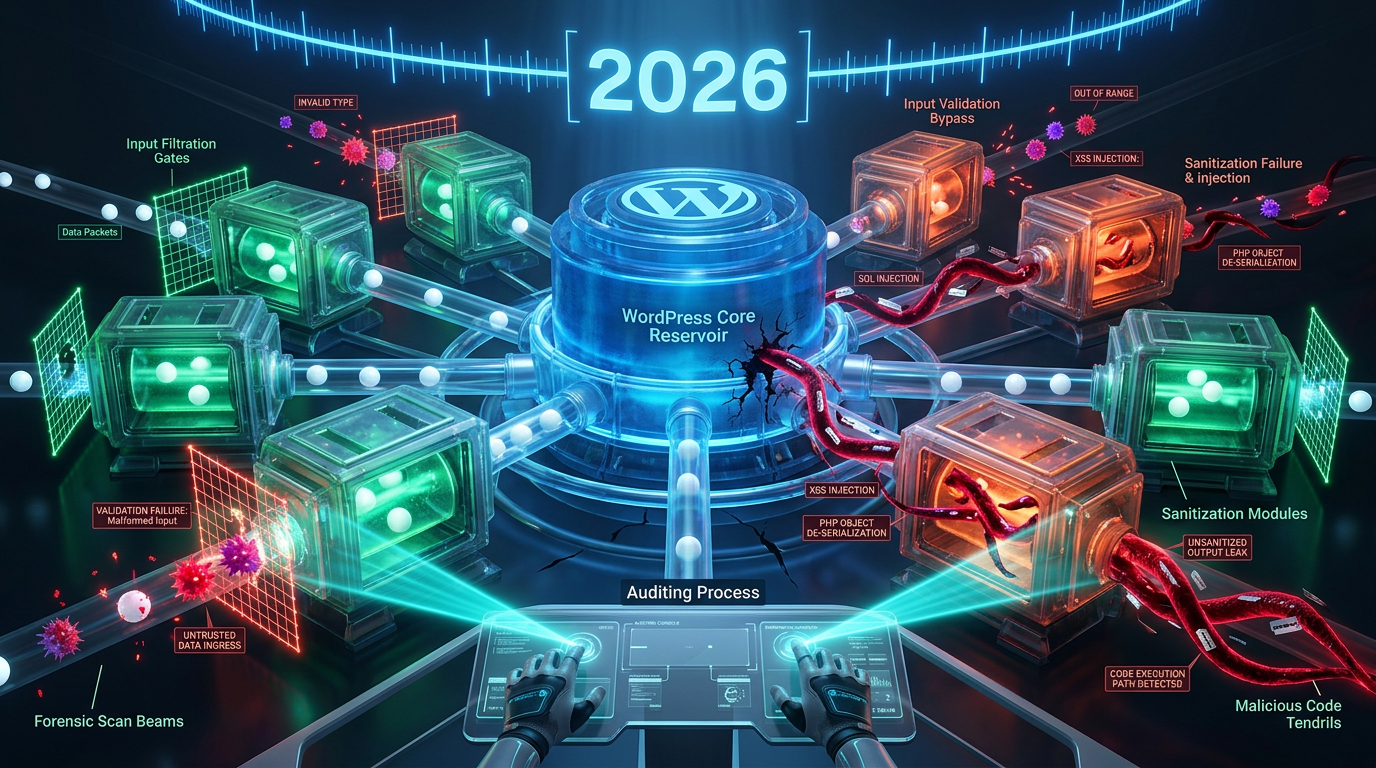
One of the primary concerns with any WordPress plugin, especially those handling critical application logic, is security. WordPress EDA plugins often deal with sensitive data and can trigger actions that have significant impact. Outdated code, insecure configurations, or flaws in the event listener implementation can lead to:
- Injection Vulnerabilities: If event payloads are not properly sanitized, attackers could inject malicious code.
- Broken Access Control: Unauthorized users or processes might be able to trigger events or listen to events they shouldn't have access to, leading to data exposure or unauthorized actions. Learn about Transient Data & Cache Poisoning Risks in WordPress Plugins that can exacerbate access control issues.
- Denial of Service (DoS): An inefficiently handled surge of events or a malicious event flood could overwhelm the event bus or associated services.
It's crucial to choose well-maintained plugins from reputable developers and to regularly audit their code for vulnerabilities, especially in 2026, where cyber threats are becoming increasingly sophisticated. For more on advanced security measures, see how WordPress Plugins are Harnessing Explainable AI for Granular Threat Intelligence.
Performance Issues and Resource Consumption
The asynchronous nature of EDA can significantly improve performance, but poorly implemented WordPress EDA plugins can also introduce bottlenecks. Excessive event logging, inefficient event processing, or memory leaks within listeners can degrade site performance. Consider the following:
- Database Overload: If events are stored in the database without proper purging or indexing, it can lead to large database tables and slow queries.
- CPU and Memory Usage: Complex event listeners or a high volume of events can consume substantial server resources.
- Queueing System Overheads: If external queuing systems are used, ensure they are properly configured and monitored to avoid becoming a bottleneck.
Monitoring server resources and profiling the performance of your EDA implementation are critical steps to ensure your site remains fast and responsive.
Best Practices for Implementing and Managing WordPress EDA Plugins
To harness the full potential of WordPress EDA plugins while mitigating risks, adhering to best practices is paramount. These guidelines are crucial for maintaining a secure, stable, and high-performance WordPress website in 2026.
Secure Coding and Configuration
Security should be a non-negotiable priority. When developing custom EEDA extensions or choosing third-party WordPress EDA plugins:
- Input Validation and Sanitization: Always validate and sanitize all data coming from event payloads before using it in your application logic, regardless of the source.
- Principle of Least Privilege: Ensure that event listeners and external services only have the minimum necessary permissions to perform their tasks.
- Regular Updates: Keep all plugins, themes, and WordPress core updated to their latest versions to patch known security vulnerabilities.
- Security Audits: Periodically conduct security audits of your codebase and plugin configurations, especially those involving event-driven logic.
A proactive approach to security significantly reduces the attack surface and protects your valuable data. For further reading on plugin security, explore how WordPress Plugin Security Best Practices are evolving in 2026.
Performance Optimization and Scalability Considerations
To ensure your EDA implementation enhances performance rather than hindering it:
- Efficient Event Listeners: Write lean and optimized event listener functions. Avoid heavy computations directly within listeners where possible; delegate them to background tasks.
- Asynchronous Processing: For long-running tasks, always consider asynchronous processing using job queues (e.g., WP-Cron modified for external queues, or dedicated queue systems).
- Caching: Implement robust caching strategies wherever possible – for event data, processed results, and front-end output.
- Monitoring: Continuously monitor server resources, database performance, and event queue health. Tools for application performance monitoring (APM) are invaluable here.
- Load Testing: Conduct regular load tests to understand how your EDA implementation performs under peak traffic.
Scalability requires careful planning. Consider using a dedicated message broker (like Apache Kafka or RabbitMQ) for high-volume event processing, externalizing the load from your primary WordPress database. The official WordPress Plugin Handbook offers valuable guidance on performance best practices.
Compatibility and Dependency Management
The WordPress ecosystem thrives on interoperability, but this can also lead to compatibility headaches. When working with WordPress EDA plugins:
- Test Thoroughly: Always test new plugins or updates in a staging environment before deploying to production. This helps identify conflicts with other plugins, themes, or custom code.
- Dependency Management: Be aware of the third-party dependencies that your chosen EDA plugins introduce. Ensure these dependencies are actively maintained and don't introduce their own vulnerabilities.
- Version Control: Use version control for your themes and custom plugins and track all installed plugins, along with their versions. This aids in rollbacks if compatibility issues arise.
- Standardization: Where possible, adhere to WordPress coding standards and best practices to minimize conflicts and improve maintainability.
Considering the interconnected nature of event-driven systems, a holistic approach to compatibility management is vital. For general plugin development guidelines, refer to the WordPress Plugin Development section on the Make WordPress site.
The Future of WordPress EDA Plugins in 2026 and Beyond
The trajectory for WordPress EDA plugins in 2026 points towards even greater sophistication and integration. As headless WordPress gains more traction and microservice architectures become standard, the demand for robust event streaming and orchestration within the WordPress context will only grow. We anticipate seeing more plugins offering:
- Native support for cloud-based message queues and serverless functions.
- Enhanced visual workflow builders for complex event chains.
- AI-driven insights into event patterns and potential performance bottlenecks.
- Stronger security features, possibly leveraging machine learning for anomaly detection in event streams.
These developments will further solidify WordPress's position not just as a content platform, but as a powerful application framework capable of handling modern, dynamic web experiences.
In conclusion, WordPress EDA plugins are not just an evolutionary step but a revolutionary leap for the platform. By embracing event-driven architectures, WordPress sites can achieve new levels of performance, scalability, and responsiveness. However, responsible implementation, rigorous security practices, and continuous monitoring are essential to unlock their full potential and avoid common pitfalls. As we move further into 2026, the careful selection and management of these plugins will be a key differentiator for high-performing, resilient WordPress websites.
Frequently Asked Questions

Written by Aras Akıncılar
Uzun yıllara dayanan WordPress deneyimine sahip bir siber güvenlik uzmanı olarak, eklenti ekosisteminin derinlemesine analizine odaklanıyorum. Güvenlik açıkları, performans düşüşleri ve uyumluluk sorunları üzerine hazırladığım makalelerle, WordPress kullanıcılarının sitelerini daha güvenli ve verimli hale getirmelerine yardımcı olmayı hedefliyorum.