Mastering WordPress JavaScript Dependencies: A 2026 Guide
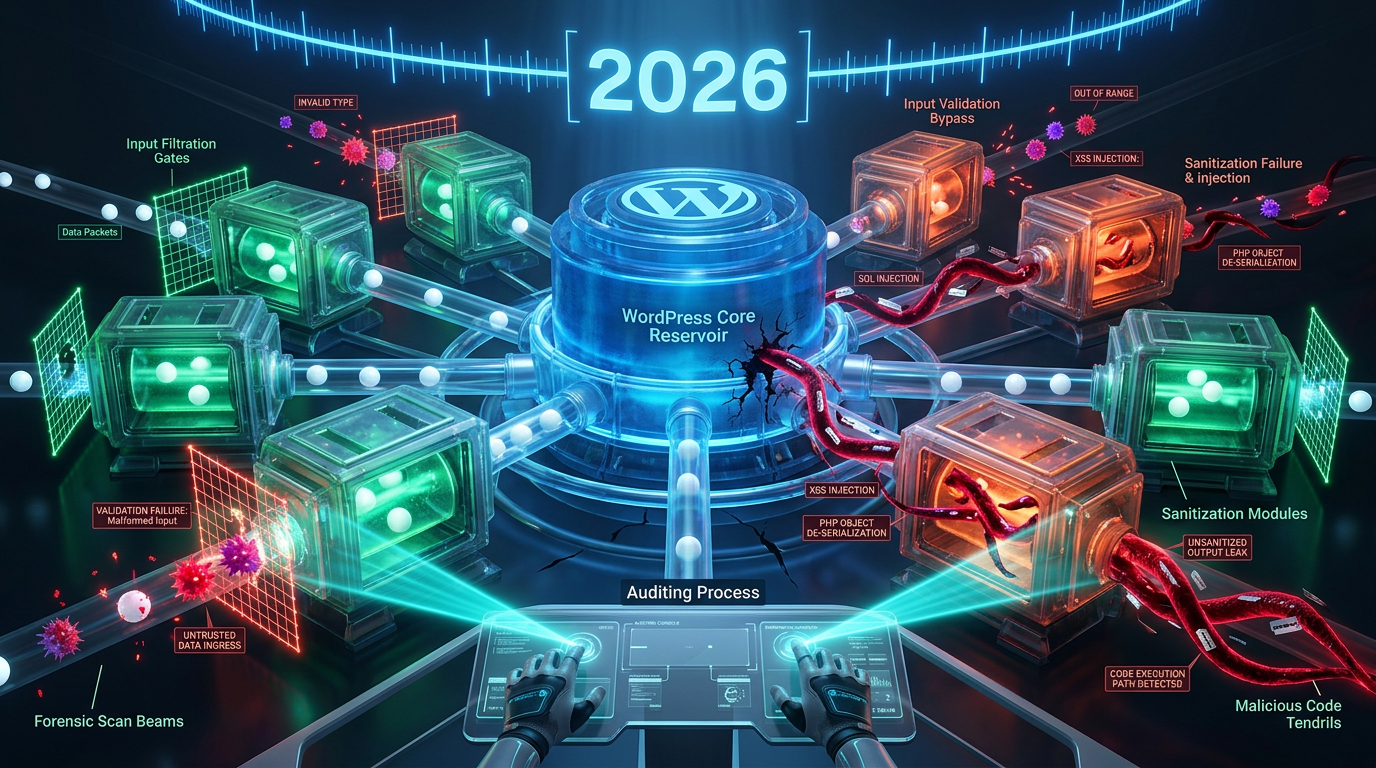
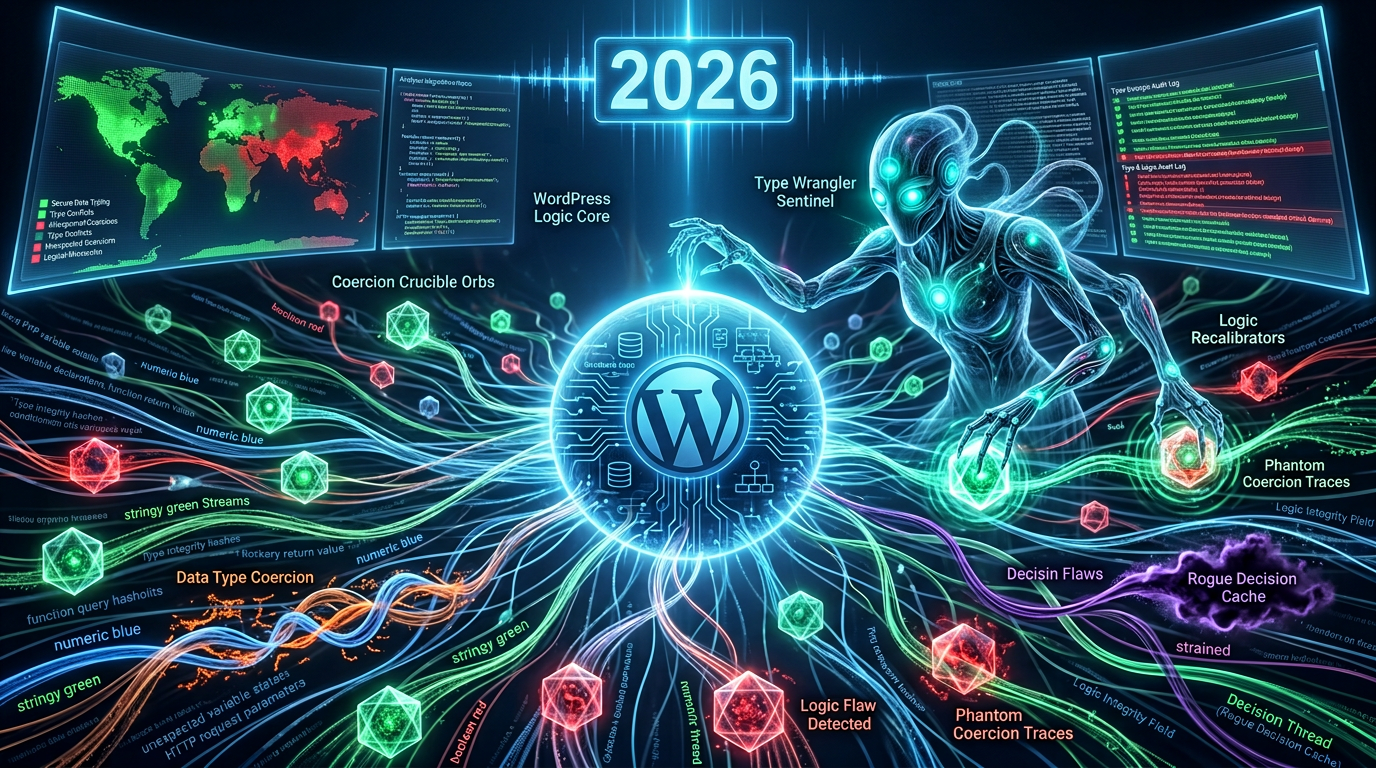
In the intricate ecosystem of a WordPress website, plugins often act like silent bioreactors, introducing functionalities that are essential yet can dramatically impact performance and security. A critical aspect of this dynamic is how these plugins manage their WordPress JavaScript dependencies. As we navigate 2026, understanding the lifecycle, potential risks, and best practices surrounding these dependencies is more vital than ever for maintaining secure, stable, and high-performance WordPress sites. This article delves into the depths of JavaScript dependency management within the WordPress plugin landscape, exploring the challenges and solutions inherent in this complex process.
Understanding WordPress JavaScript Dependencies and Their Impact
WordPress JavaScript dependencies refer to external or internal JavaScript libraries and frameworks that a plugin relies upon to function correctly. These can range from popular libraries like jQuery or React to custom scripts unique to a specific plugin. The way these dependencies are enqueued, loaded, and managed directly influences a website's speed, user experience, and even its security posture, highlighting their role in the site's digital microbiome.
Modern web development heavily relies on JavaScript, and WordPress plugins are no exception. From interactive forms and dynamic content sliders to complex e-commerce functionalities, JavaScript powers much of the front-end user experience. However, this reliance introduces a layer of complexity for site administrators and developers alike.
The Double-Edged Sword of JavaScript Libraries
JavaScript libraries offer immense power and efficiency, allowing developers to build rich features without reinventing the wheel. They standardize common tasks and provide a robust framework for complex interactions. For WordPress plugin developers, leveraging existing libraries means faster development cycles and often, more reliable code.
However, this convenience comes with potential drawbacks. Each dependency adds to the overall file size that visitors must download, impacting page load times. Furthermore, different plugins may require different versions of the same library, leading to conflicts or unexpected behavior if not managed precisely. For example, two plugins trying to load different versions of jQuery could break critical site functionalities.
Performance Implications of Unmanaged Dependencies
Unoptimized loading of WordPress JavaScript dependencies is a leading cause of slow WordPress websites in 2026. Every additional script file increases the number of HTTP requests a browser has to make. If these scripts are not minified, combined, or loaded asynchronously, they can block the rendering of the page, leading to a poor user experience and lower search engine rankings.
The time it takes for a page to become interactive (Time to Interactive - TTI) is significantly affected by JavaScript execution. Large, unoptimized JavaScript bundles can delay TTI, frustrating users and potentially increasing bounce rates. This is especially critical for mobile users who might be on slower networks. Understanding these performance bottlenecks is crucial for optimizing WordPress performance with heterogeneous computing.
Potential Risks and Vulnerabilities Tied to WordPress JavaScript Dependencies
Beyond performance, the management of WordPress JavaScript dependencies carries significant security implications. Outdated or poorly secured dependencies can open doors for attackers, turning a seemingly innocuous plugin into a serious vulnerability vector for an entire website. As we progress through 2026, the threat landscape continues to evolve, making diligent dependency management a non-negotiable aspect of web security. This directly relates to the broader discussion on WordPress plugin browser security standards.
Outdated Code and Exploitable Vulnerabilities
One of the most common security risks associated with JavaScript dependencies is the use of outdated versions. Like any software, JavaScript libraries and frameworks are constantly being updated to patch security vulnerabilities and improve performance. If a plugin relies on an old version of a library that has known exploits, it effectively creates a backdoor into the WordPress site.
Attackers actively scan for websites using vulnerable library versions. Once identified, they can leverage known exploits to inject malicious code, deface websites, steal data, or even gain full control over the server. Regular scanning and updating of all dependencies, not just the plugin code itself, is crucial. This proactive approach helps mitigate transient data and cache poisoning risks.
Supply Chain Attacks and Malicious Injections
A more insidious threat regarding WordPress JavaScript dependencies is the risk of supply chain attacks. This occurs when an attacker compromises the distribution channel of a legitimate dependency or injects malicious code directly into a widely used library. If a plugin then uses this compromised dependency, the malicious code is automatically integrated into thousands or millions of websites.
While less common, these types of attacks can have widespread impact. Therefore, it's not enough for plugin developers to simply use popular libraries; they must also ensure they are sourcing these libraries from trusted repositories and regularly verifying their integrity, especially for dependencies that are pulled in dynamically rather than packaged directly. The principles of OWASP Top 10 remain highly relevant here, especially concerning vulnerable and outdated components.
Best Practices for Managing WordPress JavaScript Dependencies
Effective management of WordPress JavaScript dependencies is not just good practice; it's essential for the health and security of any WordPress website in 2026. Both plugin developers and site administrators have roles to play in ensuring these dependencies are handled optimally.
For Plugin Developers: Enqueueing and Versioning
Plugin developers should adhere strictly to WordPress's enqueueing system for scripts and styles. This system, primarily utilizing wp_enqueue_script() and wp_register_script(), is designed to prevent conflicts and ensure dependencies are loaded efficiently. Key practices include:
- Version Management: Always specify the exact version of the JavaScript library being loaded. This allows WordPress to check if another plugin has already enqueued the same library and, if so, use the existing one, preventing unnecessary duplications.
- Dependency Array: Clearly define all prerequisite scripts in the dependency array when enqueueing. This ensures scripts load in the correct order, avoiding "undefined function" errors and other runtime issues. More information on proper enqueuing can be found in the WordPress Developer Handbook.
- Conditional Loading: Load scripts only on the pages where they are absolutely needed. For instance, an admin-specific script should only be loaded in the WordPress admin area, not on the public-facing front end.
- Minification and Concatenation: For custom scripts, optimize them by minifying and concatenating files to reduce file size and HTTP requests. Many build tools can automate this process.
For Site Administrators: Auditing and Optimization
Site administrators play a crucial role in overseeing the dependencies introduced by plugins. Regular audits and optimization are key to maintaining a robust WordPress environment.
- Regular Plugin Updates: Always keep themes and plugins updated to their latest versions. Developers often include security patches and performance improvements for their WordPress JavaScript dependencies in these updates. This proactive approach is fundamental to digital resilience and disaster recovery.
- Dependency Scanners: Utilize tools and plugins dedicated to analyzing loaded scripts and identifying conflicts or redundancies. Some performance optimization plugins offer features to defer or asynchronously load JavaScript.
- Selective Disabling: If a plugin loads a script globally but it's only used on a few pages, consider using a plugin that allows conditional loading or disabling specific scripts on certain pages.
- Content Delivery Networks (CDNs): Where appropriate, leverage CDNs for commonly used JavaScript libraries (e.g., jQuery from Google's CDN). This can improve loading times by serving files from locations closer to the user and offloading server resources.
- Performance Monitoring: Regularly use tools like Google PageSpeed Insights, GTmetrix, or WebPageTest to monitor website performance and identify bottlenecks caused by heavy or unoptimized JavaScript.
The Future of WordPress JavaScript Dependencies in 2026 and Beyond
As the web continues to evolve, so too will the landscape of WordPress JavaScript dependencies. We're seeing a trend towards more modular JavaScript, greater emphasis on browser-native features, and increasingly powerful client-side rendering frameworks. These shifts will inevitably influence how plugins are built and how dependencies are managed.
The rise of block-based editing with Gutenberg has already pushed WordPress development further into the realm of modern JavaScript, particularly React. This means that an increasing number of plugins will be leveraging these frameworks, requiring different strategies for dependency optimization compared to traditional jQuery-based plugins. For a deeper dive into client-side technologies, see how WordPress plugins are orchestrating advanced browser APIs.
Web Standards and Browser Innovations
New web standards and continuous browser innovations will offer new ways to handle scripts more efficiently. Features like native lazy loading for images and iframes, and advancements in HTTP/3, will indirectly contribute to better overall performance, reducing the burden placed on JavaScript dependency management.
The push for Web Vitals as a critical ranking factor by search engines means that performance optimization, particularly around JavaScript execution and loading, will remain a top priority for developers and site owners. This sustained focus will drive further innovation in how WordPress JavaScript dependencies are managed and delivered. Google's Core Web Vitals continue to shape these priorities.
Enhanced Security Measures
Security is an ongoing concern, and we can expect to see enhanced measures implemented to mitigate risks associated with third-party dependencies. This might include more sophisticated vulnerability scanning integrated into development workflows, as well as greater transparency from plugin authors regarding their dependency trees.
Furthermore, the WordPress core itself may introduce more robust mechanisms for handling plugin dependencies, providing developers with better tools and enforcing stricter standards for how scripts are enqueued and managed, thereby elevating the overall security posture of the platform.
Conclusion: Mastering WordPress JavaScript Dependencies for a Robust Website
In conclusion, the effective management of WordPress JavaScript dependencies is a cornerstone of building and maintaining high-performing, secure, and stable WordPress websites in 2026. From combating performance bottlenecks to safeguarding against critical security vulnerabilities, understanding and actively managing these dependencies is a shared responsibility between plugin developers and site administrators.
By adhering to best practices, staying informed about the latest trends and threats, and continuously optimizing our websites, we can ensure that the "silent bioreactors"—our beloved WordPress plugins—metabolize and excrete their JavaScript dependencies in a way that benefits, rather than compromises, the entire WordPress ecosystem. The journey to a perfectly optimized WordPress site is continuous, and meticulous dependency management is a crucial step on that path.
Frequently Asked Questions

Written by Aras Akıncılar
Uzun yıllara dayanan WordPress deneyimine sahip bir siber güvenlik uzmanı olarak, eklenti ekosisteminin derinlemesine analizine odaklanıyorum. Güvenlik açıkları, performans düşüşleri ve uyumluluk sorunları üzerine hazırladığım makalelerle, WordPress kullanıcılarının sitelerini daha güvenli ve verimli hale getirmelerine yardımcı olmayı hedefliyorum.