The Silent Augmenters: How WordPress Micro-Virtualization Plugins Are Leveraging Micro-Virtualization & Sandboxing for Enhanced Security in 2026
In the evolving landscape of web security, protecting WordPress websites remains a paramount concern for developers and site owners alike. Traditional security measures, while essential, often fall short against sophisticated and adaptive threats. This is where WordPress micro-virtualization plugins are emerging as a game-changer in 2026, offering advanced sandboxing and isolation techniques to fortify websites against a myriad of vulnerabilities. These innovative plugins are designed to encapsulate critical processes, code, and even entire plugin functionalities into isolated environments, significantly reducing the attack surface and mitigating risks associated with outdated code, insecure configurations, and malicious third-party dependencies.
Understanding Micro-Virtualization and Sandboxing in WordPress
Micro-virtualization, often a core component of advanced security strategies, involves creating miniature, isolated virtual environments for specific processes or applications. In the context of WordPress, this means that individual plugins, themes, or even specific code snippets can operate within their own secure sandbox.
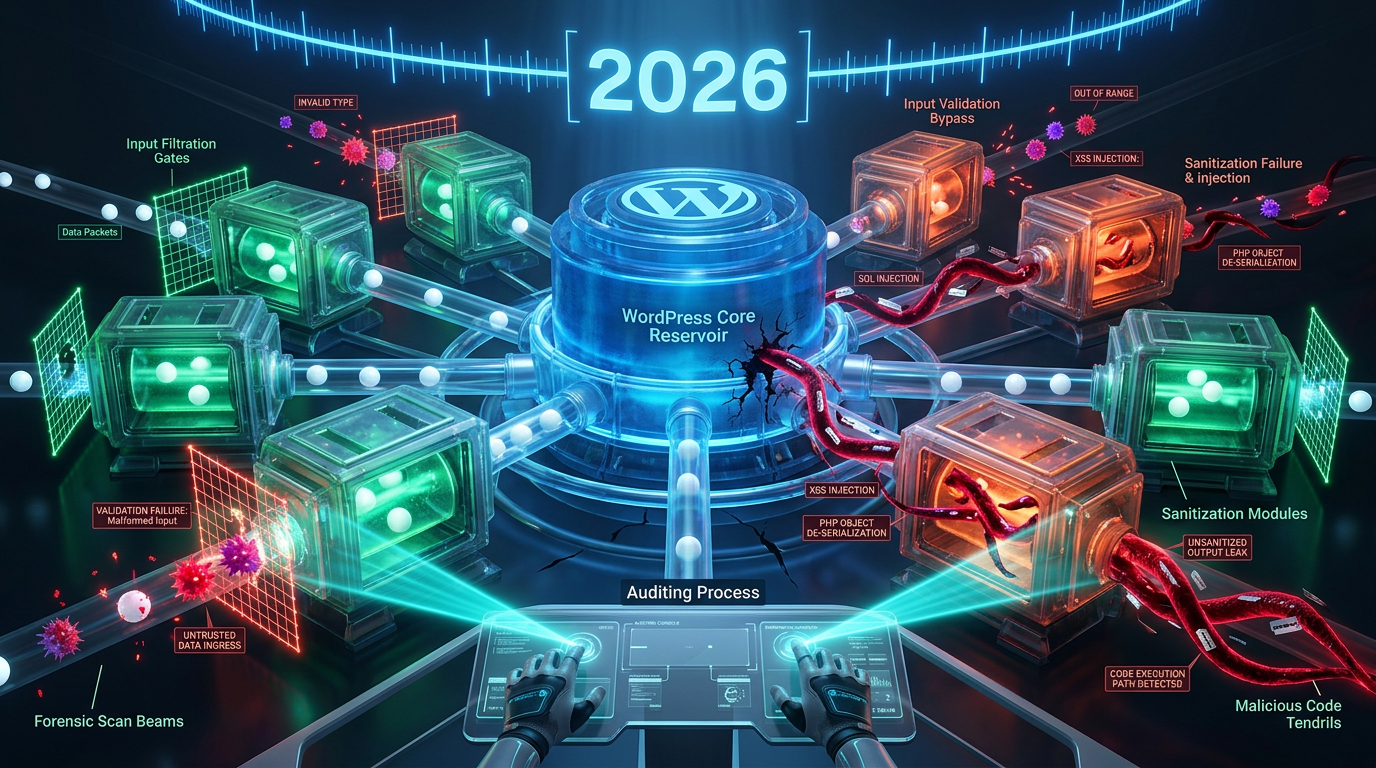
Sandboxing, a related concept, refers to running a program in a restricted environment, preventing it from interacting directly with the host system or other applications. This dramatically limits the potential damage a compromised plugin could inflict on your entire WordPress installation. For example, if a malicious plugin attempts to access sensitive files outside its designated directory, the sandbox will prevent it, effectively containing the threat.
The Core Principles of Isolation
- Process Isolation: Each sandboxed component runs as its own separate process, preventing cross-contamination.
- Resource Restrictions: Memory, CPU, and network access can be finely controlled for each isolated environment.
- File System Segregation: Plugins in a sandbox have limited access to the main file system, reducing the risk of unauthorized modifications.
- Behavioral Monitoring: Some advanced WordPress micro-virtualization plugins can monitor the behavior of sandboxed components, flagging suspicious activities.
Why WordPress Micro-Virtualization Plugins are Critical in 2026
WordPress's immense popularity also makes it a prime target for malicious actors. With millions of websites relying on a diverse ecosystem of themes and plugins, security vulnerabilities are an ongoing challenge. In 2026, the complexity of these threats continues to escalate, making proactive, rather than reactive, security solutions indispensable. WordPress micro-virtualization plugins directly address several persistent issues:
Combating Plugin Vulnerabilities
Plugins are a double-edged sword. They extend functionality but can introduce significant security risks. An outdated or poorly coded plugin can open backdoors for attackers. Micro-virtualization insulates your core site, making it significantly harder for compromised plugins to exploit system-wide vulnerabilities or gain access to sensitive data.
Mitigating Supply Chain Attacks
Third-party dependencies in plugins are a growing concern. A seemingly benign plugin can unknowingly incorporate compromised code from external libraries. Sandboxing ensures that even if such a dependency is exploited, its impact is confined, preventing it from spreading to other parts of your website or server. This is a crucial defense against the increasingly common supply chain attacks we've observed in 2026.
Enhancing Performance and Stability
Beyond security, WordPress micro-virtualization plugins can indirectly contribute to better performance and stability. By isolating resources, they can prevent a runaway script in one plugin from consuming all server resources and crashing the entire site. This granular control over resource allocation is a significant advantage for maintaining high-performance WordPress websites.
Key Features to Look for in WordPress Micro-Virtualization Plugins
When considering implementing a micro-virtualization solution for your WordPress site, it's essential to evaluate the features offered by various plugins. Not all solutions are created equal, and the right choice will depend on your specific security needs and technical capabilities.
Essential Functionalities
- Granular Isolation Controls: The ability to define exactly what resources a sandboxed plugin can access.
- Automated Sandboxing: Seamless integration that automatically isolates new or updated plugins.
- Real-time Threat Detection: Monitoring for suspicious activities within sandboxed environments.
- Detailed Logging and Reporting: Comprehensive records of sandboxed activity for auditing and incident response.
- Performance Overhead Management: Efficient design to minimize the impact on site speed.
- User-Friendly Interface: An intuitive dashboard for managing isolated plugins and settings.
Advanced Capabilities to Consider
- Dynamic Sandboxing: Adapting isolation levels based on plugin behavior or known threat intelligence.
- Integrity Monitoring: Ensuring that sandboxed code hasn't been tampered with.
- Compatibility Management: Features that help identify and resolve conflicts between sandboxed plugins and the core WordPress environment.
As of 2026, the market is seeing a rise in more sophisticated options, moving beyond basic isolation to predictive threat analysis within these virtualized environments.
Implementing Micro-Virtualization: Best Practices and Challenges
While the benefits of WordPress micro-virtualization plugins are clear, successful implementation requires careful planning and an understanding of potential challenges. It's not a set-and-forget solution; ongoing management is key.
Strategic Implementation Steps
- Prioritize Critical Plugins: Start by identifying the most vulnerable or critical plugins on your site and prioritize their sandboxing.
- Thorough Testing: Always test micro-virtualization solutions in a staging environment before deploying to live sites to ensure compatibility and prevent disruptions.
- Regular Updates: Keep both your micro-virtualization plugin and all other plugins/themes updated to benefit from the latest security patches.
- Continuous Monitoring: Regularly check logs and reports provided by your micro-virtualization solution for any alerts or unusual activity.
Potential Challenges and How to Address Them
One common challenge can be compatibility issues, especially with older or non-standard plugins that might not react well to isolation. Incremental implementation and thorough testing can help identify these issues early. Another consideration is potential performance overhead; while modern WordPress micro-virtualization plugins are optimized, some configurations might introduce slight latency. Optimizing server resources and choosing lightweight solutions can mitigate this.
Finally, the learning curve can be steep for site owners unfamiliar with advanced security concepts. Opting for plugins with excellent documentation and reliable support is advisable. The landscape of WordPress micro-virtualization plugins is constantly evolving, with new features and optimizations being released frequently in 2026, as evidenced by security research.
The Future of WordPress Security with Micro-Virtualization
Looking ahead, micro-virtualization and sandboxing are poised to become standard components of enterprise-level WordPress security. The trend is moving towards more intelligent, AI-powered sandboxing that can dynamically adapt to emerging threats and even predict potential vulnerabilities before they are exploited. We anticipate even tighter integration with cloud-based security services, offering a holistic defense strategy.
The role of WordPress micro-virtualization plugins will expand beyond just isolating specific plugins to potentially sandboxing entire user sessions or complex multi-step processes, further hardening the WordPress ecosystem against even the most sophisticated attacks. This ongoing innovation ensures that WordPress remains a secure and robust platform for millions of websites worldwide well into the future, as vital as its continuous growth in the global web market share studies.
Frequently Asked Questions

Written by Aras Akıncılar
Uzun yıllara dayanan WordPress deneyimine sahip bir siber güvenlik uzmanı olarak, eklenti ekosisteminin derinlemesine analizine odaklanıyorum. Güvenlik açıkları, performans düşüşleri ve uyumluluk sorunları üzerine hazırladığım makalelerle, WordPress kullanıcılarının sitelerini daha güvenli ve verimli hale getirmelerine yardımcı olmayı hedefliyorum.