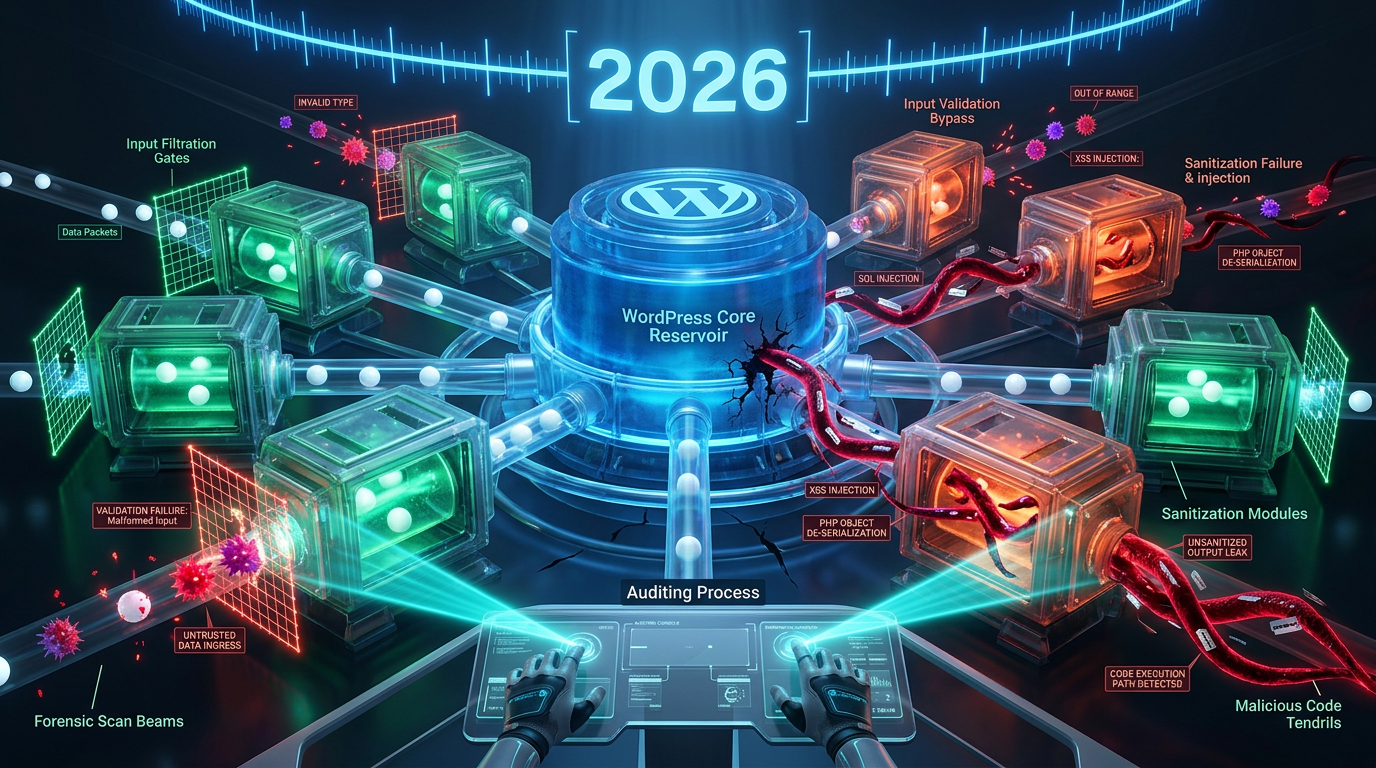
WordPress Microfrontend Architecture Plugins: Remolding Web in 2026
In the rapidly evolving landscape of web development, building scalable, maintainable, and resilient applications is paramount. This objective has brought the concept of microfrontend architecture to the forefront, enabling teams to develop and deploy frontend components independently. Increasingly, developers are turning to WordPress microfrontend architecture plugins to seamlessly integrate this powerful paradigm into their WordPress ecosystems. These plugins are acting as silent alchemists, transforming monolithic WordPress installations into distributed, service-oriented interfaces, a trend that is only accelerating in 2026.
Understanding Microfrontend Architecture and Its WordPress Synergy
Microfrontends extend the principles of microservices to the frontend, breaking down large, monolithic UIs into smaller, independent, and loosely coupled components. Each component can be developed, tested, and deployed by a separate team, using different technologies if desired. This modularity dramatically improves development speed, team autonomy, and the overall maintainability of complex web applications. The synergy with WordPress, a platform often perceived as monolithic, might seem counterintuitive at first, but it presents a powerful solution for enterprises leveraging WordPress for diverse digital experiences.
WordPress, by its very nature, is highly extendable through plugins. This extensibility makes it an ideal candidate for adopting microfrontend patterns. Instead of viewing the entire WordPress site as a single frontend application, we can begin to see different sections or functionalities as individual microfrontends. Imagine an e-commerce store built on WordPress: the product catalog, shopping cart, user profile, and checkout process could all be distinct microfrontends, orchestrated by a central WordPress shell. For a broader perspective on how plugins can redefine your site's structure, consider exploring The Silent Weavers: How WordPress Plugins Redefine Your Site's Digital Fabric in 2026.
The Core Principles of Microfrontends
- Technology Agnostic: Different microfrontends can be built with different frameworks (React, Angular, Vue.js), allowing teams to choose the best tool for the job.
- Independent Deployment: Each microfrontend can be deployed independently, reducing deployment risks and increasing agility.
- Isolated Codebases: Separate codebases for each microfrontend prevent ripple effects and simplify maintenance.
- Decentralized Governance: Teams can own their microfrontends end-to-end, fostering autonomy and accountability.
The Rise of WordPress Microfrontend Architecture Plugins in 2026
As the benefits of microfrontends become more apparent, the demand for practical implementation solutions has grown exponentially. For WordPress users, this means a significant uptick in the availability and sophistication of WordPress microfrontend architecture plugins. These plugins address specific challenges inherent in integrating microfrontends with a robust CMS like WordPress, offering functionalities such as:
- Routing and Orchestration: Plugins that help manage how different microfrontends are loaded and displayed based on URL paths or user interactions. This directly influences how WordPress Plugins Redefine Your URL Structures in 2026.
- State Management: Solutions for sharing data and state between disparate microfrontends hosted within a WordPress environment.
- Asset Loading and Bundling: Tools to efficiently load JavaScript, CSS, and other assets for each microfrontend without conflicts.
- Authentication and Authorization: Plugins to manage user sessions and permissions across multiple microfrontends integrated into WordPress. For an in-depth look at managing privileges, see Demystifying WordPress Plugin Privilege Escalation: A Deep Dive into Role Management & Security in 2026.
The innovation witnessed in this space in 2026 is truly impressive. Developers are no longer confined to custom-building integration layers; powerful plugins are offering off-the-shelf solutions, democratizing access to this advanced architectural pattern for the WordPress community.
Key Features to Look for in Microfrontend Plugins
When evaluating WordPress microfrontend architecture plugins, several features stand out as crucial for successful implementation:
- Decoupling Capabilities: The plugin should enable true independence between different frontend components, minimizing tight coupling.
- Performance Optimization: It should handle asset loading efficiently to prevent performance bottlenecks. This links closely with optimizing Server-Side Rendering & Core Web Vitals in 2026.
- Security Measures: Robust security features are critical, especially when integrating third-party code.
- Developer Experience: Ease of use and clear documentation are essential for widespread adoption.
Evaluating Risk: Security & Performance with WordPress Microfrontend Architecture Plugins
While WordPress microfrontend architecture plugins offer immense advantages, their implementation is not without potential pitfalls. A thorough understanding and proactive mitigation of these risks are crucial for maintaining secure, stable, and high-performance WordPress websites. Our project rigorously evaluates these aspects, focusing on:
Threat 1: Security Vulnerabilities
Integrating multiple frontend applications, potentially from different teams or even third-party vendors, introduces new attack vectors. Plugins that facilitate this integration must be meticulously vetted. Common security issues we’ve identified in our 2026 reviews include:
- Outdated Code: Plugins not regularly updated can contain known vulnerabilities, leading to exploits. It's imperative that microfrontend orchestration plugins maintain a rigorous update schedule.
- Insecure Configurations: Default settings in some plugins might expose sensitive information or allow unauthorized access if not properly configured by the user.
- Excessive Permissions: Certain plugins might request overly broad permissions, which, if compromised, could grant attackers extensive control over the WordPress system or other microfrontends.
- Third-Party Dependencies: Many microfrontend plugins rely on external libraries or frameworks. Vulnerabilities in these dependencies can be inherited, making regular audits of the plugin's dependency tree critical. For more on this, see The Silent Orchestrators: How WordPress Plugins Dictate Third-Party Dependency Loading & Supply Chain Integrity in 2026.
- Cross-Site Scripting (XSS) Potential: Improper sanitization of data flowing between microfrontends or through the orchestrating plugin can lead to XSS attacks, injecting malicious scripts into users' browsers.
Our analysis emphasizes plugins that offer robust input validation, output encoding, and secure data transmission methods to minimize these risks.
Threat 2: Performance Issues
The very nature of microfrontends – loading multiple independent applications – can lead to performance degradation if not managed correctly. Suboptimal WordPress microfrontend architecture plugins can exacerbate these issues:
- Increased Network Requests: Each microfrontend might load its own set of assets, leading to numerous HTTP requests and increased page load times.
- Bundle Size Bloat: Without proper deduplication and optimization, there's a risk of loading redundant JavaScript or CSS across different microfrontends.
- Runtime Performance Overhead: The orchestration layer itself, if poorly implemented, can add significant overhead to the client-side rendering process.
- Server-Side Load: Depending on how the microfrontends are integrated, there might be increased server-side processing for routing or data aggregation.
We look for plugins that implement intelligent asset bundling, lazy loading mechanisms, and efficient server-side processing to ensure a smooth user experience.
Best Practices for Implementing WordPress Microfrontend Architecture Plugins
To harness the full potential of microfrontends within WordPress while mitigating risks, adopting best practices is essential. Here are some key recommendations for developers and site administrators in 2026:
- Thorough Plugin Vetting: Before deployment, rigorously evaluate any WordPress microfrontend architecture plugins. Check for recent updates, developer reputation, support channels, and community reviews. Consider vulnerability reports and security audit results if available.
- Principle of Least Privilege: Ensure that microfrontends and their integrating plugins only have the minimum necessary permissions to perform their functions.
- Regular Updates: Keep all WordPress core, themes, and especially microfrontend plugins, updated to their latest versions to patch security vulnerabilities and ensure compatibility.
- Performance Monitoring: Implement continuous performance monitoring tools to identify and address bottlenecks introduced by microfrontend integration. Monitor metrics like page load times, First Contentful Paint (FCP), and Largest Contentful Paint (LCP). Tools like Google's Core Web Vitals report are invaluable for this.
- Automated Security Scans: Utilize security scanning tools to regularly check your WordPress installation and integrated microfrontends for known vulnerabilities.
- Centralized Logging and Error Reporting: Establish a unified system for logging errors and monitoring the health of all integrated microfrontends, allowing for quick identification and resolution of issues. Exploring solutions like Sentry can be beneficial.
- Clear API Contracts: When microfrontends communicate, define clear and stable API contracts to prevent breaking changes and ensure smooth data exchange. Adhering to standards like OpenAPI Specification can greatly improve this process.
The Future Landscape: Enhanced Modularity through WordPress Microfrontend Architecture Plugins
Looking ahead, the role of WordPress microfrontend architecture plugins is set to become even more pivotal. As web applications grow in complexity and user expectations for dynamic, responsive experiences increase, the modularity offered by microfrontends will become a standard, not an exception. We anticipate the emergence of even more sophisticated plugins that abstract away much of the complexity of microfrontend orchestration, making this architectural paradigm accessible to an even wider audience of WordPress developers. The evolution will likely include:
- AI-Powered Orchestration: Plugins might leverage AI to dynamically optimize asset loading, resource allocation, and even predict user behavior to pre-load microfrontends.
- Seamless Developer Tooling: Enhanced integration with popular development tools, offering a more streamlined workflow for building, testing, and deploying microfrontends within WordPress.
- Standardized Communication Protocols: Industry standards for microfrontend communication within a WordPress context will likely emerge, promoting greater interoperability.
WordPress, through these innovative plugins, is proving its adaptability and relevance in modern web development, solidifying its position as a powerful platform capable of hosting cutting-edge architectural patterns. The silent alchemists – the WordPress microfrontend architecture plugins – are indeed remolding the future of scalable web interfaces.
Frequently Asked Questions

Written by Aras Akıncılar
Uzun yıllara dayanan WordPress deneyimine sahip bir siber güvenlik uzmanı olarak, eklenti ekosisteminin derinlemesine analizine odaklanıyorum. Güvenlik açıkları, performans düşüşleri ve uyumluluk sorunları üzerine hazırladığım makalelerle, WordPress kullanıcılarının sitelerini daha güvenli ve verimli hale getirmelerine yardımcı olmayı hedefliyorum.