The Silent Conductors: How WordPress Plugin API Integrations Dictate External Data Flow in 2026
In the dynamic digital landscape of 2026, the connectivity of web applications is paramount. At the heart of this interconnectedness for millions of websites lies the robust ecosystem of WordPress. Specifically, WordPress Plugin API Integrations have emerged as the silent conductors, orchestrating the seamless flow of data between your WordPress site and a myriad of external services. These integrations are not just about adding features; they are about extending functionality, automating processes, and ultimately, empowering your website to work smarter, not harder.
Understanding the Power of WordPress Plugin API Integrations
Application Programming Interfaces (APIs) are the crucial intermediaries that allow different software applications to communicate with each other. For WordPress websites, plugins bridge this gap, enabling your site to send data to, or retrieve data from, external platforms like CRM systems, payment gateways, social media networks, and marketing automation tools. Without robust plugin-driven API integrations, your WordPress site would operate in a silo, severely limiting its potential.
The sheer number and diversity of available plugins mean that almost any external service you can imagine can be integrated. This connectivity is what transforms a basic WordPress installation into a powerful, integrated digital hub. However, this power also comes with responsibilities, especially concerning security and performance, a topic thoroughly explored in articles such as The Silent Conductors: How WordPress Plugins Dictate Third-Party Dependency Loading & Supply Chain Integrity in 2026.
What are APIs and How Do They Work with WordPress?
- APIs Defined: An API is a set of rules and protocols for building and interacting with software applications. It specifies how software components should interact.
- Plugin as the Connector: A WordPress plugin acts as the bridge, housing the code necessary to communicate with a specific external API.
- Data Exchange: When an event occurs on your WordPress site (e.g., a new user registration), the plugin uses the API to send this data to an external service. Conversely, it can fetch data (e.g., product prices from an inventory system).
The Evolution of API Standards
Over the past few years, API standards have become more sophisticated. While RESTful APIs remain widely popular for their simplicity, GraphQL is gaining significant traction for its efficiency, allowing clients to request exactly the data they need. Many modern WordPress Plugin API Integrations are now supporting multiple API architectures to maximize compatibility and performance, reflecting the changing landscape of web development in 2026. For a deeper understanding of how plugins remodel data, see The Silent Alchemists: How WordPress Plugins Remodel Data Formats & The Security Implications in 2026.
Navigating the Risks: Security and Performance Concerns with WordPress Plugin API Integrations
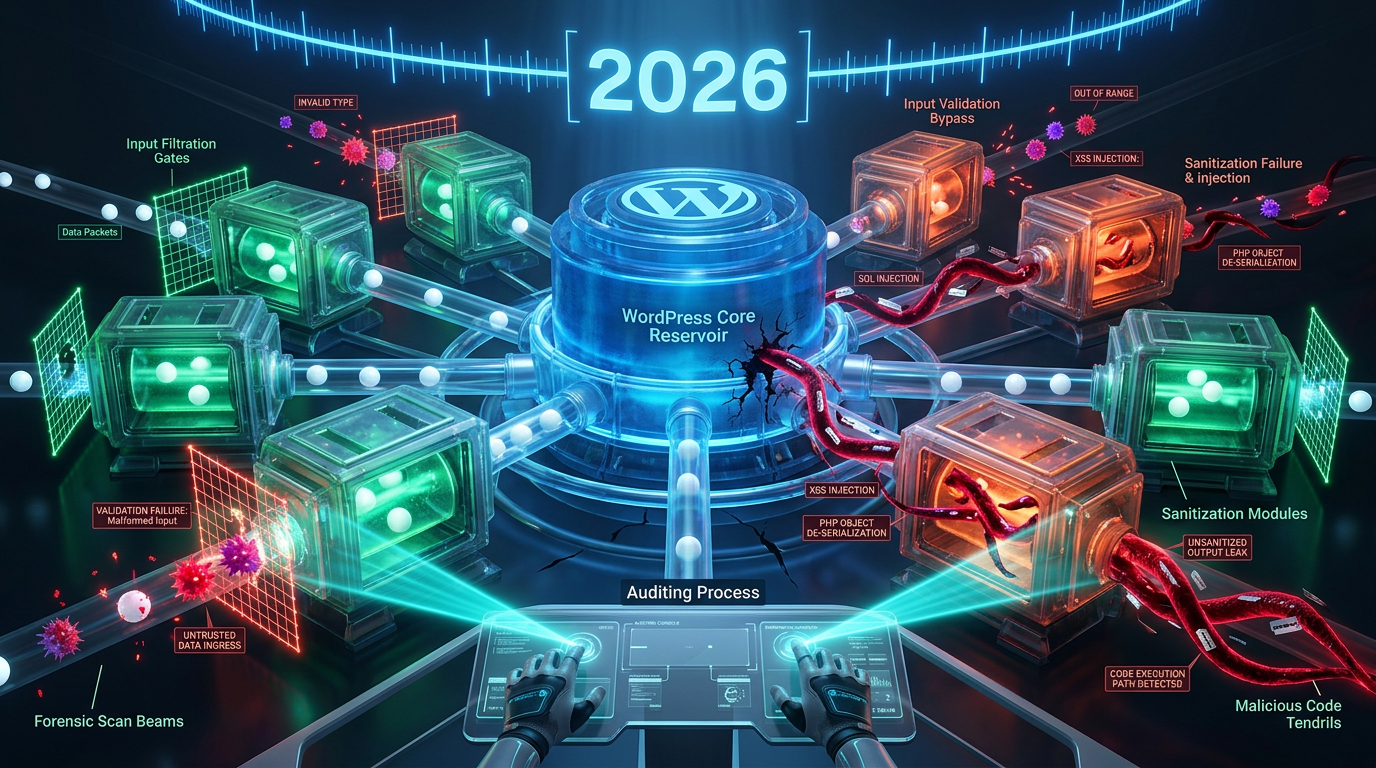
While the benefits of extensive API integrations are undeniable, they also introduce potential vulnerabilities and performance bottlenecks. Every new plugin added, especially those with external dependencies, expands the attack surface of your WordPress site. It's not just about the plugin's code itself, but also how it interacts with external services and handles sensitive data during transit.
In 2026, cybersecurity threats are more sophisticated than ever. Outdated plugins, insecure configurations, and excessive permissions are common culprits that attackers exploit. Neglecting these aspects can lead to data breaches, website downtime, and reputational damage. Therefore, a proactive approach to managing plugin security is paramount for all WordPress administrators, echoing the concerns raised in The Silent Alchemists: How WordPress Plugins Remodel User Data and Privacy in 2026.
Common Plugin-Related Threats
- Outdated Code: Plugins that aren't regularly updated often contain known vulnerabilities that attackers can exploit.
- Insecure Configurations: Defaults that are not hardened or misconfigurations can expose sensitive API keys or data endpoints.
- Excessive Permissions: Plugins requesting more access than strictly necessary can become a vector for wider system compromise if breached.
- Third-Party Dependencies: Many plugins rely on external libraries or services. If these dependencies are compromised, your site can be affected.
Performance Impact of Integrations
Each API call, especially those involving large data transfers, adds overhead to your server. Poorly optimized WordPress Plugin API Integrations can lead to slower page load times, increased server resource consumption, and a degraded user experience. Efficient API communication, including caching strategies and asynchronous requests, is crucial for maintaining a fast and responsive website. For further reading on managing these integrations, consider research from reputable sources like OWASP API Security Top 10, which provides critical insights into API vulnerabilities.
Best Practices for Managing Your WordPress Plugin API Integrations
To harness the power of WordPress Plugin API Integrations without succumbing to their risks, adopting best practices is non-negotiable. This involves a continuous cycle of evaluation, maintenance, and monitoring. Prioritizing security from the initial selection of a plugin through its lifecycle is key to a stable and high-performing WordPress environment.
Always opt for plugins from reputable developers with a strong track record of security and regular updates. Before installing, scrutinize reviews, check the update history, and understand what permissions the plugin requires. Post-installation, maintain a vigilant eye on its performance and security implications, particularly regarding potential quantum vulnerabilities in WordPress plugins, which are a growing concern in 2026.
Plugin Selection and Vetting
- Reputable Sources: Download plugins only from the official WordPress plugin repository or trusted developers.
- Active Development: Choose plugins that receive frequent updates and have an active support community.
- Security Audits: Look for plugins that have undergone independent security audits if dealing with highly sensitive data. For insights into auditing practices, refer to best practices from organizations like NIST Cybersecurity Framework.
Configuration and Security Hardening
Once a plugin is installed for its API integration capabilities, secure configuration is critical. Always change default API keys and regularly rotate them. Implement strict access controls and ensure that API endpoints are configured with the principle of least privilege – only grant the necessary permissions for the specified task. Regular monitoring of API logs can also flag unusual activity or potential breaches.
Regular Maintenance and Monitoring
Automate plugin updates wherever possible, but always test updates in a staging environment first. Implement regular security scans and performance monitoring tools to detect issues early. A comprehensive backup strategy is also essential, ensuring you can quickly recover from any unforeseen issues caused by an integration.
The Future of WordPress API Integrations in 2026
As we move further into 2026, the landscape of WordPress Plugin API Integrations is set for continued innovation and evolution. The trend towards headless WordPress architectures will likely accelerate, emphasizing APIs even further as the primary communication layer between the WordPress backend and various front-end applications. This shift will demand even more robust, secure, and performant API integrations.
Another area of significant growth will be AI-powered integrations. Expect to see plugins that seamlessly integrate with advanced AI services for content generation, personalized user experiences, and sophisticated data analytics. These integrations will leverage AI APIs to bring transformative capabilities directly to WordPress websites, pushing the boundaries of what's possible, and also introducing new considerations regarding digital ethics and algorithmic bias in WordPress plugins.
Headless WordPress and API-First Approaches
- Decoupling Front and Back-end: Headless WordPress utilizes APIs to serve content to any front-end application, offering greater flexibility and performance.
- Increased API Dependency: This architecture inherently relies more heavily on efficient and secure API communication.
AI and Machine Learning Integrations
The integration of artificial intelligence and machine learning through APIs will become more pervasive. Plugins will leverage external AI services for tasks ranging from automated content tagging and sentiment analysis to highly personalized e-commerce recommendations and customer support chatbots. These integrations promise to significantly enhance user engagement and operational efficiency across various WordPress applications, as further discussed by leading tech analyses like those from Gartner's strategic technology trends for 2026.
Enhanced Security Measures and Standards
Given the increasing complexity of integrations, we can anticipate more stringent security standards and features built directly into WordPress Plugin API Integrations. This includes advancements in OAuth 2.0 implementation, stricter API key management systems, and potentially native support for Webhooks and event-driven architectures to reduce polling and improve real-time data flows. The focus will be on building inherently secure and resilient integration pathways, reflecting the evolving landscape of WordPress plugins, third-party integrations, and their security in 2026.
Frequently Asked Questions

Written by Aras Akıncılar
Uzun yıllara dayanan WordPress deneyimine sahip bir siber güvenlik uzmanı olarak, eklenti ekosisteminin derinlemesine analizine odaklanıyorum. Güvenlik açıkları, performans düşüşleri ve uyumluluk sorunları üzerine hazırladığım makalelerle, WordPress kullanıcılarının sitelerini daha güvenli ve verimli hale getirmelerine yardımcı olmayı hedefliyorum.