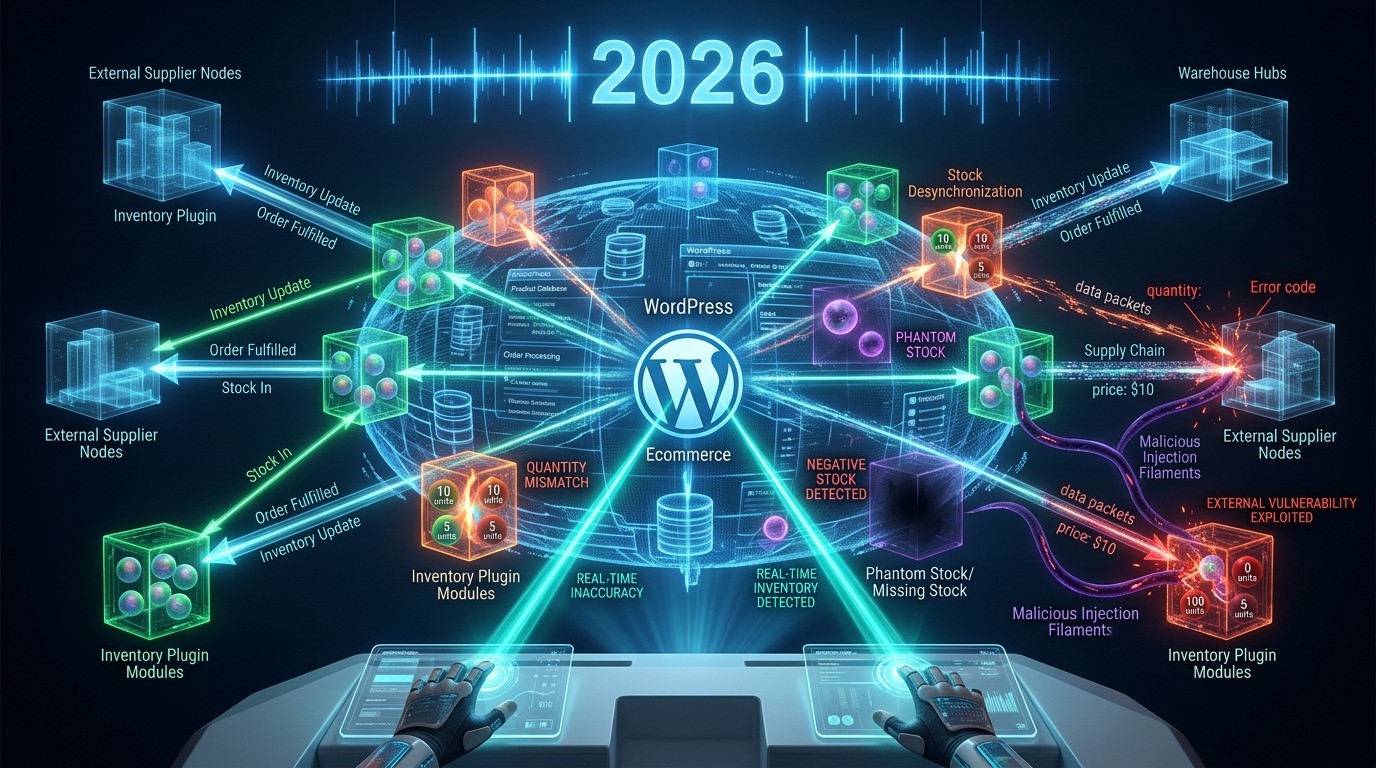
The Forgotten Front Line: Securing Your WordPress Site at the WordPress Plugin API Security Level in 2026
In the dynamic digital landscape of 2026, where cyber threats are more sophisticated than ever, understanding and implementing robust WordPress plugin API security is no longer optional – it's a critical necessity for every website owner. While much attention is often paid to core WordPress security or hosting, the underlying APIs that power your site's plugins represent a significant, yet frequently overlooked, attack surface. This article delves deep into the often-forgotten front line of WordPress security, providing insights and best practices to safeguard your site against plugin-related vulnerabilities.
For a broader understanding of plugin security, consider reading our comprehensive guide on WordPress Plugin Security: Fundamental Risks and Precautions.
Understanding the WordPress Plugin API Security Landscape in 2026
The WordPress plugin ecosystem, a vibrant collection of over 60,000 plugins, is both a blessing and a curse. These extensions empower users with incredible functionality but also introduce potential entry points for attackers. In 2026, threat actors are increasingly targeting these avenues, exploiting weaknesses in how plugins interact with WordPress and with each other via their APIs. Ignoring WordPress plugin API security can lead to data breaches, site defacement, and a tarnished online reputation.
Modern web applications rely heavily on APIs for seamless communication and functionality. WordPress plugins are no exception, often interacting with core WordPress functions, external services, and even other plugins through well-defined (or sometimes less defined) API endpoints. Each interaction represents an opportunity for exploitation if not properly secured.
Common API Vulnerabilities in WordPress Plugins
- Insecure Direct Object References (IDOR): Attackers can manipulate parameters in API calls to access resources they shouldn't have permission to view or modify.
- Broken Authentication and Authorization: Flaws in how an API validates user identities and their permissions can allow unauthorized access.
- Sensitive Data Exposure: APIs that inadvertently expose sensitive user or system data due to poor error handling or insufficient data sanitization. Learn more about these risks in The Silent Spies: Unmasking Covert Data Collection & Privacy Risks in WordPress Plugins (2026).
- Lack of Rate Limiting: APIs without rate limiting can be vulnerable to brute-force attacks or denial-of-service (DoS) attempts.
- Injection Flaws: SQL injection, XSS, and other injection vulnerabilities can occur when API inputs are not properly sanitized and validated.
Evaluating Plugin Security: A Proactive Approach to WordPress Plugin API Security
Before installing any new plugin, or even when reviewing existing ones, a proactive approach to evaluating its security posture is paramount. This goes beyond simply checking reviews; it requires a deeper understanding of how the plugin interacts with your site at the API level. Ensuring strong WordPress plugin API security starts with informed choices and continuous vigilance.
When selecting plugins, consider the developer's reputation. Do they have a history of addressing security issues promptly? Are their plugins regularly updated? These are crucial indicators of a commitment to security, including the security of their API implementations.
Key Considerations for Plugin Evaluation
- Developer Reputation and Update Frequency: Prioritize plugins from established developers with a transparent update history and a strong focus on security patches.
- Code Audits and Security Reviews: Check if the plugin has undergone independent security audits. While not always available for free plugins, it's a strong positive indicator.
- Permissions and Capabilities: Understand what permissions the plugin requests. Does it truly need access to critical WordPress functions, or are its requests excessive? Excessive permissions amplify the risk if the plugin's API is compromised. For detailed insights, see The Overlooked Gatekeepers: Unmasking Excessive Permissions in WordPress Plugins (2026).
- Input Validation and Sanitization: While not always visible without code review, assume that any well-developed plugin implements robust input validation and output sanitization for all API interactions.
- Third-Party Dependencies: Many plugins rely on external libraries or APIs. Research the security of these dependencies as well, as they can introduce additional vulnerabilities. Explore The Silent Upgrade: Uncovering Hidden Dependencies and Their Impact on WordPress in 2026 for more on this topic.
Implementing Best Practices for Robust WordPress Plugin API Security
Beyond choosing secure plugins, actively implementing security best practices can significantly reduce your exposure to API-related threats. These practices should be part of a comprehensive security strategy for your WordPress site, with a particular focus on endpoints and communication channels. Protecting your WordPress plugin API security involves multiple layers of defense.
Many of these practices involve server-level configurations and diligent maintenance, ensuring that even if a plugin has a minor API flaw, your environment is hardened to prevent exploitation.
Technical Measures and Server Hardening
- Web Application Firewall (WAF): Implement a robust WAF to filter malicious traffic attempting to exploit API vulnerabilities. A good WAF can detect and block common attack patterns targeting API endpoints. Consider exploring reputable WAF solutions like Cloudflare WAF or Sucuri WAF.
- Rate Limiting: Configure server-level or WAF-level rate limiting for critical API endpoints to prevent brute-force attacks and resource exhaustion.
- Strong Authentication and Authorization: Ensure that all API calls require proper authentication and that authorization checks are in place to confirm the user or system's permissions. Use secure tokens and API keys where appropriate.
- Input Validation and Output Encoding: Rigorously validate and sanitize all input accepted by your plugin APIs. Encode output to prevent cross-site scripting (XSS) attacks.
- Principle of Least Privilege: Configure your server environment and user accounts (including those used by plugins) with the minimum necessary permissions.
- Regular Updates: Keep all plugins, themes, and WordPress core updated to their latest versions. Updates often contain crucial security patches for discovered API vulnerabilities.
- Security Headers: Implement security headers like Content Security Policy (CSP) and X-Frame-Options to mitigate various web application attacks that can impact API interactions.
- API Key Management: If plugins use API keys for external services, ensure these keys are stored securely, rotated regularly, and only have the necessary permissions. Avoid hardcoding API keys directly into plugin code. For best practices, refer to guidance from the OWASP API Security Top 10.
Monitoring and Incident Response for WordPress Plugin API Security
Even with the most stringent proactive measures, vulnerabilities can emerge. Continuous monitoring and a well-defined incident response plan are essential components of effective WordPress plugin API security. Being able to detect and respond to threats quickly can greatly minimize damage.
Security is an ongoing process, not a one-time setup. Staying informed about the latest security advisories and regularly auditing your site are vital steps in maintaining a secure environment in 2026.
Strategies for Detection and Response
- Security Logging and Auditing: Implement comprehensive logging for all API interactions, specifically suspicious or failed requests. Regularly review these logs for unusual activity.
- Security Scanners: Utilize security scanning tools designed for WordPress to identify potential vulnerabilities within plugins, including API-related weaknesses.
- Vulnerability Disclosure Programs: Stay informed about vulnerability disclosures for plugins you use. Subscribe to security newsletters and follow reputable WordPress security blogs.
- Incident Response Plan: Develop a clear incident response plan that outlines steps to take if a plugin API vulnerability is exploited. This should include isolation, recovery, and post-mortem analysis.
Looking Ahead: The Future of WordPress Plugin API Security in 2026 and Beyond
As WordPress continues to evolve into 2026, so too will the methods of securing its vast ecosystem. The emphasis on API security will likely grow, with developers focusing more on robust, standardized API design patterns and integrated security features. The community's collective effort in auditing and patching will also be crucial for maintaining strong WordPress plugin API security.
The push towards greater transparency in plugin development and clearer security guidelines for developers will undoubtedly shape the future. Users, too, will become more educated about the risks and rewards of plugin usage, leading to a more secure WordPress landscape overall. For a comprehensive strategy, consider developing Future-Proofing Your WordPress: Essential Plugin Auditing Strategies for 2026.
By understanding the risks, adopting best practices, and remaining vigilant, you can ensure that the "forgotten front line" of your WordPress site remains a strong bastion against cyber threats, keeping your website secure and reliable for your users in 2026 and beyond.
Frequently Asked Questions

Written by Aras Akıncılar
Uzun yıllara dayanan WordPress deneyimine sahip bir siber güvenlik uzmanı olarak, eklenti ekosisteminin derinlemesine analizine odaklanıyorum. Güvenlik açıkları, performans düşüşleri ve uyumluluk sorunları üzerine hazırladığım makalelerle, WordPress kullanıcılarının sitelerini daha güvenli ve verimli hale getirmelerine yardımcı olmayı hedefliyorum.