The Silent Gatekeepers: Unmasking Hidden WordPress Plugin Authentication Bypass Vulnerabilities (2026)
In the evolving digital landscape of 2026, the security of WordPress websites remains a paramount concern for site owners, developers, and users alike. One of the most insidious threats lurking within the ecosystem is the WordPress plugin authentication bypass. This critical vulnerability allows unauthorized individuals to circumvent login procedures, often granting them access to administrative functions, sensitive data, or complete control over a website. Understanding how these bypasses occur, their impact, and critically, how to prevent them, is essential for maintaining a secure and stable online presence. This article will delve deep into the world of WordPress plugin authentication bypass to equip you with the knowledge to protect your site.
For a broader understanding of the various threats, you might want to explore WordPress Plugin Vulnerabilities and Protection.
Understanding the Mechanics of a WordPress Plugin Authentication Bypass
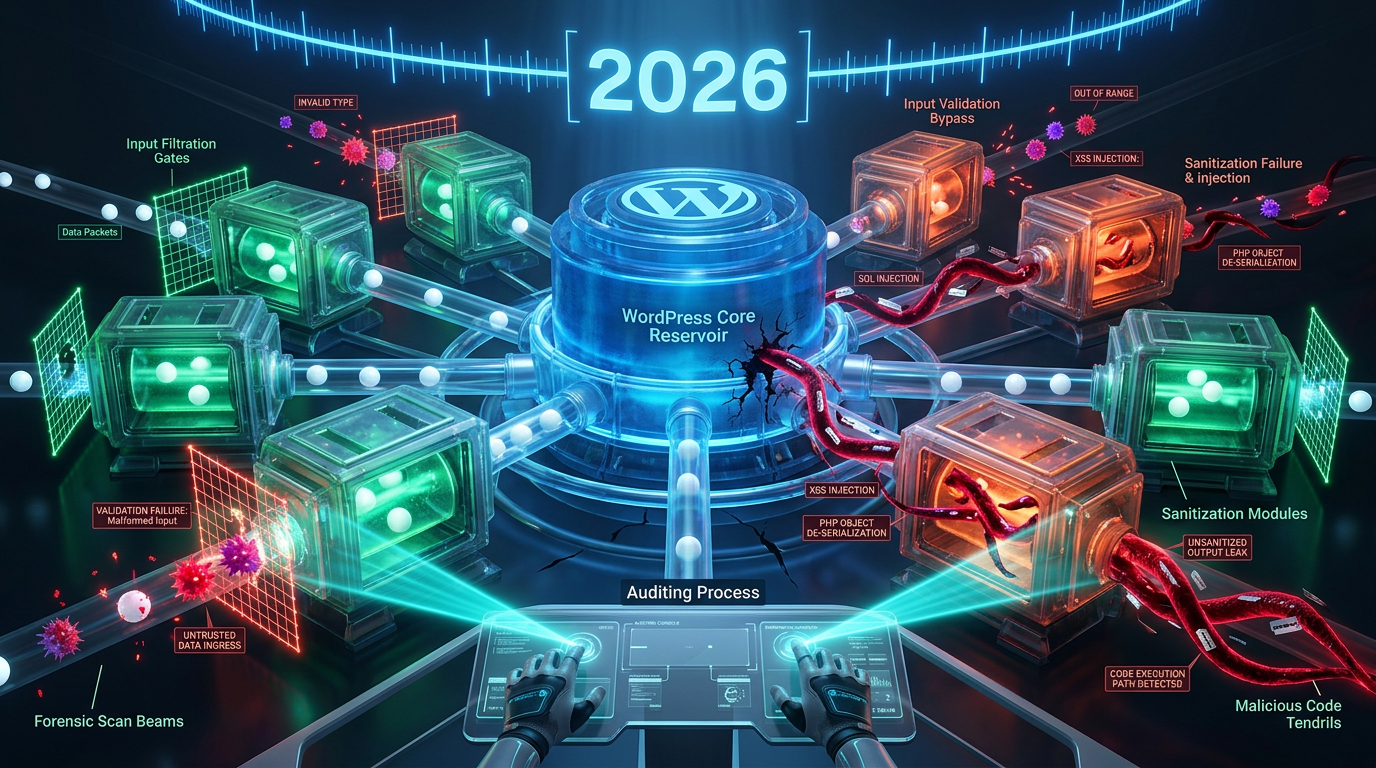
An authentication bypass isn't a direct attack on WordPress core but rather a clever exploitation of flaws within third-party plugins. These flaws can stem from various sources, including improper validation of user input, incorrect handling of session data, or even logical errors in how authentication checks are performed. It's a backdoor opened not by direct hacking, but by an oversight in the plugin's code.
When a plugin is developed, it often extends WordPress's native capabilities, including user management and access control. If these extensions are not implemented with robust security measures, they can inadvertently create pathways for attackers to gain privileges without a valid username and password. This makes identifying and patching such vulnerabilities a continuous and crucial task, especially when dealing with a potential WordPress plugin authentication bypass.
For more insights into securing your site at a fundamental level, particularly concerning programmatic interfaces, consider reading about The Forgotten Front Line: Securing Your WordPress Site at the Plugin API Level in 2026.
Common Causes of Authentication Bypass
- Insecure Session Management: If a plugin handles user sessions poorly, an attacker might be able to hijack a session or forge a valid session cookie, bypassing the login screen. This often happens when session tokens are predictable or not properly invalidated upon logout. This is a common vector for a WordPress plugin authentication bypass.
- Flawed Input Validation: Input validation is key. A plugin might expect a certain type of input, but if it doesn't strictly enforce this, malicious input could trick the system into authenticating an unauthorized user. For instance, SQL injection vulnerabilities can sometimes lead to authentication bypass by manipulating database queries.
- Logical Errors in Access Control: Sometimes, the flaw isn't in cryptography but in the logic itself. A plugin might incorrectly check user roles or capabilities, granting administrative access to a regular subscriber or guest user based on a specific, exploitable request parameter. Addressing over-privileged and insecure plugin roles is vital.
The Devastating Impact of a WordPress Plugin Authentication Bypass Vulnerability
The consequences of a successful WordPress plugin authentication bypass can range from frustrating to catastrophic. Once an attacker gains unauthorized access, the entire website is at their mercy. This level of compromise can lead to data breaches, website defacement, malware injection, and ultimately, a significant loss of trust and reputation.
In 2026, with stringent data privacy regulations like GDPR and CCPA firmly in place and evolving, a data breach resulting from an authentication bypass can also incur hefty legal and financial penalties. The cost of remediation, lost business, and reputational damage can far outweigh the cost of proactive security measures against a WordPress plugin authentication bypass.
What Attackers Can Do Post-Bypass
- Data Theft: Accessing sensitive user data, customer information, payment details, or proprietary business intelligence. This echoes concerns about covert data collection and privacy risks.
- Website Defacement: Altering the website's appearance, replacing content with malicious or inappropriate material.
- Malware Distribution: Injecting malicious code into the website, turning it into a host for phishing schemes, drive-by downloads, or other cyberattacks.
- SEO Spam: Adding hidden links, pages, or content designed to manipulate search engine rankings, often linking to illicit sites.
- Complete Site Takeover: Installing backdoors, changing administrative passwords, and locking out legitimate administrators, leading to total control of the site, all stemming from a successful WordPress plugin authentication bypass.
Identifying High-Risk Plugins: Beyond the Surface
Not all plugins are created equal, and some carry inherent risks that are less obvious than others. When evaluating plugins for your WordPress site in 2026, it's crucial to look beyond just functionality and popularity. Unmasking potential WordPress plugin authentication bypass vulnerabilities requires a deeper dive into the plugin's development practices and historical security track record.
Outdated code, excessive permissions, and numerous third-party dependencies are red flags. A plugin that hasn't been updated in years, even if it still "works," is a ticking time bomb. Developers often introduce patches for obscure security flaws that users might not even be aware of, but these are crucial in preventing exploitation and a potential WordPress plugin authentication bypass.
Key Indicators of Potential Vulnerabilities
- Lack of Recent Updates: A plugin that hasn't seen an update in over a year is a significant risk. Security landscapes change rapidly.
- Poorly Documented Code: If the code is messy, uncommented, and difficult to understand, it’s often a sign of rushed development and potential security oversights.
- Excessive Permissions: Does the plugin ask for more permissions than it seemingly needs? A simple gallery plugin shouldn't require full administrator privileges. This topic is deeply explored in The Overlooked Gatekeepers: Unmasking Excessive Permissions in WordPress Plugins (2026).
- Unknown Developers/Small Community: While not a definitive indicator, plugins from unknown developers with a very small user base might not have undergone rigorous testing or security audits.
- Numerous Third-Party Dependencies: Every external library or dependency imported by a plugin introduces a new potential attack vector. These must also be kept up-to-date and secure, highlighting digital supply chain risks, and potentially leading to a WordPress plugin authentication bypass.
Best Practices to Prevent a WordPress Plugin Authentication Bypass
Preventing a WordPress plugin authentication bypass requires a multi-layered approach that combines diligence, proactive security measures, and a commitment to keeping your WordPress environment up-to-date. As cyber threats become more sophisticated in 2026, so too must our defenses.
Regular security audits, stringent plugin selection, and ongoing vigilance are not merely suggestions but essential mandates for any WordPress site owner. Ignoring these practices can leave your site wide open to exploitation, with potentially severe consequences for your business and users, including a successful WordPress plugin authentication bypass.
Actionable Steps for enhanced Security
- Choose Reputable Plugins: Always prioritize plugins from well-known developers with a strong security track record, frequent updates, and positive community reviews. Check for active support forums and recent security announcements.
- Regularly Update Everything: Keep WordPress core, themes, and all plugins updated to their latest versions. Updates often contain critical security patches that address newly discovered vulnerabilities, including potential WordPress plugin authentication bypass issues. Understanding WordPress plugin versioning and deprecation strategies is crucial here.
- Perform Security Audits: Use security plugins and services to regularly scan your website for known vulnerabilities, malware, and suspicious activity. Consider professional penetration testing for critical business websites. For comprehensive guidance, refer to Future-Proofing Your WordPress: Essential Plugin Auditing Strategies for 2026.
- Implement Strong Authentication: While an authentication bypass circumvents standard login, strong authentication (like multi-factor authentication) adds another layer of defense that can sometimes mitigate the impact even if a bypass occurs.
- Limit Plugin Usage: The fewer plugins you have, the smaller your attack surface. Only install plugins that are absolutely essential for your site's functionality. Uninstall and delete unused or inactive plugins. Neglecting digital residues and zombie processes from deactivated plugins can also pose risks.
- Educate Yourself and Your Team: Stay informed about the latest WordPress security threats and best practices. A knowledgeable team is your first line of defense against emerging vulnerabilities. Resources like the official WordPress Security Support Forum are invaluable.
Reporting and Responding to WordPress Plugin Authentication Bypass Vulnerabilities
Discovering a WordPress plugin authentication bypass vulnerability, whether in your own site or in a plugin you use, comes with a responsibility to the wider WordPress community. Responsible disclosure is paramount to ensuring the security of millions of websites globally. Prompt reporting empowers developers to fix issues before they can be widely exploited.
If you suspect a vulnerability, avoid public disclosure immediately. Instead, reach out to the plugin developer directly and clearly explain the issue. If the developer is unresponsive, or the vulnerability is severe, platforms like WPScans.com or the WordPress security team can assist in coordinating a responsible disclosure.
Steps for Responsible Disclosure and Response
- Confirm the Vulnerability: Thoroughly test and confirm that the authentication bypass exists and assess its potential impact.
- Contact the Plugin Developer: Reach out to the developer privately, providing detailed information on the vulnerability and steps to reproduce it. Give them a reasonable timeframe to address the issue.
- Seek Expert Assistance: If the developer is unresponsive or the vulnerability poses an immediate severe threat, consider contacting a reputable cybersecurity firm or the WordPress security team for guidance.
- Implement Temporary Mitigations: If possible, implement temporary measures on your site to block the known exploit vector until a permanent patch is released.
- Update Immediately: Once a patch is available, update the plugin as quickly as possible across all your WordPress installations. Notify your users if their data might have been compromised.
By staying vigilant, adopting robust security practices, and engaging in responsible disclosure, the WordPress community can collectively work towards a more secure and trustworthy online environment in 2026 and beyond, minimizing the risk of a WordPress plugin authentication bypass.
Frequently Asked Questions

Written by Aras Akıncılar
Uzun yıllara dayanan WordPress deneyimine sahip bir siber güvenlik uzmanı olarak, eklenti ekosisteminin derinlemesine analizine odaklanıyorum. Güvenlik açıkları, performans düşüşleri ve uyumluluk sorunları üzerine hazırladığım makalelerle, WordPress kullanıcılarının sitelerini daha güvenli ve verimli hale getirmelerine yardımcı olmayı hedefliyorum.