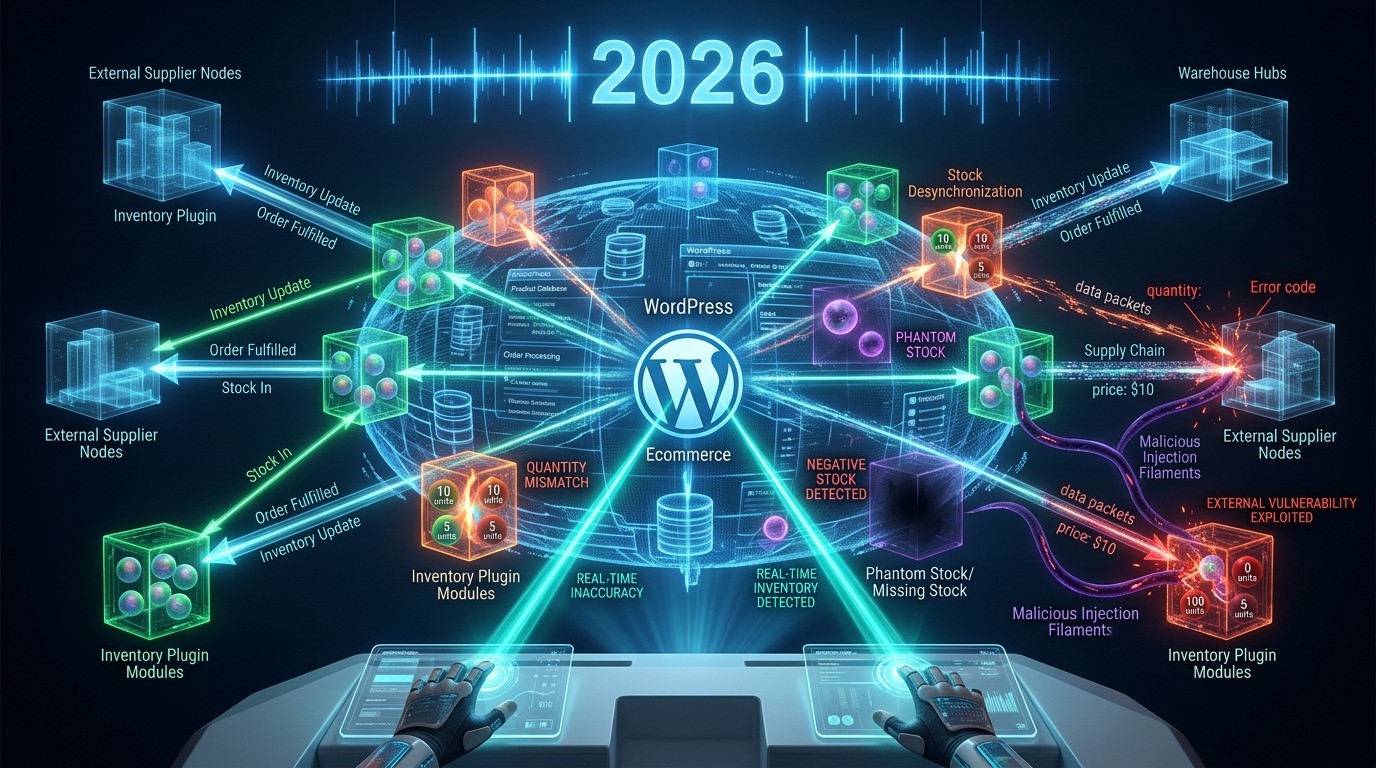
WordPress Plugin Browser Security: Enhancing User Safety in 2026
In the evolving digital landscape of 2026, the discussion around website security inevitably gravitates towards the bedrock of many online presences: WordPress. Specifically, the intricate relationship between plugins and user safety through the lens of WordPress plugin browser security has become a paramount concern for site administrators and security professionals alike. These seemingly innocuous additions, designed to extend functionality, often serve as silent catalysts, profoundly influencing the browser security standards experienced by visitors. Ensuring robust browser security begins with a rigorous understanding of how plugins interact with client-side experiences and the potential vulnerabilities they introduce. For a deeper dive into client-side interactions, explore our article on WordPress Plugins Orchestrating Advanced Browser APIs & Client-Side Automation in 2026.
Understanding the Foundation of WordPress Plugin Browser Security
WordPress plugins, while offering unparalleled flexibility and feature expansion, can also introduce significant security overheads if not managed correctly. The browser acts as the last line of defense for users, and how well a WordPress site, powered by its plugins, interacts with and protects that browser experience is critical. Poorly coded or inadequately secured plugins can open doors to various client-side attacks, directly compromising WordPress plugin browser security. Understanding the full scope of security footprints, including those introduced by Micro-CMSs via WordPress plugins, is essential in 2026.
Common Browser-Side Vulnerabilities Introduced by Plugins
- Cross-Site Scripting (XSS): This is a persistent and prevalent threat. Plugins that don't properly sanitize user input or output can allow attackers to inject malicious scripts into web pages. When a user's browser loads the page, these scripts execute, potentially stealing session cookies, defacing websites, or redirecting users to malicious sites.
- Cross-Site Request Forgery (CSRF): While often server-side, CSRF can be facilitated by vulnerable plugins that don't adequately verify requests. An attacker can trick a user's browser into executing unwanted actions on a WordPress site where they are authenticated.
- Insecure Content Delivery: Plugins often load external resources like scripts, stylesheets, or fonts. If these are loaded over HTTP instead of HTTPS, they can be intercepted or manipulated, compromising the integrity of the page and ultimately harming WordPress plugin browser security. This "mixed content" issue triggers browser warnings and diminishes user trust.
- Outdated JavaScript Libraries: Many plugins rely on third-party JavaScript libraries. If these libraries are not kept up-to-date, they can contain known vulnerabilities that attackers can exploit through the user's browser.
Addressing these foundational issues is not merely about patching; it's about adopting a proactive security posture that recognizes plugins as central to browser safety.
Best Practices for Enhancing WordPress Plugin Browser Security in 2026
To mitigate the risks and bolster WordPress plugin browser security, site owners and developers must adhere to a set of stringent best practices. The year 2026 demands a sophisticated approach, moving beyond basic security measures.
Rigorous Plugin Selection and Auditing
When choosing plugins, don't just look for features; prioritize security. Always:
- Check Developer Reputation: Opt for plugins from reputable developers with a strong track record of security updates and support.
- Review Update Frequency: A plugin that hasn't been updated in months or years is a red flag. Regular updates indicate active maintenance and prompt vulnerability patching.
- Read Reviews and Support Forums: These can offer insights into past security issues and how quickly they were resolved.
- Scan Plugin Code (Advanced Users): Before installation, consider using static analysis tools or manually auditing plugin code for common vulnerabilities, especially for less-known plugins.
Post-installation, regularly audit installed plugins. Remove any that are no longer essential or are found to be insecure. Bloat contributes not only to performance issues but also to a larger attack surface. This includes understanding potential privacy risks related to browser fingerprinting and privacy risks from WordPress plugins.
Implementing Content Security Policy (CSP) Headers for Enhanced Browser Security
A Content Security Policy (CSP) is an HTTP response header that allows website administrators to control which resources (scripts, styles, images, etc.) the user agent is allowed to load. This is a powerful defense against XSS and other client-side injection attacks. Implementing a strict CSP can significantly enhance WordPress plugin browser security.
- Define Approved Sources: Specify trusted domains for scripts, stylesheets, images, and other resources.
- Limit Inline Scripts and Styles: Inline code often provides an easy target for XSS. CSP can restrict or entirely block its execution.
- Report Violations: CSP can be configured to report any violations, providing valuable insights into potential attack attempts or misconfigurations.
While CSP implementation can be complex, especially with numerous plugins, dedicated WordPress security plugins can help generate and manage these policies effectively. For more on web security standards, the OWASP Top Ten offers comprehensive guidance on common web application security risks.
The Role of Secure Development Practices for Plugin Developers
For those developing WordPress plugins, integrating secure development practices from the outset is non-negotiable. The collective security of the WordPress ecosystem, and by extension, WordPress plugin browser security for millions of users, rests on responsible development. This also extends to how plugins affect underlying server configurations.
Key Security Considerations for Plugin Development
- Input Validation and Output Sanitization: ALL user input must be validated and sanitized before processing or display. This is the primary defense against XSS and SQL injection. Use WordPress's built-in functions like
wp_kses(),sanitize_text_field(), andesc_html(). - Nonce Verification: Implement nonces for all forms and actions to protect against CSRF attacks.
- Principle of Least Privilege: Plugins should only request and use the minimum necessary permissions and access levels.
- Secure API Usage: When interacting with external APIs, ensure secure authentication, encrypted communication, and proper error handling.
- Regular Security Audits and Penetration Testing: Before releasing a plugin, and periodically thereafter, conduct thorough security audits and penetration tests.
By adhering to these principles, developers contribute directly to a safer web experience for everyone and bolster overall WordPress plugin browser security.
Monitoring and Responding to Security Incidents Affecting Browser Security
Even with the best preventative measures, security incidents can occur. Establishing robust monitoring and incident response protocols is crucial for maintaining high levels of WordPress plugin browser security.
Tools and Strategies for Continuous Monitoring
- Security Plugins with Firewall Capabilities: Deploy plugins that offer Web Application Firewall (WAF) functionality, malware scanning, and intrusion detection. These can identify and block suspicious requests before they reach the browser.
- Browser Developer Tools: Regularly inspect your website using browser developer tools. Look for unexpected network requests, console errors (especially related to security policies), and abnormal script behavior.
- Server-Side Logging and Monitoring: Analyze server access logs for unusual patterns, such as excessive requests from specific IPs, attempts to access restricted files, or signs of brute-force attacks.
- Vulnerability Disclosure Programs: Stay informed about known vulnerabilities published by security researchers and the WordPress community. Subscribe to security news feeds and advisories.
Prompt response to identified threats is critical. This includes immediately patching vulnerabilities, reverting to secure backups, and thoroughly investigating the incident to prevent recurrence and protect user data and browser integrity. For broader implications of plugin vulnerabilities, consider how quantum algorithm vulnerabilities might arise from plugin flaws.
The Future of WordPress Plugin Browser Security in 2026 and Beyond
As we navigate through 2026, the landscape of WordPress plugin browser security is continuously evolving. Artificial intelligence and machine learning are increasingly being integrated into security solutions, offering predictive threat detection and faster incident response times. Browser vendors are also tightening security policies, requiring websites to adhere to stricter standards for content delivery and script execution.
The emphasis will continue to be on a collaborative approach: developers building secure plugins, users practicing diligent management, and platforms like WordPress constantly improving their core security. Education and awareness remain fundamental. A well-informed user base is the strongest defense against social engineering and sophisticated client-side attacks. Ultimately, the goal is to create an online environment where the dynamic functionality of WordPress plugins can be fully leveraged without compromising the browser security of any visitor. To stay current with broad web security trends, following resources like the CISA (Cybersecurity & Infrastructure Security Agency) website can provide valuable insights.
Frequently Asked Questions

Written by Aras Akıncılar
Uzun yıllara dayanan WordPress deneyimine sahip bir siber güvenlik uzmanı olarak, eklenti ekosisteminin derinlemesine analizine odaklanıyorum. Güvenlik açıkları, performans düşüşleri ve uyumluluk sorunları üzerine hazırladığım makalelerle, WordPress kullanıcılarının sitelerini daha güvenli ve verimli hale getirmelerine yardımcı olmayı hedefliyorum.