WordPress Plugin Code Integrity: Security Guide
In the dynamic world of web development, maintaining the health and security of your WordPress site is paramount. A crucial aspect often overlooked until a problem arises is WordPress plugin code integrity. As we navigate 2026, unseen alterations, updates, and even malicious injections into your installed plugins can significantly compromise your website's performance, security, and overall functionality. Understanding how to monitor and protect against these silent saboteurs is no longer optional; it's a fundamental requirement for a robust online presence.
Understanding WordPress Plugin Code Integrity in 2026
The digital landscape is constantly evolving, and with it, the threats targeting WordPress sites. While WordPress plugins offer incredible functionality and extend your site's capabilities, they are also common vectors for vulnerabilities if their code integrity is compromised. This can happen through various means, from poorly vetted updates to outright malicious attacks. Thus, ensuring the WordPress plugin code integrity of every extension on your site is a continuous battle.
What Constitutes Code Integrity?
At its core, code integrity assures that a piece of software, specifically a WordPress plugin, has not been tampered with or modified in an unauthorized manner. For plugins, this means the code running on your server is precisely what the developer intended. It confirms that the code hasn't been corrupted or maliciously altered. This includes verifying file hashes, monitoring for unexpected file changes, and ensuring updates come from legitimate sources. Maintaining WordPress plugin code integrity is vital for your site's security.
The Evolving Threat Landscape
In 2026, attackers are more sophisticated than ever. They target not just common vulnerabilities but also supply chain weaknesses, including the plugin ecosystem. For instance, a compromised plugin download from an unofficial source, or even a legitimate plugin whose update server has been breached, can introduce backdoors, malware, or spam injects onto your site. Consequently, verifying WordPress plugin code integrity is more critical than ever.
Common Threats to WordPress Plugin Code Integrity
Identifying the risks is the first step towards mitigation. Several common scenarios can lead to a breach in WordPress plugin code integrity, each requiring a tailored approach for detection and prevention.
Outdated and Unmaintained Plugins
One of the most persistent threats stems from using outdated plugins. Developers regularly release updates to fix bugs, improve performance, and patch security vulnerabilities. Neglecting these updates leaves your site exposed to known exploits. Furthermore, an unmaintained plugin, abandoned by its developer, poses an even greater risk as new vulnerabilities will never be patched. This effectively becomes a ticking time bomb for your site's WordPress plugin code integrity.
- Lack of Security Patches: Old code almost certainly contains unpatched vulnerabilities.
- Compatibility Issues: Outdated plugins can conflict with newer WordPress versions or other plugins, leading to errors.
- Performance Degradation: Unoptimized, old code can significantly slow down your entire website.
Malicious Code Injections and Backdoors
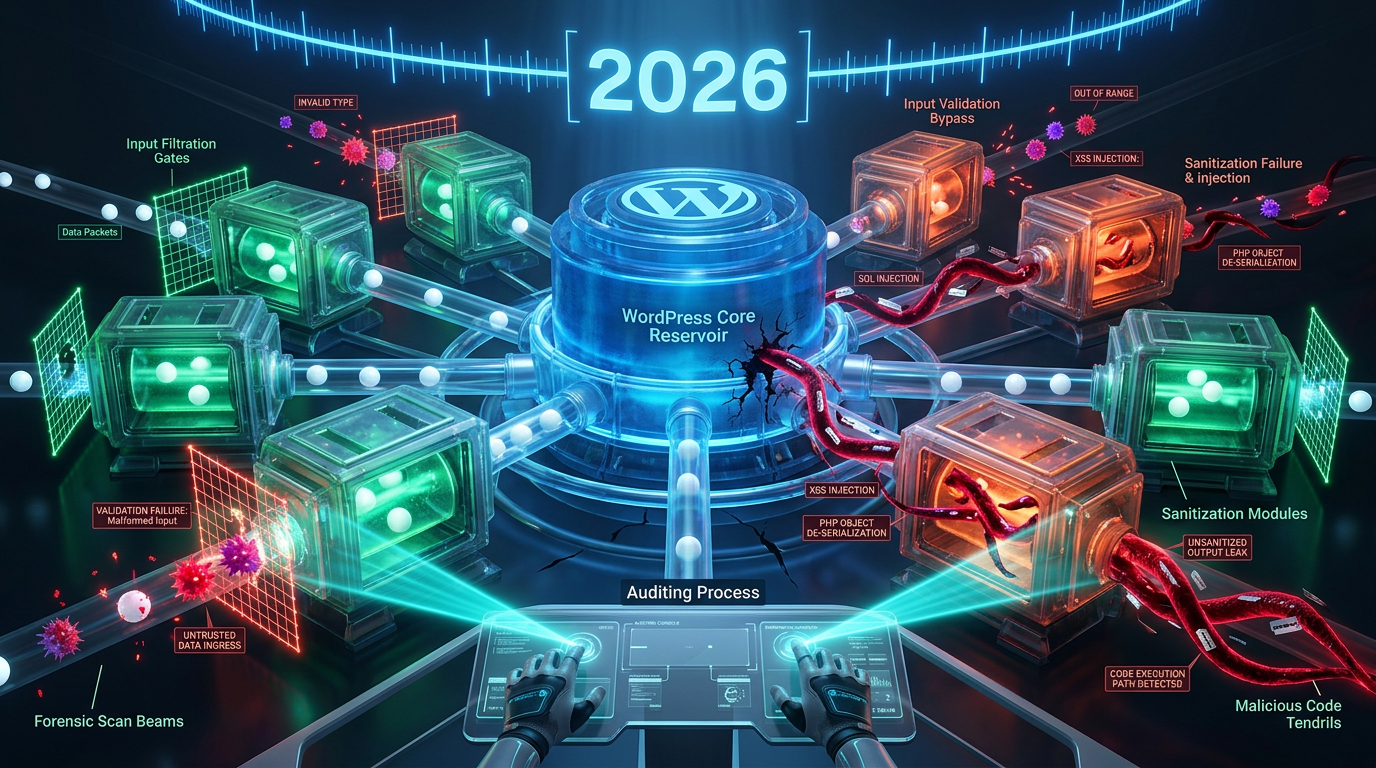
Attackers often inject malicious code directly into plugin files or create backdoors that grant them persistent access to your site. This can occur through various attack vectors, including brute-force attacks on weak admin credentials, zero-day exploits, or vulnerabilities in other software components on your server. Such injections are designed to go unnoticed, silently siphoning data, defacing your site, or using your server for nefarious purposes. This directly impacts WordPress plugin code integrity.
Supply Chain Attacks
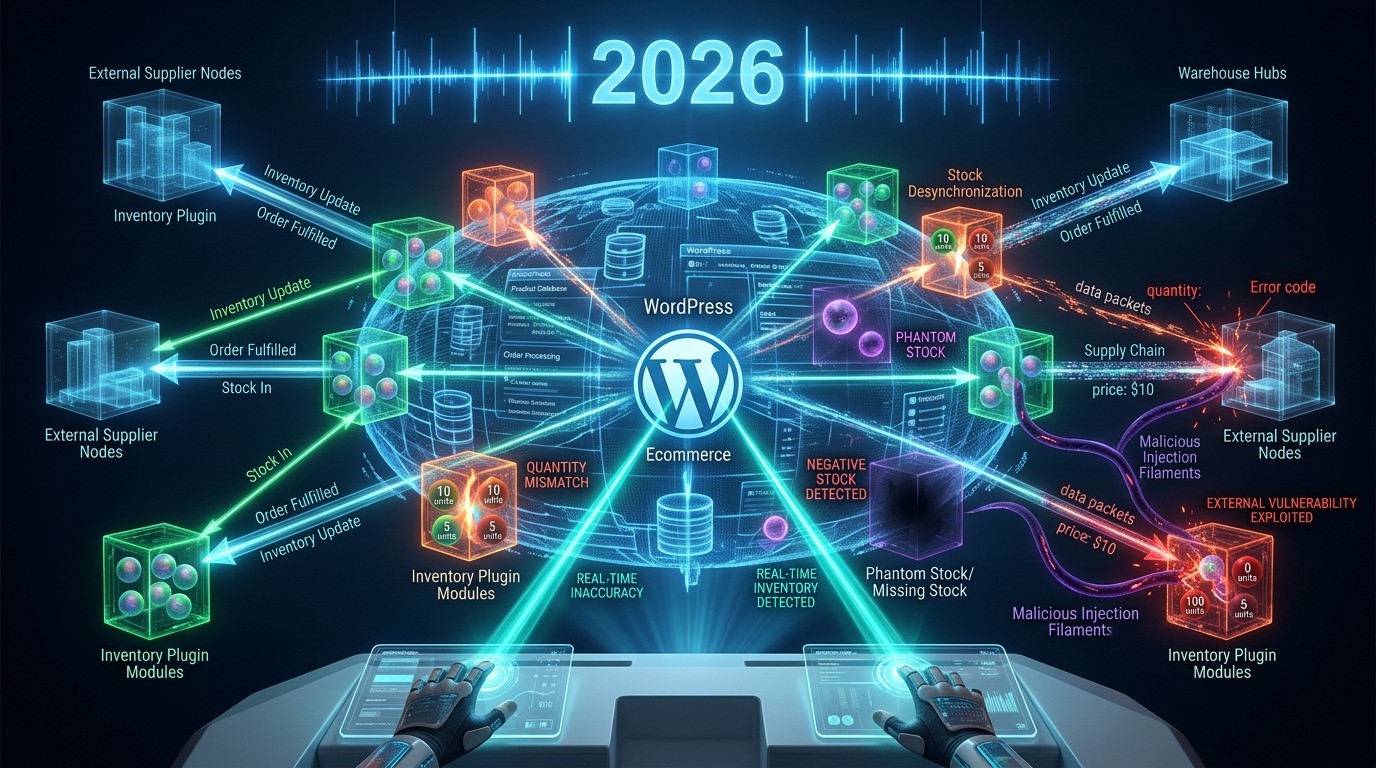
Less common but increasingly prevalent are supply chain attacks. Here, the malicious code isn't directly injected into your site but into the plugin's source code or update mechanism before it even reaches you. This means a legitimate-looking update could contain hidden malware. While harder to detect with conventional methods, relying on trusted sources and verifying developer authenticity can help mitigate this risk, thus protecting your WordPress plugin supply chain security.
Detecting Compromised WordPress Plugin Code Integrity
Proactive detection is key to preventing minor issues from escalating into major security incidents. Several tools and practices can help you maintain vigilant oversight of your WordPress plugin code integrity.
Regular Security Scans and File Integrity Monitoring
Implementing a robust security plugin that includes file integrity monitoring is essential. These tools continuously scan your WordPress core files, themes, and plugins for unauthorized changes. They compare current file versions against a known good baseline and alert you to any discrepancies. Notably, reputable security plugins specifically focus on detecting alterations to WordPress plugin code integrity.
- Checksum Verification: Compares file hashes against official releases to detect modifications.
- Event Logging: Monitors changes to files, user logins, and other critical events.
- Malware Scanning: Identifies known malicious patterns in your code.
Auditing Plugin Sources and Updates
Always download plugins from the official WordPress Plugin Directory or reputable commercial marketplaces. Before updating, check the developer's website for release notes and verify the authenticity of the update package if downloading manually. Be wary of plugins that haven't been updated in a long time or have a very small, unengaged user base. This diligence is crucial for maintaining WordPress plugin auditing strategies and ensuring WordPress plugin code integrity.
Code Review (for Advanced Users)
For critical plugins or custom solutions, periodic code reviews can help uncover hidden vulnerabilities or malicious inclusions. While time-consuming, this process offers the highest level of assurance regarding WordPress plugin code integrity. This might involve reviewing recent changes in update files for suspicious functions or obfuscated code.
Best Practices for Maintaining WordPress Plugin Code Integrity
Adopting a proactive and disciplined approach is crucial for safeguarding your website against code integrity breaches. These best practices will form a solid foundation for your WordPress security strategy in 2026.
Keep Everything Updated (Core, Themes, Plugins)
This is arguably the most critical and often underestimated security measure. Regularly updating your WordPress core, themes, and all plugins ensures you benefit from the latest security patches, bug fixes, and performance enhancements. Enable automatic updates for minor releases and carefully review major plugin updates before applying them to a live site. Timely updates directly contribute to a strong WordPress plugin code integrity stance.
Use Reputable Plugins Only
Stick to plugins from well-known developers with positive reviews, consistent updates, and active support. Avoid downloading plugins from untrusted sources or using nulled versions, as these are frequently bundled with malware. Always check the plugin's last update date, compatibility with the current WordPress version, and the number of active installations. This practice is fundamental for preserving WordPress plugin code integrity.
Implement Strong Security Measures
Beyond plugin-specific checks, bolster your site's overall security. This includes:
- Strong Passwords and Two-Factor Authentication (2FA): Protect your admin accounts.
- Web Application Firewall (WAF): Filters malicious traffic before it reaches your site.
- Regular Backups: Essential for quick recovery in case of compromise.
- Least Privilege Principle: Grant only necessary permissions to users and applications.
These measures create layers of defense that help protect your site, especially if an individual plugin's WordPress Plugin Security is compromised.
Monitor Your Site Regularly
Beyond automated scans, perform manual checks. Look for unusual activity, unexpected file modifications, new user accounts, or strange redirects. Check server logs for suspicious entries. A vigilant eye can often spot early warning signs that automated tools might miss, ultimately contributing to better WordPress plugin code integrity.
Isolating and Hardening Your WordPress Environment
For high-traffic or highly sensitive websites, consider advanced measures such as running plugins in isolated environments or using a hardened WordPress setup. This involves restricting file write permissions, disabling file editing from the dashboard, and configuring server-level security rules that prevent common web attacks. These practices add another layer of protection, making it harder for compromised plugins to affect your entire system and thus preserving WordPress plugin code integrity.
In 2026, the battle for your website's security is ongoing, and maintaining WordPress plugin code integrity is a critical front. By understanding the threats, implementing robust detection mechanisms, and adhering to best practices, you can significantly reduce your risk exposure. This proactive approach ensures your WordPress site remains secure, stable, and performing optimally for years to come. For further insights on balancing security with usability, explore the WordPress plugin performance and security tradeoffs in 2026.
Frequently Asked Questions

Written by Aras Akıncılar
Uzun yıllara dayanan WordPress deneyimine sahip bir siber güvenlik uzmanı olarak, eklenti ekosisteminin derinlemesine analizine odaklanıyorum. Güvenlik açıkları, performans düşüşleri ve uyumluluk sorunları üzerine hazırladığım makalelerle, WordPress kullanıcılarının sitelerini daha güvenli ve verimli hale getirmelerine yardımcı olmayı hedefliyorum.