Understanding WordPress Plugin Infrastructure: A Comprehensive Guide
In the expansive and ever-evolving digital landscape of 2026, understanding the underlying wordpress plugin infrastructure is more crucial than ever for maintaining a secure, stable, and high-performing website. These silent cartographers define the digital topography of millions of sites, yet their internal workings often remain unexamined. This comprehensive guide delves deep into the architecture, functionalities, and potential pitfalls associated with the infrastructure of WordPress plugins, offering vital insights for developers and site administrators alike.
Deconstructing the WordPress Plugin Infrastructure: Core Components
At its heart, the WordPress plugin infrastructure is a sophisticated interplay of files, databases, and execution processes designed to extend WordPress Core functionality. It's not merely a collection of scripts; it's a carefully structured system that allows for modular expansion without directly altering the core codebase. Understanding these core components is the first step toward effective plugin management and development.
The File System Architecture
A typical WordPress plugin resides within its own directory inside wp-content/plugins/. This directory structure is fundamental to the plugin's ability to operate. Key files often include:
- Main Plugin File: Contains the plugin header (name, description, version) and often initializes core functionalities and hooks into WordPress actions and filters.
- Includes Folder: Houses various PHP classes, functions, and logic files.
- Assets Folder: Stores stylesheets (CSS), JavaScript files (JS), images, and other media used by the plugin for its front-end and back-end interfaces.
- Templates/Views Folder: Holds PHP files responsible for rendering plugin-specific content on the front-end or within the WordPress admin.
The clear separation of concerns within this file system helps developers organize their code, making it easier to maintain and debug the wordpress plugin infrastructure.
Database Interactions and Schema
Many plugins require their own database tables to store specific data, such as custom post types, settings, or user-generated content. This interaction forms a critical part of the WordPress plugin infrastructure.
When a plugin is activated, it often creates these tables. When deactivated, it might either retain the data or remove it, depending on the plugin's design and user options. Poorly designed plugins can create unnecessary database overhead or leave behind "orphan" tables, impacting performance over time.
WordPress Hooks: Actions and Filters
The real power of the WordPress plugin infrastructure lies in its extensive use of hooks – actions and filters. These allow plugins to inject custom code at specific points in the WordPress execution flow without modifying core files.
- Actions: Execute code when a specific event occurs (e.g.,
init,wp_enqueue_scripts,save_post). - Filters: Modify data before it's used or displayed (e.g.,
the_content,option_name).
Mastering hooks is essential for creating robust and compatible plugins, as well as for understanding how existing plugins integrate with WordPress.
Evaluating Plugin Risks: Security, Performance, and Compatibility of the WordPress Plugin Infrastructure
While the open-source nature and extensibility of WordPress via plugins are immense strengths, they also introduce a unique set of challenges regarding security, performance, and compatibility. Understanding these risks is paramount for safeguarding any WordPress website in 2026, especially concerning its wordpress plugin infrastructure.
Security Vulnerabilities within Plugin Infrastructure
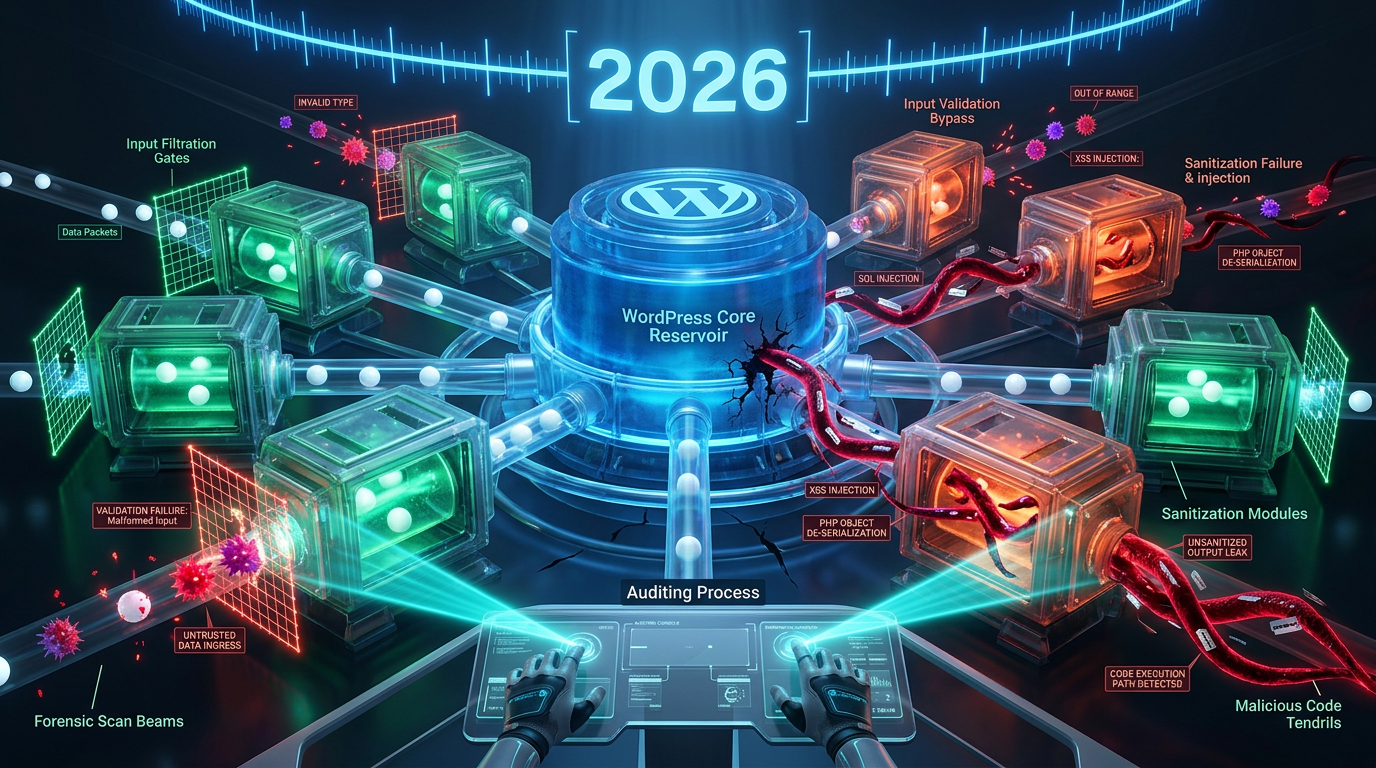
The greatest threat emanating from the WordPress plugin infrastructure often comes in the form of security vulnerabilities. Common issues include:
- Outdated Code: Plugins not regularly updated can contain known security flaws that hackers actively exploit.
- Insecure Configurations: Default settings might be too permissive, or developers might fail to properly sanitize user inputs, leading to SQL injection or Cross-Site Scripting (XSS) attacks.
- Excessive Permissions: Some plugins request more access than necessary, increasing the attack surface if compromised.
- Third-Party Dependencies: Plugins often rely on external libraries. If these dependencies are not kept up-to-date or are themselves insecure, they introduce vulnerabilities into the WordPress site.
Regular security audits, staying informed about known vulnerabilities, and choosing reputable plugins are essential countermeasures for a secure wordpress plugin infrastructure.
Performance Degradation and Optimization
A poorly optimized WordPress plugin infrastructure can significantly slow down your website. This impacts user experience, SEO rankings, and ultimately, your bottom line. Performance issues typically arise from:
- Inefficient Database Queries: Plugins performing too many or poorly written database queries can hog resources.
- Excessive Script and Style Loading: Loading unnecessary JavaScript and CSS files on every page can increase page load times.
- Resource-Intensive Background Processes: Plugins running heavy tasks in the background without proper optimization.
- Lack of Caching Mechanisms: Failing to leverage WordPress transients or object caching for repetitive operations.
Auditing plugin resource usage and employing caching strategies are vital for maintaining optimal site speed and a healthy wordpress plugin infrastructure.
Compatibility Conflicts and Stability
The dynamic nature of the WordPress ecosystem means that plugins, themes, and WordPress Core are constantly being updated. This can lead to compatibility issues where two plugins, or a plugin and the core, clash, causing errors or breaking site functionality within the wordpress plugin infrastructure.
Common scenarios include:
- Conflicting function names or class declarations.
- Overwriting expected global variables.
- Differences in how plugins interact with specific WordPress hooks.
Always test new plugins in a staging environment before deploying them to a live site. Prioritizing well-maintained plugins with active developer support can mitigate many compatibility risks.
Best Practices for a Robust WordPress Plugin Infrastructure in 2026
To ensure your WordPress website remains secure, fast, and stable amidst the ever-changing digital landscape of 2026, adhering to best practices for managing your WordPress plugin infrastructure is non-negotiable.
Strategic Plugin Selection and Vetting
The process of choosing a plugin should be meticulous. Don't just pick the first one you find. Consider:
- Developer Reputation: Look for plugins by established developers with a track record of security and reliability.
- Active Development & Updates: Ensure the plugin has been recently updated (within the last few months) and is compatible with the latest WordPress version.
- Reviews and Support: Check user reviews for common issues and evaluate the responsiveness of the support team.
- Code Quality (if possible): For developers, a quick glance at the code for basic best practices can be insightful. The official WordPress Plugin Handbook is an excellent resource for coding standards.
Prioritizing quality over quantity will significantly reduce potential headaches down the line for your wordpress plugin infrastructure.
Regular Maintenance and Updates
Neglecting updates is one of the quickest ways to introduce vulnerabilities into your WordPress plugin infrastructure. Implement a strict update schedule:
- WordPress Core: Always update WordPress Core as soon as new releases are available.
- Plugins & Themes: Regularly update all plugins and themes. Use a staging environment to test updates before pushing them live, especially for major updates.
- PHP Version: Ensure your hosting environment runs a modern, supported PHP version, as older versions can have security holes and performance limitations.
Automated backups are crucial before any major updates to allow for quick rollbacks if issues arise.
Minimizing Plugin Bloat and Dependencies
While plugins are powerful, using too many, or unnecessarily complex ones, can lead to performance degradation and increased security risks. Evaluate whether a plugin truly adds significant value or if a simpler alternative (or even custom code) might suffice.
Consider consolidating functionalities where possible and actively removing any unused or deactivated plugins, as their code can still pose a security risk if left on the server. This helps maintain a lean and efficient wordpress plugin infrastructure.
Future Trends and Evolution of WordPress Plugin Infrastructure (2026 and Beyond)
The WordPress plugin infrastructure is not static; it's constantly evolving, adapting to new web technologies and security challenges. In 2026, several trends are shaping its future.
Enhanced Security Measures and AI Integration
We are seeing an increasing integration of AI and machine learning into security plugins to proactively detect and mitigate threats. This includes advanced malware scanning, anomaly detection, and automated vulnerability patching. The infrastructure itself is becoming more resilient to common attack vectors through stricter API guidelines and sandboxing opportunities.
Performance Optimization at the Core
WordPress Core continues to prioritize performance, and this extends to how plugins are expected to operate. Expect more emphasis on efficient asset loading, better database query optimization tools, and deeper integration with modern caching solutions. Developers are being encouraged to build plugins with performance as a foundational principle rather than an afterthought for the wordpress plugin infrastructure.
Headless WordPress and Decoupled Architectures
The rise of headless WordPress continues to influence plugin development. While traditional plugins still thrive, there's a growing need for plugins that expose data via robust REST APIs and GraphQL endpoints, catering to decoupled front-ends built with frameworks like React or Vue. This shift alters how the WordPress plugin infrastructure interacts with the presentation layer, focusing more on data delivery than direct rendering.
Conclusion
The WordPress plugin infrastructure is a testament to WordPress's flexibility and power. However, with great power comes great responsibility. By understanding its core components, recognizing inherent risks, and adhering to best practices for selection and maintenance, WordPress users and developers can harness the full potential of plugins while safeguarding their digital assets. As we move further into 2026, continuous vigilance and a proactive approach to managing this critical infrastructure will be key to unlocking secure, high-performing, and forward-compatible WordPress websites.
Frequently Asked Questions

Written by Aras Akıncılar
Uzun yıllara dayanan WordPress deneyimine sahip bir siber güvenlik uzmanı olarak, eklenti ekosisteminin derinlemesine analizine odaklanıyorum. Güvenlik açıkları, performans düşüşleri ve uyumluluk sorunları üzerine hazırladığım makalelerle, WordPress kullanıcılarının sitelerini daha güvenli ve verimli hale getirmelerine yardımcı olmayı hedefliyorum.