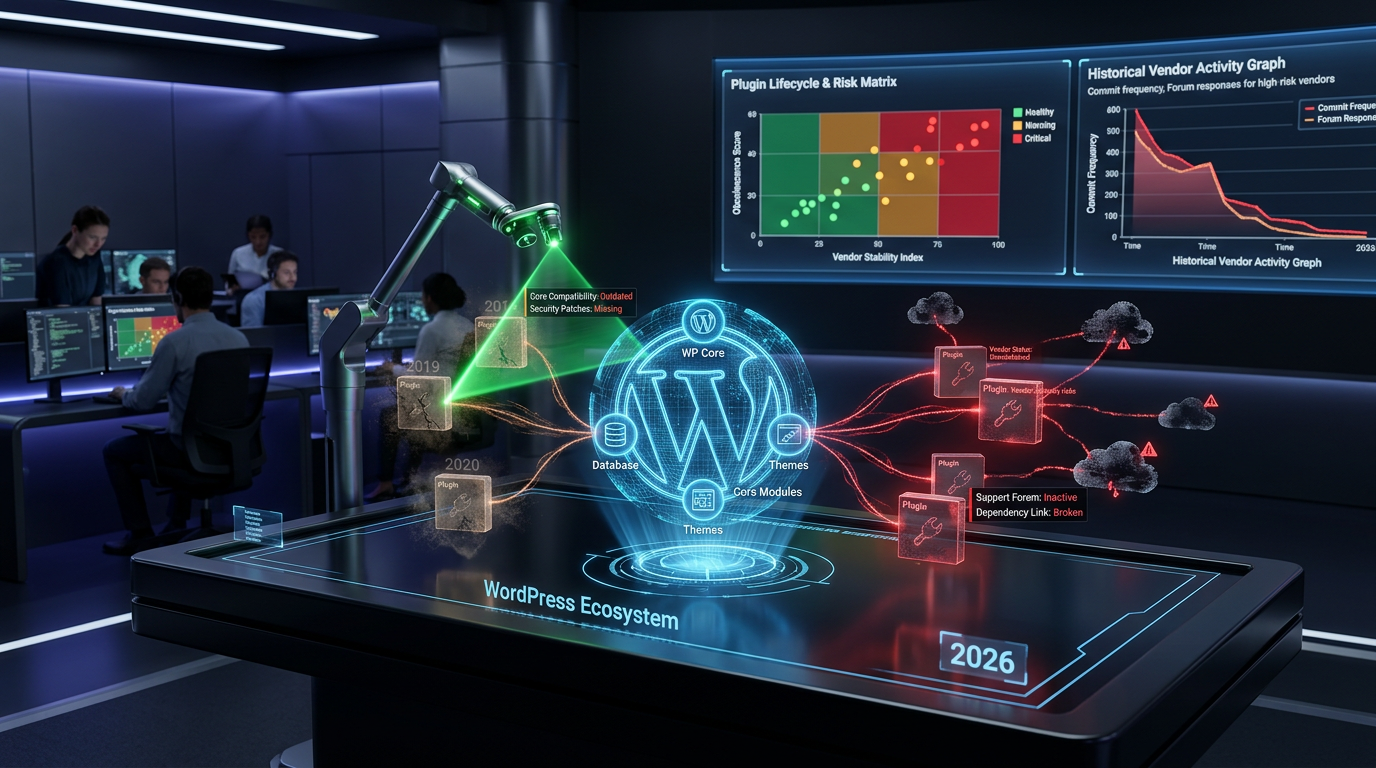
The Silent Cartographers: Unmasking Digital Topography & Infrastructure Mapping in WordPress Plugins (2026)
In the dynamic digital landscape of 2026, understanding the underlying WordPress plugin infrastructure is more crucial than ever for maintaining a secure, stable, and high-performing website. These seemingly innocuous extensions, while offering unparalleled functionality, often operate as silent cartographers, mapping out and even reshaping your site's digital topography. This article delves deep into the intricate world of WordPress plugins, exploring their inner workings, the potential risks they introduce, and best practices for navigating this complex ecosystem, focusing on the critical aspects of WordPress plugin infrastructure.
Deconstructing the WordPress Plugin Infrastructure: An Overview
The core of any WordPress site's extended functionality lies within its plugin infrastructure. This refers to the architectural design, codebase, and dependencies that define how a plugin integrates with WordPress core, interacts with other plugins, and ultimately affects your website. A robust and well-designed plugin infrastructure adheres to WordPress coding standards, prioritizes security, and offers efficient performance.
In 2026, as WordPress powers over 43% of all websites, the sheer volume and diversity of plugins mean that understanding their internal structure is no longer just for developers. Website owners and administrators too must have a foundational grasp to make informed decisions about installation and maintenance. The infrastructure encompasses everything from database interactions to front-end asset loading. For a deeper dive into how plugins also act as silent cartographers mapping digital echoes, explore our related analysis.
The Core Components of Plugin Architecture
- Hooks and Filters: These are the backbone of WordPress extensibility, allowing plugins to "hook" into specific events or "filter" data before it's displayed or stored. Understanding how a plugin utilizes these is key to assessing its integration depth.
- Database Interactions: Many plugins require their own database tables or store data within existing WordPress tables. The efficiency and security of these interactions are paramount for performance and data integrity.
- File Structure and Organization: A well-organized plugin typically follows a logical file structure, making it easier to understand, debug, and maintain. Poor organization can indicate a rushed or poorly planned development.
- API Usage: Plugins often leverage WordPress APIs (e.g., REST API, Settings API) or external third-party APIs. Proper API usage and secure handling of API keys are critical.
The Role of Version Control and Updates in Plugin Health
Regular updates are not merely about adding new features; they are often critical for patching security vulnerabilities and ensuring compatibility with the latest WordPress core and PHP versions. A plugin with neglected infrastructure, evident in infrequent updates or outdated code, is a a ticking time bomb regarding potential exploits. Staying current is a foundational pillar of website security in 2026. This ties closely with understanding relict code and zombie functions in WordPress plugins, which often result from poor maintenance practices.
Potential Risks: Navigating the Minefield of Plugin Vulnerabilities
Despite their utility, WordPress plugins are a primary vector for security vulnerabilities. The very nature of their extensibility, while powerful, also opens doors for malicious actors if not carefully managed. Understanding these risks is integral to safeguarding your website, particularly when evaluating a new WordPress plugin infrastructure.
Recent reports from 2026 indicate a continued rise in plugin-related breaches, emphasizing the need for heightened vigilance. Outdated code, insecure configurations, and excessive permissions are among the most common culprits. These issues can often be traced back to fundamental flaws in a plugin's internal infrastructure. Further insights into how plugins dictate other critical aspects like quantum algorithm vulnerabilities are available in our deep dives.
Common Plugin-Related Threats
- Outdated Code: Plugins relying on deprecated functions or old libraries are prone to critical security flaws. These can be exploited to gain unauthorized access, inject malicious code, or deface websites.
- Insecure Configurations: Default insecure settings or poorly implemented configuration options can leave backdoors open. This might include weak authentication mechanisms or exposed sensitive data.
- Excessive Permissions: Some plugins request more permissions than they genuinely need, increasing their attack surface. For example, a simple gallery plugin requesting administrative capabilities should raise a red flag.
- Third-Party Dependencies: Many plugins integrate third-party libraries or services. Vulnerabilities within these external components can easily propagate to your website, even if the plugin's own code is secure.
- SQL Injection and Cross-Site Scripting (XSS): These are perennial threats where malicious input can either extract sensitive data from your database or inject client-side scripts into web pages viewed by other users.
Evaluating Plugin Security and Infrastructure Quality
When selecting plugins, look for those with a strong track record of security audits, transparent reporting of vulnerabilities, and a proactive approach to patching. Resources like the WordPress Vulnerability Database and reputable security blogs provide up-to-date information on known plugin flaws. A robust WordPress plugin infrastructure prioritizes security at every level.
Performance Impact and Optimizing Your WordPress Plugin Infrastructure
Beyond security, the performance footprint of your plugins is a critical consideration. A poorly optimized plugin can significantly slow down your website, leading to a poor user experience and negative SEO consequences. The WordPress plugin infrastructure directly influences how efficiently a plugin consumes server resources.
As user expectations for website speed continue to increase in 2026, even milliseconds matter. Cumulative slowdowns from multiple inefficient plugins can severely impact bounce rates and conversion rates. It’s essential to regularly audit and optimize your plugin stack. Our article on how WordPress plugins extend core functionality with heterogeneous computing for performance offers more advanced optimization strategies.
Identifying Performance Bottlenecks
- Excessive Database Queries: Plugins performing too many or inefficient database queries can strain your server. Tools like Query Monitor can help identify these.
- Large JavaScript and CSS Files: Unoptimized or large front-end assets can delay page rendering, especially on mobile devices. Minification, compression, and deferred loading are crucial.
- Frequent External Requests: Plugins making numerous requests to external services can introduce latency. Evaluate whether these requests are essential and if caching can be applied.
- Resource-Intensive Background Processes: Some plugins run complex tasks in the background, consuming CPU and memory. Monitor server resources to spot unusual spikes.
Best Practices for Performance Optimization
Minimize the number of active plugins, choose lightweight alternatives where possible, and regularly clear plugin-related caches. Implementing a robust caching solution and using a Content Delivery Network (CDN) can also mitigate some plugin-induced performance issues by serving static assets more efficiently. Optimizing your WordPress plugin infrastructure is key to a fast website.
Compatibility Challenges and Maintaining a Harmonious Ecosystem
The beauty of WordPress lies in its modularity, but this also presents a significant challenge: compatibility. Plugins must coexist not only with the WordPress core but also with your theme and other active plugins. The robustness of a plugin's infrastructure largely determines its ability to integrate seamlessly without conflicts.
In 2026, as WordPress and PHP continue to evolve rapidly, maintaining compatibility across your entire plugin ecosystem requires proactive management. Conflicts can lead to broken functionalities, display errors, or even a completely inaccessible website. Understanding the underlying WordPress plugin infrastructure helps in resolving these issues.
Common Compatibility Issues
- Function Name Collisions: Two plugins using the same function name can lead to fatal errors, as PHP cannot distinguish between them.
- Conflicting JavaScript Libraries: Different versions of JavaScript libraries loaded by various plugins can cause front-end scripts to break.
- CSS Overrides: Stylesheets from one plugin or theme might unintentionally override the styles of another, leading to design inconsistencies.
- WordPress Core Updates: Plugins not regularly updated to support the latest WordPress core versions can cease to function correctly or cause errors.
- PHP Version Incompatibilities: Outdated plugins might not be compatible with newer PHP versions (e.g., PHP 8.x), leading to errors or warnings.
Strategies for Mitigating Compatibility Problems
Always test new plugins or major updates on a staging environment before deploying to your live site. Choose plugins from reputable developers who actively maintain their code and provide good support. Regularly review plugin changelogs for compatibility notes and reported issues. A well-managed WordPress plugin infrastructure minimizes compatibility headaches.
Best Practices for Managing Your WordPress Plugin Infrastructure in 2026
Effective management of your WordPress plugin infrastructure is a continuous process that combines vigilance, informed decision-making, and proactive maintenance. With thousands of plugins available, discerning the good from the potentially problematic requires a structured approach.
Guidelines for a Secure and Efficient Plugin Ecosystem
- Audit Regularly: Periodically review all installed plugins. Deactivate and delete any that are no longer essential or are poorly maintained.
- Source from Reputable Developers: Stick to plugins with strong reviews, active development, and a history of quick security patches. The official WordPress plugin directory is a good starting point.
- Test Before Deploying: Utilize staging environments to test all new plugins and major updates to existing ones. This helps catch compatibility and performance issues before they impact live users.
- Minimize and Optimize: Only install plugins that are truly necessary. For critical functionalities, explore if WordPress core or simple code snippets can achieve the same result.
- Understand Permissions: Be wary of plugins requesting excessive permissions. Question why a basic utility plugin might need full administrator access.
- Stay Informed: Keep abreast of the latest WordPress security news and plugin vulnerability reports. Subscribe to newsletters from reputable security firms.
- Backup Regularly: Maintain frequent, reliable backups of your entire WordPress site. This is your last line of defense in case of a plugin-related catastrophe.
By diligently applying these best practices, you can ensure that your WordPress plugin infrastructure remains a source of strength and functionality, rather than a vector for vulnerabilities or performance drain. The silent cartographers, when properly managed, will indeed map out a path to digital success.
Frequently Asked Questions

Written by Aras Akıncılar
Uzun yıllara dayanan WordPress deneyimine sahip bir siber güvenlik uzmanı olarak, eklenti ekosisteminin derinlemesine analizine odaklanıyorum. Güvenlik açıkları, performans düşüşleri ve uyumluluk sorunları üzerine hazırladığım makalelerle, WordPress kullanıcılarının sitelerini daha güvenli ve verimli hale getirmelerine yardımcı olmayı hedefliyorum.