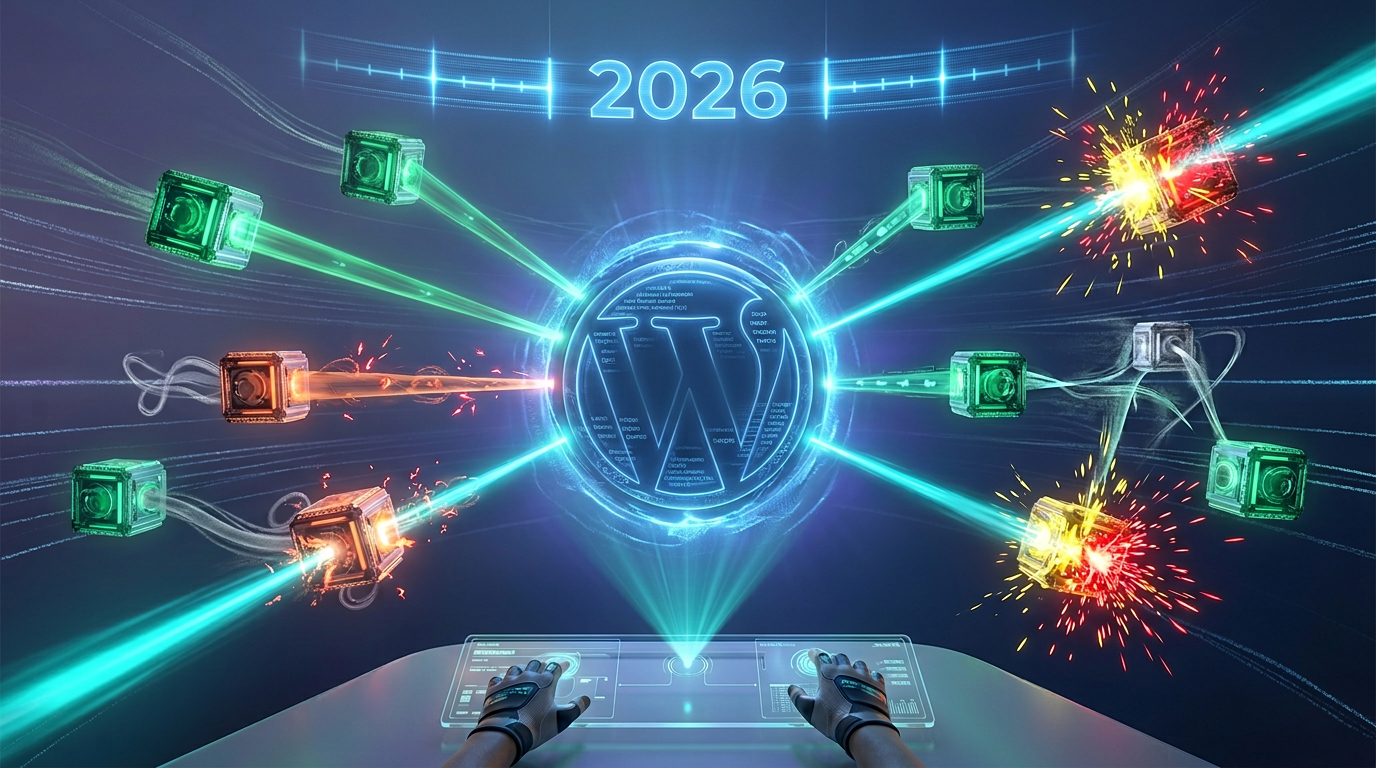
The Silent Weavers: Unmasking WordPress Plugin Interoperability & Dependency Conflicts in 2026
In the dynamic landscape of web development, WordPress plugin interoperability is a foundational, yet often overlooked, aspect that dictates the stability and performance of millions of websites globally. As we navigate through 2026, the complexity of the WordPress ecosystem continues to grow, with new plugins emerging daily. Understanding how these diverse components interact – or fail to interact – is crucial for any WordPress site administrator aiming for a secure, stable, and high-performing online presence. This article dives deep into the intricate world of plugin interactions, illuminating potential pitfalls and offering best practices for achieving optimal WordPress plugin interoperability.
The Core Concept of WordPress Plugin Interoperability
At its heart, WordPress plugin interoperability refers to the ability of two or more plugins to function correctly and harmoniously on the same WordPress installation without causing conflicts or errors. This goes beyond simple co-existence; it implies a seamless collaboration where each plugin enhances the site's functionality without detrimental side effects on others. Achieving this ideal state is a constant challenge due to the open-source nature of WordPress and the diverse development practices of various plugin authors.
As websites grow in complexity, integrating multiple functionalities becomes standard. From e-commerce capabilities provided by WooCommerce to sophisticated SEO tools like Yoast SEO or Rank Math, plugins rarely operate in isolation. Their ability to "play well together" directly impacts the user experience and the site's overall health in 2026, making robust WordPress plugin interoperability essential.
Why Interoperability Matters More Than Ever in 2026
- Enhanced User Experience: A site free of conflicts loads faster and functions predictably.
- Improved Security Posture: Incompatible plugins can create unforeseen vulnerabilities. For a deeper dive into security, consider monitoring real-time cyber attacks with WordPress security plugins.
- Reduced Downtime: Conflict resolution takes time and resources, leading to potential site outages.
- Optimized Performance: Well-interoperating plugins contribute to a streamlined, efficient website.
- Future-Proofing: Understanding and managing WordPress plugin interoperability helps in anticipating and mitigating issues with future WordPress core and plugin updates.
Unmasking Dependency Conflicts: A Major Threat to Plugin Harmony
One of the most common adversaries of smooth WordPress plugin interoperability is dependency conflict. Modern software development heavily relies on external libraries and frameworks to accelerate development and leverage existing solutions. Plugins are no exception, often bundling their own versions of common libraries such as jQuery, React, or custom PHP classes. When different plugins require different versions of the same library, or worse, include conflicting versions, a dependency conflict arises.
These conflicts can manifest in various ways: JavaScript errors in the console, functionality breaking down, or even the dreaded "white screen of death." Identifying the root cause can be a time-consuming and frustrating process, often requiring extensive debugging and disabling plugins one by one. Effective WordPress plugin interoperability strategies are key to preventing these issues.
Common Scenarios Leading to Dependency Conflicts
- Version Mismatch: Plugin A requires Library X version 1.0, while Plugin B loads Library X version 2.0.
- Conflicting Function/Class Names: Two plugins define functions or classes with identical names, leading to redeclaration errors.
- Incompatible WordPress Core Hooks: Plugins attempting to use or modify the same WordPress core hooks in conflicting ways.
- Outdated Libraries: A plugin uses an old, vulnerable, or incompatible version of a common library that conflicts with a newer version loaded by another plugin.
Developers are increasingly aware of these issues and often namespace their code or use techniques to prevent global variable pollution. However, with thousands of plugins available, not all adhere to these best practices, making an understanding of WordPress plugin interoperability essential for site owners.
Evaluating Plugin Functionalities and Risks for Better Interoperability
A proactive approach to managing WordPress plugin interoperability involves thoroughly evaluating plugins before integration. Beyond their advertised features, it's critical to look into their underlying architecture, development practices, and potential risks. This due diligence can save significant headaches down the line.
Key Evaluation Areas Before Installation:
- Security Vulnerabilities: Check for recent security audits, active development, and prompt patching of known vulnerabilities. Outdated or insecure plugins are a major risk in 2026. For insights into permissions, see unmasking excessive permissions in WordPress plugins.
- Performance Impact: Evaluate how a plugin might affect site speed. Plugins that add excessive requests, large scripts, or complex database queries can degrade performance. You can read more about how WordPress plugins bid for server resources.
- Code Quality: Look for well-structured, clear, and documented code. This often indicates a developer who prioritizes maintainability and compatibility, crucial for good WordPress plugin interoperability.
- Third-Party Dependencies: Understand what external libraries or services a plugin relies on. Are these dependencies actively maintained and secure?
- Excessive Permissions: Does the plugin request more permissions than seem necessary for its stated function? Over-privileged plugins can pose a security risk.
Reviews and support forums can offer valuable insights into common compatibility issues, but hands-on testing in a staging environment is the ultimate validator for WordPress plugin interoperability. For general best practices in plugin selection and maintenance, resources like WordPress.org's official guide on managing plugins can be very helpful.
Best Practices for Maintaining Secure & Stable WordPress Plugin Interoperability
Achieving ideal WordPress plugin interoperability is an ongoing process that requires vigilance and adherence to best practices. By following these guidelines, site administrators can significantly reduce the likelihood of conflicts and maintain a healthy WordPress environment in 2026.
Strategies for Proactive Conflict Avoidance and Resolution:
- Choose Reputable Plugins: Opt for plugins with high ratings, frequent updates, and good support from established developers.
- Keep Plugins Updated: Regular updates often include compatibility fixes, security patches, and performance improvements, enhancing WordPress plugin interoperability.
- Use a Staging Environment: Always test new plugins and updates in a cloning or staging environment before deploying to live production.
- Minimize Plugin Count: Every plugin adds potential complexity. Use only essential plugins, and remove any that are no longer needed.
- Regular Backups: Before any major plugin installations or updates, perform a full backup of your website.
- Monitor Error Logs: Keep an eye on your WordPress debug log and server error logs. These can provide early warnings of subtle conflicts that affect WordPress plugin interoperability.
- Familiarize Yourself with Debugging Tools: Browser developer tools, tools like Query Monitor, and basic PHP debugging knowledge are invaluable for identifying conflicts. For more advanced debugging, developers might turn to resources such as PHP's official debugger documentation.
By implementing these strategies, you empower your website to thrive amidst the ever-evolving WordPress ecosystem, ensuring seamless functionality and a robust user experience, showcasing excellent WordPress plugin interoperability.
The Future of WordPress Plugin Interoperability in 2026 and Beyond
The WordPress community is increasingly focused on enhancing core stability and encouraging better development practices to improve WordPress plugin interoperability. Initiatives like standardized coding guidelines, stronger API enforcement, and the ongoing shift towards modular, block-based development (Gutenberg) aim to mitigate many of the traditional conflict points. Developers are also adopting modern dependency management tools and techniques to reduce version conflicts.
As we look deeper into 2026, we can anticipate more sophisticated tools within WordPress itself to help detect and even suggest resolutions for compatibility issues. The goal remains to create an environment where the vast flexibility offered by plugins doesn't come at the cost of stability or security, making the web a better place for everyone, and ensuring robust WordPress plugin interoperability for years to come.
Frequently Asked Questions

Written by Aras Akıncılar
Uzun yıllara dayanan WordPress deneyimine sahip bir siber güvenlik uzmanı olarak, eklenti ekosisteminin derinlemesine analizine odaklanıyorum. Güvenlik açıkları, performans düşüşleri ve uyumluluk sorunları üzerine hazırladığım makalelerle, WordPress kullanıcılarının sitelerini daha güvenli ve verimli hale getirmelerine yardımcı olmayı hedefliyorum.