WordPress Time-Sensitive Plugins: Unmasking Dependencies & Calendar Drift
In the dynamic landscape of web development, WordPress time-sensitive plugins play a crucial role in enabling various functionalities, from scheduling posts to managing event calendars and offering limited-time promotions. These plugins, by their very nature, heavily rely on accurate timekeeping and often incorporate complex logic tied to specific dates, times, and intervals. However, this dependence introduces a unique set of challenges, including calendar drift, silent failures, and dependencies on external services that can lead to unforeseen issues. This comprehensive guide, updated for 2026, delves into the intricacies of these chronometer-like components within WordPress, providing insights into their functionalities, potential risks, and best practices for their management.
Understanding the Mechanics of WordPress Time-Sensitive Plugins
WordPress time-sensitive plugins are extensions designed to execute actions or display content based on specific temporal parameters. Their core functionality revolves around the system clock, configured timezones, and often, dynamic date calculations. From e-commerce countdown timers to membership expiration dates, these plugins are integral to many WordPress sites.
The reliability of these WordPress time-sensitive plugins is paramount. A small discrepancy in time or a miscalculation can lead to significant operational failures, affecting user experience, revenue, and data integrity. As we move into 2026, the reliance on such precise timing continues to grow, making their careful selection and maintenance more critical than ever.
Common Applications of Time-Dependent Functionality
- Event Management: Displaying upcoming events, managing registrations, and scheduling reminders.
- E-commerce Promotions: Implementing limited-time sales, flash deals, and coupon expiration dates.
- Content Scheduling: Publishing posts at specific times, archiving old content, or rotating featured items.
- Membership Sites: Granting or revoking access based on subscription start and end dates.
- Automated Tasks: Running daily backups, sending scheduled emails, or performing database optimizations.
How Calendar Drift Impacts WordPress Time-Sensitive Plugins
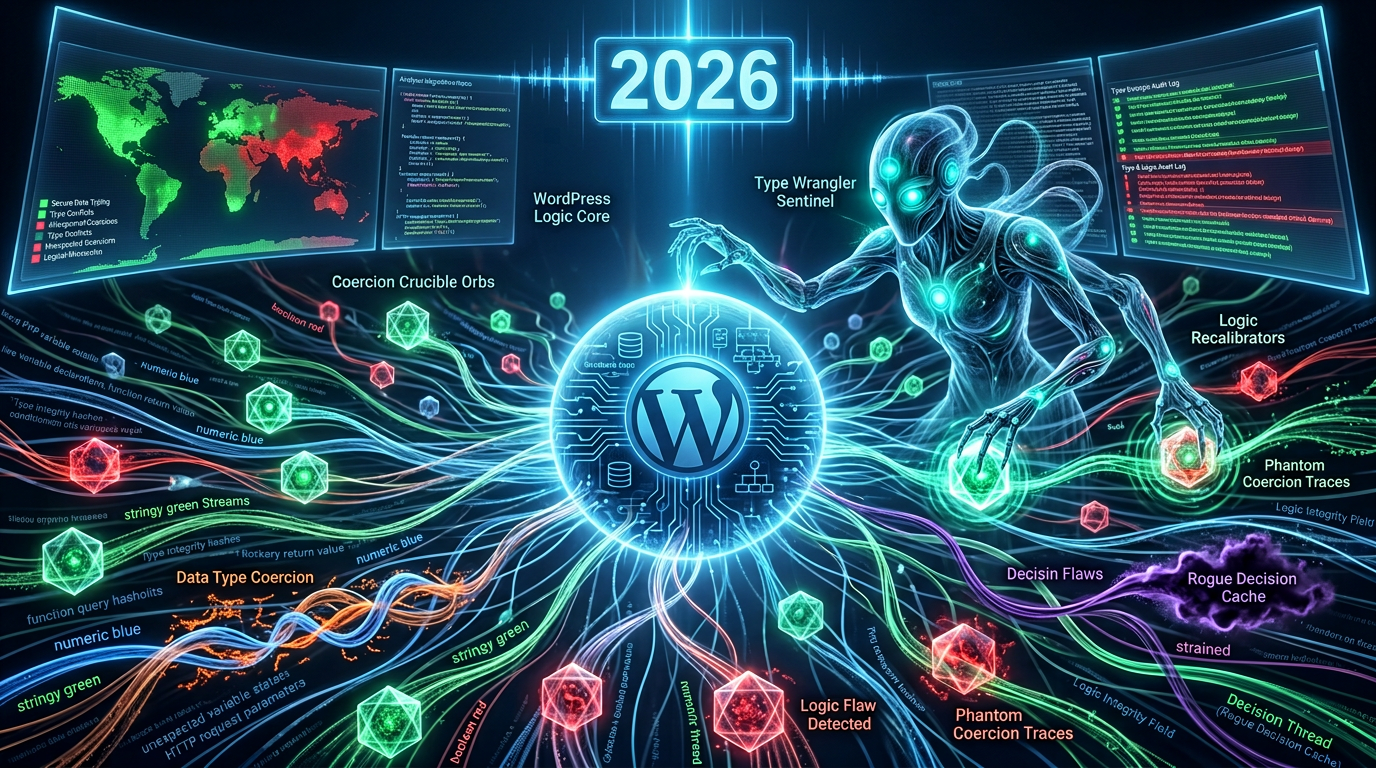
Calendar drift, a subtle but dangerous phenomenon, refers to the discrepancies that can arise in time calculations due to various factors. These can include server time misconfigurations, timezone differences, daylight saving adjustments, and even bugs within the plugin's date-handling logic. For WordPress time-sensitive plugins, this drift can manifest in several ways:
- Incorrect Event Times: Events appearing to start or end at the wrong time, leading to confusion.
- Failed Promotions: Countdown timers displaying incorrect values, potentially extending or cutting short a sale prematurely.
- Content Publication Errors: Posts publishing too early or too late, disrupting content schedules.
- Membership Access Issues: Users gaining or losing access at the wrong time, causing customer service incidents.
Addressing calendar drift requires a thorough understanding of the plugin's internal workings and how it interacts with the WordPress core and the server environment. Regular monitoring and testing are essential to catch these subtle shifts before they create significant problems, especially for critical WordPress time-sensitive plugins.
Identifying Potential Risks with WordPress Time-Sensitive Plugins
While invaluable, WordPress time-sensitive plugins introduce several risks beyond just calendar drift. These include security vulnerabilities, performance bottlenecks, and compatibility issues, all of which can severely impact a website's stability and security.
In 2026, the threat landscape continues to evolve, making it imperative for website administrators to be vigilant about the plugins they choose and how they are maintained. Outdated code, insecure configurations, and excessive permissions are common culprits that transform a useful plugin into a potential liability. This necessitates a focus on supply chain integrity in WordPress plugins.
Security Vulnerabilities in Time-Dependent Logic
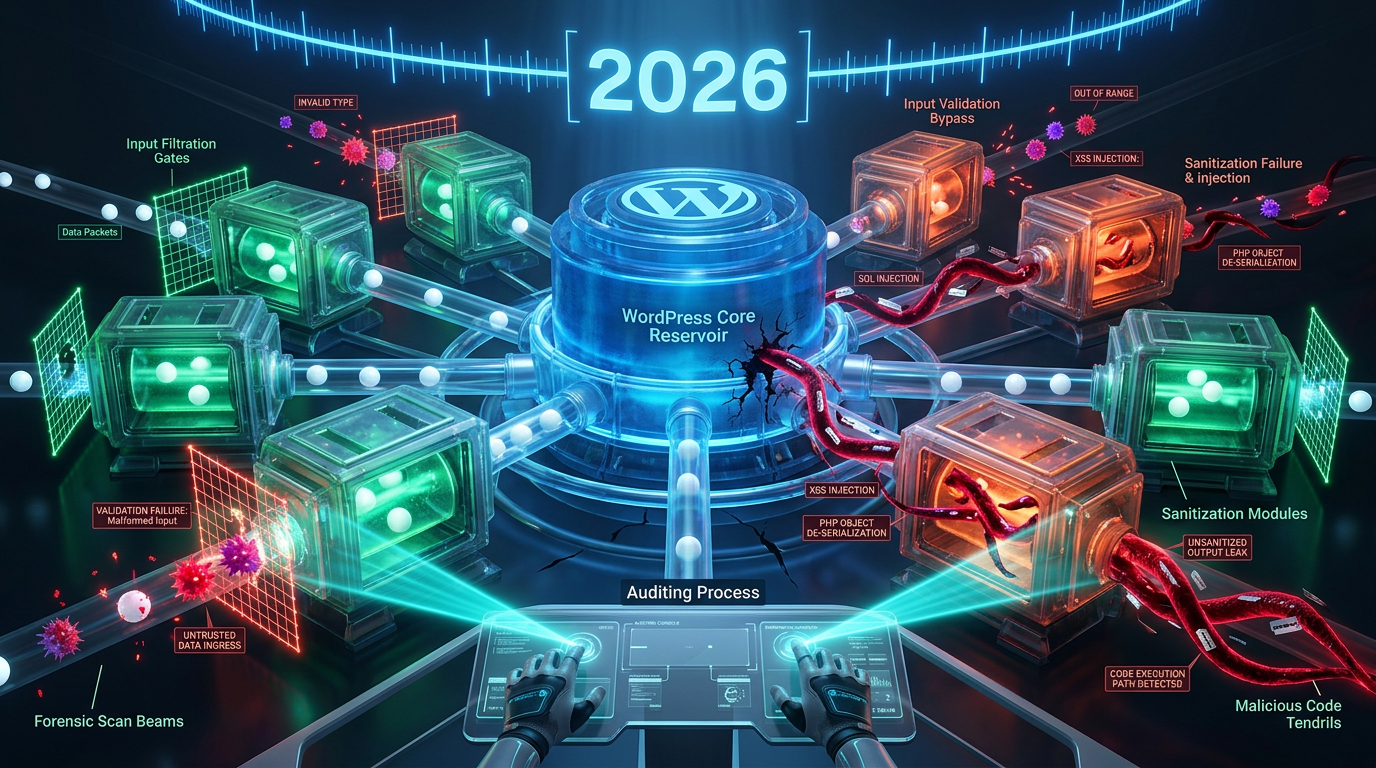
The reliance on time-based parameters can be exploited by malicious actors if the plugin's code isn't robustly secured. For instance, if a plugin doesn't properly sanitize user-submitted time data, it could be vulnerable to injection attacks. Furthermore, if the plugin uses external time services without proper validation, it could be susceptible to manipulation.
Common security risks for WordPress time-sensitive plugins include:
- Time-Based SQL Injection: Manipulating time inputs to extract information from the database.
- Logic Flaws: Exploiting timing differences to bypass security checks or gain unauthorized access.
- Insecure API Calls: If the plugin fetches time from external APIs without proper authentication or validation, it could be compromised.
Performance Implications of Complex Time Calculations
Complex date and time calculations, especially when performed frequently or on every page load, can significantly impact website performance. This is particularly true for WordPress time-sensitive plugins that query large datasets based on time criteria or execute resource-intensive cron jobs. A slow-loading website, especially in 2026 where user expectations for speed are higher than ever, can lead to increased bounce rates and lower search engine rankings.
To mitigate performance issues, consider plugins that:
- Cache time-sensitive data where appropriate.
- Utilize efficient database queries for time-based lookups.
- Offload heavy calculations to background processes or external services.
Compatibility Challenges and Third-Party Dependencies
WordPress time-sensitive plugins often rely on other plugins, themes, or external libraries to function correctly. This web of dependencies can lead to compatibility issues when one component is updated, or another falls out of date. Furthermore, reliance on third-party time APIs or external services introduces a single point of failure; if the external service experiences downtime, the plugin's functionality could be severely impacted. Understanding runtime instrumentation and code profiling risks is also crucial here.
Before installing any new plugin, especially those with critical time-based functions, always check for:
- Known compatibility issues with your current WordPress version, theme, and other essential plugins.
- Active development and support from the plugin author to ensure timely updates and bug fixes.
- Clear documentation regarding its dependencies and how it handles external service failures.
Best Practices for Managing WordPress Time-Sensitive Plugins in 2026
Given the critical role and potential risks associated with WordPress time-sensitive plugins, adopting a proactive and informed approach to their management is essential. By following best practices, you can minimize vulnerabilities, enhance performance, and ensure the accurate functioning of your time-dependent website features.
Regular Audits and Updates
Outdated plugins are a leading cause of security breaches and compatibility problems. Regularly auditing your installed plugins to identify those that are no longer supported or haven't been updated recently is crucial. For WordPress time-sensitive plugins, staying current with updates is even more critical, as these often include fixes for time calculation errors, security vulnerabilities, and performance improvements.
- Schedule monthly plugin audits: Review all installed plugins, checking their last update date and compatibility with the latest WordPress version.
- Enable automatic updates (with caution): For less critical plugins, consider enabling automatic updates. For critical WordPress time-sensitive plugins, test updates in a staging environment first.
- Remove unused plugins: Deactivate and delete any plugins that are no longer in use to reduce attack surface and improve performance.
Robust Testing and Monitoring for WordPress Time-Sensitive Plugins
Before deploying any WordPress time-sensitive plugins to a live environment, thorough testing is non-negotiable. This involves setting up a staging environment that mirrors your production site and testing all time-dependent functionalities under various scenarios, including different timezones and daylight saving transitions. Post-deployment, continuous monitoring is vital to detect any calendar drift or unexpected behavior. This vigilance is similar to the importance of auditing for temporal side-channel attacks.
Key testing and monitoring strategies:
- Staging environment testing: Always test new plugins and updates in a non-production environment.
- Timezone adjustments: Test how the plugin behaves when the server's timezone or WordPress's timezone settings are changed.
- Daylight Saving Time (DST) changes: Ensure the plugin correctly adjusts during DST transitions.
- Automated monitoring tools: Utilize uptime monitoring services and error logging to quickly identify issues.
Secure Configuration and Server Time Synchronization
A significant factor in the reliable operation of WordPress time-sensitive plugins is the accuracy of the server's time. Ensuring your web server is synchronized with a reliable NTP (Network Time Protocol) server is fundamental. Additionally, configure WordPress's timezone settings correctly, aligning them with your target audience or primary operational zone.
- Verify NTP synchronization: Confirm your hosting provider ensures accurate server time synchronization. If managing your own server, configure NTP.
- Match WordPress timezone: Set the correct timezone in WordPress's General Settings to align with your operational needs.
- Least privilege principle: Configure plugins with the minimum necessary permissions to perform their functions, reducing potential attack vectors.
The Future of Time-Dependent Functionality in WordPress (2026)
As WordPress continues to evolve, so too will the sophistication of WordPress time-sensitive plugins. We can expect to see advancements in how these plugins handle time, leveraging more robust API integrations, AI-powered scheduling, and enhanced security features. The trend in 2026 points towards greater automation, predictive scheduling, and more resilient systems that can self-correct for minor discrepancies, minimizing the risk of calendar drift.
However, with increased complexity comes a greater need for vigilance. Developers will be challenged to build more secure and efficient time-sensitive solutions, while site administrators must remain informed and proactive in their plugin management strategies. The silent chronometer, though ever-present, demands our continuous attention to ensure its accurate and secure operation.
Emerging Trends in Time-Sensitive Plugin Development
- AI-driven scheduling: Plugins using AI to optimize event timing, content publication, and promotional campaigns based on user behavior and peak engagement times.
- Blockchain-based time stamping: Exploring decentralized time sources for enhanced security and immutability of time-sensitive records. For further reading, explore What is Blockchain Technology?
- Microservices architecture: Breaking down complex time-dependent functionalities into smaller, independent services, improving resilience and scalability. Learn more about microservices architecture.
- Advanced anomaly detection: Leveraging machine learning to identify and alert administrators about subtle time discrepancies or potential calendar drift before they become critical issues.
The journey with WordPress time-sensitive plugins is an ongoing one, requiring continuous learning and adaptation. By understanding their nuances and adhering to best practices, WordPress users can harness their power to create dynamic, engaging, and precisely timed online experiences.
Frequently Asked Questions

Written by Aras Akıncılar
Uzun yıllara dayanan WordPress deneyimine sahip bir siber güvenlik uzmanı olarak, eklenti ekosisteminin derinlemesine analizine odaklanıyorum. Güvenlik açıkları, performans düşüşleri ve uyumluluk sorunları üzerine hazırladığım makalelerle, WordPress kullanıcılarının sitelerini daha güvenli ve verimli hale getirmelerine yardımcı olmayı hedefliyorum.