The Silent Compilers: Unmasking Just-In-Time Compilation & WordPress Plugin Runtime Code Generation Risks (2026)
In the evolving landscape of web development, the dynamism offered by technologies like WordPress plugin runtime code generation has opened up new avenues for functionality and customization. This powerful technique, often a cornerstone of Just-In-Time (JIT) compilation, allows plugins to create or modify their own code during execution, adapting to various scenarios without requiring a full redeployment. While this flexibility can lead to incredibly responsive and versatile solutions, it also introduces a unique set of challenges, particularly concerning security, performance, and maintainability within the robust WordPress ecosystem. As we navigate 2026, understanding the nuances of this approach is more critical than ever for maintaining secure and efficient WordPress websites. This guide delves into the intricacies of WordPress plugin runtime code generation, exploring its benefits, risks, and best practices.
Understanding Just-In-Time (JIT) Compilation and WordPress Plugin Runtime Code Generation
Just-In-Time (JIT) compilation is a method used by many modern programming language implementations to achieve higher execution speeds. Instead of compiling code entirely before execution (ahead-of-time compilation), a JIT compiler translates code into machine instructions during runtime, often optimizing it based on current execution patterns. This dynamic optimization can lead to significant performance gains, especially for frequently executed code paths.
When applied to WordPress plugins, runtime code generation takes this concept further. It enables plugins to construct and execute new code fragments on the fly. This could involve generating dynamic SQL queries, creating custom PHP functions based on user input, or even compiling template files for improved rendering performance. The core benefit lies in adaptability – a plugin can react to specific environmental conditions or user requests by generating tailor-made code. However, this flexibility comes with inherent complexities, especially concerning the security of WordPress plugin runtime code generation.
How JIT Compilation Impacts WordPress Plugin Performance
JIT compilation in the context of PHP (which powers WordPress) primarily comes through engines like Zend JIT, introduced in PHP 8+. This significantly boosts performance by transforming frequently executed PHP opcodes into native machine code. For WordPress plugins, this means that highly optimized and often-used routines can run much faster. Plugins that heavily rely on complex calculations or large data manipulations can observe considerable speed improvements, leading to a snappier user experience on the frontend and faster administrative tasks on the backend.
However, the overhead of the compilation process itself can sometimes outweigh the benefits for less frequently executed code. Developers need to strike a balance, understanding where JIT benefits are most pronounced and where simpler, pre-compiled approaches might be more efficient. The intelligent use of JIT by core PHP and its impact on a plugin's generated code is a crucial factor in overall site speed in 2026. For further insights into performance considerations, explore our analysis on how WordPress plugins remodel server-side rendering and Core Web Vitals in 2026.
Examples of Runtime Code Generation in Plugins
Several types of WordPress plugins might employ runtime code generation, either directly or indirectly:
- Page Builders and Custom Field Plugins: These often generate dynamic PHP or HTML/CSS code templates based on user drag-and-drop interfaces or configuration settings. For instance, a complex layout might be translated into optimized rendering code at runtime.
- Caching Plugins: Advanced caching solutions can generate specific cache files or even optimized PHP code to serve static content quickly, bypassing much of the standard WordPress execution flow.
- Security Plugins: Some security plugins might dynamically generate firewall rules or modify execution paths based on real-time threat detection, responding to novel attack vectors. Learn more about plugin influence on the future of web security protocols in 2026.
- E-commerce and Membership Plugins: Depending on product variations, membership tiers, or complex pricing rules, these plugins might generate specialized query logic or display functions to ensure accuracy and performance.
The common thread is the need for dynamic adaptation, where static, pre-defined code would be insufficient or overly complex to manage for all possible scenarios. This highlights the power and potential pitfalls of WordPress plugin runtime code generation.
The Double-Edged Sword: Benefits of WordPress Plugin Runtime Code Generation
While discussing the risks is essential, it's equally important to acknowledge the powerful advantages that WordPress plugin runtime code generation brings to the table. These benefits are often what drive developers to adopt such complex methodologies.
Enhanced Flexibility and Adaptability
The primary advantage of generating code at runtime is the unparalleled flexibility it offers. Plugins can adapt to a vast array of scenarios, user requirements, and environmental conditions without needing to be updated or redeployed. This means:
- Dynamic Functionality: Features can be tailored precisely to the current context, leading to highly optimized and relevant outputs.
- Reduced Boilerplate: Developers can write more abstract, generic code that generates specific implementations, reducing the need for extensive, often repetitive, hand-coded solutions for every possible variation.
- Rapid Prototyping: Ideas can be tested and iterated quickly by dynamically generating and executing code based on changing requirements.
Improved Performance Through Optimization
When implemented correctly, runtime code generation can lead to significant performance improvements. By generating code that is specifically optimized for a particular dataset, query, or display scenario, plugins can bypass inefficient general-purpose routines. For example, generating a highly specific SQL query based on user filters can be much faster than using a generic query with many conditional checks.
Furthermore, this approach can facilitate better utilization of JIT compilers available in modern PHP versions (e.g., PHP 8.x). The dynamically generated code can often be structured in a way that allows the JIT compiler to optimize it more effectively, resulting in faster execution times, especially for computational heavy tasks or complex rendering processes. This makes WordPress plugin runtime code generation a powerful tool for performance-driven development.
Potential Risks and Security Vulnerabilities in WordPress Plugin Runtime Code Generation
Despite its advantages, the power of WordPress plugin runtime code generation carries significant risks. The ability to create and execute code on the fly can be exploited if not handled with extreme care, making it a critical area of concern for cybersecurity professionals in 2026.
Code Injection and Execution Vulnerabilities
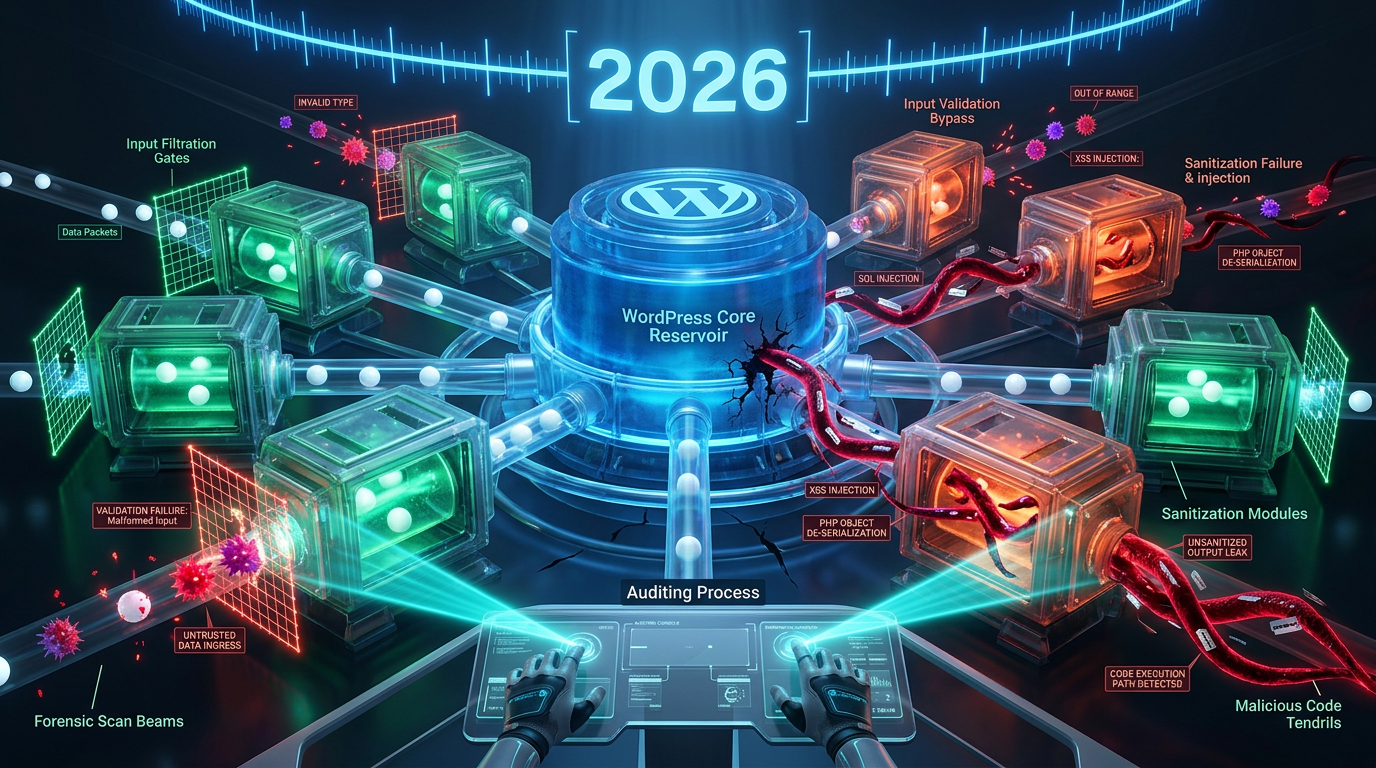
The most immediate and severe risk is code injection. If a plugin constructs code dynamically using unsanitized or improperly escaped user input, an attacker could inject malicious code into the generated output. This malicious code would then be executed by the server as part of the legitimate plugin functionality. This attack vector can lead to:
- Remote Code Execution (RCE): The attacker gains complete control over the WordPress server, allowing them to upload backdoors, steal data, deface the website, or launch further attacks.
- Database Manipulation: Malicious SQL commands could be injected into dynamically generated queries, leading to data loss, unauthorized access, or privilege escalation.
- Information Disclosure: Sensitive data, such as database credentials or API keys, could be extracted and exposed.
Even if not directly from user input, flaws in the code generation logic itself could inadvertently produce exploitable patterns, making robust validation and sanitization paramount. Further insights into securing data can be found in our article on how WordPress plugins are redefining data security and privacy in 2026. These vulnerabilities underscore the importance of secure WordPress plugin runtime code generation practices.
Performance Degradation and Resource Exhaustion
While runtime code generation can enhance performance, poorly implemented systems can lead to the opposite. The process of generating and compiling new code itself consumes system resources (CPU and memory). If this occurs too frequently, or if the generated code is inefficient, it can strain the server to its limits. This can manifest as:
- High CPU Usage: Constant code generation and JIT compilation cycles can monopolize processor time, slowing down other processes.
- Increased Memory Consumption: Storing and managing dynamically generated code, especially if not properly garbage-collected, can quickly exhaust available memory.
- Slow Page Load Times: The overhead of generation can add significant latency to requests, defeating the purpose of performance optimization.
Developers must carefully profile their plugins and ensure that the benefits of runtime generation outweigh the overheads associated with it. This is a common pitfall for plugins introducing dynamic functionality without adequate testing, impacting the overall efficiency of WordPress plugin runtime code generation.
Debugging and Maintainability Challenges
Debugging dynamically generated code is notoriously difficult. Standard debugging tools may struggle to provide insights into code that only exists during runtime and is constantly changing. This complicates:
- Bug Identification: Pinpointing the exact source of an error in generated code can be like chasing a ghost, as the responsible line of code might not exist in the source files.
- Patching and Updates: Fixing vulnerabilities or bugs in the generation logic requires a deep understanding of how the code is constructed, rather than just reading static code.
- Code Review: Security audits and code reviews become significantly more complex, as reviewers must analyze not just the static code, but also how it transforms user input and internal logic into executable instructions.
This complexity contributes to the overall risk profile, making it harder for both developers and auditors to ensure the integrity and security of the plugin, especially when dealing with advanced WordPress plugin runtime code generation.
Best Practices for Secure WordPress Plugin Runtime Code Generation (2026)
Mitigating the inherent risks of dynamic code generation requires a disciplined approach to development and security. Adhering to best practices is crucial for ensuring that plugins utilizing WordPress plugin runtime code generation remain secure and performant in 2026.
Strict Input Validation and Sanitization
This is arguably the most critical defense against code injection. All user input, and indeed all external data, that could influence code generation MUST be rigorously validated and sanitized. This includes:
- Whitelisting: Allow only known, safe input patterns. Reject everything else.
- Escaping: Ensure that any data inserted into dynamically generated code is properly escaped for the specific context (e.g., HTML escaping, SQL escaping, shell escaping) to prevent it from being interpreted as code.
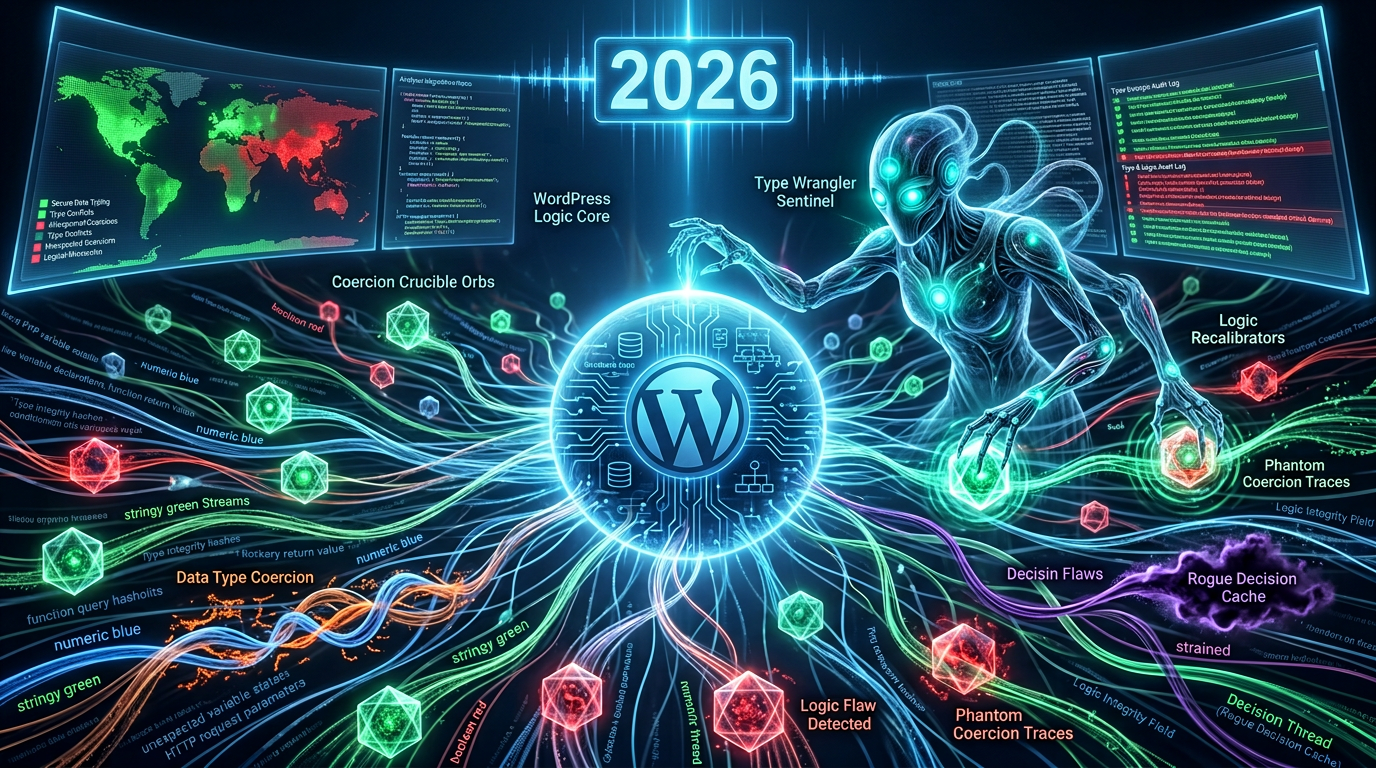
- Type Coercion: Explicitly cast variables to their expected types (e.g., integers, booleans) to prevent type juggling attacks.
- Using Prepared Statements for SQL: When dynamically generating SQL, always use WordPress's
$wpdb->prepare()or similar functions that separate data from query structure.
Never trust any input. Assume it is malicious until proven otherwise. This paranoid approach is essential when dealing with WordPress plugin runtime code generation. For more on securing user input, reference our guide on how WordPress plugins remold user input and form security in 2026.
Principle of Least Privilege and Sandboxing
Plugins should operate with the lowest possible privileges required for their functionality. This principle extends to runtime generated code:
- Limited File System Access: If a plugin generates files, ensure it only writes to designated, non-executable directories.
- PHP Configuration: Leverage PHP's security features like
disable_functionsoropen_basedirto restrict what dynamically generated code can do. - Sandboxing Environments: Consider executing highly sensitive dynamic code within isolated environments (if feasible within WordPress) to contain potential breaches. This might involve custom execution contexts or even containerization for external processing.
The fewer capabilities an exploited generated code segment has, the less damage it can inflict on the WordPress installation. Implementing these measures is vital for secure WordPress plugin runtime code generation.
Thorough Testing and Code Audits
Given the complexity, comprehensive testing and regular security audits are paramount. This should go beyond typical unit tests and include:
- Fuzz Testing: Provide unexpected and malformed inputs to the plugin to see how its code generation logic reacts.
- Static Application Security Testing (SAST): While challenging for dynamically generated code, SAST tools can analyze the static generation logic for common vulnerabilities.
- Dynamic Application Security Testing (DAST): Actively test the running plugin by simulating attacks, including code injection attempts against generated code endpoints.
- Manual Code Review: Experienced security auditors should review the code generation logic, paying close attention to how external input influences the final executable code.
Regular security audits from professional WordPress security firms are highly recommended for any plugin that utilizes significant WordPress plugin runtime code generation. You can find valuable insights on such audits with Wordfence's WordPress security audit guide.
The Future of Dynamic Code Generation in WordPress (2026 and Beyond)
As we look forward from 2026, the intersection of dynamic code generation and WordPress will undoubtedly continue to evolve. The demand for highly customizable and performant websites remains strong, pushing developers to explore sophisticated techniques. However, the lessons learned regarding security and stability will guide future innovations.
Emerging Technologies and Standards
New technologies and proposed standards aim to provide safer and more controlled ways to achieve dynamic functionality:
- WebAssembly (Wasm): While currently more prevalent on the client-side, the potential for server-side Wasm offers a sandboxed, high-performance alternative for executing complex logic. This could provide a safer environment for certain types of generated code, isolating it from the main PHP execution context.
- Improved PHP JIT Capabilities: Future PHP versions will likely continue to refine their JIT compilers, potentially offering more control and insights into generated code optimization, which could indirectly benefit plugins.
- Standardization Initiatives: The wider web development community is constantly working on security standards and best practices that can be adapted to the WordPress ecosystem, including those related to secure parsing and execution of dynamic content. Refer to the OWASP Code Injection page for general best practices.
The focus will likely shift towards "safe" dynamic generation, where the runtime environment itself enforces boundaries and reduces attack surfaces, further enhancing WordPress plugin runtime code generation.
Balancing Innovation with Security in WordPress Plugin Runtime Code Generation
The core challenge for WordPress plugin developers using runtime code generation will always be to balance innovative functionality with robust security. The allure of dynamic adaptability is powerful, but it must not come at the cost of website integrity. As the WordPress core becomes more secure, the weakest links often become third-party plugins, making their development practices even more critical.
Education, adherence to security best practices, and a commitment to ongoing vigilance will be key. Site administrators should prioritize plugins from reputable developers who demonstrate a clear understanding of these risks and implement strong security measures. For developers, investing in security expertise and thorough testing will ensure that their sophisticated dynamic solutions are assets, not liabilities, in the ever-changing digital landscape of 2026 and beyond. Secure WordPress plugin runtime code generation is paramount for a thriving ecosystem.
Frequently Asked Questions

Written by Aras Akıncılar
Uzun yıllara dayanan WordPress deneyimine sahip bir siber güvenlik uzmanı olarak, eklenti ekosisteminin derinlemesine analizine odaklanıyorum. Güvenlik açıkları, performans düşüşleri ve uyumluluk sorunları üzerine hazırladığım makalelerle, WordPress kullanıcılarının sitelerini daha güvenli ve verimli hale getirmelerine yardımcı olmayı hedefliyorum.