The Silent Conductors: How WordPress Plugins Are Remodelling Client-Side Resource Management & Performance in 2026
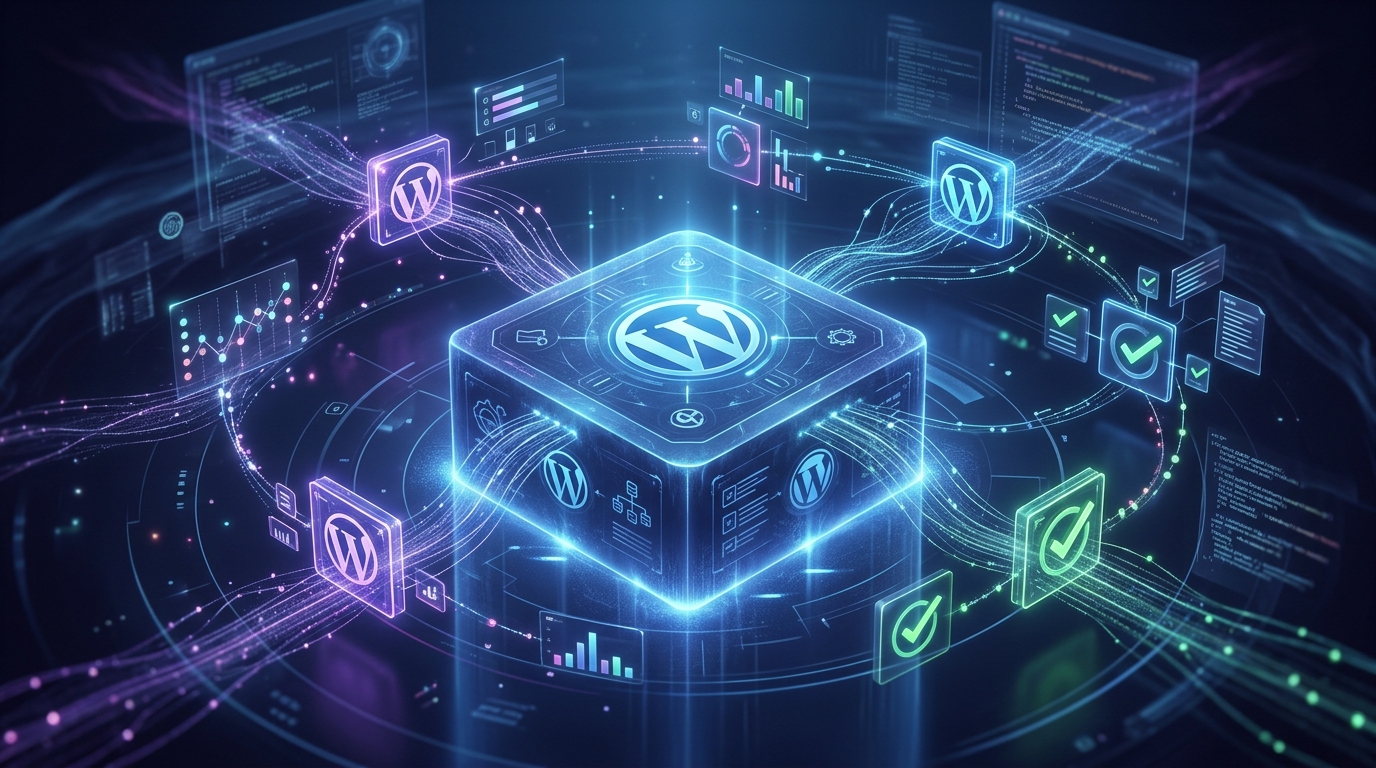
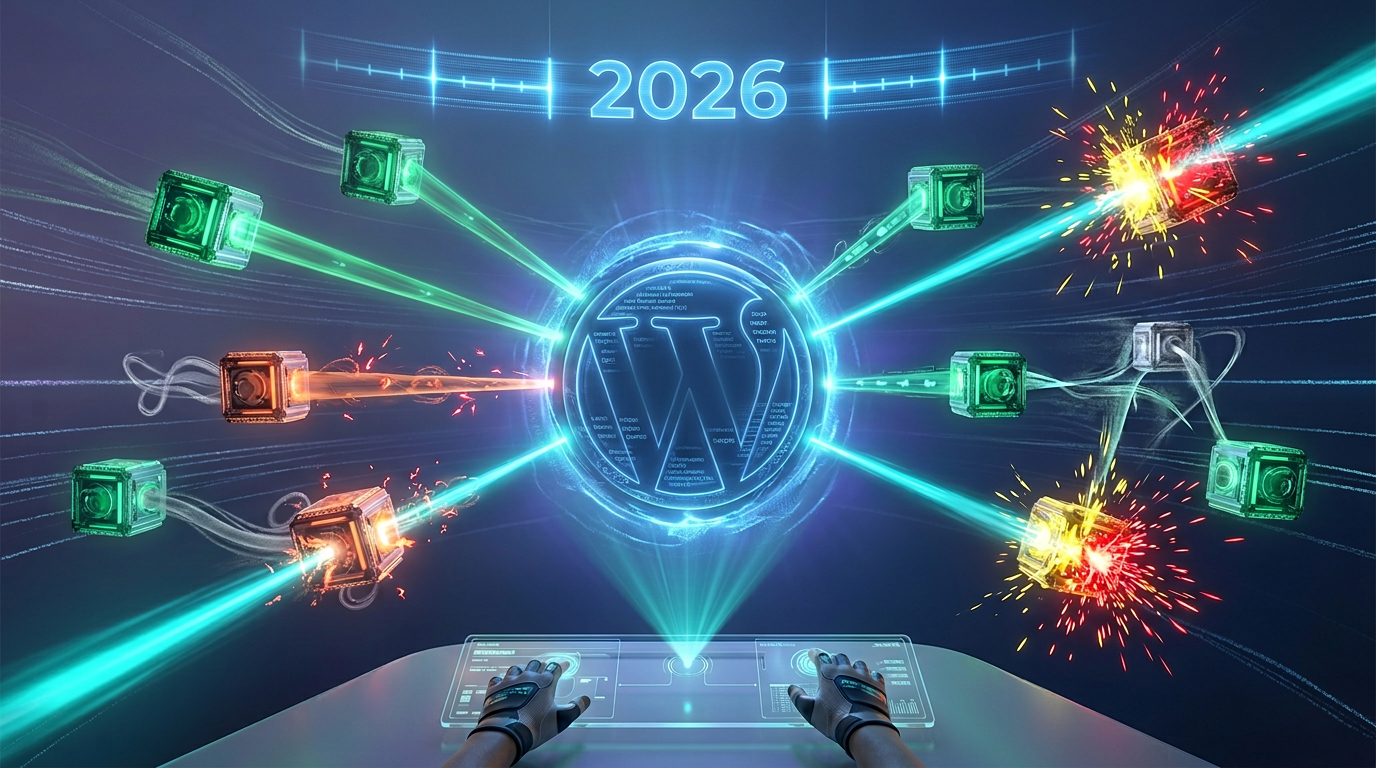
In the dynamic landscape of web development, optimizing website performance is paramount. A crucial aspect of this optimization, particularly for WordPress sites, revolves around effective WordPress plugin resource management. As we navigate 2026, the sophisticated interplay between plugins and client-side resources has become more complex than ever, influencing everything from page load times to user experience and SEO rankings. This article delves into how WordPress plugins are silently conducting and, in many cases, remodelling the way resources are handled, along with the inherent challenges and best practices.
Understanding WordPress Plugin Resource Management in a Modern Context
The ubiquity of WordPress means that its ecosystem of plugins is vast and continually evolving. Each plugin, while adding valuable functionality, also introduces its own set of scripts, stylesheets, and sometimes even fonts or images. Efficient WordPress plugin resource management is about harmonizing these diverse elements to ensure they don't impede the website's overall performance.
Client-side resources are those that are processed by the user's browser, such as JavaScript files, CSS stylesheets, images, and fonts. Improper handling of these resources can lead to slow loading times, increased server requests, and a suboptimal user experience. In 2026, with higher user expectations for speed and responsiveness, proactive resource management is no longer optional.
The Impact of Plugin Bloat on Performance
- Increased HTTP Requests: Each additional script or stylesheet requires a separate HTTP request, slowing down page rendering.
- Larger Page Sizes: Unoptimized assets from numerous plugins contribute to heavier pages, especially on mobile networks.
- Render-Blocking Resources: Some plugin scripts and styles can prevent the browser from rendering the page until they are fully loaded, leading to perceived slowness.
- JavaScript Execution Times: Complex or poorly written plugin JavaScript can hog the main thread, causing jank and unresponsiveness.
Identifying Performance Bottlenecks: A Key to Effective WordPress Plugin Resource Management
Before optimizing, it's essential to identify exactly where performance issues stem from. Modern developer tools and specialized plugins offer invaluable insights into resource loading and execution. Understanding these reports is the first step towards better WordPress plugin resource management.
Tools like Google PageSpeed Insights, GTmetrix, and WebPageTest provide detailed breakdowns of resource load times, identifying render-blocking resources, large files, and excessive network requests. These insights help site administrators pinpoint specific plugins that might be contributing to performance degradation. For further reading on analyzing plugin-related risks, consider "The Silent Chronographers: Auditing WordPress Plugins for Emerging Time-Series Data & Predictive Analytics Risks in 2026".
Common Plugin-Related Threats to Performance
While plugins offer immense utility, they also introduce potential risks if not managed carefully:
- Outdated Code: Plugins not regularly updated can contain inefficient code that impacts performance or, worse, security vulnerabilities.
- Insecure Configurations: Poorly configured plugins can expose resources unnecessarily or create inefficiencies.
- Excessive Permissions: Plugins requesting more permissions than necessary can potentially interfere with other aspects of the site.
- Third-Party Dependencies: Relying on external libraries or CDNs through plugins introduces additional network requests and potential points of failure. For a deeper dive into how plugins affect digital footprints, see "The Silent Cartographers: Unmasking Digital Footprints & Invisible Tracking in WordPress Plugins (2026)".
Strategies for Optimizing Client-Side Resource Management with WordPress Plugins
Effective WordPress plugin resource management involves a multi-faceted approach. It's about making informed choices about which plugins to use, how to configure them, and employing tools to streamline their output.
Plugin Selection and Auditing
The first line of defense is careful plugin selection. Prioritize plugins that are:
- Actively maintained and regularly updated.
- Developed with performance in mind (check reviews and documentation for mentions of lightweight code or optimization features).
- Only installed if their functionality is truly indispensable.
Regularly audit your installed plugins. If a plugin is no longer needed, deactivate and delete it. Even inactive plugins can sometimes introduce overhead or security risks.
Minification and Compression
Minifying CSS, JavaScript, and HTML files removes unnecessary characters (like whitespace and comments) without changing functionality, leading to smaller file sizes. GZIP compression further reduces the transfer size of these files. Many caching plugins offer these functionalities built-in, simplifying WordPress plugin resource management.
Asset Deregistering and Conditional Loading
Often, plugins load scripts and styles on every page, even if they are only needed on specific pages. Advanced optimization plugins or custom code snippets can be used to:
- Deregister Unused Assets: Prevent certain plugin scripts or styles from loading on pages where they aren't required.
- Conditional Loading: Load assets only when specific conditions are met (e.g., a contact form script only on the contact page).
Lazy Loading and Image Optimization
Images are frequently the heaviest elements on a webpage. Implementing lazy loading ensures that images only load when they enter the user's viewport, significantly improving initial page load times. Furthermore, optimizing image sizes and formats (e.g., using WebP) before uploading, or using plugins that compress images on demand, are vital. This is crucial for comprehensive WordPress plugin resource management as many plugins are image-heavy.
Leveraging Caching
Caching is foundational to WordPress performance. Page caching stores static versions of your pages, reducing server processing time. Object caching and browser caching further enhance performance by storing database query results and static assets respectively. Selecting a robust caching plugin is one of the most impactful decisions for overall site speed.
The Future of WordPress Plugin Resource Management in 2026
As we advance into 2026, the focus on performance within the WordPress ecosystem is intensifying. Core Web Vitals continue to be a significant ranking factor, pushing developers and site owners to prioritize speed and user experience. We anticipate further advancements in:
- Smarter Plugin Architecture: Plugins will increasingly adopt modular designs, allowing users to enable only the components they need.
- AI-Powered Optimizations: Tools may emerge that automatically detect and recommend optimal resource loading strategies based on user behavior and content. Find out more about this in "The Silent Augmenters: How WordPress Plugins Are Leveraging In-Browser AI for Real-time Content Augmentation in 2026".
- Core WordPress Enhancements: The WordPress core itself is likely to integrate more robust features for asset handling and performance, further aiding WordPress plugin resource management.
- Standardization of Performance Best Practices: A stronger emphasis on adherence to performance guidelines during plugin development and review processes.
Ultimately, the goal is to strike a balance between rich functionality and lightning-fast performance. Website owners who proactively engage in effective WordPress plugin resource management will be better positioned to attract and retain visitors in the competitive digital landscape of 2026.
Frequently Asked Questions

Written by Aras Akıncılar
Uzun yıllara dayanan WordPress deneyimine sahip bir siber güvenlik uzmanı olarak, eklenti ekosisteminin derinlemesine analizine odaklanıyorum. Güvenlik açıkları, performans düşüşleri ve uyumluluk sorunları üzerine hazırladığım makalelerle, WordPress kullanıcılarının sitelerini daha güvenli ve verimli hale getirmelerine yardımcı olmayı hedefliyorum.