The Silent Epigraphers: Unmasking Digital Annotation & Semantic Markup Risks in WordPress Plugins (2026) – A Deep Dive into WordPress Plugin Security
In the evolving digital landscape of 2026, understanding WordPress plugin security is more critical than ever. As websites become increasingly sophisticated, incorporating advanced features like digital annotation and semantic markup, the plugins enabling these functionalities introduce new vectors for potential security risks. This comprehensive guide will dissect the vulnerabilities associated with these powerful tools, offering practical insights and best practices to safeguard your WordPress installation from exploitation.
For more insights into how plugins are shaping the web experience, consider exploring topics like adaptive rendering and progressive hydration or how they are orchestrating advanced haptic feedback.
The Evolving Threat Landscape for WordPress Plugin Security
The ubiquity of WordPress, powering over 43% of all websites, makes it a prime target for malicious actors. While plugins extend its functionality exponentially, they also represent the most significant attack surface. In 2026, the complexity introduced by features such as digital annotation and semantic markup adds layers of potential vulnerabilities that require careful scrutiny.
Security researchers constantly uncover new flaws, and staying informed is key. Outdated plugins, insecure configurations, and excessive permissions remain perennial concerns for website administrators. The rise of sophisticated cyberattacks means that even well-intentioned plugins can harbor hidden dangers. For a broader perspective on plugin security, you might also be interested in how WordPress plugins navigate digital zoning and regulatory compliance.
Understanding Digital Annotation and Its Security Implications
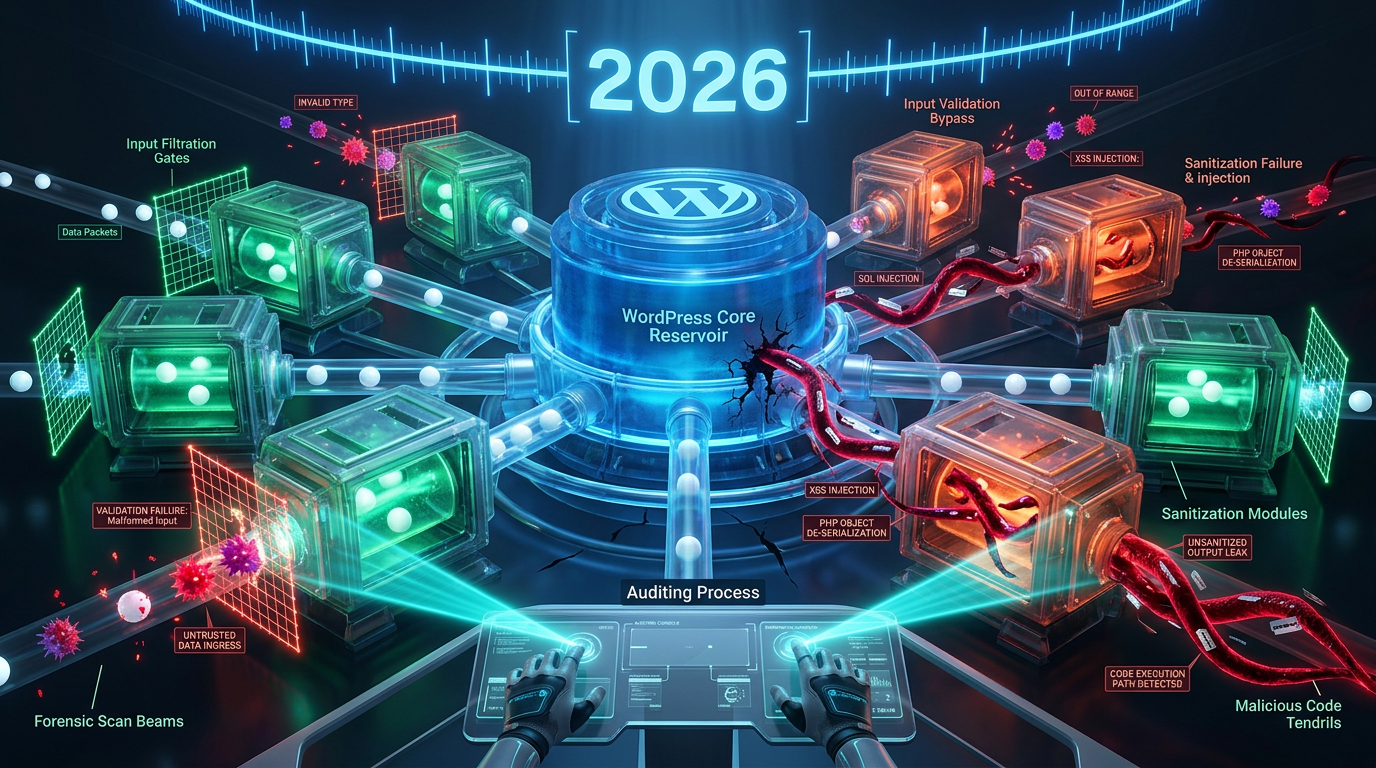
Digital annotation plugins allow users to highlight, comment, and add notes directly onto web content. This functionality enhances collaboration and interaction, but it also opens doors for malicious input and Cross-Site Scripting (XSS) attacks. If not properly sanitized, user-generated annotations can inject harmful scripts into your website.
- Input Validation Failures: A primary concern is insufficient validation of user-submitted annotations. Malicious code masquerading as legitimate content can be stored in the database and executed when viewed by other users.
- Access Control Loopholes: Poorly implemented access controls might allow unauthorized users to modify or delete annotations, or even inject content that impersonates administrators.
- Data Exposure: Depending on the implementation, annotation data might inadvertently expose sensitive user information if not handled with robust privacy measures.
Semantic Markup Plugins: Risks Beyond SEO Benefits
Semantic markup plugins enhance your website's search engine visibility by adding structured data (like Schema.org markup) to your content. While invaluable for SEO, these plugins can introduce vulnerabilities if not developed with security in mind. The OWASP Top 10 consistently highlights common web application security risks that are relevant here. Improper implementation can lead to data manipulation, injection attacks, and even denial-of-service.
- Insecure Data Handling: If semantic markup plugins directly process user input without proper sanitization, they could be vulnerable to various injection attacks, including SQL injection or XPath injection.
- XML External Entity (XXE) Vulnerabilities: Plugins that parse XML data for semantic markup can potentially be susceptible to XXE attacks, allowing attackers to access local files or execute code.
- Privilege Escalation Risks: Flaws in how these plugins interact with WordPress core or other plugins could be exploited to gain elevated privileges on the system.
Common Plugin-Related Threats to WordPress Plugin Security
Beyond the specific risks of annotation and semantic markup, several general categories of threats continue to plague the WordPress ecosystem in 2026. Addressing these fundamentals is paramount for bolstering your overall WordPress plugin security posture.
Neglecting these common vulnerabilities can quickly compromise an otherwise secure website. Regular audits and updates are not just recommendations; they are essential security practices in the current threat landscape. Delving into the risks associated with digital identity and authentication in WordPress plugins also sheds light on broader security considerations.
Outdated Code and Lack of Maintenance
One of the most persistent threats stems from using outdated plugins. Developers often release security patches for newly discovered vulnerabilities, and failing to update means leaving your site exposed. Unmaintained plugins, where developers have abandoned support, are even more dangerous as no future patches will be issued. The official WordPress News portal frequently announces security updates and best practices.
- Unpatched Vulnerabilities: Attackers actively scan for websites running older versions of popular plugins known to have security flaws.
- Compatibility Issues: Outdated plugins can also create conflicts with current WordPress versions or other plugins, leading to site instability or unexpected behavior that could mask security issues.
- Dependency Exploits: If a plugin relies on third-party libraries, and those libraries are outdated and vulnerable, the plugin inherits those weaknesses. Consider the implications of semantic versioning and dependency resolution in plugins.
Insecure Configurations and Excessive Permissions
Many plugins, especially those offering broad functionality, might request extensive permissions. Granting these permissions without understanding the implications can be dangerous. Additionally, default insecure configurations are often overlooked by website owners.
- "All Privileges" Temptation: Avoid plugins that demand administrative access or file modification privileges beyond what's genuinely necessary for their stated function.
- Debugging Modes: Ensure debugging modes are disabled in production environments. These can expose sensitive information to attackers.
- Weak Passwords/APIs: If a plugin uses its own API keys or login credentials, ensure these are strong and unique.
Third-Party Dependencies and Supply Chain Attacks
Modern software development, including WordPress plugins, heavily relies on third-party libraries and components. While efficient, this introduces what's known as a supply chain risk. A vulnerability in one of these dependencies can impact numerous plugins.
- Indirect Vulnerabilities: A seemingly secure plugin might become vulnerable if one of its underlying libraries contains a critical flaw.
- Tampered Components: In rare but severe cases, an attacker might compromise a widely used third-party component, injecting malicious code that then propagates to all plugins using it.
- Lack of Transparency: It can be challenging to ascertain all third-party dependencies a plugin utilizes, making it difficult to assess the full security risk.
Best Practices for Enhancing WordPress Plugin Security
Proactively managing your WordPress website's security involves a multi-faceted approach. Implementing these best practices for WordPress plugin security will significantly reduce your attack surface and protect your digital assets in 2026.
A layered security strategy is always most effective. Don't rely on a single safeguard; combine multiple techniques to create a resilient defense.
- Regularly Update All Plugins and WordPress Core: This is arguably the most crucial step. Enable automatic updates for minor releases and promptly apply major updates after verification.
- Choose Reputable Plugins: Stick to plugins from the official WordPress directory or well-known, trusted developers. Check reviews, active installations, and update frequency.
- Limit Plugin Usage: Install only essential plugins. Every additional plugin increases your attack surface. Remove any unused or deactivated plugins.
- Perform Security Audits: Regularly scan your website using security plugins or external services to identify potential vulnerabilities.
- Implement Strong Backup Strategies: Have reliable, regularly tested backups of your entire website (files and database). This is your last line of defense against data loss or corruption.
- Use a Web Application Firewall (WAF): A WAF can help block malicious traffic before it even reaches your WordPress installation, providing an extra layer of protection.
- Harden WordPress Security: Implement general WordPress security measures like strong passwords, two-factor authentication, changing default login URLs, and restricting file editing.
- Educate Yourself: Stay informed about the latest WordPress security threats and best practices by following reputable security blogs and news sources.
Evaluating and Monitoring Plugins for Enhanced WordPress Plugin Security
Before installing a new plugin, and continuously thereafter, a rigorous evaluation and monitoring process is essential. This proactive stance is vital for maintaining robust WordPress plugin security throughout 2026 and beyond.
Never assume a plugin is secure simply because it's popular. Diligence is key. Your website's safety depends on constant vigilance and informed decision-making regarding your plugin ecosystem. For instance, understanding ephemeral memory and RAM management risks is becoming increasingly important.
Pre-Installation Checks
Before hitting "install," thoroughly vet any plugin.
- Developer Reputation: Investigate the developer. Do they have a history of secure coding? Are they responsive to reported vulnerabilities?
- Last Update Date: A plugin that hasn't been updated in a year or more is a red flag. It might not be compatible with current WordPress versions or might contain unpatched vulnerabilities.
- User Reviews and Support Forums: Look for consistent reports of security issues, poor support, or broken functionality.
- Code Review (if applicable): For critical plugins or internal development, a code review by a security expert can uncover hidden flaws.
- Known Vulnerabilities: Check public vulnerability databases (like WPScan) for any reported issues with the plugin version you're considering.
Post-Installation Monitoring and Maintenance
Installation is just the beginning. Continuous monitoring is crucial.
- Security Scan Integration: Utilize security plugins that monitor file changes, detect malware, and scan for known vulnerabilities across your installed plugins.
- Error Log Monitoring: Keep an eye on your WordPress error logs. Unusual errors might indicate a plugin conflict or a potential security issue.
- Performance Monitoring: Suddenly slow performance or increased resource usage could be a symptom of a compromised plugin.
- Update Schedules: Establish a regular schedule for reviewing and applying plugin updates. Test updates on a staging site first, if possible.
- Deactivation and Deletion: If a plugin is no longer needed or if a severe vulnerability is found with no patch available, deactivate and delete it immediately.
Conclusion: Fortifying Your WordPress Defenses in 2026
The journey to robust WordPress plugin security is continuous. As we navigate the complexities of digital annotation and semantic markup in 2026, the need for informed decision-making, vigilant monitoring, and adherence to best practices has never been greater. By understanding the inherent risks and proactively implementing safeguards, you can ensure your WordPress website remains a secure, high-performing asset, effectively countering the silent epigraphers of digital threats. Remember, a secure website is a credible website, and in today's interconnected world, that trust is invaluable.
Frequently Asked Questions

Written by Aras Akıncılar
Uzun yıllara dayanan WordPress deneyimine sahip bir siber güvenlik uzmanı olarak, eklenti ekosisteminin derinlemesine analizine odaklanıyorum. Güvenlik açıkları, performans düşüşleri ve uyumluluk sorunları üzerine hazırladığım makalelerle, WordPress kullanıcılarının sitelerini daha güvenli ve verimli hale getirmelerine yardımcı olmayı hedefliyorum.