WordPress Plugin Semantic Structure: Remolding Your Site's Digital Fabric
In the ever-evolving digital landscape of 2026, understanding the impact of your chosen tools is paramount. This article delves into the often-overlooked yet critical aspect of WordPress plugin semantic structure. While plugins ostensibly add features and functionalities, their deeper influence extends to how search engines understand and rank your content, fundamentally reshaping your site's digital fabric. We'll explore how these powerful extensions can be both a blessing and a curse to your website's underlying organization and SEO.
Understanding WordPress Plugin Semantic Structure: More Than Just Features
The term "semantic structure" refers to the meaningful organization of content and data on your website. For search engines like Google, a clear semantic structure makes it easier to crawl, index, and understand the context and relevance of your pages. When we discuss WordPress plugin semantic structure, we're not just talking about the code, but how a plugin's output influences the schema markup, heading hierarchy, internal linking, and overall data presentation.
Every plugin you install injects its own elements, scripts, and styles into your site. These additions can, directly or indirectly, affect your site's semantic integrity. In 2026, with artificial intelligence playing a larger role in search algorithms, a robust and clear structure is more important than ever for visibility. For further insights into how plugins control data flow, read our article on how WordPress plugins dictate API integrations.
The Role of Schema Markup in WordPress Plugin Semantic Structure
Schema markup, a form of structured data, is a vital component of good semantic structure. It helps search engines interpret the meaning behind your content more effectively. Many plugins, especially those related to SEO, e-commerce, or rich snippets, aim to introduce or modify schema. However, poorly implemented or conflicting schema can actually harm your site's semantic coherence. Maintaining a strong WordPress plugin semantic structure relies heavily on correct schema implementation.
- SEO Plugins: Often provide robust schema generation and often improve your site's semantic structure significantly. Discover more about how plugins influence your SEO through your SEO link graph and ranking potential.
- E-commerce Plugins: Introduce product schema, pricing, reviews, and availability, crucial for online stores.
- Event or Directory Plugins: Define specific event or listing schema, enhancing visibility for local search.
How Plugins Affect Heading Hierarchy and Content Organization
The hierarchy of <h1>, <h2>, <h3>, etc., tags is fundamental to a well-structured page. Plugins that inject content, widgets, or custom post types can sometimes disrupt this hierarchy by adding their own headings, or by skipping levels, which can confuse search engine crawlers. Ensuring that your plugins respect proper heading flow is critical for maintaining robust WordPress plugin semantic structure.
For example, a plugin that generates a table of contents might introduce additional headings. It's crucial to ensure these new headings align with your overall content structure rather than creating orphaned sections.
Potential Risks to WordPress Plugin Semantic Structure
While plugins offer immense utility, they are not without risks, particularly concerning your site's semantic underpinnings. Careless plugin selection or configuration can lead to a fragmented or ambiguous semantic structure, hindering your SEO efforts. This has become an even greater concern in 2026 as search engines become more sophisticated in assessing content quality and relevance. Understanding these risks is key to preserving your WordPress plugin semantic structure.
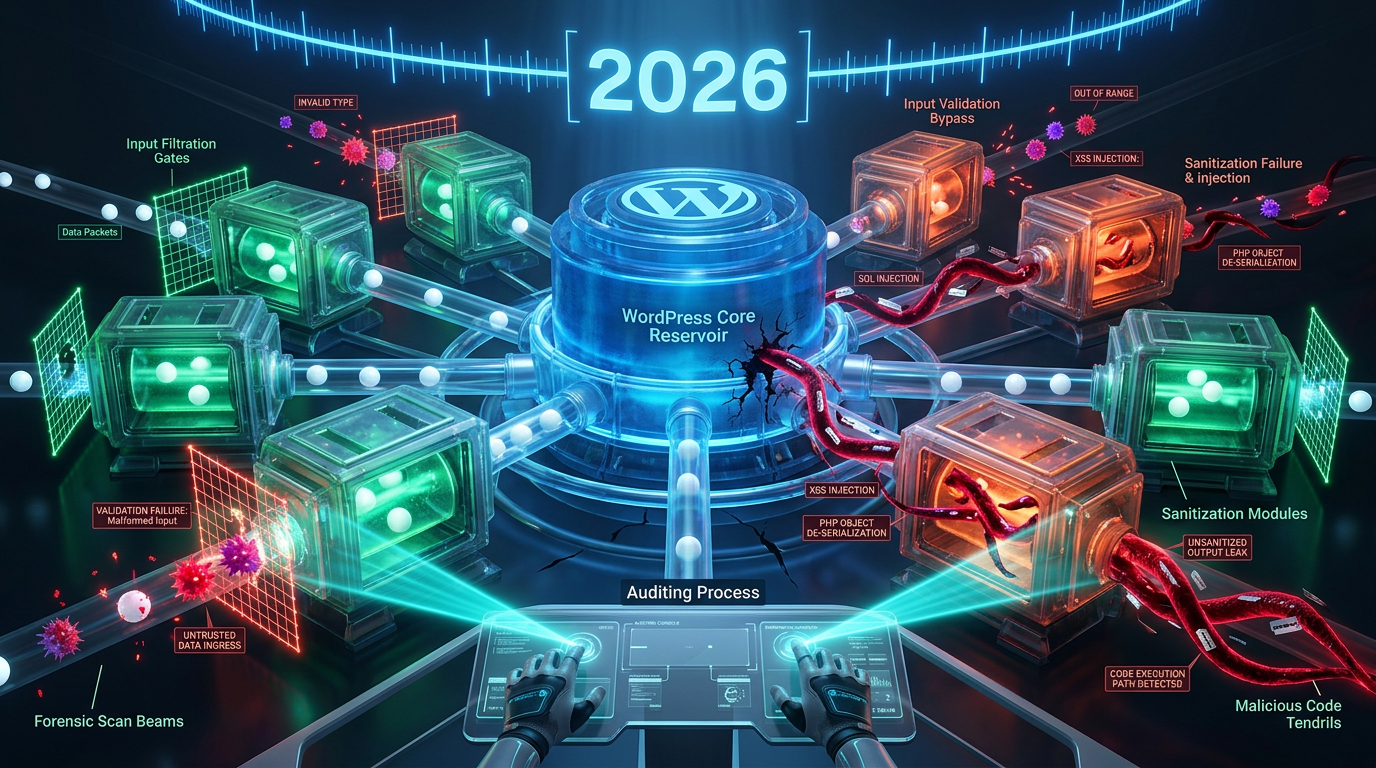
We've observed a rise in sophisticated threats stemming from outdated code and insecure configurations during our analysis of the WordPress plugin ecosystem throughout 2026.
Outdated Code and Semantic Drift
Plugins with outdated code might not adhere to current web standards or SEO best practices. This can result in the generation of deprecated HTML tags, invalid schema, or inefficient code that slows down page load times. Over time, such issues can cause "semantic drift," where search engines struggle to accurately perceive the topic and purpose of your content, eroding your WordPress plugin semantic structure.
It's best practice to regularly update plugins and only use those actively maintained by their developers. An unmaintained plugin from even a few years ago can introduce significant semantic inconsistencies.
Conflicting Plugins and Semantic Overlap
Running multiple plugins that perform similar functions (e.g., two different SEO plugins, or multiple schema generators) can lead to conflicts. This "semantic overlap" often results in duplicate schema markup, conflicting meta tags, or redundant headings, sending mixed signals to search engines. Such conflicts can make it harder for search engines to determine the canonical information about a page. To understand more about securing your plugin ecosystem, consider the implications of third-party dependency loading and supply chain integrity.
Performance Issues and Semantic Impact
Performance, while not directly semantic, has a profound indirect impact on it. A slow-loading website due to bloated or inefficient plugins can lead to higher bounce rates and reduced crawl budgets. When crawlers spend less time on your site, they may not fully process your content and its underlying semantic structure, potentially missing important contextual cues.
Consider plugins that are lightweight and optimized for performance. Regular performance audits are essential to identify and address any plugin-related bottlenecks affecting your site's speed and, consequently, its semantic visibility. For a broader perspective on website performance, consider resources like Google PageSpeed Insights, which provides valuable metrics for site optimization.
Best Practices for Maintaining a Healthy WordPress Plugin Semantic Structure
To leverage the power of plugins without compromising your site's semantic integrity, adopting a strategic approach is crucial. Proactive measures can ensure that your plugins enhance rather than detract from your site's overall structure and SEO performance in 2026. This includes careful consideration of your WordPress plugin semantic structure.
- Regular Audits: Periodically review your installed plugins. Remove any that are no longer necessary, are outdated, or cause conflicts. Utilize tools to check for schema errors and HTML validation issues. You can use online validators like the W3C Markup Validation Service to ensure your HTML is free of errors.
- Choose Reputable Plugins: Opt for plugins with strong reviews, active development, and a good track record of compatibility. Check their changelogs for recent updates and bug fixes. For an extensive directory of reputable plugins, refer to the official WordPress Plugin Directory.
- Testing Environment: Always test new plugins or significant updates in a staging environment before deploying them to your live website. This allows you to identify any semantic conflicts or performance issues without affecting your live site.
- Monitor Google Search Console: Pay close attention to any structured data errors or warnings reported in Google Search Console. These often directly point to issues within your WordPress plugin semantic structure. For deeper insights into user experience, consider utilizing tools that shed light on user behavior modeling in WordPress plugins.
Evaluating Plugins for Semantic Impact Before Installation
Before installing any new plugin, take a moment to evaluate its potential impact on your site's semantic structure. A quick pre-installation assessment can save you significant headaches down the line and help maintain a robust WordPress plugin semantic structure.
- Read Reviews and Support Forums: Look for discussions about SEO issues, compatibility problems, or complaints related to generated HTML or schema.
- Check for Schema Integration: If the plugin claims to add schema, verify which types of schema it supports and whether it adheres to current schema.org standards.
- Review Code If Possible: For the more technically inclined, a brief look at the plugin's code (or documentation) can reveal how it outputs HTML and whether it's designed with SEO and semantic structure in mind.
- Consider Plugin Purpose: Does the plugin's core function align with enhancing or preserving your site's semantic integrity?
The Future of WordPress Plugin Semantic Structure
As AI and machine learning continue to evolve search algorithms, the importance of a clear and unambiguous WordPress plugin semantic structure will only grow. Developers and site owners alike must prioritize semantic integrity to ensure long-term visibility and ranking success. Future plugins will likely incorporate more intelligent semantic output, adapting to evolving web standards and search engine requirements. Staying informed and proactive is key to navigating this dynamic landscape.
Frequently Asked Questions

Written by Aras Akıncılar
Uzun yıllara dayanan WordPress deneyimine sahip bir siber güvenlik uzmanı olarak, eklenti ekosisteminin derinlemesine analizine odaklanıyorum. Güvenlik açıkları, performans düşüşleri ve uyumluluk sorunları üzerine hazırladığım makalelerle, WordPress kullanıcılarının sitelerini daha güvenli ve verimli hale getirmelerine yardımcı olmayı hedefliyorum.