Understanding WordPress Plugin User Behavior in 2026
The digital landscape is a dynamic ecosystem, constantly evolving with new technologies and user expectations. In 2026, understanding WordPress plugin user behavior is more crucial than ever for developers, website owners, and digital marketers alike. Plugins are the lifeblood of many WordPress sites, extending functionality and shaping the user experience in profound ways. However, this power comes with responsibilities, as poorly implemented or insecure plugins can dramatically alter user interaction, erode trust, and introduce significant risks.
The Evolving Landscape of WordPress Plugin User Behavior
Over the past few years, we've witnessed a significant shift in how users interact with and perceive WordPress plugins. The demand for seamless, intuitive, and feature-rich experiences has never been higher. This directly impacts WordPress plugin user behavior, influencing installation rates, retention, and even the willingness to upgrade to premium versions.
The Pursuit of Performance and Speed
In 2026, website speed is paramount. Users have little patience for slow-loading pages, and a sluggish site often leads to abandonment. Therefore, plugins that optimize performance—caching plugins, image optimizers, and code minifiers—are highly sought after. Users frequently test and compare these tools, and their decisions are heavily influenced by real-world speed improvements. A plugin that degrades site performance, even for a valuable feature, will quickly be uninstalled. For more insights into how plugins dictate network performance, read about How WordPress Plugins Dictate Network Traffic & Data Egress in 2026.
Security as a Core Expectation
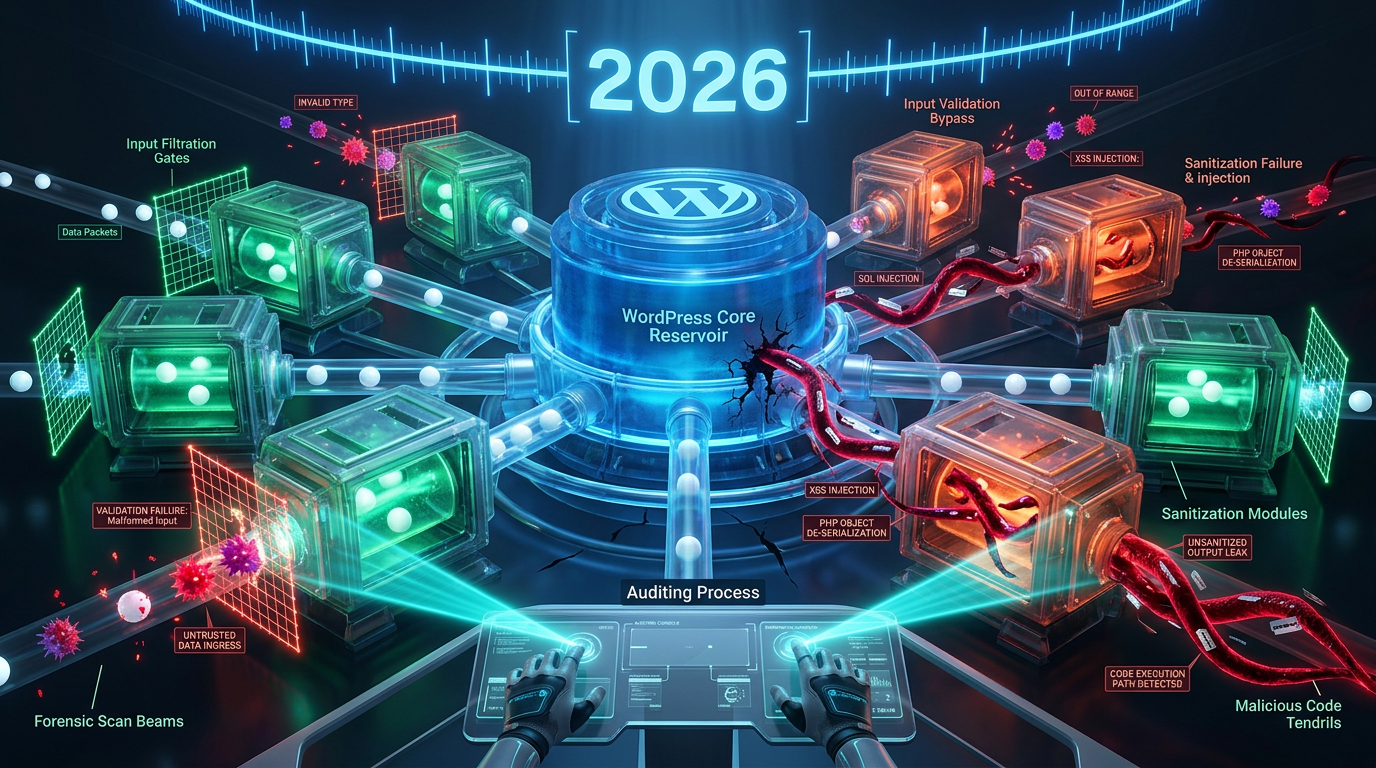
Data breaches and cyber threats are increasingly common headlines. Users are more security-conscious than ever before, and this translates directly to their plugin choices. Plugins with known vulnerabilities or a history of security issues are avoided. Transparency from developers regarding security practices, regular updates, and compatibility with robust security solutions are key factors influencing WordPress plugin user behavior.
- Regular security audits and vulnerability disclosures are vital.
- Compatibility with established security plugins is a strong selling point.
- A clear privacy policy regarding data handled by the plugin builds trust. Discover more about How WordPress Plugins Remodel User Data and Privacy in 2026.
Impact of Functionality and Features on WordPress Plugin User Behavior
While performance and security form the foundational expectations, it's the specific functionalities and features that ultimately drive adoption and loyalty for many categories of WordPress plugins. Users are looking for solutions that genuinely solve their problems and enhance their site’s capabilities.
Solving Specific Pain Points
The most successful plugins are those that address a precise need. Whether it's an SEO optimization tool, an e-commerce extension, a contact form builder, or a membership system, users download plugins to achieve specific goals. They evaluate plugins based on their ability to deliver on these promises effectively and efficiently. The clearer the value proposition, the higher the adoption rate. For example, ensuring plugins effectively manage WordPress SEO is a critical user expectation in 2026.
User Experience (UX) and Ease of Use
A powerful plugin with a terrible user interface is destined to fail. Modern WordPress plugin user behavior emphasizes ease of use. Clean dashboards, intuitive settings, and clear documentation are critical. Users prefer plugins that integrate seamlessly into the WordPress admin area without requiring a steep learning curve. Complex configurations or obscure settings often lead to frustration and uninstallation.
For example, a marketing automation plugin, no matter how feature-rich, will struggle if its lead segmentation interface is confusing or its campaign builder is clunky. Simplicity and great UX are paramount.
The Double-Edged Sword: Risks Introduced by WordPress Plugins
While plugins are incredibly beneficial, their widespread use introduces a unique set of challenges that significantly influence WordPress plugin user behavior, often in negative ways. Understanding these risks is crucial for both users and developers.
Security Vulnerabilities and Outdated Code
One of the most pressing concerns is the security risk posed by vulnerable or outdated plugins. A single weak plugin can compromise an entire website, leading to data breaches, malware infections, and reputational damage. Users are increasingly aware of these dangers and actively seek plugins with a strong track record of consistent updates and security patches in 2026. For further reading on this topic, consider The Silent Cartel: Unmasking Supply Chain Attacks & Software Bill of Materials (SBOM) in WordPress Plugins (2026).
- Outdated code: Plugins not updated for years often contain known vulnerabilities.
- Insecure configurations: Default settings might be insecure, requiring user intervention.
- Excessive permissions: Plugins requesting more access than necessary can be a red flag for users.
Performance Bottlenecks and Compatibility Issues
Another significant risk is the impact on website performance. Poorly coded plugins can consume excessive resources, leading to slow loading times. Furthermore, conflicts between different plugins or between a plugin and the WordPress core or theme can cause unexpected errors, broken functionalities, and even site crashes. Users often troubleshoot these issues themselves and will readily uninstall plugins identified as the culprit.
The challenge of compatibility magnifies with every new WordPress core update or theme revision. Developers neglecting to test and update their plugins for these changes frequently encounter user backlash and a drop in installations. Learn more about optimizing WordPress performance.
Best Practices for Nurturing Positive WordPress Plugin User Behavior
To foster a positive and sustainable interaction with WordPress plugins, both developers and users must adopt certain best practices. This proactive approach ensures stability, security, and a satisfying user experience, critically influencing WordPress plugin user behavior at every stage.
For Plugin Developers: Building Trust and Reliability
Developers hold a significant responsibility in shaping user perceptions. In 2026, successful plugin development goes beyond just features; it encompasses a commitment to the user’s safety and experience. This includes:
- Regular Updates: Staying current with WordPress core and PHP versions, and promptly addressing security vulnerabilities.
- Thorough Testing: Ensuring compatibility with popular themes and other widely used plugins.
- Clear Documentation: Providing comprehensive guides on installation, configuration, and troubleshooting.
- Responsive Support: Offering timely help and guidance to resolve user issues.
- Security Audits: Proactively auditing code for vulnerabilities and using secure coding practices.
These actions dramatically improve trust and encourage positive WordPress plugin user behavior, leading to higher ratings, more downloads, and greater community advocacy.
For Website Owners: Informed Plugin Management
Users also have a role to play in safeguarding their websites and making informed choices. Effective management of plugins involves:
- Researching Before Installing: Checking reviews, last update dates, active installations, and support forum activity.
- Keeping Plugins Updated: Regularly updating all plugins to their latest versions to receive security patches and new features.
- Regular Backups: Implementing a robust backup strategy to recover from potential plugin conflicts or issues.
- Limiting Plugins: Installing only essential plugins to minimize potential performance overhead and conflict risks.
- Using Staging Environments: Testing new plugins or major updates on a staging site before deploying to live. For further insights on ensuring plugin integrity, see The Silent Orchestrators: How WordPress Plugins Dictate Third-Party Dependency Loading & Supply Chain Integrity in 2026.
The Future of WordPress Plugin User Behavior in 2026 and Beyond
As WordPress continues to dominate the CMS landscape, the role of plugins will only grow. We anticipate further innovations in plugin development, driven by AI and automation, further influencing WordPress plugin user behavior. Users will expect more intelligent, proactive solutions that require minimal manual intervention. The emphasis on headless WordPress and block-based editing will also shift how users perceive and interact with plugins, potentially leading to more atomic and specialized tools.
Ultimately, plugins that offer genuine value, maintain high security standards, prioritize performance, and deliver an outstanding user experience will be the ones that thrive. The collective WordPress plugin user behavior will continue to be a powerful feedback loop, shaping the trajectory of the entire ecosystem. For trends shaping plugin ecosystems, consider current WordPress statistics.
Frequently Asked Questions

Written by Aras Akıncılar
Uzun yıllara dayanan WordPress deneyimine sahip bir siber güvenlik uzmanı olarak, eklenti ekosisteminin derinlemesine analizine odaklanıyorum. Güvenlik açıkları, performans düşüşleri ve uyumluluk sorunları üzerine hazırladığım makalelerle, WordPress kullanıcılarının sitelerini daha güvenli ve verimli hale getirmelerine yardımcı olmayı hedefliyorum.