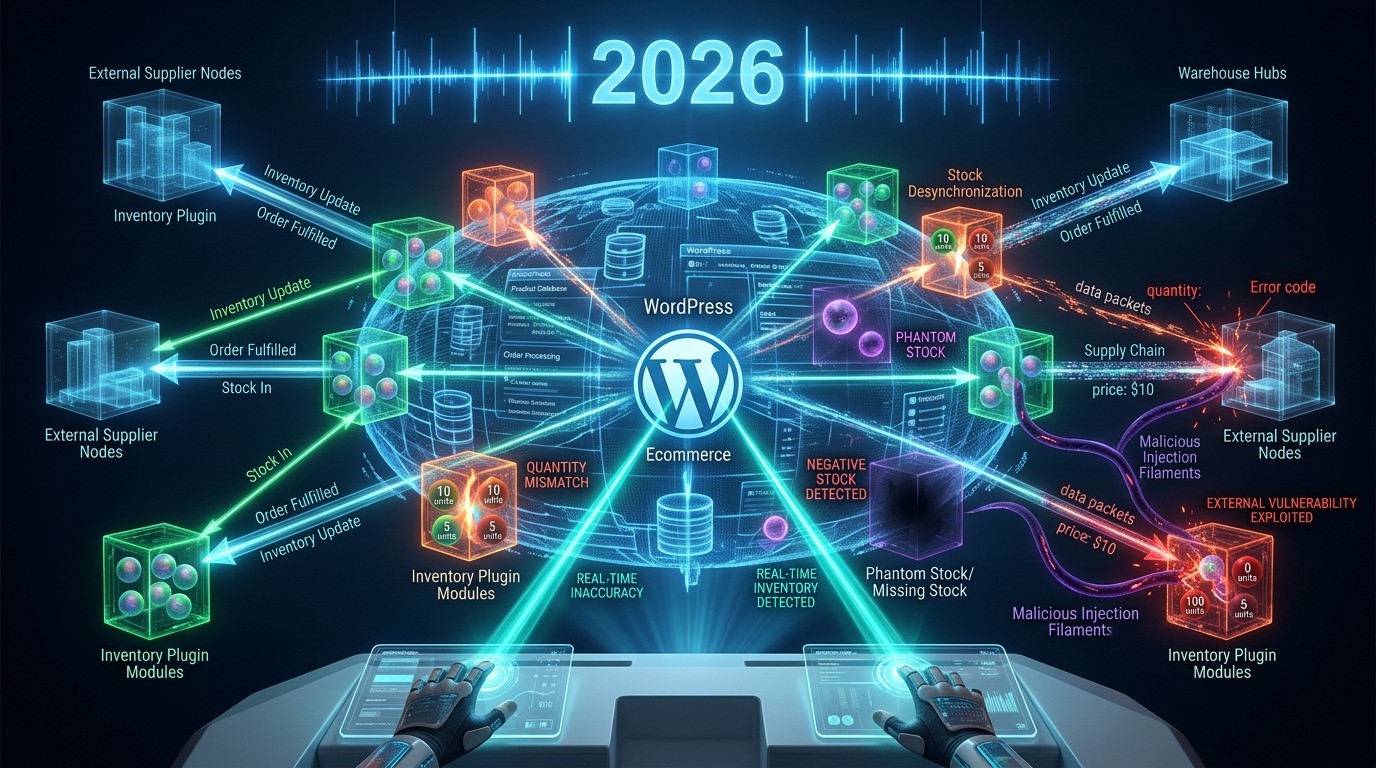
WordPress Quantum Security: Plugins & Post-Quantum Readiness in 2026
As we navigate the technological landscape of 2026, the discussion around advanced cybersecurity has naturally gravitated towards the looming shadow of quantum computing. The promise of unparalleled computational power also brings with it the significant threat of rendering current cryptographic standards obsolete. For the millions of websites powered by WordPress, this presents a unique challenge. This article delves into the critical role of WordPress plugins in preparing for this paradigm shift, specifically focusing on the nascent field of WordPress quantum security. We will explore how these indispensable components of the WordPress ecosystem are beginning to address the vulnerabilities posed by quantum computers and ensure a secure future for digital assets.
Understanding the Quantum Threat to WordPress Quantum Security
The advent of quantum computers, while still in its early stages, demands proactive security measures. Traditional encryption methods, such as RSA and ECC, which underpin much of today's internet security, are susceptible to quantum algorithms like Shor's algorithm. This could allow malicious actors with access to sufficiently powerful quantum machines to break current public-key cryptography with relative ease, compromising sensitive data exchanges.
For WordPress sites, this vulnerability extends across various critical functions:
- Secure Sockets Layer (SSL/TLS) certificates protecting data in transit.
- Login credentials and user authentication.
- Encrypted database content.
- Payment gateway integrations.
The time to begin preparing for post-quantum cryptography (PQC) is now, even if widespread quantum attacks are still some years away. The concept of "Harvest Now, Decrypt Later" means that encrypted data harvested today could be decrypted in the future by quantum computers. Proactive measures in WordPress quantum security are thus essential. For a deeper dive into how plugins modulate browser security, see The Silent Catalysts: Unmasking WordPress Plugins as Transformers of Browser Security Standards in 2026.
The "Harvest Now, Decrypt Later" Threat
This insidious threat highlights the importance of transitioning to quantum-resistant algorithms sooner rather than later. Any data encrypted with currently vulnerable methods that is captured today could be stored and decrypted once quantum computers become sufficiently powerful. This has significant implications for long-term data confidentiality, making early adoption of PQC vital for sensitive information and overall WordPress quantum security.
Current Cryptographic Vulnerabilities on WordPress
Most WordPress installations rely heavily on cryptographic primitives that are known to be vulnerable to quantum attacks. This includes the underlying operating system, server software, and especially the SSL/TLS libraries that secure website communications. Identifying these points of vulnerability is the first step towards building a robust WordPress quantum security strategy. Understanding how plugins handle client-side encryption is also crucial, as detailed in The Silent Auditors: Unmasking WordPress Plugins Modulating Browser Client-Side Encryption & TLS Fingerprinting in 2026.
Examining WordPress Plugins for Enhanced Security Posture
WordPress plugins are powerful tools that extend functionality but also introduce potential risks. When considering post-quantum security, it's crucial to evaluate plugins not just for their current security practices but also for their ability to adapt to future cryptographic standards. As of 2026, dedicated "quantum security" plugins are still emerging, but existing security plugins lay the groundwork for stronger WordPress quantum security.
We analyze plugins across several categories:
- Security Suites: Plugins like Wordfence Security, Sucuri Security, and iThemes Security Pro offer comprehensive protection, including firewalls, malware scanning, and vulnerability patching. Their role in a quantum-secure future will involve integrating PQC algorithms into their secure communication and storage features.
- SSL Management Plugins: Plugins like Really Simple SSL help manage SSL certificates. Future versions will need to support quantum-resistant TLS certificates as they become available.
- Backup Solutions: Plugins such as UpdraftPlus and BackupBuddy handle sensitive data. The encryption used for these backups must also transition to quantum-safe methods to protect against future decryption threats.
- Authentication Plugins: For two-factor authentication (2FA) and other advanced login mechanisms, the underlying cryptographic strength for generating and verifying tokens will need to be quantum-resistant.
The key challenge lies in the decentralized nature of WordPress development. Each plugin developer will eventually need to adopt PQC standards, creating a complex web of dependencies for WordPress quantum security. For strategies on improving overall site resilience, consider the insights in The Silent Alchemists: How WordPress Plugins Remodel Digital Resilience & Disaster Recovery in 2026.
Identifying Security Vulnerabilities in Plugins
Beyond quantum threats, plugins are a common source of conventional security vulnerabilities. Outdated code, insecure configurations, and excessive permissions are perennial problems. A robust plugin evaluation process must consider these factors to maintain strong WordPress quantum security:
- Code Quality and Auditing: Regular security audits and well-maintained codebases are indicators of reliable plugins.
- Update Frequency: Plugins that are regularly updated are more likely to address security flaws promptly.
- Developer Reputation: Reputable developers with a history of secure practices instill greater confidence.
Performance and Compatibility Concerns with Advanced Security
Implementing advanced cryptographic algorithms can sometimes introduce performance overhead. Site owners must balance enhanced security with maintaining optimal website speed and user experience. Moreover, compatibility issues between plugins, themes, and the core WordPress often arise, making careful testing essential when incorporating new security solutions, especially those related to complex cryptographic operations. This also relates to how WordPress plugins are extending core functionality with heterogeneous computing for performance in 2026, impacting overall WordPress quantum security implementation.
Best Practices for Implementing WordPress Quantum Security Measures
Given the evolving nature of quantum threats, a multi-faceted approach to WordPress quantum security is crucial. Site administrators need to adopt a proactive stance that incorporates both current best practices and forward-looking strategies for post-quantum readiness.
- Stay Informed and Educated: Keep abreast of the latest developments in quantum computing and post-quantum cryptography. Resources from NIST (National Institute of Standards and Technology) are invaluable in this regard. A wealth of information can be found on the NIST Post-Quantum Cryptography project page.
- Regularly Update Everything: This includes the WordPress core, themes, and all plugins. Updates often contain critical security patches, and this will be the primary vector for PQC algorithm deployment.
- Choose Reputable Plugins: Opt for plugins from well-known developers with strong security track records and active support. Review plugin security policies and update cadences carefully.
- Implement Strong Access Controls: Use strong, unique passwords, enforce 2FA where possible, and limit user permissions to the absolute minimum necessary.
- Regular Backups with Quantum-Safe Encryption: Ensure your backup solutions encrypt data using methods that are either already quantum-resistant or are being actively developed to be so. This is vital for long-term WordPress quantum security.
- SSL/TLS Transition Planning: While quantum-safe SSL certificates are not yet mainstream, monitor their development. Prepare to transition once they become standardized and supported by Certificate Authorities and web servers.
- Consider Hybrid Cryptography: As an interim step, hybrid cryptography (combining classical and post-quantum algorithms) might offer a balanced approach to mitigating current and future threats.
These practices form the bedrock of a robust cybersecurity strategy that can adapt to the challenges posed by quantum computing in 2026 and beyond, ensuring comprehensive WordPress quantum security.
Auditing Plugin Permissions and Dependencies
Many plugins request extensive permissions, which can become a security risk if compromised. Regularly audit plugin permissions and understand what third-party dependencies they rely on. Supply chain attacks via compromised dependencies are a growing concern. Ensure all external libraries and services used by your plugins are also secure and updated, contributing to overall WordPress quantum security.
Preparing for Post-Quantum Cryptography (PQC) Migration
The migration to PQC will be a complex undertaking. It requires a "cryptographic agility" mindset, allowing for rapid swapping of algorithms as new standards emerge. WordPress core and theme developers, alongside plugin creators, will play a huge role in this transition. Site owners should prioritize plugins and hosting providers that demonstrate a clear roadmap for PQC integration. Information on cryptographic agility and PQC implementation can often be found on academic and industry security blogs, such as this overview by Quantum Safe Cryptography, all contributing to better WordPress quantum security.
The Future of WordPress Quantum Security in 2026 and Beyond
The year 2026 marks a pivotal moment where the theoretical threats of quantum computing begin to solidify into tangible considerations for practical cybersecurity. While fully quantum-resistant WordPress plugins are still in their infancy, the emphasis is now on foundational security practices and a heightened awareness of future cryptographic needs for WordPress quantum security.
We anticipate several key developments:
- Increased Adoption of Hybrid Cryptography: To bridge the gap, more plugins and server environments will likely offer hybrid cryptographic modes, combining classical and PQC algorithms.
- Standardization of PQC Algorithms: Following NIST's ongoing standardization efforts, we expect broader support for chosen PQC algorithms within core infrastructure and, subsequently, WordPress components.
- Emergence of "Quantum-Ready" Hosting: Hosting providers will begin to offer server environments specifically configured for post-quantum security, potentially including PQC-enabled SSL/TLS and database encryption.
- Educational Initiatives: The industry will see more resources and tools dedicated to educating WordPress users and developers about the transition to quantum-safe security.
The journey towards fully quantum-resistant WordPress quantum security is ongoing, but by focusing on robust current security practices and staying vigilant about future cryptographic advancements, WordPress users can proactively safeguard their digital presence against the challenges of tomorrow.
Collaboration and Community Efforts for Quantum Readiness
The open-source nature of WordPress means that community collaboration will be paramount in addressing quantum security. Developer forums, security groups, and core development teams will need to work together to define standards, share best practices, and implement PQC solutions effectively across the ecosystem. This collective effort will be crucial for the widespread adoption of WordPress quantum security. Such collaboration aligns with how WordPress plugins are extending core with Event-Driven Architectures (EDA) in 2026, fostering a more adaptable and secure core.
Frequently Asked Questions

Written by Aras Akıncılar
Uzun yıllara dayanan WordPress deneyimine sahip bir siber güvenlik uzmanı olarak, eklenti ekosisteminin derinlemesine analizine odaklanıyorum. Güvenlik açıkları, performans düşüşleri ve uyumluluk sorunları üzerine hazırladığım makalelerle, WordPress kullanıcılarının sitelerini daha güvenli ve verimli hale getirmelerine yardımcı olmayı hedefliyorum.